
By Quin Shea, Edison Electric Institute
The U.S. electric power industry is committed to improving America’s air quality. Progress over the past 25 years has been real and significant and something we all can be proud of. However, the U.S. Environmental Protection Agency (EPA) is now proposing a new, lower limit on emissions of particulate matter that promises the public few, if any, benefits. What’s more, the costs of compliance with the new standard will be as real and significant as past progress. The EPA should determine if its existing standards are working before seeking to tighten them further.
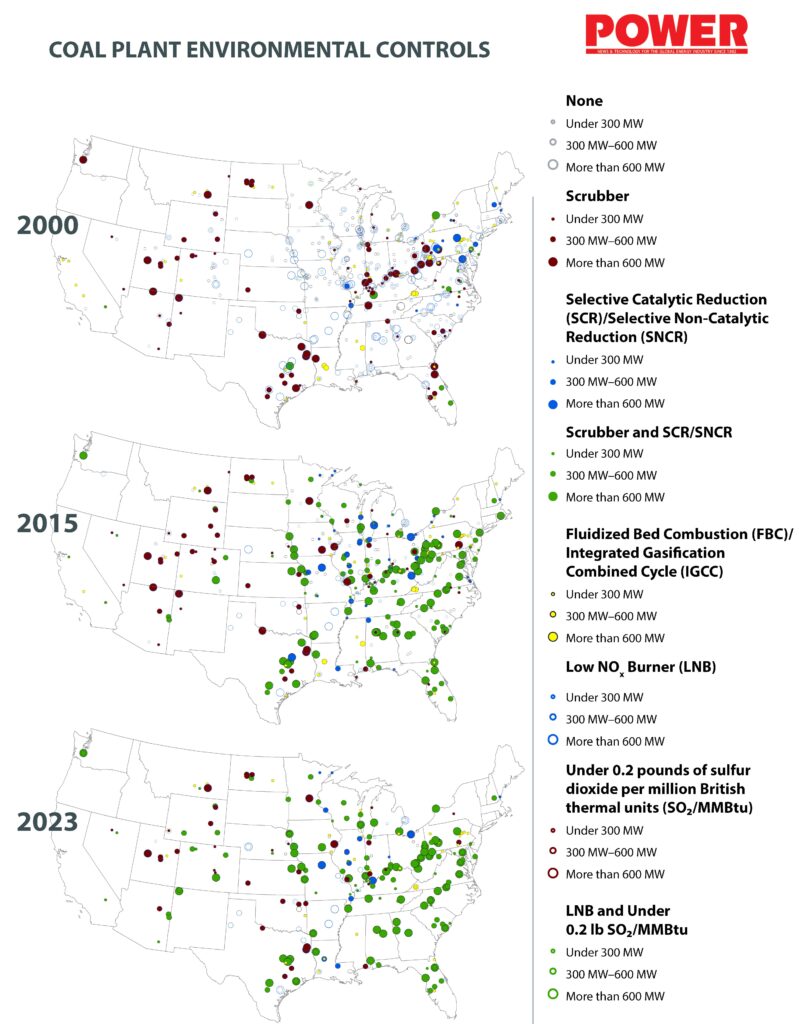
Since 1980 the U.S. power industry has reduced its emissions of sulfur dioxide (SO2) and nitrogen oxides (NOx) by more than 40%. Thanks to the efforts of power producers and others, overall emissions of the six principal air pollutants have fallen by 54% since 1970. What’s amazing is that over the same period, America’s electricity consumption and gross domestic product have almost doubled. The foundation of this progress has been—and continues to be—compliance with air quality standards based on sound science.
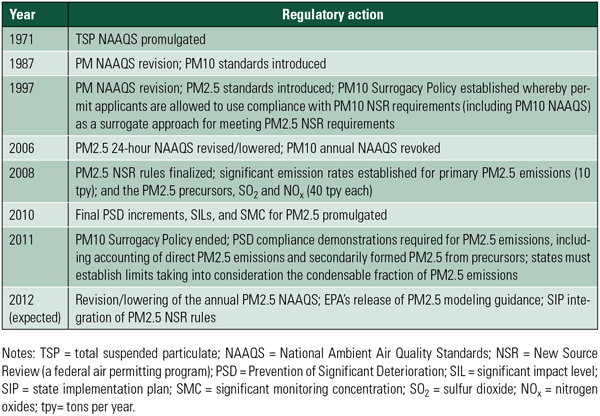
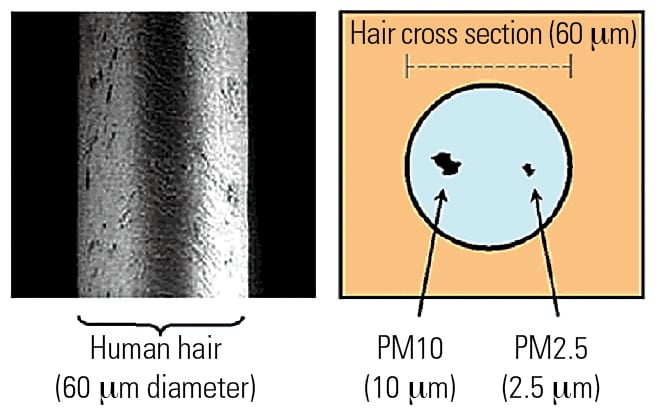
What the EPA is proposing is lowering its daily National Ambient Air Quality Standard (NAAQS) for fine particulate matter (less than 2.5 microns in diameter) from 65 to 35 micrograms per cubic meter. The new PM2.5 standard is so stringent that estimates are it will cost U.S. industry $20 billion to $60 billion to comply with it—every year! If that proves true, the proposed PM2.5 standard would be the most expensive federal regulation put on the books since the Office of Management and Budget began keeping records in 1981.
The consequences of adopting the new standard would be felt far and wide. The hundreds of communities that would likely fail to comply with it would become nonattainment areas. Attracting new businesses or expanding existing plants in these areas would become more difficult. Some industrial plants might have to shut down or relocate. New or expanded plants would have to obtain offsets for emissions from their new activity by reducing emissions at other facilities by an even greater amount.
Unsound science, uncertain benefits
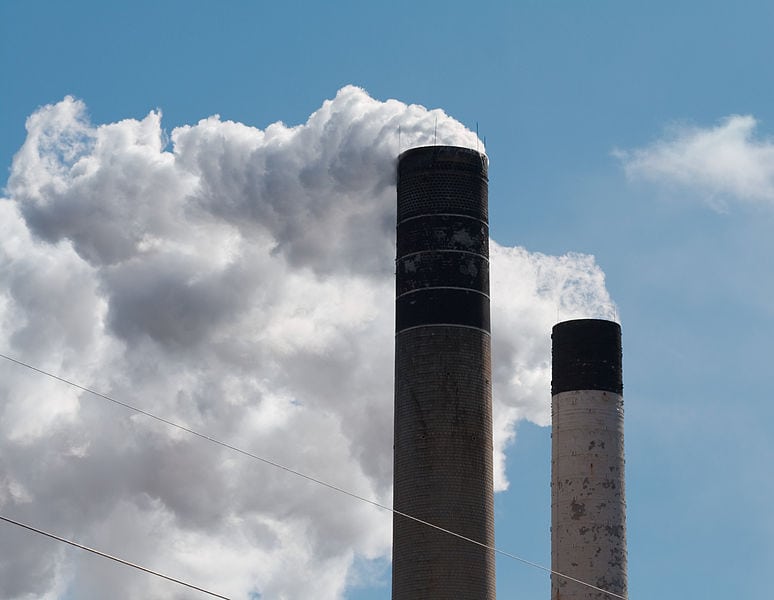
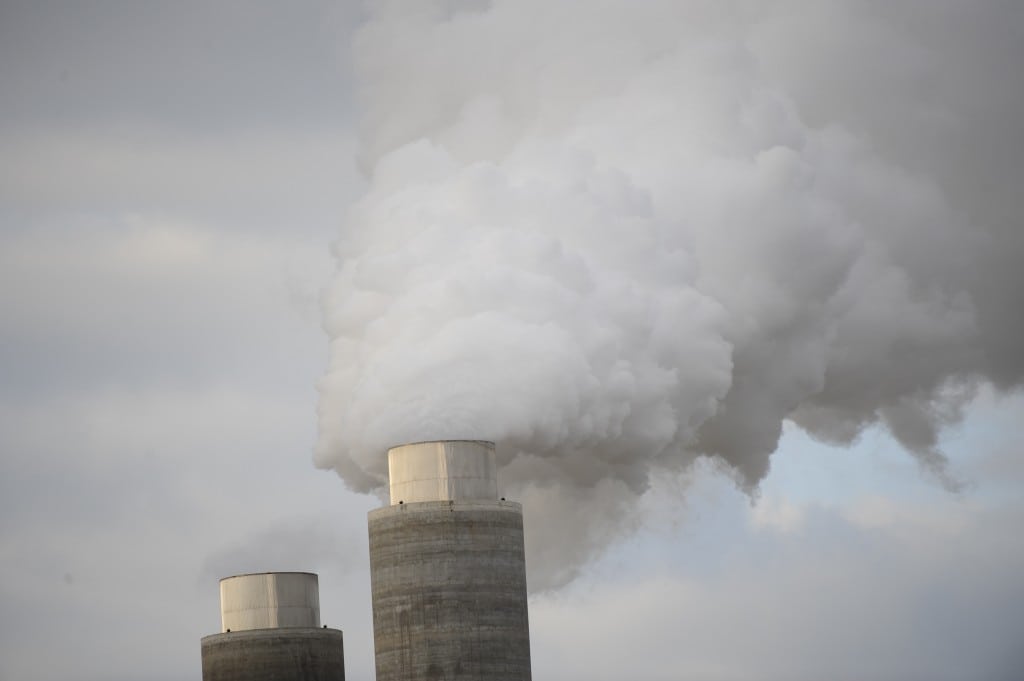
Particles in the air come from hundreds of natural and manmade sources. Power plants use electrostatic precipitators or baghouses (fabric filters) to remove over 99% of the particulate matter that would otherwise go up their stacks. However, reactions in the atmosphere involving two other plant emissions—SO2 and NOx—generate sulfates and nitrates, two of the many types of fine particulate matter.
The problem is that the EPA doesn’t know which types of fine particulate matter may cause health problems, or even whether reactions of PM2.5 with other pollutants might pose even bigger concerns. Accordingly, the EPA should not be in a rush to "move the goal posts" on PM2.5 at this time. Bear in mind that the agency still has not completely applied its current standard for PM2.5. Individual state plans for attaining the current standard are not due until April 2008, and the deadline for compliance with it—April 2010—is still nearly five years off.
Furthermore, several other federal air mandates are now in place. The electric power sector is on track to reduce its SO2 and NOx emission rates (measured in lb/MWh) by more than 90% (compared to 1980 levels) through EPA’s Clean Air Interstate, Mercury, and Visibility Rules.
These regulations already are working to reduce power plants’ emissions of the primary sources of particulate matter. It is not certain that imposing a stricter NAAQS for fine particulate matter will produce additional health benefits beyond those now being achieved by current mandates. What is certain, however, is that lowering the PM2.5 ceiling from 65 to 35 micrograms per cubic meter will both raise electricity prices and prove costly to local economies denied the benefits of hosting a new industrial plant or a plant expansion.
Give it time
Until the science suggests otherwise, the EPA should opt to maintain the status quo for particulate matter and consider tightening the existing standard only after compliance with it has been achieved. Both industry and the public deserve cost-effective regulations that produce measurable benefits.
The EPA is scheduled to issue its final rule in late September. Edison Electric Institute is among 19 industrial groups that have filed comments opposing the agency’s proposal to tighten the PM2.5 standard. EEI is encouraging all power producers—as well as other industrial and business groups, chambers of commerce, and local elected officials—to tell their representatives in Washington that the EPA should keep the current PM2.5 standard in place until we know whether it is working.
&emdash;Quin Shea is executive director for the environment of the Edison Electric Institute, the association of U.S. investor-owned electric utilities and their worldwide affiliates and industry associates. He can be reached at 202-508-5000 or qshea@eei.org.