The conversation around data center development has changed dramatically over the past few years.
Earlier, when developers needed to evaluate a new facility, the questions were relatively straightforward. Is the market attractive? Can we secure the land? Can we obtain reliable power? Can we raise the necessary capital?
All those questions still matter. But a new inquiry is increasingly shaping the economics of the entire project: How to structure the power strategy in a way that preserves flexibility, mitigates risk, ensures compliance with new state requirements, and captures the full value of available incentives.
That shift is being driven by the rapid expansion of artificial intelligence (AI) and the need for increased compute power. As AI workloads grow, so does demand for power to fuel the compute usage. Industry forecasts suggest that data centers could account for as much as 9% of U.S. electricity generation by 2030, while broader projections show data center power consumption rising substantially over the coming decade.
In boardrooms across the country, power has become more than a utility service. It has become a strategic resource, and states are continuing to require data center owners and developers to bring their own power to these new facilities.
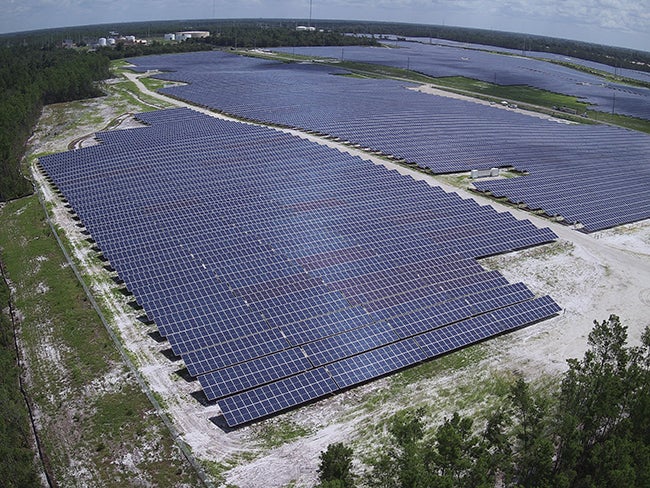
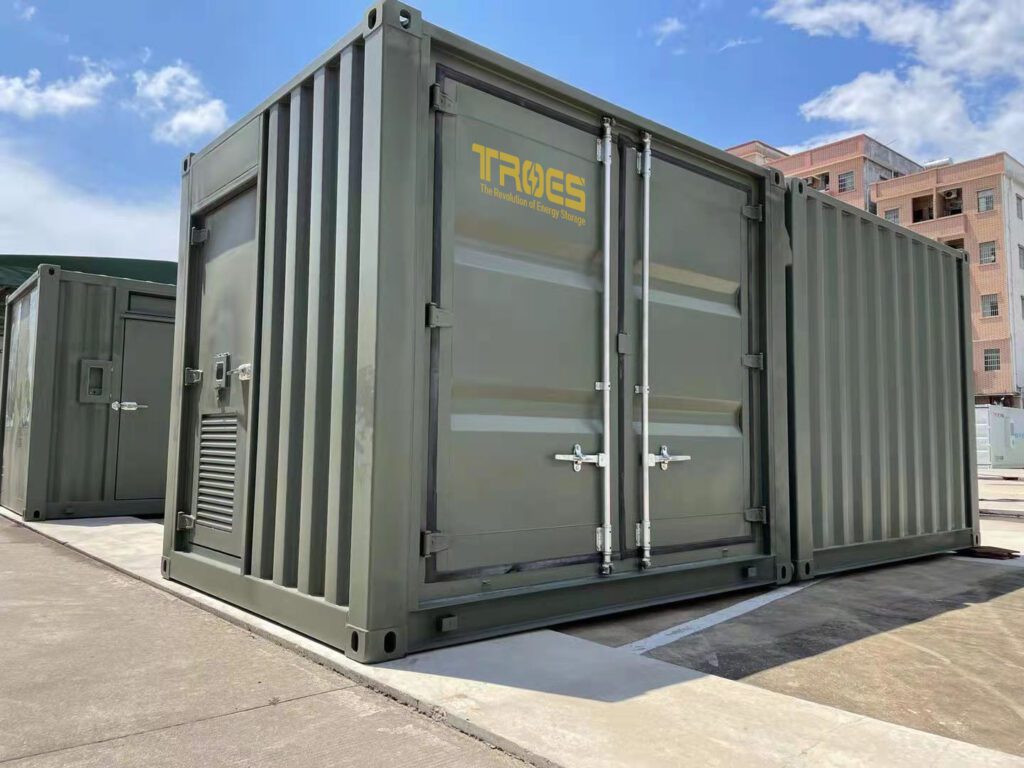
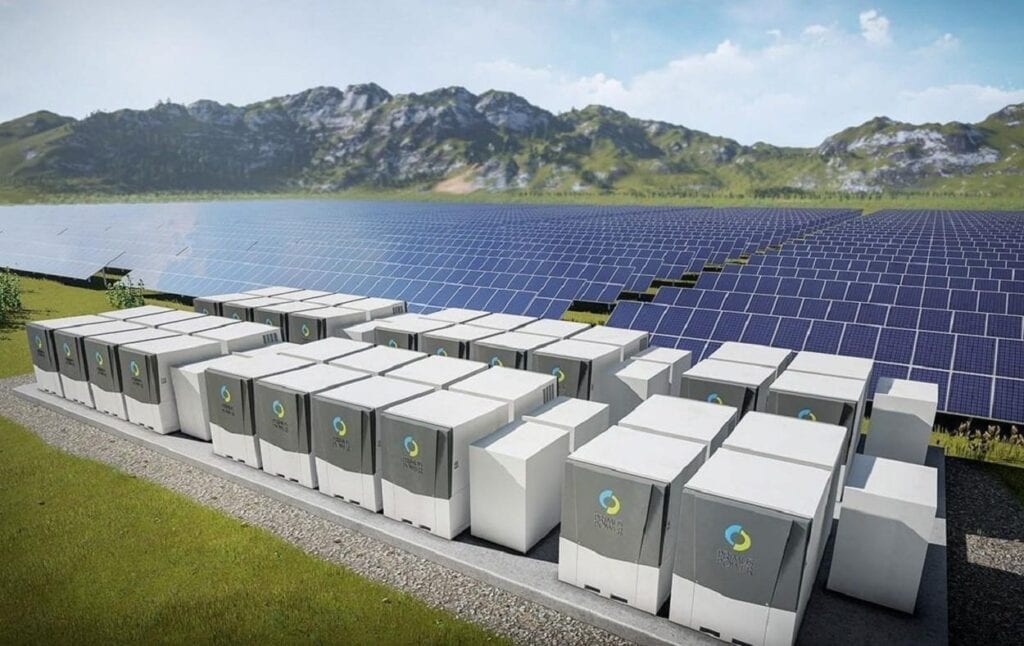
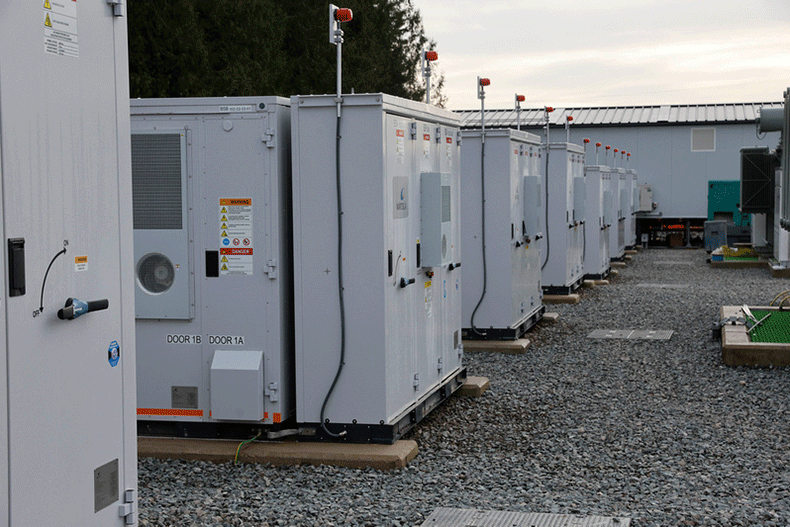
That reality is pushing developers and operators to rethink how they secure energy. Many are exploring co-located renewable generation, battery storage, microgrids, and other approaches that offer greater certainty in a market where grid capacity, interconnection timelines, and permitting are creating very real constraints.
At the same time, federal incentives are creating opportunities for a significant return on these clean energy and storage investments. The most successful developers and operators are recovering federal incentives like the Investment Tax Credit, which can return up to 50% of the initial investment in cash within the first year the assets are operational.
What often gets overlooked, however, is that the value of these incentives is rarely determined at the end of a project. More often, it is determined by decisions made at the very beginning and is guided by decisions made throughout the course of each project.
I have seen developers spend months negotiating power solutions that solve an operational challenge, only to discover at the end of the project that the structure they selected limits their ability to capture the full economic benefit available to them.
I have also seen the opposite. The most successful projects are usually not the ones with the most sophisticated technology. They are the ones where developers bring tax, legal, financing, and energy expertise together early to shape the project before key decisions become fixed.
That distinction is becoming increasingly important because the role of clean energy incentives has fundamentally changed.
Beyond Solar: The Expanding Role of Investment Tax Credits
For years, Investment Tax Credits were largely viewed as a benefit for renewable energy developers—namely solar and wind energy producers. Today, these credits increasingly influence the decisions made by data center operators, infrastructure investors, and corporate leaders focused on long-term growth. The discussion is no longer only about sustainability—it’s about resiliency, cost certainty, financing, and competitive advantage.
When a hyperscale facility evaluates battery energy storage systems, on-site generation, or a broader energy strategy, the Investment Tax Credit can materially affect returns on those investments. In an environment where projects require billions of dollars in capital for behind-the-meter energy solutions and power availability frequently determines speed to market, those economics and returns on investment matter.
The challenge is: capturing value and preserving value are not the same thing.
As projects become larger and more complex, compliance risk grows alongside opportunity. Questions surrounding ownership structure, cost allocation, labor requirements, storage eligibility, supply-chain participants, project boundaries, and documentation can quickly become far more complicated than many organizations anticipate. A project may be operationally sound and financially attractive while still exposing itself to avoidable risk if these issues are not addressed early.
The Most Expensive Mistakes Are Made Before Construction Begins
Too often, organizations approach incentives as a post-implementation compliance exercise rather than a strategic planning exercise. They think of claiming the credit after the construction is completed, during filing season, instead of designing a project that accounts for all variables and can withstand scrutiny years after construction is complete.
The difference is subtle, but it has meaningful consequences.
The most sophisticated developers begin by asking broader questions:
- How should energy assets be structured?
- How will ownership evolve over time?
- What documentation will investors expect?
- What assumptions underpin the project’s financial model?
- How might future guidance or regulatory review affect those assumptions?
These are not purely tax questions. They are business questions.
Which is why “experience” has become such an important differentiator in today’s market. The complexity surrounding modern energy infrastructure projects often exceeds the expertise of any single discipline. Tax professionals understand incentive rules. Engineers understand asset performance and material selection. Developers understand project execution and labor compliance rules. Financiers understand capital structures and returns on investment.
The greatest value emerges when those perspectives come together.
Organizations increasingly need advisors and partners who understand not only the tax code, but also how power projects are developed, financed, operated, and evaluated over their full lifecycle. The risk today is not simply failing to identify an available opportunity. The greater risk is pursuing an opportunity without fully understanding the implications across the broader project.
This convergence of disciplines reflects a larger trend taking shape across the energy sector.
Treat Tax Planning as Infrastructure Planning
AI is not only transforming digital infrastructure; it is reshaping energy markets themselves. The Department of Energy has identified data center expansion as a significant driver of rising electricity demand. The International Energy Agency projects that global data center electricity consumption could exceed 1,000 TWh annually by 2030. Alternative energy sources, behind-the-meter power solutions, battery energy storage, and microgrids will certainly play a critical role in meeting that growth.
Today, energy strategy, infrastructure strategy, and tax policy are becoming increasingly intertwined. Decisions that once occurred in separate workstreams now influence one another in ways that can materially affect project outcomes.
For executives navigating this environment, the takeaway is straightforward. The most valuable planning often happens long before construction begins. It happens during the early conversations when project teams examine assumptions, evaluate alternatives, and identify risks before they become expensive realities.
The rush to build AI infrastructure will continue. Demand for reliable power will continue. Competition for capital and energy resources will continue.
The organizations that succeed will not only secure land, financing, and megawatts, they will also recognize something many others miss by successfully claiming credits for the work that they are doing. In today’s market, the economics of a project are often shaped well before the first asset is installed.
Getting the energy strategy right matters. Increasingly, getting the tax strategy right matters just as much. And the companies that understand both from the outset will be best positioned to compete in the next era of infrastructure growth.
—Matt Noll is Chief Operating Officer of alliantgroup.