POWER
-
 Coal
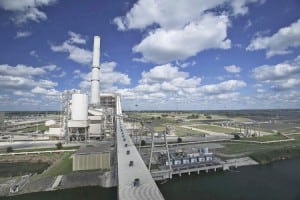
CoalJ.K. Spruce Power Plant, Unit 1, San Antonio, Texas
Top Plant: CPS Energy’s J.K. Spruce Power Plant, Unit 1 was recently recognized by the EUCG Fossil Productivity Committee as the best performer in the large coal plant category over the 2002-2006 evaluation period. The competition was tough, with more than 80 plants in the running, but Unit 1 emerged as the clear winner by earning top points for high plant reliability and very low nonfuel O&M costs.
-
 Water
WaterCooling water intake structure regulations
In the wake of a recent federal case, large power plants are off the hook for now as far as complying with the U.S. Environmental Protection Agency’s (EPA’s) 2004 rule intended to protect fish and other aquatic organisms by controlling cooling water intake practices.
-
 News
NewsHand-arm vibration gauge
No U.S. federal standards exist to limit worker exposure to hand-arm vibration (HAV), but the National Institute for Occupational Safety and Health suggests that high HAV acceleration levels (5-36 m/s2) can cause physical effects—and even permanent injury—if left unchecked and untreated. A new series of triaxial accelerometers launched this August by PCB Piezotronics’ Larson Davis […]
-
 Coal
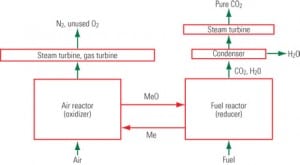
CoalChemical looping and coal
What does human metabolism have in common with coal combustion? Quite a bit, it turns out, say researchers at the National Energy Technology Laboratory (NETL) who are studying chemical looping combustion (CLC) involving coal gasification, an emerging technology for clean energy production from fossil and renewable fuels.
-
 Legal & Regulatory
Texas loses “food vs. fuel” biofuel feud
How often do you get a clash between two great Lone Star icons?
-
 Business
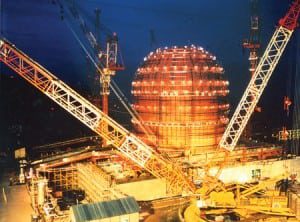
World energy use to surge 50% between 2005 and 2030
Worldwide energy consumption is projected to grow 50% between 2005 and 2030, driven by robust economic growth and expanding populations in the world’s developing countries, the U.S. Energy Information Administration (EIA) said in a reference case projection from its International Energy Outlook 2008 in June.
-
 Coal
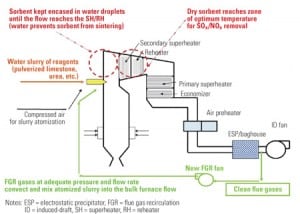
CoalBringing down the cost of SO2 and NOx removal
A twist on an old technique, flue gas recirculation, helps prevent slagging in the upper furnace and convective pass, according to pilot testing recently completed by APTECH CST and the Southern Research Institute. The technology—along with a companion technology for furnace sorbent and urea injection for SO2 and NOx control—could help owner/operators of smaller, older coal-fired plants meet emissions limits at a reasonable cost.
-
 Geothermal
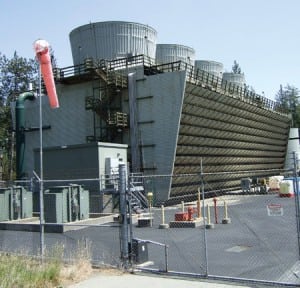
U.S. sees 20% jump in planned geothermal
The U.S., which continues to lead the world in on-line geothermal energy capacity, saw a 20% jump in new power projects since January this year, a survey released by the Geothermal Energy Association (GEA) in August showed.
-
 O&M
O&MManaging software life-cycle issues
Software ranges from shrink-wrapped products available “off the shelf” to custom corporate implementations of enterprise systems that require sessions with shrinks to keep everyone sane. Regardless of its complexity, every piece of software a plant uses, or interfaces to, poses critical issues that require life-cycle management. Although functionality has always been the chief specification for software, plants must pay far more attention to long-term quality issues. These two concerns are often at odds with each other.
-
 Hydro
HydroNew workshop completes first overhaul
In early August, a special transport departed from Voith Siemens Hydro’s Heidenheim workshop bearing the company’s 300-ton, 300-MVA hydro motor-generator back to Schluchseewerk AG’s Wehr pumped-storage station in Germany’s Black Forest.
-
 Coal
CoalFinessing fuel fineness
Most of today’s operating coal plants began service at least a generation ago and were designed to burn eastern bituminous coal. A switch to Powder River Basin coal can stress those plants’ boiler systems, especially the pulverizers, beyond their design limits and cause no end of operational and maintenance problems. Many of those problems are caused by failing to maintain good fuel fineness when increasing fuel throughput.
-
 Solar
SolarScorching asphalt and solar power
Through asphalt, researchers are looking to develop a solar collector that could turn roads and parking lots into ubiquitous—and inexpensive—sources of electricity and hot water.
-
 O&M
O&MRepairing low-pressure rotors with cracked blade attachments
An increasing number of low-pressure steam turbines—especially at supercritical fossil units—have experienced stress corrosion cracking in the blade attachment region of their low-pressure rotors. Approaches to solving this problem range from redesign of the attachment and blade replacement to in-situ weld repair. Regardless of the procedure selected, the solution must completely restore the turbine performance while minimizing outage duration.
-
Business
POWER digest (October 2008)
News items of interest to power industry professionals. EDF and CGNPG create joint venture for Taishan nukes. Électricité de France (EDF) and the China Guangdong Nuclear Power Group (CGNPG) on Aug. 10 finalized a framework agreement made earlier, in November 2007, and formally created a joint venture company to build and operate two evolutionary pressurized […]
-
 Environmental
Gore knows best
Al Gore, self-appointed father of the climate change movement, astonished his most ardent supporters with a plan to produce 100% of the nation’s electricity from renewable energy and carbon-free sources within 10 years. “The quickest, cheapest, and best way to start using all this renewable energy is in the production of electricity. In fact, we […]
-
 Coal
CoalGlobal Monitor (September 2008)
Cost hikes for all things nuclear in the U.S. and UK / North Americans plan liquid makeover for coal / California balloon bill deflates in legislative process / The Lego skyscraper / Of manure and methane / U.S. small wind turbine market moving slowly / Israeli desert center tests solar thermal tech for California desert / POWER digest / Correction
-
 O&M
O&MFocus on O&M (September 2008)
Tackling substandard water sources / Control abrasive wear in scrubber piping / Sensors and final control elements
-
 Legal & Regulatory
Prop 7: California’s illusory promotion of renewable power
This November, as part of California’s eclectic version of participatory democracy, its residents will vote on whether to amend the Solar and Clean Energy Act of 2008. Proposition No. 7 (Prop 7) promises to place the state on “the path to energy independence.” It would require all California electric utilities, including municipals, to procure 50% […]
-
 Gas
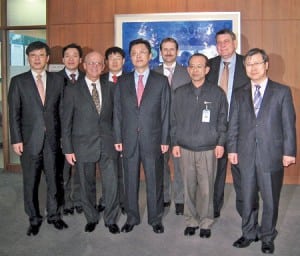
GasBugok II Power Plant, Dangjin County, South Korea
South Korea, one of the “Four Asian Tigers” known for their aggressive economies, is boosting its electrical capacity with the recent addition of the Bugok II Power Plant. Ranked as the top plant in South Korea because of its efficient, environmentally friendly operation, the 565-MW plant is powered by combined-cycle units that burn natural gas. Part of this project’s success derives from the fact that Bugok I and II were the first projects awarded to a foreign company by a South Korean independent power producer.
-
 Gas
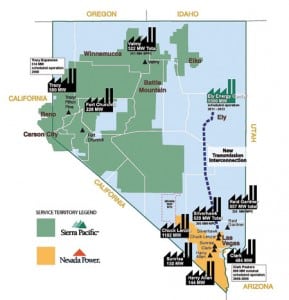
GasFrank A. Tracy Combined Cycle Plant, Reno, Nevada
At 564 MW, Sierra Pacific Resources’ Frank A. Tracy Combined Cycle Plant is the largest power project constructed in northern Nevada in 24 years and will reduce the state’s dependence on expensive power purchases from out-of-state suppliers. The project achieved a significant safety milestone by expending 1.5 million safe work hours during construction with zero lost-time accidents.
-
 Gas
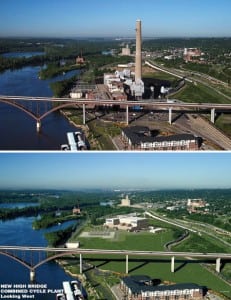
GasHigh Bridge Combined Cycle Project St. Paul, Minnesota
With greenhouse gas caps on the horizon, more U.S. utilities now have another reason–besides tightening air pollution limits–to consider replacing some of their old coal-fired plants with less-carbon-intensive gas-fired capacity. Even local residents are pleased with the results of an Xcel Energy project to do just that in St. Paul, Minnesota. For Xcel, the key ingredient in the recipe for its recently commissioned High Bridge plant was hiring an EPC contractor smart enough to overcome formidable site constraints.
-
 Gas
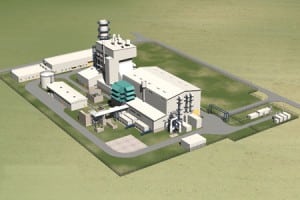
GasKårstø Power Plant, Stavanger, Norway
Power supplies are looking brighter these days in the Land of the Midnight Sun now that the Kårstø combined-cycle power plant has begun commercial operation. Kårstø is Norway’s first commercial onshore gas-fired combined-cycle plant. Combining Scandinavian savvy with German engineering, this 420-MW plant showcases maximum efficiency coupled with minimal emissions.
-
 Gas
GasPort Washington Generating Station, Phase 2, Port Washington, Wisconsin
We Energies’ Port Washington Generating Station Phase 2 is recognized as a 2008 POWER Top Plant for its design innovation and strong teamwork among the owner, contractor, and craft personnel that ensured project completion on time, on budget, and with a stellar safety record. While staying true to its historical roots, the plant will remain a good neighbor and a reliable provider of intermediate-load power to the region for many years to come.
-
 Water
WaterAir-cooled condensers eliminate plant water use
River or ocean water has been the mainstay for condensing turbine exhaust steam since the first steam turbine began generating electricity. A primary challenge facing today’s plant developers, especially in drought-prone regions, is incorporating processes that reduce plant water use and consumption. One solution is to shed the conventional mindset that once-through cooling is the only option and adopt dry cooling technologies that reduce plant water use from a flood to a few sips.
-
 Water
WaterWet surface air coolers minimize water use by maximizing heat transfer efficiency
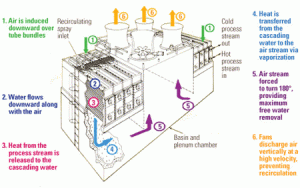
Gas-fired power plant designers and operators are increasingly challenged to reduce their plants’ water consumption and improve their thermal efficiency. Closed-loop, evaporative cooling systems (known as wet surface air coolers, or WSACs) are a cost-effective heat transfer technology that can simultaneously achieve both goals. In addition to providing lower-temperature cooling and condensing while requiring less space and horsepower than conventional systems, WSACs can use poor-quality water as spray makeup.
-
 Environmental
EPA’s air program: Still hazy after all these years
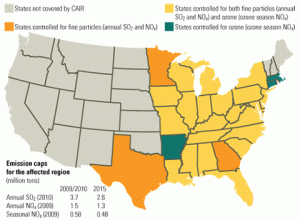
While the Bush administration is winding down during its final year, several of its major air pollution initiatives have recently unraveled. These casualties were the result of two recent federal court decisions and the Environmental Protection Agency chief’s refusal to regulate greenhouse gases under existing laws. These developments make it plain that any important new attempts to regulate air emissions will have to be made by the next president.
-
 O&M
O&MPut a lid on rising chemical costs
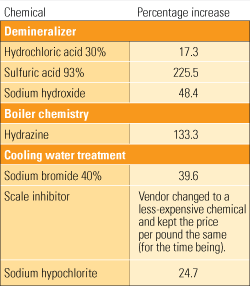
News reports tell us that rapidly growing economies, such as China’s, are importing more oil and raw materials each year, thereby pushing up commodity prices on the world market. One of the side effects of rising commodity prices is considerable increases in the cost of water treatment chemicals. Don’t be tempted to skimp on chemicals to save a buck but risk catastrophic damage. In the words of NASA’s former flight director, Gene Kranz: “Failure is not an option.”
-
 O&M
O&MDeaerator degradation: Managing remaining life and component replacement
Proper attention to dissolved oxygen levels in feedwater is fundamental for long-term equipment reliability, especially in a combined-cycle plant. When equipment approaches its design life, proper use of new analytic tools and technical expertise can identify impending corrosion and erosion problems and provide you with an estimate of remaining equipment life.
-
 Commentary
For the center to hold
As oil prices soar and power prices threaten to follow, our republic’s mix of diverse cultural and economic interests must cooperate to achieve our common goal of energy self-sufficiency. Those interests seem to fall into one of four main groups—policy, corporate, finance, and technical innovation—each seeking to control the direction of our nation on major […]