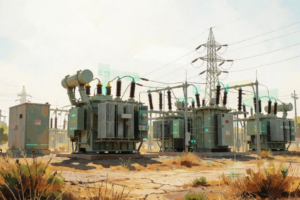
Severe weather conditions have become constant. Cyclones, storms, heatwaves, floods, and droughts continue to put critical infrastructure, homes, livelihoods, and lives at risk in the U.S. and around the world.
Heat waves and droughts are the second-deadliest weather category, causing critical infrastructure instability, power line inefficiency, thermal sagging, and overloaded transformers that can lead to load shedding or automatically shut down critical systems. The Cybersecurity and Infrastructure Security Agency (CISA) recorded 2023 as “the fifth-warmest year in the 129-year record for the country as a whole.”
COMMENTARY
Nationwide, heat waves turning into heat domes are becoming annual occurrences as the frequency of high-temperature days and peak heat conditions rise year over year.
Monitoring Solutions for Critical Infrastructure Operations
According to the N1Critical stats, interrupted operations at healthcare facilities cost more than “$600,000 per hour ($7,500/minute) with delayed care, emergency diversions ($8,000–$13,000/hour), and lost surgical volume.” Interruptions in manufacturing facilities can cost an average of about $260,000 per hour with “halting production lines and idle labor.” In data centers, downtime costs range between “$300,000 to $540,000 per hour ($9,000/minute), driven by customer churn, data recovery, and SLA penalties.”
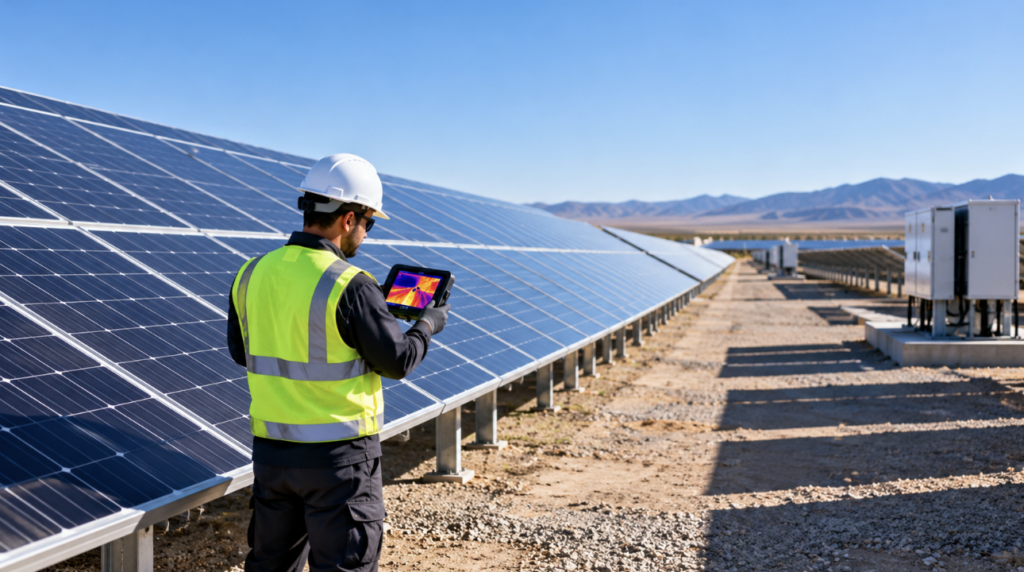
To maintain uninterrupted operations, critical infrastructure organizations need solutions that can provide proactive monitoring and alerting of all key components in mechanical and electrical systems. Continuous monitoring provides engineers and operators with real-time views of equipment and systems and ensures optimal operations regardless of outdoor conditions.
IIoT and SCADA platforms enable teams to monitor and analyze data from different sources over time with real-time alerts and actionable insights that expedite tactical equipment repairs without on-site manual equipment and systems inspection. Live data reports also help detect and address deviations from standard conditions before equipment failures. This allows engineers and operators to proactively deploy resources as needed to prevent downtime.
Extreme Heat Jeopardizes Grid Stability
Extreme heat not only drives electricity demand to record highs; it also dramatically strains all aspects of the grid. Surging temperatures affect the entire infrastructure ecosystem, starting from power generation plants and extending to local distribution lines.
When grids are strained, demands increase, and systems’ efficiencies drop as grid operators face near-record loads. With air conditioners, electric vehicles (EVs), and other energy-intensive systems operating continuously in both residential and commercial settings, electricity consumption surges, increasing demands on the power grid. Extended high temperatures also decrease the efficiency of transmission lines, transformers, and substations, which need higher energy levels to power in-house temperature-sensitive industrial cooling systems.
This past July, an hourly peak load in the Electric Reliability Council of Texas (ERCOT), the regional transmission organization serving most of Texas, broke a record of 91.1 gigawatts (GW), according to data reported by Hourly Electric Grid Monitor. The PJM Interconnection, the grid serving 67 million customers in 13 mid-Atlantic states, reported that power demand hit 162 GW around 6 p.m. on July 2 — the second-highest level ever recorded by PJM.
To avoid blackouts, local utilities and cooperatives nationwide issue public alerts requesting their utility customers to stop using major appliances and conserve electricity during peak afternoon and evening hours. Commercial consumers are requested and, in some cases, mandated to shed load during peak periods. The U.S. Department of Energy has authorized emergency orders that allow grid operators to direct large energy users like data centers to switch to backup generation supplies before declaring severe emergency alerts.
Preemptive Safeguards of Critical Infrastructure
With frequent, longer-lasting heat waves, organizations must consider comprehensive monitoring systems that can integrate seamlessly across portfolio sites, existing systems, and devices. To avoid costly consequences, operators can be preemptive with preventive maintenance of legacy and new equipment, systems, and devices to eliminate major failures and costly shutdowns.
A failure in the cooling system can cause equipment to overheat, resulting in a controlled shutdown to prevent complete equipment failure. When equipment goes down, services to end-users at data centers, telecom towers, utility distribution centers, and other locations will lag, interrupting or delaying automated and digitized services like banking, fueling your vehicle, internet searches, or using electrical appliances.
Ongoing heat waves also cause load increases in operational systems. Without constant monitoring of operating parameters and fault indicators, operators risk more frequent maintenance and higher costs. Operating systems at higher loads may seem like a good short-term solution, but it increases energy consumption and, in the long run, causes premature failure of system components, drastically raising operating costs.
Organizations with new mechanical systems should consider a redesign to optimize operational efficiency in higher ambient temperatures. Operators must closely monitor newly installed high-efficiency mechanical systems and existing HVAC and cooling configurations, which can’t handle rising ambient temperatures without a complete redesign.
Rising temperatures decrease the efficiency of air-cooled condensers. And since newer systems operate with tighter tolerances, their performance can drop more rapidly with increasing ambient temperature limits. To prevent thermal overload, modern equipment needs adjusted refrigerant charges and precise airflow. Upgrading fans and ductwork can improve higher air volumes and heat rejection capability.
Engineers designing systems must consider their equipment limitations relative to overall system capabilities. To avoid system failures during extreme weather conditions, engineers should:
- Use regionally updated weather data when calculating their cooling loads. Historical weather averages are unreliable as conditions shift drastically.
- Choose units with wider coil surface areas for ambient operations to help upsize condenser capacity to meet rising heat waves.
- Better ventilation, in mechanical rooms or rooftop airflow, can release trapped heat that accumulates around equipment.
- Optimize controls by using smart staging controls to manage compressors with multi-stage or variable speeds.
Drastic weather conditions are becoming common. Protecting critical infrastructure during such periods can be managed with real-time data monitoring solutions that track all connected equipment and systems and allow preemptive measures to ensure uninterrupted operations.
—Dave Schaible is COO of Radix IoT, with three decades of experience in the automation, controls, and monitoring industry, specializing in data centers and mission-critical facility applications.