
West Virginia Gov. Patrick Morrisey said major state electric utility Appalachian Power will invest $17 billion to build new natural gas-fired power plants in the state. The Republican governor on November 12 also announced that the generator is making a separate $7.5-billion commitment to upgrade existing coal-fired power plants in the state.
“West Virginia has some of the greatest energy resources in the country, and our people should benefit from them,” said Morrisey on Thursday. “Families are struggling with rising costs, and too many are seeing more of their paychecks consumed by electric bills. We’re tackling that problem from both directions, helping families reduce their energy use while increasing the supply of affordable, reliable electricity.”
Said Morrisey, “Power bills will not go up; they must not go up because of these new additions. And we’ve been assured that they will not. And I will look to enforce that any way I can.”
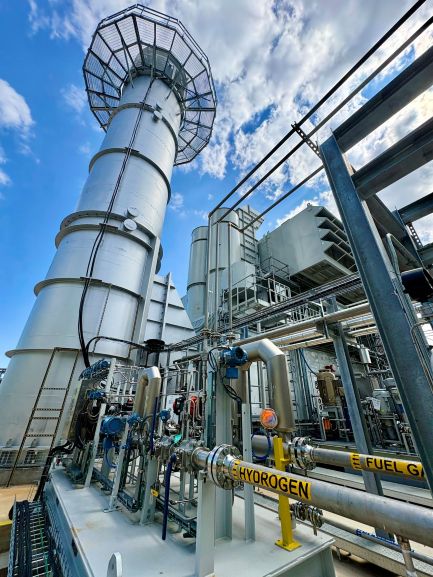
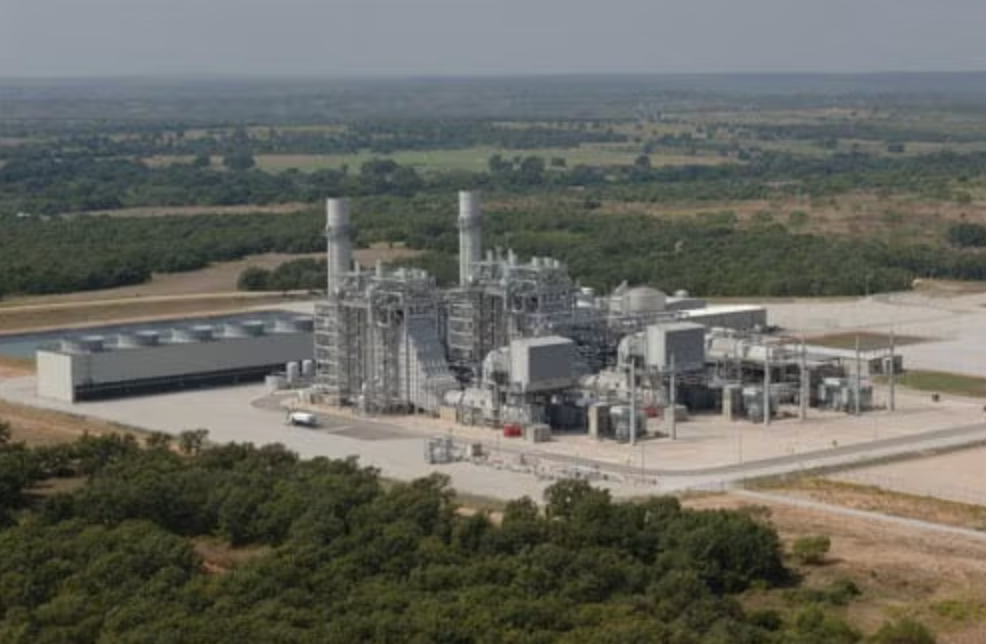
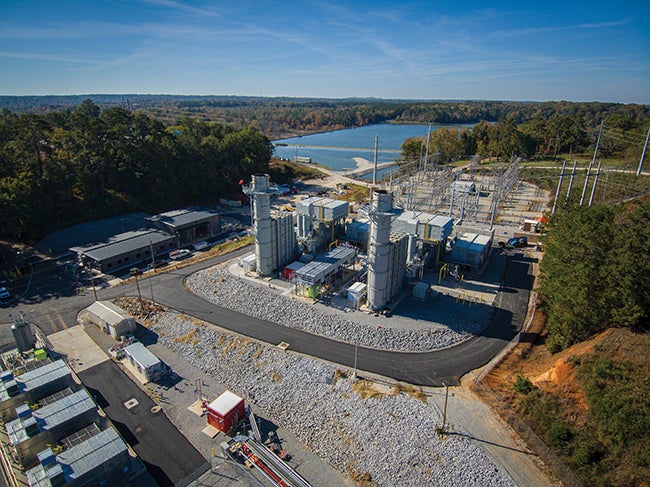
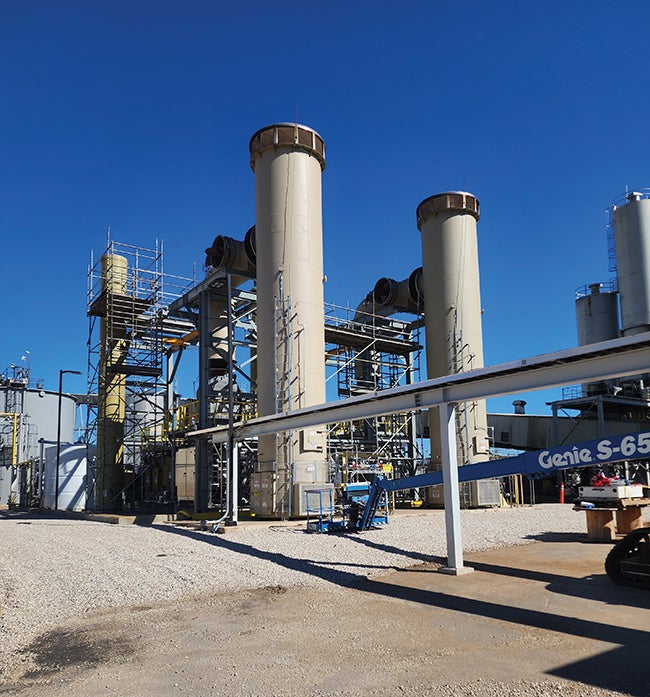
Appalachian Power’s $17-billion investment is expected to add about 3 GW of gas-fired generation capacity by 2031. Officials said building new power plants will create more than 2,000 jobs during construction, along with about 100 permanent positions at the facilities. Morrisey in a video announcement of the investments said there are three plans for new power plant projects that will be “geographically dispersed” across the state. He said the locations of the facilities, along with other details, would be announced later.
Major Commitment for New Generation
Thursday’s announcement is considered the largest commitment for the addition of new power generation capacity in the state since the early 1970s, when plans were unveiled for the 2.9-GW John Amos Power Plant. The coal-fired Amos plant, the largest power station in American Electric Power’s fleet, entered service from 1971-1973, and is expected to continue operating at least through 2040.
Appalachian Power said its $7.5-billion commitment is for upgrades to coal-fired power plants between now and 2050. The company owns three coal-fired power stations in West Virginia: John Amos in Winfield, the 1.3-GW Mountaineer in New Haven, and the 1.6-GW Mitchell in Moundsville.
The governor’s office has said the work announced Thursday is related to Morrisey’s ratepayer protection pledge, which is meant to ensure that costs for new power generation infrastructure in West Virginia are not passed on to residential and business electricity customers. Officials have said that electricity prices will not rise due to the work.
Morrisey, who took office in January 2025, launched his “50 by 50” initiative in September of that year. The program, which aims to triple the amount of power generation capacity in the state, from about 16 GW to 50 GW, to date has announced an additional 11.67 GW of capacity—about one-third of the amount needed to hit the 50-GW target. The $17-billion investment announced Thursday brings total private-sector investment in West Virginia to $113.6 billion in the past year, according to the governor’s office.
“While other states are restricting energy production and retiring reliable power plants, West Virginia is increasing its energy supply,” said Morrisey. “By protecting our existing generation and building the capacity we’ll need for decades to come, we will strengthen reliability, create good-paying jobs, and work toward more affordable electricity for West Virginia families and businesses.”
Google Program
Among those investments is Google’s $10-million Energy Impact Program, which includes an initial $1-million investment through the West Virginia Office of Energy to help families in six of the state’s counties make home repairs necessary to qualify for energy rebates. The money also supports energy efficiency efforts for local governments and nonprofits groups in the state.
Officials said more than 1,400 state residents have applied for Home Energy Rebate programs since their launch just more than one month ago. Other Office of Energy programs are directing funds toward power grid upgrades to improve electricity reliability, along with putting money toward energy efficiency improvements that will benefit nonprofit organizations and local governments.
West Virginia’s generation capacity buildout includes projects such as FirstEnergy subsidiary Mon Power’s proposed 1.2-GW combined-cycle natural gas-fired plant at the Fort Martin station near Maidsville in Monongalia County. That facility, with an estimated cost of $2.5 billion, is projected to open in late 2031.
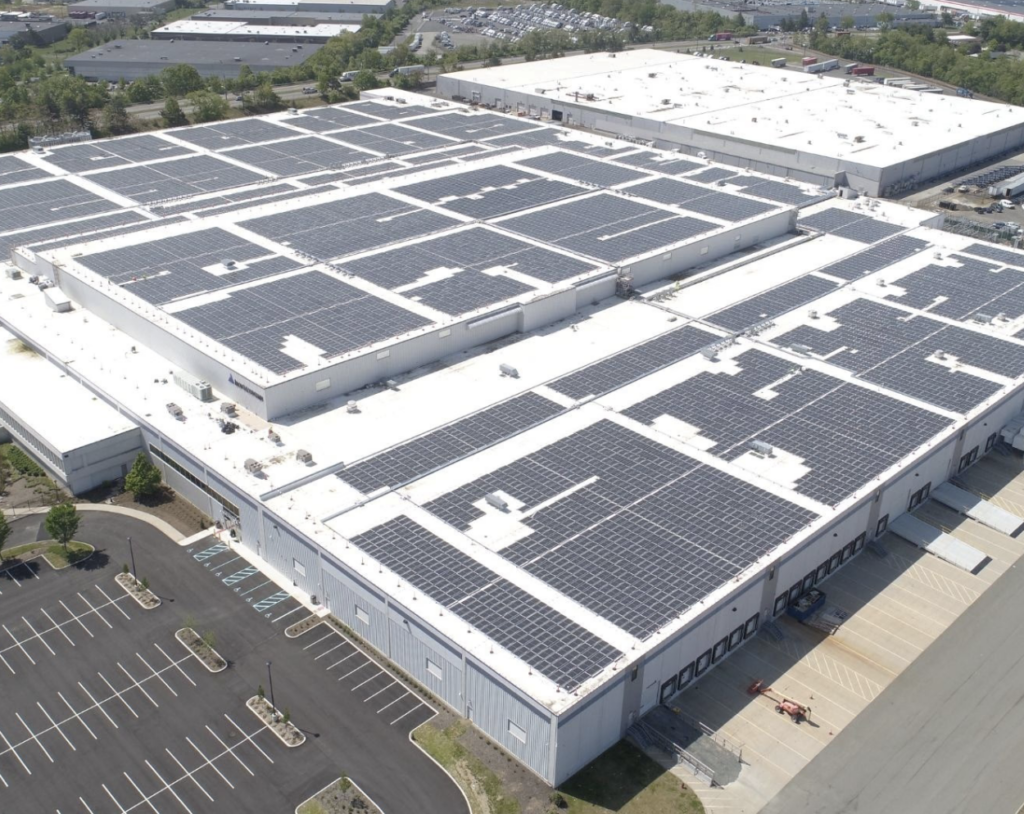
Competitive Power Venture’s Shay Energy Center in Doddridge County, a planned 2.1-GW combined-cycle natural gas-fired plant, is scheduled to start construction next year. In addition, Mon Power and Potomac Edison have advanced smaller solar generation installations that include about 70 MW of generation capacity across Preston, Hancock, and Tucker counties.
Kindle Energy earlier this year broke ground for the Wolf Summit Energy project, a 600-MW combined-cycle gas-fired station in Harrison County. That project is supported by Blackstone and will serve customers of Old Dominion Electric Cooperative.
—Darrell Proctor is a senior editor for POWER.