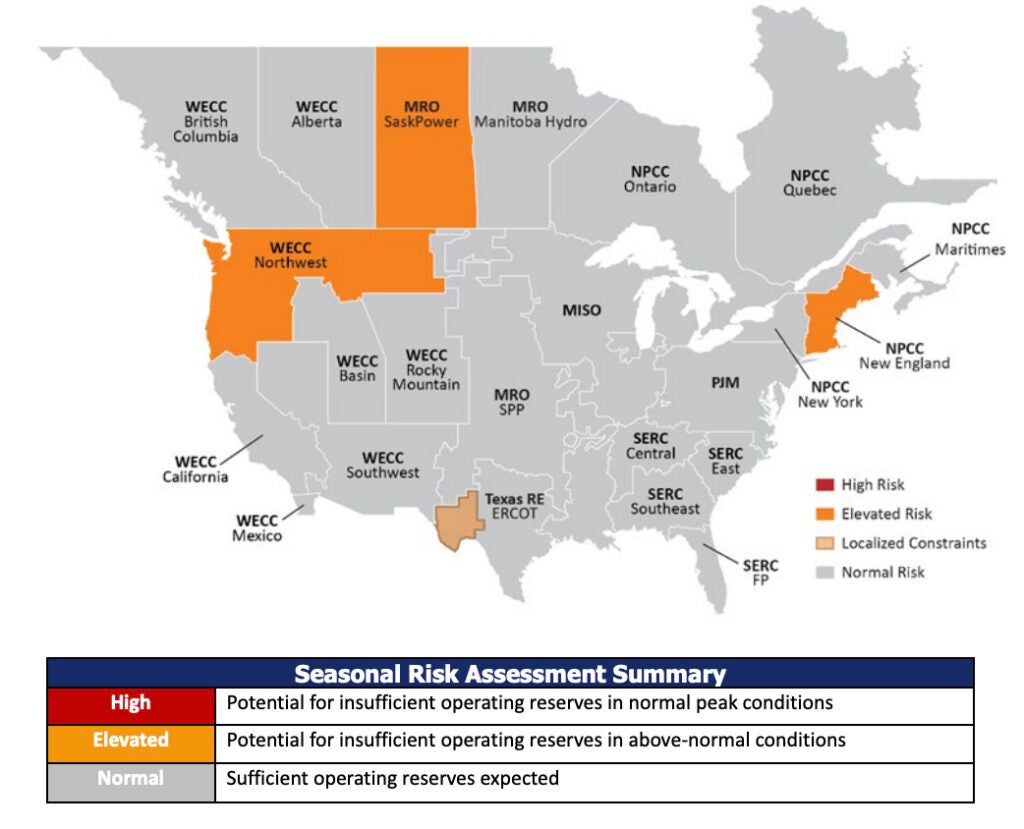
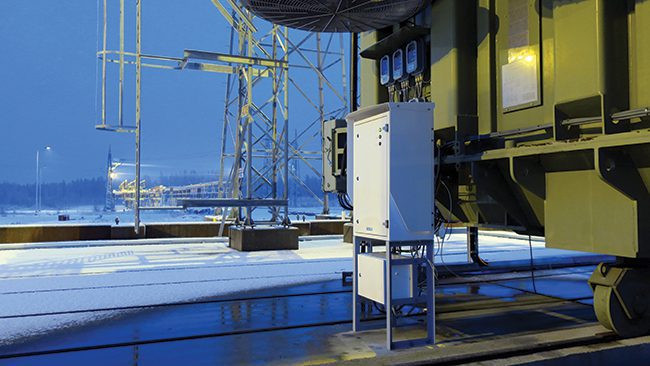
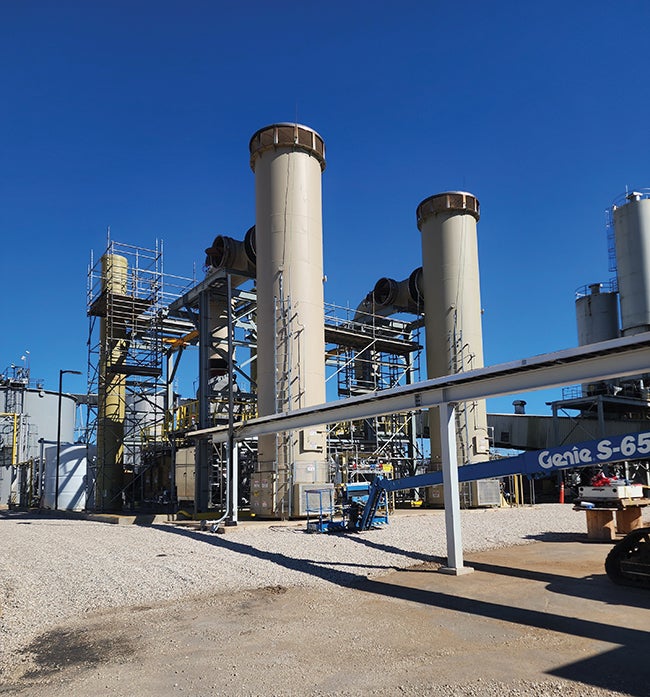
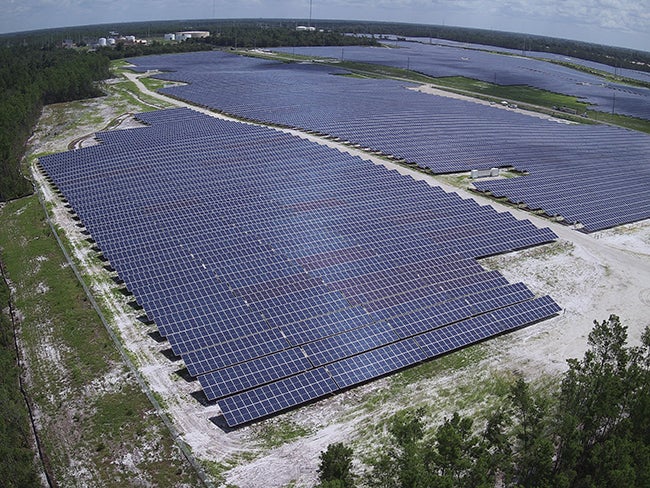
A high-voltage insulator can look unchanged for years while its operating environment steadily alters the conditions on its surface. Salt carried inland from a coast, industrial residue, road dust, moisture, ultraviolet radiation, and repeated weather cycles create an exposure history that can influence electrical performance and maintenance demands long before an asset reaches a predetermined retirement age. As utilities prepare for sharply rising electricity demand, including the 224-GW increase in summer peak demand that the North American Electric Reliability Corporation (NERC) projects over the next decade, keeping existing infrastructure reliable while adding new capacity has become an increasingly consequential asset-management challenge.
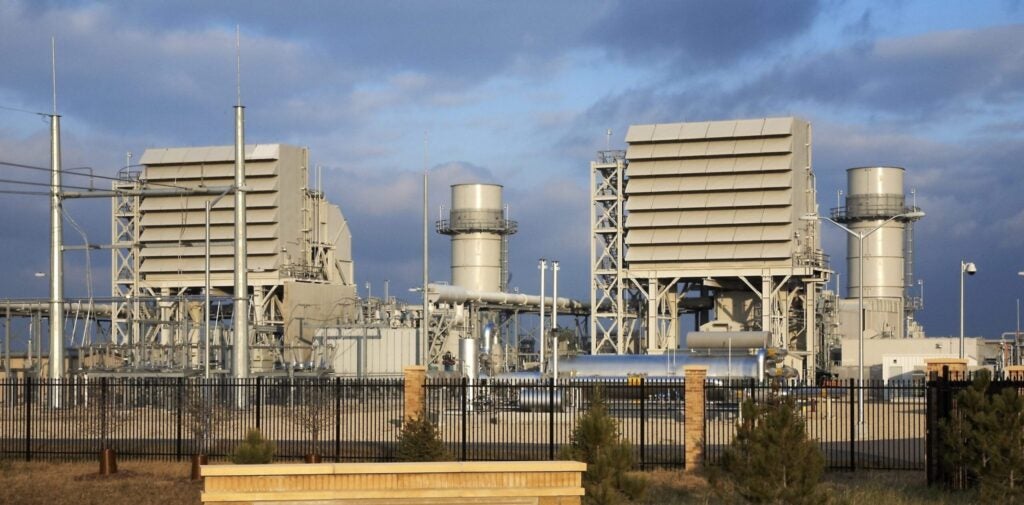
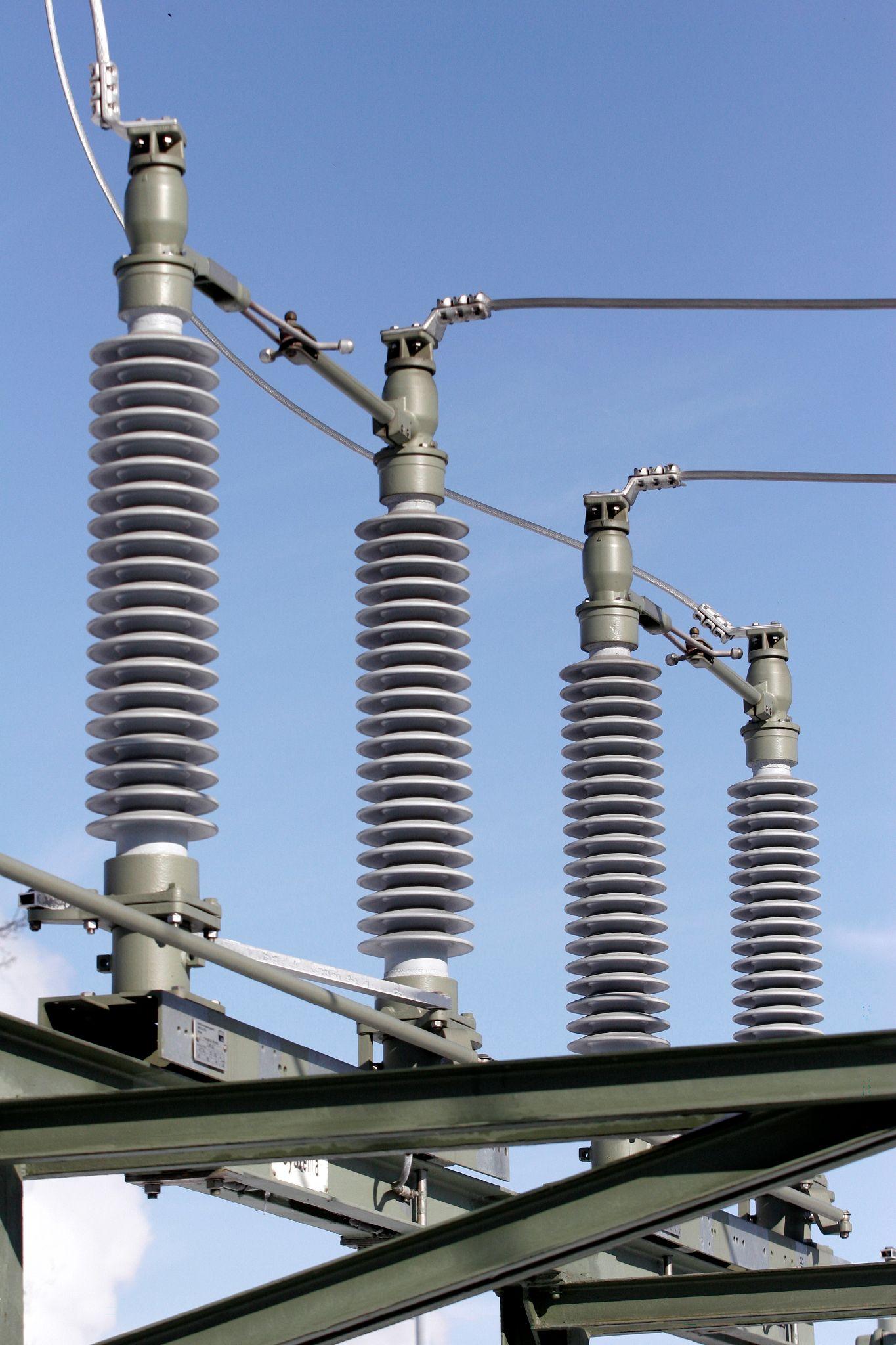
For outdoor insulation, that challenge requires more than counting years in service. Utilities need to understand how local environmental conditions interact with insulation surfaces, when routine maintenance remains appropriate, when a surface treatment may improve performance, and when replacement deserves consideration. That is why utilities should examine those choices through the lens of materials behavior, particularly for porcelain and glass insulators that remain common across transmission and distribution systems (Figure 1). Understanding the mechanisms behind surface performance can help asset owners match the response to the actual problem and carry lessons from existing equipment into future specifications.
When Contamination Becomes an Electrical Problem
Outdoor insulation operates in an environment that continually deposits material on exposed surfaces. Salt, dust, industrial pollutants, and other contaminants settle on sheds and housings, while fog, dew, rain, and humidity introduce moisture. The electrical risk can rise when moisture interacts with conductive contamination and creates conditions that support leakage current across the surface. Coastal corridors, industrial areas, and other locations with frequent wetting or heavy contamination can therefore place persistent demands on outdoor insulation.
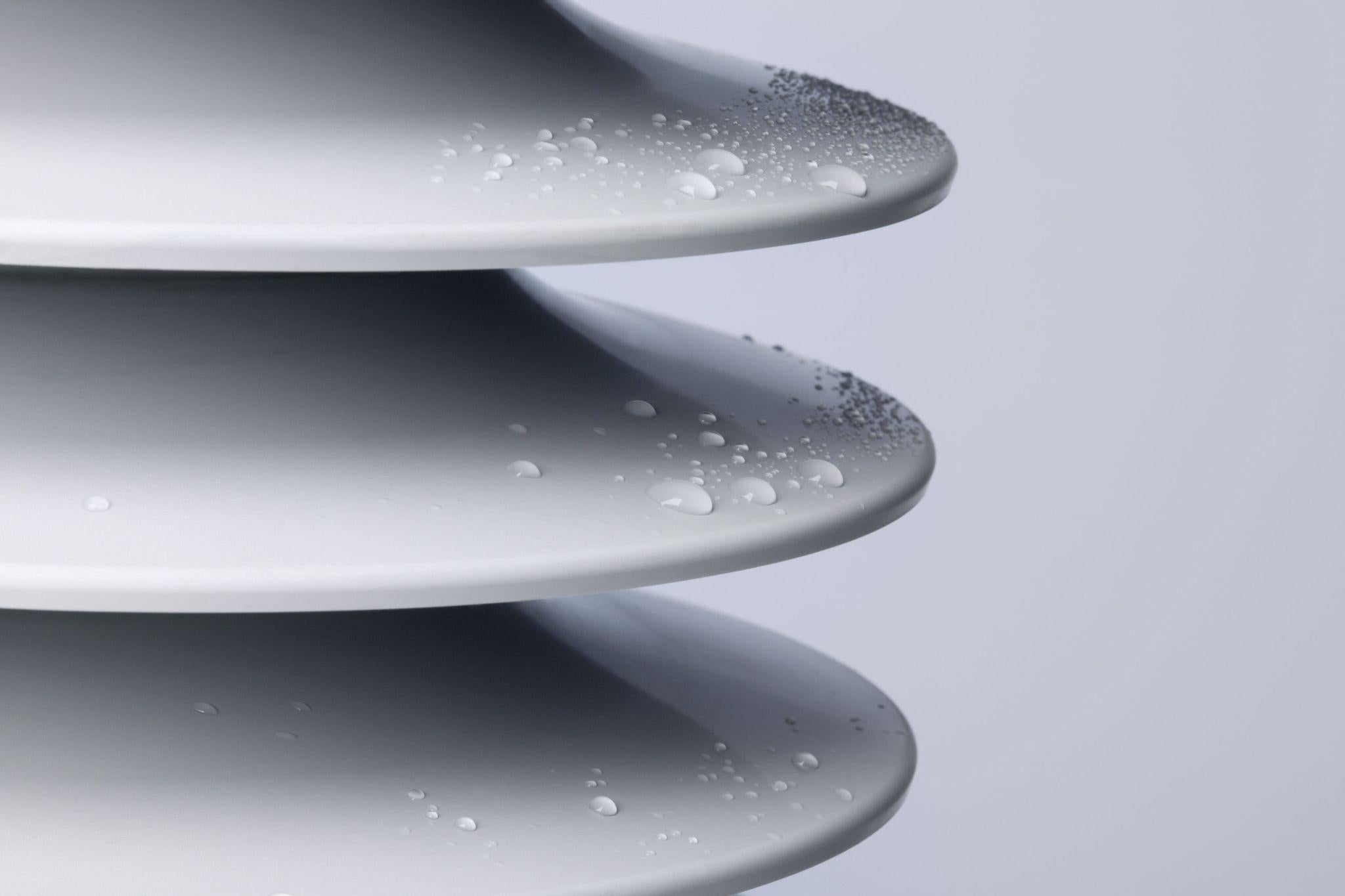
Surface wetting behavior deserves attention alongside voltage class, mechanical loading, and geometry. Hydrophobic materials encourage water to form droplets rather than spread readily into a continuous film, which can interrupt conductive pathways across the surface. Current IEC guidance for high-voltage polymer insulators used in polluted conditions recognizes hydrophobicity-transfer materials as a factor in selection and dimensioning, reinforcing the role that surface behavior can play in contaminated environments.
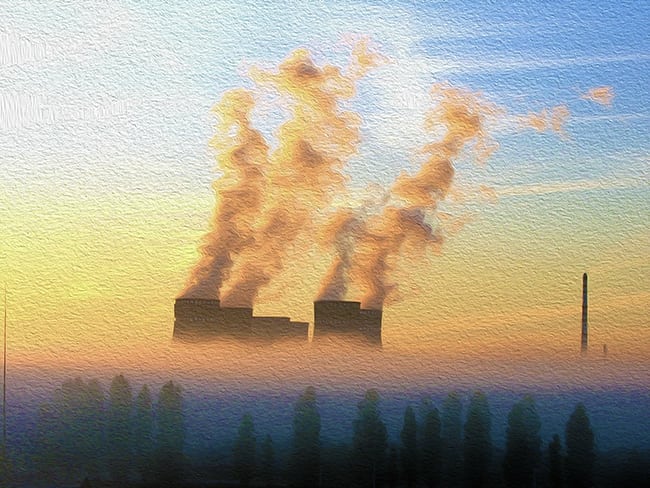
Silicone elastomers have become established materials for outdoor high-voltage applications because their surface characteristics can support hydrophobic behavior (Figure 2) while the material also offers resistance to ultraviolet exposure, ozone, and weathering. Those properties do not replace sound equipment design, qualification, inspection, or maintenance. They influence how the exposed surface responds to the environment around it, which becomes especially relevant where contamination and moisture repeatedly occur together.
Look at the Environment Before the Calendar
Asset age remains useful information, yet operating history often explains why nominally similar equipment develops different maintenance profiles. A porcelain insulator operating near saltwater can face a much different surface environment from the same design in an inland location, while equipment near industrial emissions may accumulate conductive residue at a different rate than equipment in a cleaner corridor. Elevation, prevailing winds, seasonal moisture, and nearby activity can create meaningful variation even within one utility territory.
Maintenance and operating records can reveal those patterns. Repeated washing, recurring contamination buildup, flashover history, visible changes in surface condition, and unusually short maintenance intervals can help identify locations where the environment places persistent demands on insulation. Utilities already collect much of this information through normal operations, and bringing it into asset planning can help teams determine whether recurring problems primarily involve surface conditions or whether broader deterioration affects the component.
That assessment changes the available response. An insulator that continues to meet its structural and electrical requirements yet demands frequent cleaning because of its environment presents a different decision from equipment with mechanical damage, compromised interfaces, or requirements that the original design can no longer satisfy. Surface condition belongs inside the larger asset evaluation and should inform the broader condition assessment.
The value of that history increases when engineering, operations, and maintenance teams interpret it together. A recurring cleaning burden may look routine on a work order, yet repeated interventions at the same site can signal an exposure pattern worth examining during asset reviews. Pairing maintenance frequency with location, contamination type, weather conditions, and equipment condition can reveal whether the problem is isolated or systemic. That broader view can also help utilities prioritize where deeper evaluation is justified, particularly when access, outage scheduling, or crew availability makes repeated intervention increasingly difficult or increasingly expensive over time and where maintenance demands continue to steadily rise.
When Maintenance Is Still the Right Answer
Routine cleaning and inspection remain valid ways to manage contaminated insulation, particularly where buildup develops at a predictable rate and crews can maintain acceptable performance without excessive intervention. Current IEEE guidance on contaminated insulators continues to recognize monitoring, management, and cleaning as established practices. For sites where contamination remains manageable, the underlying equipment performs as intended and maintenance intervals fit operational plans, another material intervention may offer limited practical value.
The calculus changes when the same locations repeatedly demand attention. Access can complicate washing or inspection, outages can constrain work windows, and recurring contamination can consume maintenance resources that utilities need elsewhere. At that point, asset owners may have reason to examine whether changing the surface behavior of otherwise serviceable insulation could reduce the burden without replacing the entire component.
Where a Silicone Coating Fits
Room-temperature-vulcanizing silicone coatings provide an established option for improving the surface characteristics of porcelain and glass insulators. The coating creates a hydrophobic silicone surface over the ceramic substrate, changing the way water interacts with contamination on the insulator. This can help reduce the formation of continuous conductive moisture films in wet or polluted environments, giving utilities another way to address recurring surface-performance concerns when the underlying insulator remains suitable for service.
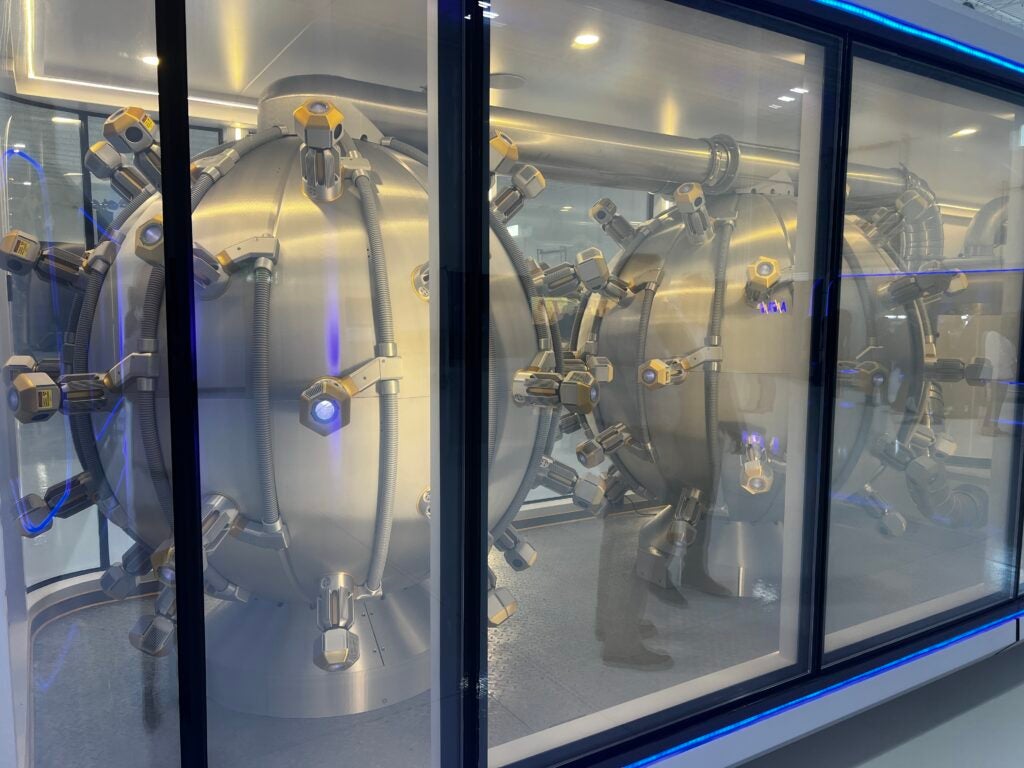
The appeal comes from matching the intervention to the mechanism. If an insulator remains suitable for service but operates where wet contamination creates recurring performance or maintenance concerns, an RTV silicone coating can provide hydrophobic surface behavior without replacing the entire component solely to change that characteristic (Figure 3). This approach can give asset owners another option between repeated cleaning and full replacement when the underlying equipment remains fit for service.
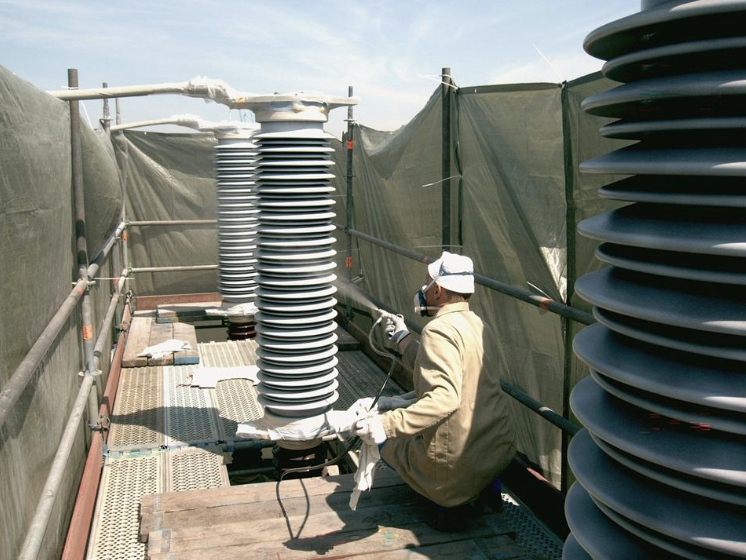
A coating also has clear boundaries. It cannot correct mechanical damage, deficient equipment design, compromised hardware, or an asset that no longer meets system requirements. Surface preparation, application quality, coating condition, and the severity of environmental and electrical stress all influence long-term performance, which is why utilities should treat coating selection, application, and evaluation as engineering decisions rather than cosmetic maintenance steps.
Knowing When the Problem Goes Deeper
Utilities should resist turning any one material solution into a default response. When inspection identifies deterioration beyond the exposed insulation surface, improving hydrophobicity does not resolve the underlying condition. Mechanical integrity, hardware condition, electrical duty, interfaces, and the consequences of failure remain part of the broader asset decision, along with the utility’s established inspection and engineering criteria.
Replacement also creates an opportunity to apply what the existing fleet has already taught the organization. If one corridor repeatedly experiences salt deposition, industrial pollution, persistent moisture, or difficult cleaning conditions, those operating records provide useful information for the next specification. Environmental duty should travel forward with the project instead of disappearing when the old equipment leaves the system.
Using Field History to Specify What Comes Next
Composite insulators with silicone housings offer another approach for new equipment, combining a load-bearing core with an elastomeric housing and weathersheds. Recent industry guidance for high-voltage composite insulators draws on utility field experience, laboratory testing, and manufacturer recommendations, while updated IEC guidance for polymer insulators in polluted environments places greater emphasis on site pollution severity, insulator profile, altitude, and hydrophobicity-transfer materials. Together, those developments reinforce a familiar engineering principle: service environment should shape equipment selection.
For asset owners, the practical lesson extends beyond any one material family. Specifications should reflect the conditions the equipment will actually encounter. Pollution severity, wetting frequency, UV exposure, temperature range, accessibility, and maintenance history can influence the value of different surface and material characteristics. Utilities that have spent years maintaining assets in a difficult location already possess operating evidence that can sharpen those choices and prevent generic specifications from overlooking conditions crews understand well.
That same thinking applies beyond line insulators. Surge arresters, bushings, and other exposed high-voltage components operate at the intersection of electrical duty and environmental exposure. The appropriate material system depends on the complete component design and service conditions, yet the evaluation should begin with a realistic picture of those conditions rather than an assumption that every substation or line segment presents the same challenge.
Treat Environmental History as Asset Information
For aging high-voltage insulation, asset owners should ask what the equipment has endured throughout its service life. Contamination, moisture, and weather leave an operating record that can help explain recurring maintenance, identify locations where surface performance deserves closer attention, and inform the material requirements for replacement equipment. Utilities gain more options when they connect that environmental history to asset decisions.
Some equipment will continue to perform with conventional inspection and cleaning. Some otherwise serviceable porcelain or glass insulation may benefit from a hydrophobic surface coating, while assets with deeper condition or duty concerns may warrant replacement. In each case, the strongest decision starts with the same discipline: understand the actual environment, identify the mechanism creating the problem, and carry those lessons forward into the next generation of grid infrastructure.
—Dr. Nicolas Imlinger is senior director of Energy & Industrial Silicones for North and Central America at Wacker Chemical Corporation, where he leads a regional business focused on silicone technologies for electrification, infrastructure transformation, and industrial applications. During more than 20 years with WACKER, he has held leadership roles in Germany and the U.S. spanning innovation, market development, strategic growth, and business operations. He earned his doctorate from the Faculty of Chemistry and Mineralogy at Leipzig University.