U.S. electricity customers averaged 11 hours of power interruptions in 2024, and major events accounted for 80% of that time, according to the U.S. Energy Information Administration. In recent years, Hurricane Helene left South Carolina residents without power for nearly 53 hours; in August of this year, Gary, Indiana, residents went nearly two weeks without power after severe storms knocked out service. For solar-plus-storage owners, those are someone else’s numbers. The one that counts gets measured at their address, on the day the utility drops.
A system can spend almost all its life running normally on the grid, but functionality when the grid goes down stays unproven until the day it’s needed. A battery capacity figure tells the owner nothing about how it will work off-grid, and neither does a “backup-ready” label.
The Load Promise: What the System Owes the Owner
Power and energy support different parts of backups. Power caps what can run and energy determines run length. A design that confuses the two can look adequate on paper yet fail the owner during an outage.
 |
|
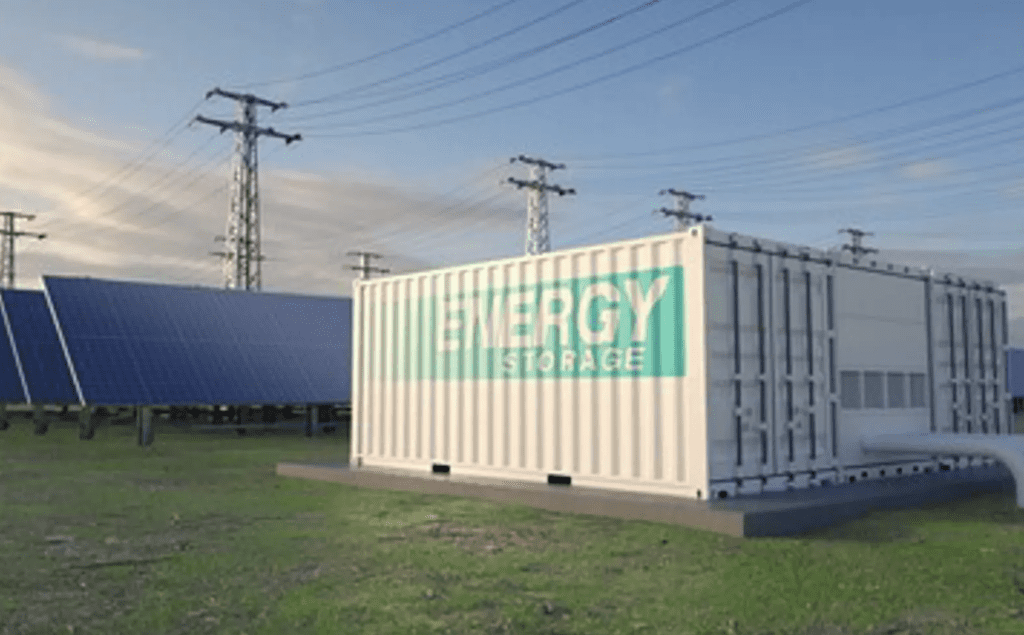
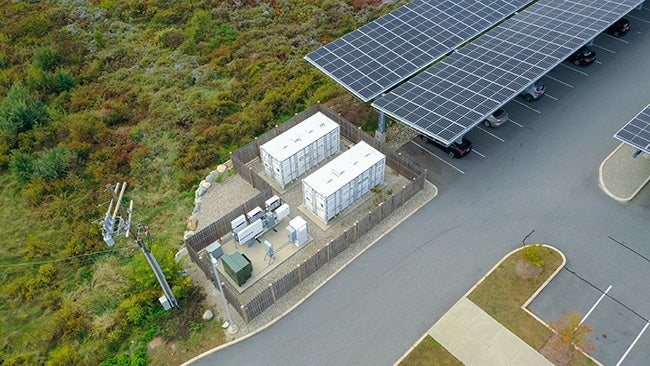
1. Solar panels harness sunlight to generate clean electricity and support grid disruptions, but only if support systems are designed properly. Courtesy: Fluke |
Good system design (Figure 1) should identify the circuits and equipment that matter. In homes, that means refrigeration, Wi-Fi, lighting, controls, pumps, and heating or cooling. Small commercial sites add point-of-sale equipment or process controls to the same core. Regional differences matter too; a design for a house in the Northeast with no air conditioner differs from one in Arizona, where cooling can be the biggest load. The power from starting current, stepped loads, and equipment controls can create demands an annual energy estimate never show.
The owner’s record should state the supported loads, expected duration, priority order, operator actions, reserve assumptions, and explain what happens as stored energy falls. Written down, it avoids misalignment from the designer, installer, and owner at handoff.
Follow the Complete Change of State
Grid loss changes the role of solar-plus-storage systems, making the building an islanded off-grid system throughout the outage. This takes six steps: detect the loss, safely separate from the utility supply, establish a local voltage and frequency reference, bring solar generation into the island, serve the prioritized loads, and keep protection and monitoring alive.
A battery inverter or another grid-forming source can establish local reference. Most conventional grid-tied photovoltaic (PV) systems without batteries are designed to stop supplying power when the grid is absent. Daylight changes nothing: the sun can blaze on the array all afternoon without pushing a watt into the building.
State of charge, load shedding, and monitoring are additional pieces of this sequence. An owner should know what load the system will shed first, what notification will appear, and whether any action is expected.
Sunrise is Not a Restart
One failure path belongs in every design review: what happens after the battery hits its lower operating limit. In some AC-coupled architectures, the battery inverter establishes the local grid reference that a separate PV inverter follows. If the battery system shuts down after a long outage, that reference can disappear. When sunlight returns, the PV inverter may have no local grid to follow, leaving the site unable to restart from solar alone.
While this issue has historically been common in AC-coupled systems, newer products include controls or reserve strategies intended to address it. The design review should establish whether the equipment on site behaves that way. It should also identify the reserve policy, recovery sequence after a low-state-of-charge shutdown, how non-essential loads are shed, the manufacturer’s documented restart behavior, and any operator action required.
Installed energy doesn’t mean indefinite operation. A backup design must always account for unpredictability in the days ahead.
Commission the Outage Sequence as a System
Everything to this point is intention. A deliberate outage test converts it into evidence. An outage test requires a planned, simulated grid loss performed by qualified personnel under a site-specific procedure. It must reflect the installed architecture, manufacturer instructions, and utility or authority requirements.
The process of an outage test is as follows:
1. An agreed load promise, representative operating conditions, and an allowed starting state of charge.
2. The team confirms supported loads and watches how the system transfers into its off-grid state.
3. The test covers controller status, alarms, load shedding, solar contribution, energy use, and any trip or notification. Voltage and frequency behavior get recorded as needed.
What does a pass look like? From an owner’s perspective, almost nothing if designed properly. Appliances keep running, and the clearest sign anything happened is a system notification.
Finally, the results should record the load promise, test conditions, measured results, settings, alarms, open items, and owner actions. Retest after work on anything that could affect the sequence including controls, firmware, major equipment, or protected loads.
A credible backup claim has two parts: a defined load-and-duration promise and demonstrated end-to-end behavior against it. Put the outage sequence into design review and prove it at acceptance. That test is the one outage anyone gets to schedule. Every outage after commissioning arrives on its own terms, at whatever hour it picks, and by then the results are already fixed.
—Will White currently serves as the senior product manager at Fluke Corp., where he is focused on driving innovation across solar workflows.