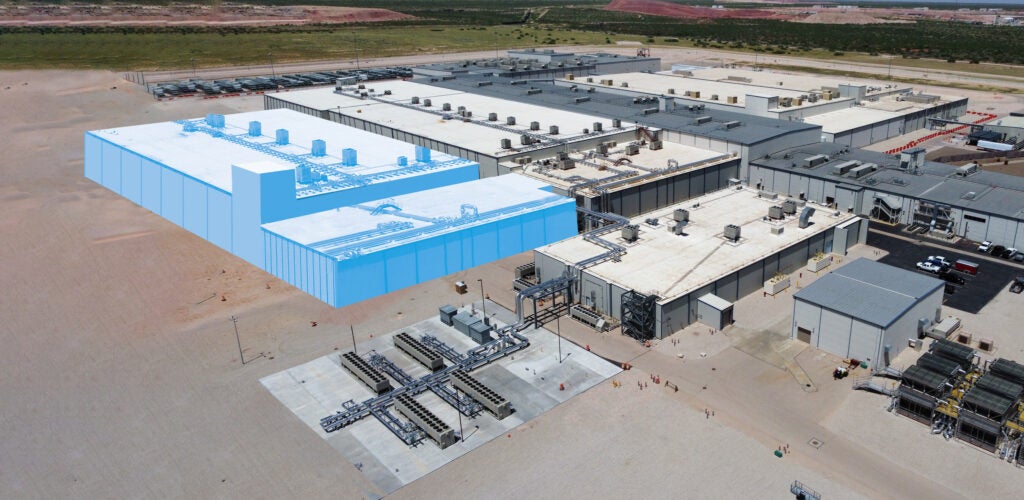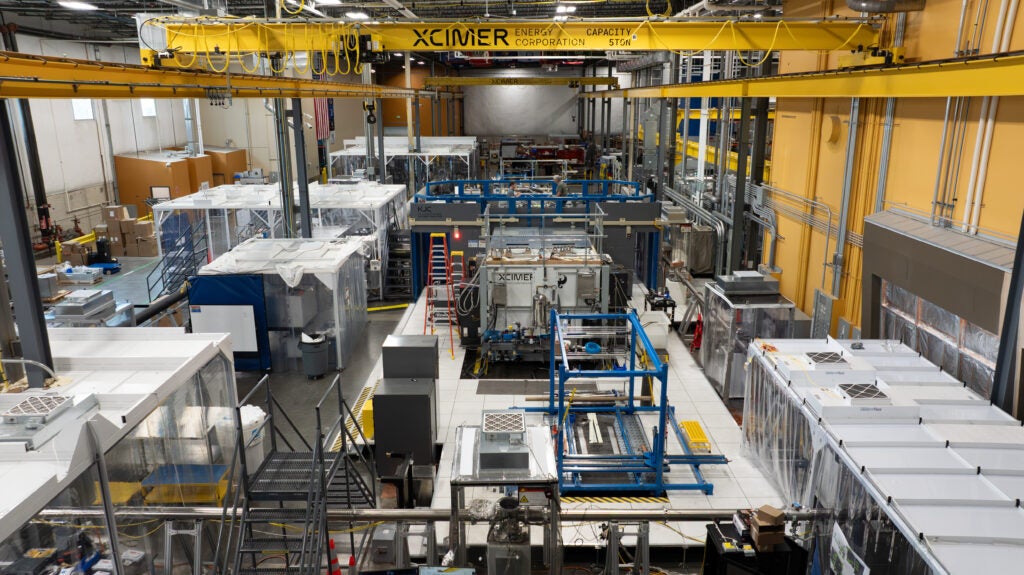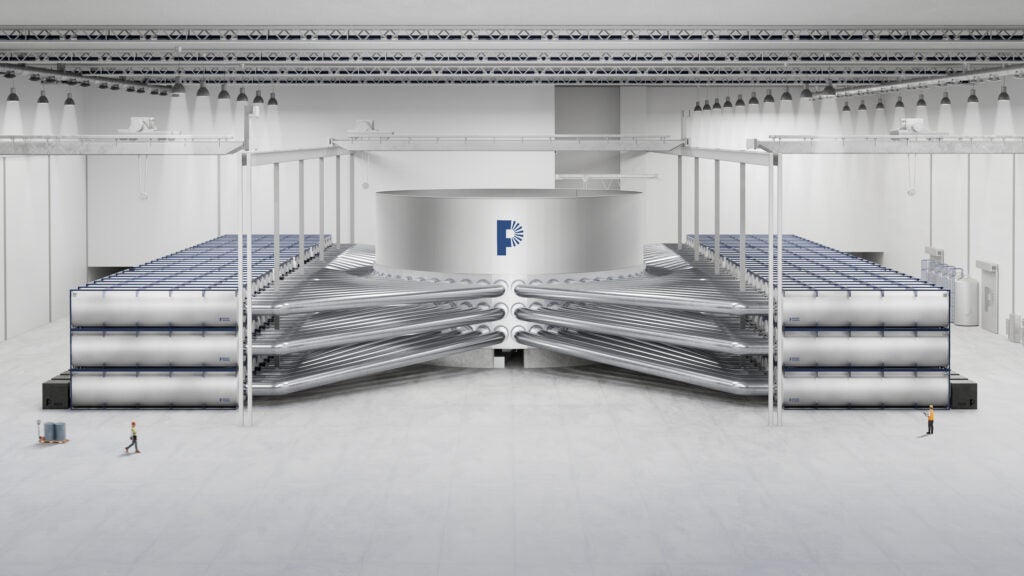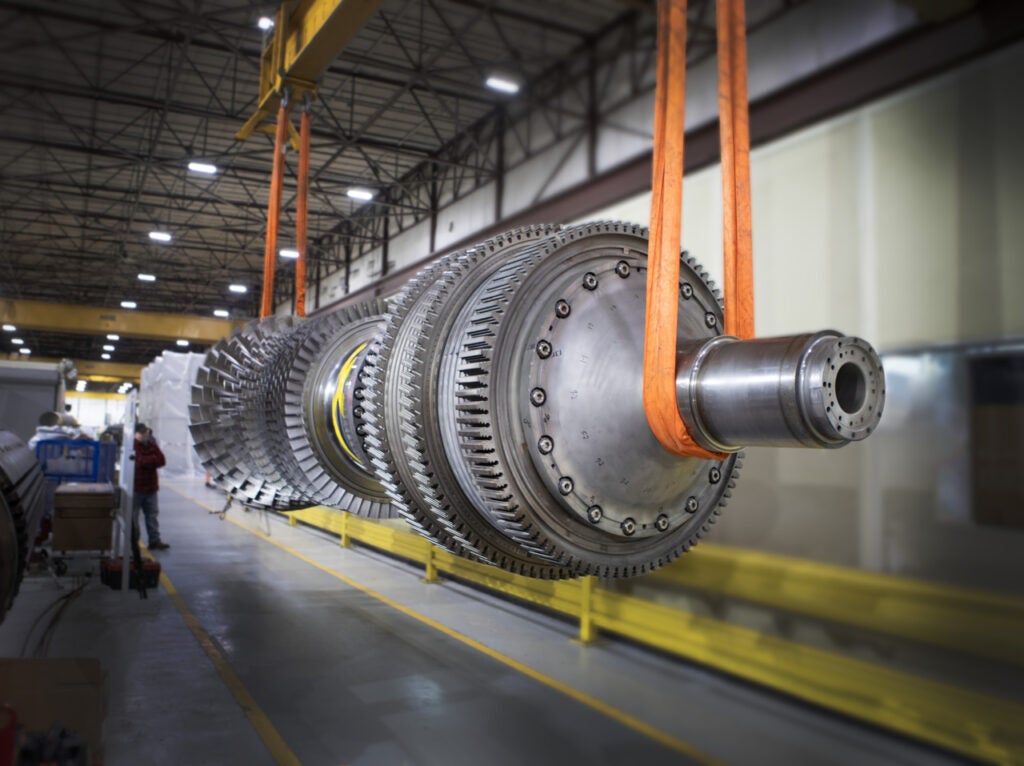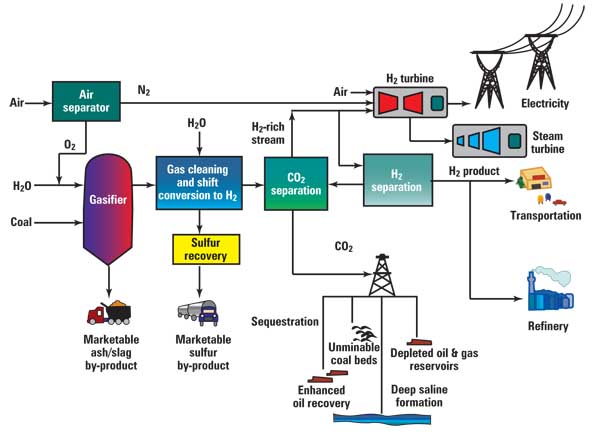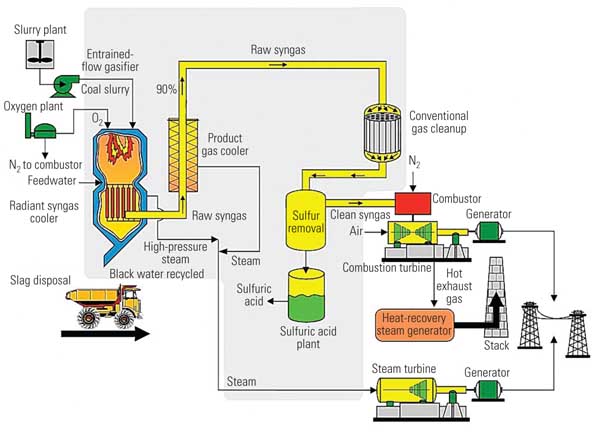

Southern California Edison Co. (SCE) is requesting regulatory approval to recover over $50 million from ratepayers to analyze the feasibility and cost of a "commercial-scale" clean hydrogen power generation (CHPG) facility that would gasify coal to fuel a combined-cycle power plant and sequester the associated carbon emissions underground. If the study demonstrates the CHPG technology to be commercially viable, SCE intends to request the authority to build, own, and operate the facility.
This request to have ratepayers fund an essentially research and development (R&D) expenditure warrants revisiting fundamental industry structures and relationships.
During the era when vertically integrated utilities provided all electric services, ratepayer funding for utility-conducted R&D reflected a natural extension of the monopoly franchise. The absence of a competitive wholesale market dictated that, if regulators deemed investments in energy R&D beneficial to ratepayers, the utility would necessarily conduct the R&D, and ratepayers necessarily funded it. In theory, ratepayer funding made sense because ratepayers would benefit from R&D that enabled the utility to offer better products at lower prices.
Given changes in the industry structure, the question now is whether ratepayer funding of utility R&D remains appropriate.
Who should fund R&D?
Is ratepayer funding for utility-conducted R&D consistent with today’s wholesale competitive market structure? No. SCE’s proposal presupposes that, "[a]s a public utility, [it] is uniquely positioned to be the instrument of public policy needed to advance CHPG technology." Such reasoning ignores 30 years of market transformation that has limited the utility monopoly to distribution service. In light of these changes, regulators should not unquestionably accept ratepayer funding of utility R&D. Rather, they should fully assess whether other funding mechanisms, available through competitive markets and commercial arrangements, promise greater advantages.
In 2006, the New York Power Authority (NYPA) issued a request for proposals (RFP) to procure electric generating capacity from a "clean coal" power plant. NRG Energy won the RFP, obtaining a conditional contract to sell power from a 680-MW integrated gasification combined-cycle plant designed to sequester the related carbon emissions. This approach illustrates how competitive markets can better align incentives related to energy R&D funding. Presumably, NRG’s bid price reflected costs associated with the R&D required to commercialize the technology that was required to fulfill its contractual commitments. If NRG’s R&D investment yields a commercially viable facility, both it and NYPA ratepayers will benefit; if it fails, the developer will absorb the costs.
In contrast, when ratepayers fund utility R&D, they are responsible for the costs, and for the utility "made whole," whether or not the R&D is successful.
There is an alternative. Given the increasing interest in climate change and greenhouse gas–related issues, and Wall Street’s appetite for investing in "green" technologies, additional investors and developers will likely be willing to partner in similar solicitations.
Do ratepayers benefit?
Prior to the current competitve market structure, ratepayers were the direct and exclusive beneficiaries of service improvements and cost reductions resulting from utility R&D that they paid for. Such a scenario provided appropriate cost/benefit equilibrium. This model, however, is no longer functional. Today, competitive markets offer a utility additional opportunities to exploit ratepayer-funded R&D for its own commercial benefit. The existence of these opportunities unfairly tips the benefits of utility R&D to the utility, while ratepayers retain risk and cost responsibility.
If regulators determine that ratepayers should continue to fund utility-conducted R&D, at a minimum, they should also impose rules ensuring that the full benefits of such funding accrue to ratepayers. For example, SCE should make the CHPG technology study results readily available to third-party power producers. That would enable them to compete with the utility on equal footing to build, own, and operate the facility. Under this scenario, the entity best able to construct and operate the CHPG facility at the lowest cost to ratepayers would be awarded the contract. In contrast, allowing the utility to "sole source" construction of a CHPG facility based simply on its "unique position" as a utility would be an anachronistic and unnecessary extension of its monopoly status.
Ratepayer funding of utility-conducted R&D should be recognized as a vestige of a bygone era, in which vertically integrated utilities offered the only R&D game in town.
Is there a better way?
There are several options for ensuring that new technologies are most efficiently studied and developed at the least cost to ratepayers. The New York experience demonstrates that injecting some competitive elements into the game offers opportunities to reduce R&D costs and risks to ratepayers. Competitive markets, in and of themselves, should drive private investment in R&D, as energy technology, development companies, and eager investors seek new opportunities to play in the "clean technology" space.
—Steven F. Greenwald (stevegreenwald@dwt.com) leads Davis Wright Tremaine’s Energy Practice Group. Jeffrey P. Gray (jeffgray@dwt.com) is a partner in the firm’s Energy Practice Group.