In discussing implementation by the California Public Utilities Commission (CPUC) of California’s new renewable energy law, CPUC Commissioner Timothy Alan Simon urged consideration of the economic, technical, and political consequences of the CPUC’s actions: “Renewable energy is a fuel source—it’s not a religion.” The promotion of renewable energy remains critical, but as Commissioner Simon admonishes, public policy and investments advancing renewable energy must be based on sound economics and physics rather than religious incantations.
Searching for solutions to our nation’s persistent and unacceptable levels of unemployment, political, labor, and environmental leaders have religiously embraced the easily accepted, but unproven, assertion that taxpayer investments in a green economy create green jobs. President Barack Obama emphasized the creation of “green jobs” in executing the American Recovery and Reinvestment Act (ARRA). Governor Jerry Brown similarly promised that the California renewable legislation mandate for “green technologies” would create “tens of thousands of new jobs.” California regulators have discriminated against out-of-state renewable resources, rationalizing that such exclusionary practices will promote in-state green jobs. The BlueGreen Alliance, a “partnership of labor unions and environmental organizations dedicated to expanding… jobs in the green economy,” reported that ARRA’s “green investments” as of year-end 2010 had created or saved “nearly 1 million jobs.”
The Energy Industry Is Capital Intensive
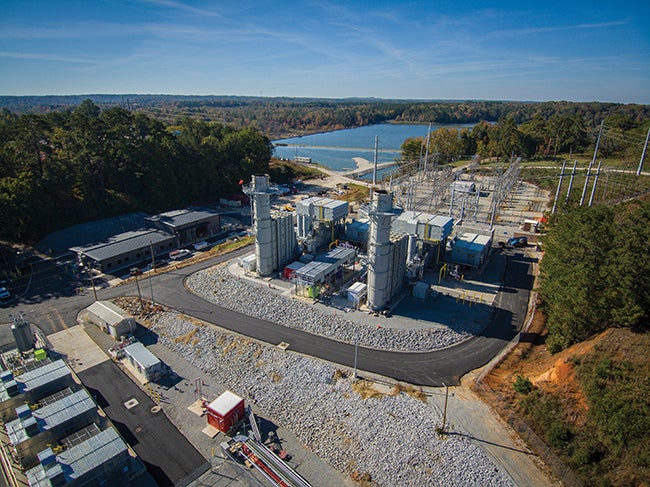
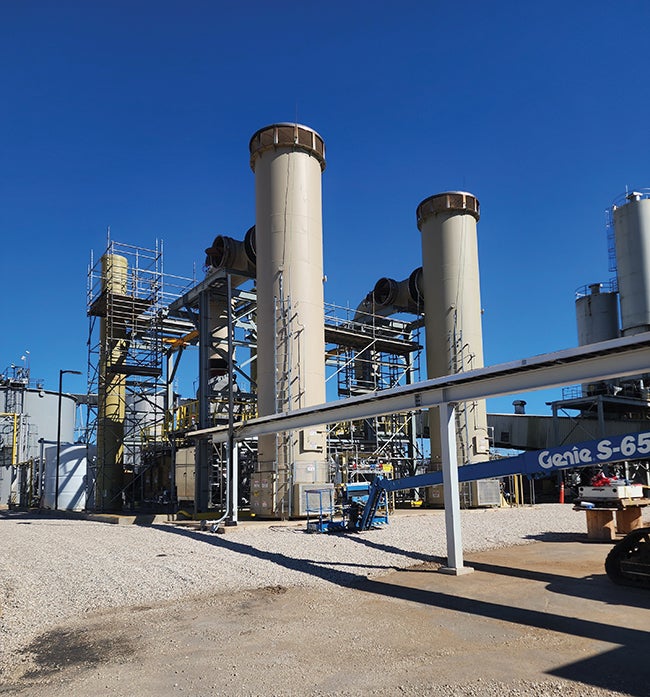
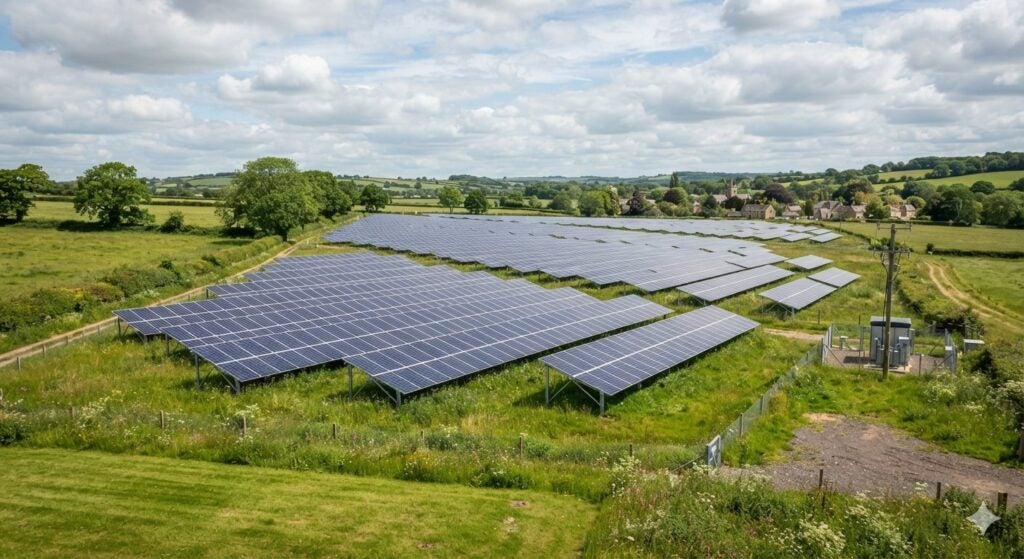
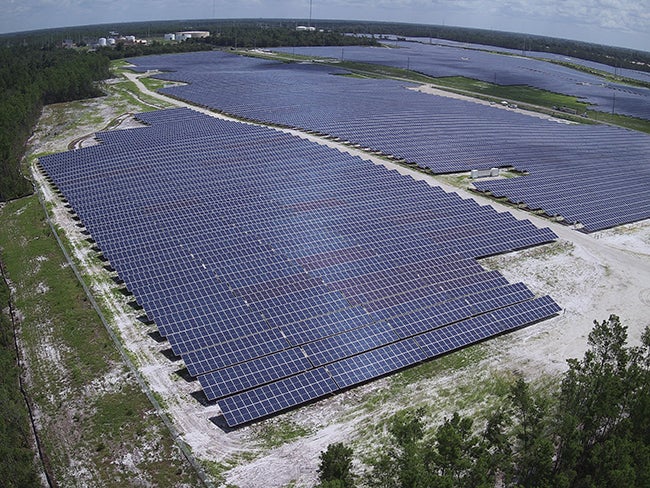
Promises and claims of green job creation ignore the fundamental economics of the energy industry. Regardless of the fuel selected to generate power, energy production is capital, not labor, intensive. The fuel choice has negligible impact on the employment consequences of a new power plant. Construction of a renewable power plant creates construction jobs and the associated “multiplier” effects in the local economy. However, these benefits are transitory and largely undistinguishable from the short-term stimulus any large-scale infrastructure project, such as restoration of highway bridges or the strengthening of levees, provides.
Moreover, green power plants offer only a minute number of long-term employment opportunities. Modern generating facilities, particularly those using renewable resources, can exploit the most advanced technologies with the intent to lower costs by reducing the number of operators. Wind and solar projects can essentially eliminate any labor requirements related to fuel supply. If the objective of energy policy is job creation, we should prioritize new oil and natural gas pipelines, whose construction lasts many years, and nuclear power plants, where safety concerns and associated regulations dictate certain levels of “redundant” employees.
The Green Economy Will Promote Technology Jobs
The commercial growth of renewable power will serve as a catalyst for employment in the development and manufacturing of the technological and physical components of generating facilities. However, there is no reason that these employment gains will be in geographic areas proximate to the renewable generation. Nothing unique about the production of components for renewable power facilities dictates that they be produced within our shores.
The U.S. will attract and retain jobs for producing wind turbines and solar panels based on the same economically competitive circumstances that make the country attractive or unattractive for the production of silicon chips and cell phones. The fact that a job is created by the green economy will not, by itself, overcome the cost, educational, and regulatory impediments that are inhibiting domestic employment in other technological areas.
Sound energy policy is critical to enhancing employment opportunities. Production facilities are increasingly energy-intensive and ever-more dependent on enhanced electric reliability. Our ability to provide reliable energy at competitive prices must be a critical component of any jobs policy. While ideally, in the long term, renewable energy will be a positive contributor to these necessary goals, in the short term, the transition to renewable energy is likely to increase prices and present system operators with unprecedented challenges to maintaining reliability.
In 1973, President Richard Nixon launched Project Independence with the objective that, by 1980, the nation could “meet America’s energy needs from America’s own energy resources.” However, the ensuing decades have demonstrated that achieving such energy objectives demands difficult trade-offs among cost, reliability, environmental, and safety objectives. These dynamics have frustrated our governmental entities in their efforts to implement sustained, integrated, and consistent energy initiatives. Adding jobs promotion as another piece of the energy policy puzzle injects a largely irrelevant, but highly political, distraction.
Renewable energy must remain an indispensable element of our nation’s energy policy and future. We should not expose future generations to the long-term geopolitical and environmental costs of remaining a fossil fuel–dependent society. Green economy proponents, however, should understand that promoting renewable energy as an effective means to combat double-digit unemployment—while politically expedient to enact legislation and win elections—is a risky and inherently short-term strategy. Any inability of renewable power to generate the promised employment growth will be seized by competing politicians to challenge the entire concept of renewable power. Renewable energy is simply too important to be reduced to just another vacuous political slogan.
Renewable power advocates would do better to remember Commissioner Simon’s teaching: Renewable energy is not a religion. The multiplicity of economic and environmental benefits that renewable power offers as a “fuel choice,” independent of illusory promises of “green jobs,” warrant that it remain the critical building block of our nation’s energy future.
— Steven F. Greenwald (stevegreenwald@dwt.com) and Jeffrey P. Gray (jeffgray@dwt.com) are partners in the Davis Wright Tremaine LLP Energy Practice Group.