NTPC Limited, India’s largest electric utility, has signed a power purchase agreement with 247 Solar and will deploy that company’s Concentrated Solar Power (CSP) technology as part of its energy strategy.
The companies on October 15 said it will mark the first commercial project for 247 Solar and its solar thermal tech. The Virginia-based company has said the deal is a milestone as 247 Solar improves on the first generation of its technology, which is designed to overcome the intermittency of conventional solar power.
NTPC said it will test whether 247 Solar’s system can help the utility reduce its reliance on coal-fired power generation as India expands its use of renewable energy. Officials said the project, if successful, would likely enable an expansion of 247 Solar’s technology across India.
Advanced CSP
“This new version of solar thermal solves the problem of intermittent solar and wind power, and avoids spending more on outdated, costly, and dirty coal plants,” said Bruce Anderson, founder and CEO of 247Solar. “India’s rapid growth plainly requires more clean, reliable and affordable energy. Our system can help meet that demand. I’m thrilled that after several years of deep due diligence, NTPC is working with us to bring this promising technology into wider use.”
247Solar has said its technology removes the drawbacks of previous CSP technology. The system still captures the sun’s heat with mirrors focused on towers, but the new version is simplified, modular, and scalable. It simultaneously provides heat up to 1,000C (more than 1,800F) for industrial processes, according to the company.
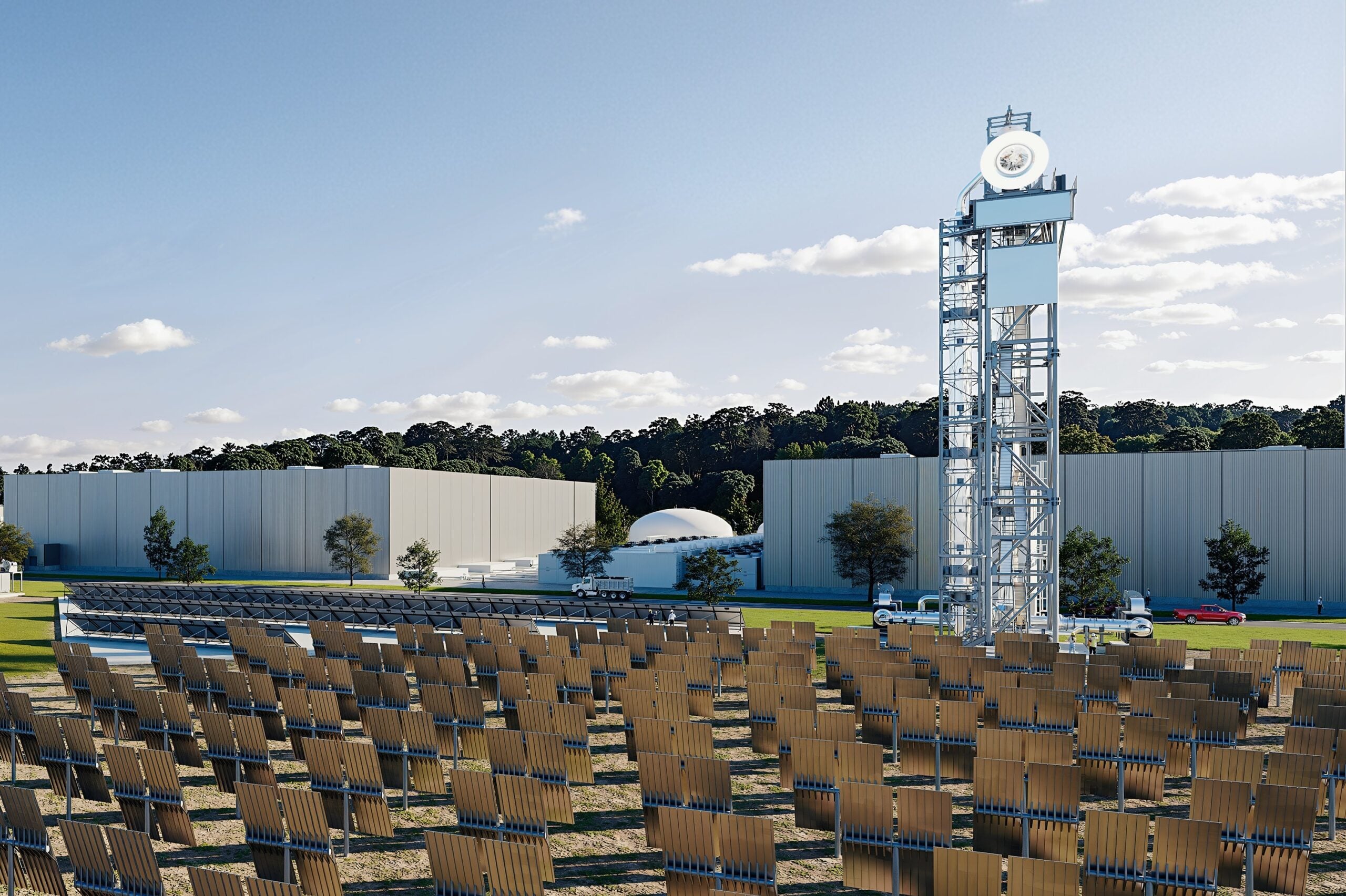
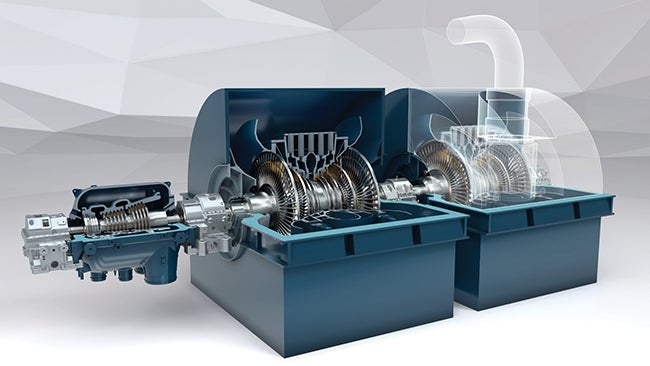
The system, according to 247 Solar, “stores heat for up to 20 hours in ceramic pellets, using hot air to generate electricity around the clock with unique turbines that operate without combustion under normal conditions. If the stored heat runs low overnight or during extended cloudy weather, the same turbines can also run on liquid or gaseous fuels, including natural gas, green hydrogen, or diesel, so the plant can keep producing power without interruption.”
247 Solar said the new technology has several benefits compared with traditional CSP:
- Lower cost.
- Speed to power.
- Simplicity of design and operation.
- High reliability.
- Grid independence.
- Cost-effective baseload power.
The company said the NTPC project is a ~1MW hybrid, integrating one 400-kW modular 247Solar Plant with several hundred kilowatts of photovoltaic solar. It is being installed at Rajasthan’s Bhadla Solar Park, which is among the world’s largest solar energy hubs, in an arid region in northwestern India. The project is backed by the Rajasthan Renewable Energy Corporation Limited, which has approved preliminary studies, site surveys, and structural tests. NTPC and 247Solar said the companies selected the location for its abundant sunshine, and for its easy interconnection for offtake of its energy output.
The groups said the demonstration “marks an early step toward round-the-clock clean power for industry and residents in India,” and added that “success will position Rajasthan as a proving ground for the technology and give NTPC a new tool as it works to meet the country’s growing power demand while reducing reliance on coal, cutting costs and carbon emissions simultaneously.”
—Darrell Proctor is a senior editor for POWER.