Next-generation geothermal is moving from technical promise to commercial deployment. Advances in drilling and reservoir engineering are making it possible to reach heat resources in more locations, but a successful well is only the beginning. The field challenge is to convert that heat into dependable electricity, safely and consistently, over decades of operation.
That requires close attention to the surface plant: the pumps, turbomachinery, seals, couplings, and supporting systems that keep energy moving through the facility. For developers and operators, practical reliability must be designed into the project before equipment reaches the field. Equipment selection, materials compatibility, testing, installation, and maintenance planning all affect whether a plant can deliver the availability and predictable performance expected of firm, low-carbon power.
How Geothermal Technology Works in the Field
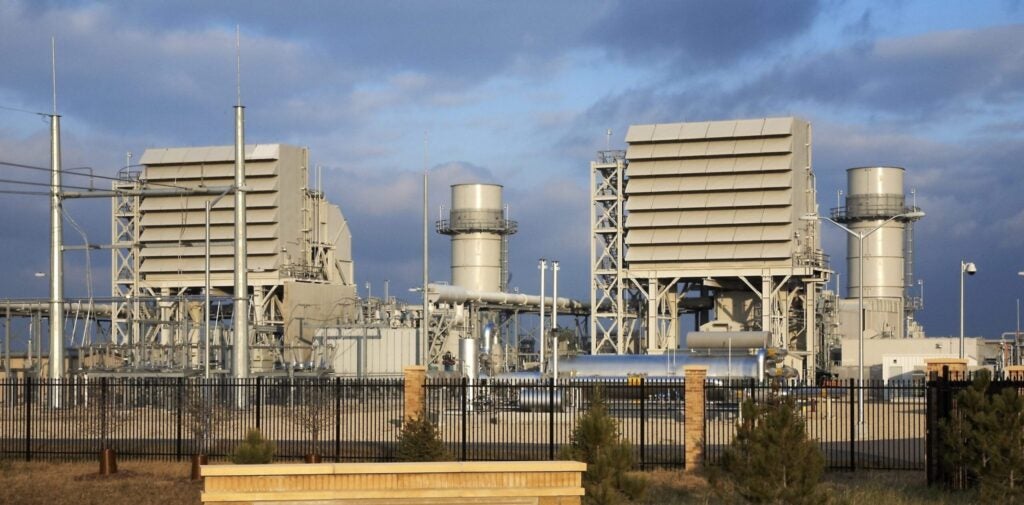
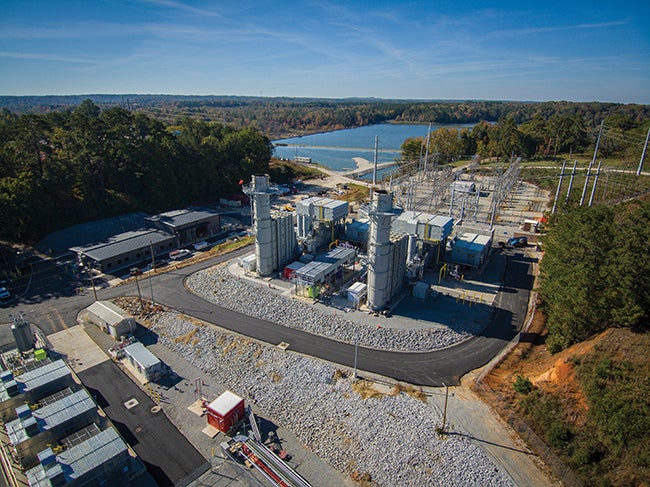
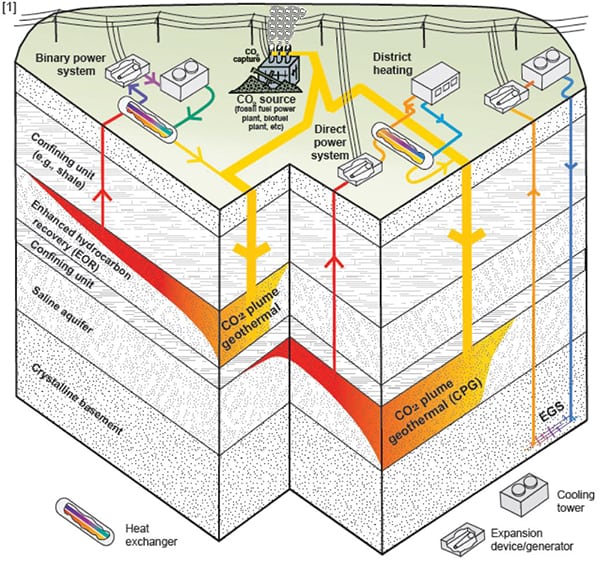
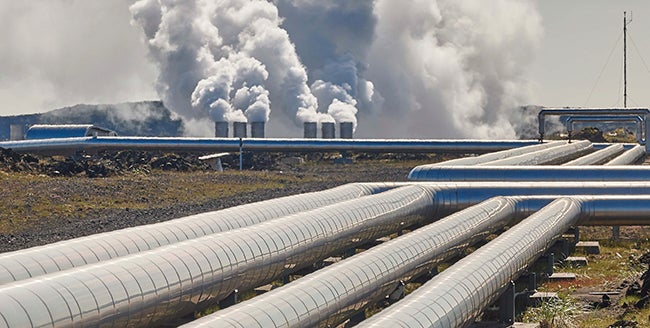
Geothermal projects differ in their design, but they share the same basic objective: move heat from below ground to a surface system (Figure 1) where it can be converted into electricity. In conventional developments, naturally occurring hot water or steam is brought to the surface through production wells. In enhanced geothermal systems, engineering techniques are used to create or improve fluid pathways through hot rock. Other emerging configurations circulate fluid through closed underground loops. In each case, cooled fluid is typically returned underground, helping sustain the resource and complete the operating cycle.
 |
|
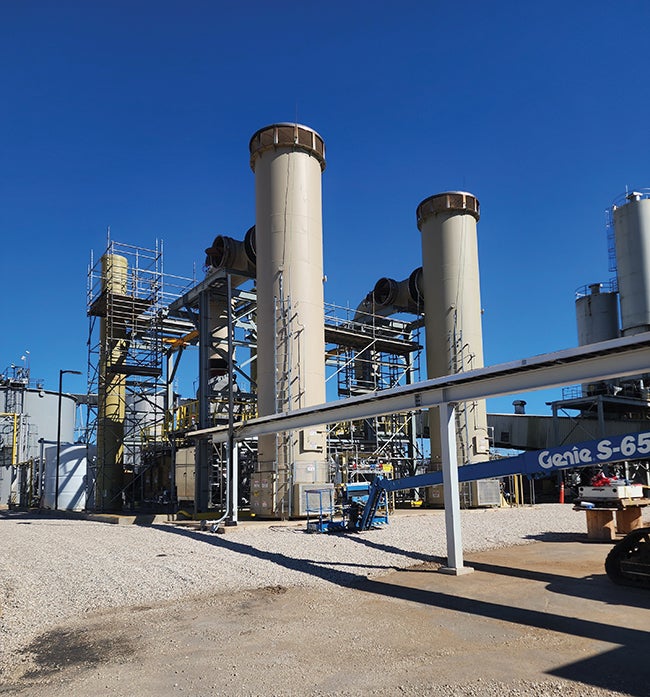
1. Technology from companies such as John Crane help support the safe, reliable, and efficient operation of critical industrial infrastructure in some of the world’s most demanding environments, including geothermal fields. Courtesy: John Crane |
At the surface, the heat may drive a turbine directly or be transferred to a secondary working fluid in a binary-cycle plant, like an Organic Rankine Cycle (ORC). The precise arrangement depends on resource temperature, fluid chemistry, pressure, and project design. Whatever the configuration, rotating equipment must manage changing thermal and mechanical loads while maintaining containment and transmitting power reliably.
This is where a project moves from subsurface innovation to day-to-day industrial operation. Geothermal fluids can contain dissolved minerals and other constituents that influence corrosion, deposition, and equipment wear. Temperature and pressure can change during start-up, shutdown and normal operation. Thermal growth can alter shaft alignment, while contamination can affect sensitive components. A design that works on paper must therefore be translated into an operating system that can tolerate real field conditions.
Putting Reliability into Practice on a U.S. Project
John Crane was recently selected to support a next-generation advanced geothermal power project in the U.S. The wider program is intended to combine innovative drilling with modern surface power-generation technology to provide reliable, low-carbon electricity.
John Crane’s scope includes engineered wet seals, separation seals, couplings, seal gas filters, and scrubber filters for high-performance turbomachinery, such as turbo expander turbines and critical centrifugal pumps, together with dynamic testing services. Although these components represent a relatively small part of the overall plant, their performance can have a direct bearing on equipment availability. A seal issue, coupling problem, or installation discrepancy can affect a much larger rotating asset and interrupt generation.
The application demonstrates why geothermal reliability is a system challenge rather than a single-product decision. Each component must be considered in relation to the process fluid, pressure, temperature, shaft speed, equipment layout, and expected operating cycle. It must also work with the wider machine and its auxiliary systems through commissioning, normal operation, and planned maintenance.
What the Components Do
Wet mechanical seals contain process fluid where a rotating shaft passes through stationary equipment. Their arrangement, face materials, and supporting systems must be matched to the operating conditions. In geothermal service, this means considering temperature, pressure, fluid properties, and the potential for deposits or contamination, as well as the changes that occur when equipment starts, stops, or moves between operating states.
Separation seals provide a controlled barrier between parts of the turbomachinery system. They help protect the primary sealing environment from bearing oil or other contamination that could impair performance. The effectiveness of that barrier depends not only on the seal design, but also on the condition and control of its supporting gas supply and on correct installation in the machine.
Couplings transfer torque between connected shafts while accommodating defined levels of misalignment and movement. This is especially relevant where equipment is exposed to thermal growth. The coupling must be selected as part of the complete drivetrain so that its stiffness, alignment requirements, and dynamic behavior are understood alongside those of the driver and driven equipment.
Filtration provides another layer of equipment protection. In this application, seal gas filters are used to trap solid particles before they can reach sensitive sealing components, where contamination could contribute to wear, restrict small passages, or impair performance. Scrubber filters perform a different but complementary duty by separating entrained liquid from the gas stream. Together they help deliver cleaner, drier gas to the sealing system, supporting stable seal operation and reducing the risk that contamination or liquid carryover affects wider turbomachinery reliability.
Looking at these technologies together helps avoid an important field risk: optimizing an individual component without considering how it interacts with the rest of the machine. The objective is not simply for each item to function at start-up, but for the complete equipment train to operate within a stable and maintainable envelope.
Testing Before Equipment Reaches the Field
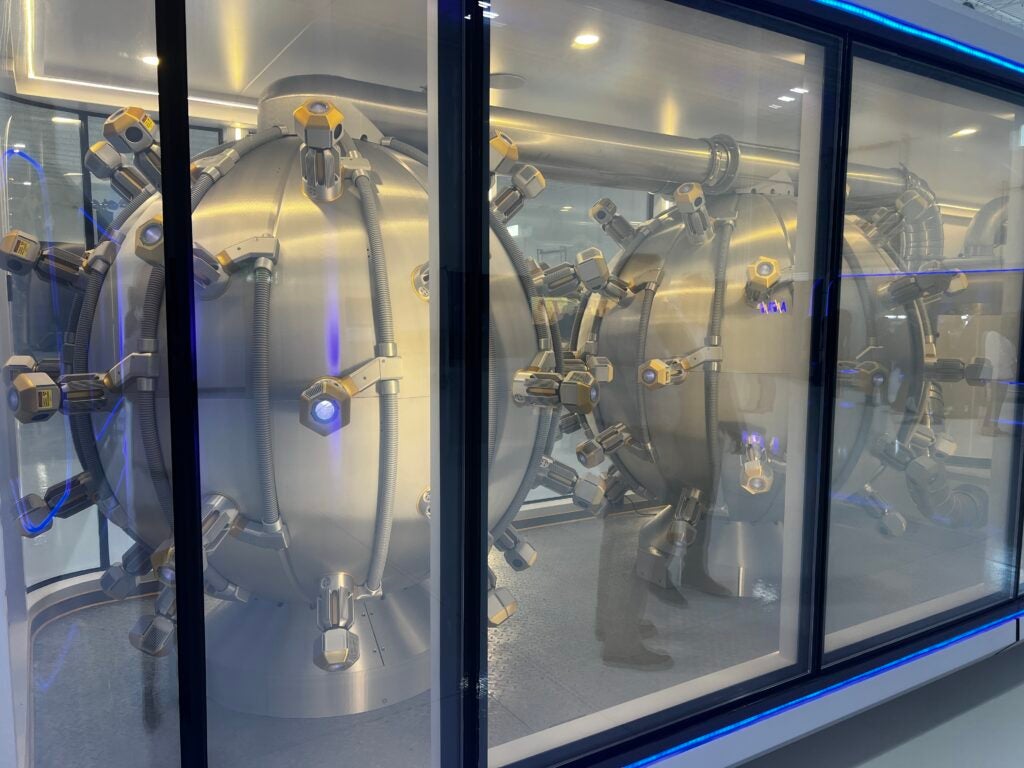
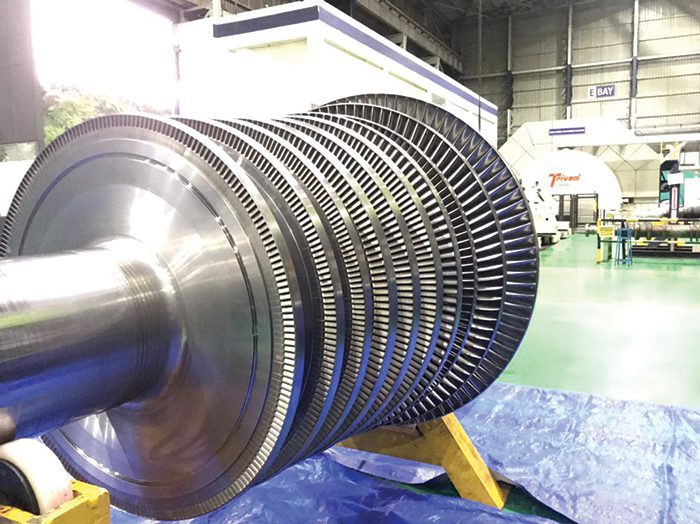
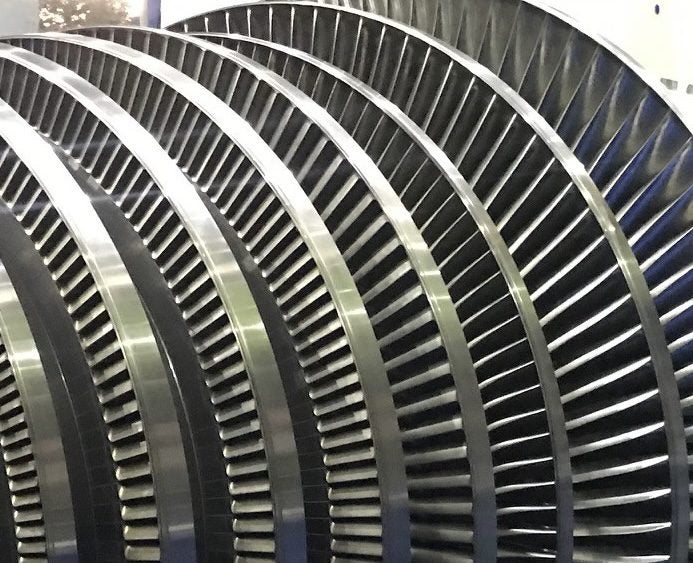
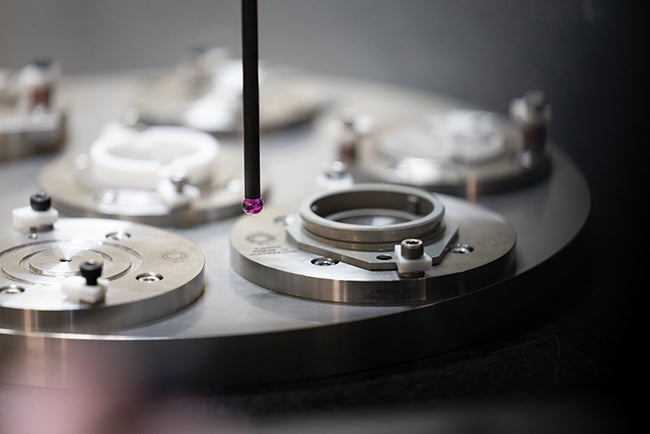
Dynamic testing (Figure 2) gives the project team an opportunity to examine component behavior before commissioning. It can help confirm that equipment performs as intended, identify integration issues, and establish evidence to support installation and operating decisions. Finding a discrepancy in a controlled test environment is far less disruptive than discovering it during site start-up or after the plant has entered commercial operation.
 |
|
2. Precision measurement and testing is critical to help ensure solutions for geothermal systems meet the highest standards of quality, reliability, and performance. Courtesy: John Crane |
Testing also supports a more informed handover to the operations team. Results can contribute to baseline performance data, inspection requirements, and maintenance planning. They provide a reference against which future changes in vibration, temperature, leakage, or other operating indicators can be assessed.
The value lies in connecting design assurance with field readiness. Testing should not be treated as a stand-alone acceptance exercise. Its findings need to inform installation checks, commissioning procedures, operator guidance, and the service strategy for the equipment.
Moreover, testing is a risk mitigator for such innovative designs, allowing operators to anticipate and to solve any potential issue in a controlled environment rather than in the field with great benefit for project execution.
From Commissioning to Daily Operation
Reliability planning continues when equipment arrives on site. Correct storage, handling, installation, and alignment are essential. Before start-up, teams should confirm that sealing support systems are clean and operating as intended, that couplings are installed and aligned within specified limits, and that baseline readings have been captured for critical assets.
Once the plant is operating, those baselines allow engineers to identify changes rather than rely only on fixed maintenance intervals. Monitoring vibration, temperature, pressure, and leakage can reveal early signs of wear, misalignment, contamination, or a shift in process conditions. The response can then be planned around generation requirements, reducing the likelihood that a developing problem becomes a forced outage.
Operating data should also feed back into the maintenance strategy. If a component shows repeated wear, the priority should be to understand the underlying cause. The answer may lie in the seal or coupling, but it may also be a change in fluid conditions, alignment, auxiliary-system performance, or the way the equipment is being operated. Root-cause analysis helps teams correct the system rather than repeatedly replace the symptom.
Scaling Geothermal Through Practical Engineering
Next-generation advanced geothermal has the potential to extend firm, low-carbon power to areas that could not previously access conventional geothermal resources. Scaling it successfully will depend on more than drilling faster or reaching greater depths. Projects must also demonstrate that their surface facilities can operate safely, predictably, and economically.
The U.S. project shows what this means in practice: define the field conditions, select components as part of the wider rotating-equipment system, test performance before commissioning, and carry the resulting knowledge into installation, operations, and maintenance. These disciplines are well-established in other demanding energy industries, but they must be applied to the specific thermal, chemical, and operating characteristics of geothermal service.
For developers, utilities, and investors, the outcome that matters is dependable generation. Building reliability into the complete project, from underground heat to the rotating equipment above ground, is what will turn geothermal innovation into trusted energy infrastructure.
—Rene Leven is vice president, Global Projects and Energy Transition, at John Crane.