Just hours before his flight back to work on Aug. 24, 2026, seafarer John Cris Tropicales watched his younger brother graduate with a bachelor’s degree in criminology, reported Ulysses “Chuckie” Rivera, community relations manager for Quezon Power (Philippines) Ltd. Co. (QPL) and San Buenaventura Power Ltd. Co. (SBPL). It was a milestone that the Tropicales family’s circumstances once made unlikely.
Tropicales grew up in a small nipa hut in a remote village in Mauban, Quezon Province, Philippines, where his parents relied on coconut farming. When he applied for a technical-vocational scholarship sponsored by the two coal-fired power plants in his municipality, he did it without telling them. According to Rivera, Tropicales’s parents opposed the application during his scholarship interview. They wanted him home to help farm and to support his younger siblings’ schooling. He was selected anyway, and graduated in 2019 as a fitter machinist.
His story is one of hundreds from the QPL-SBPL Technical-Vocational Scholarship Program, launched in 2004. The program was one of POWER’s 2026 Community Impact Award finalists. Its distinguishing feature, Rivera said, is less the scholarship itself than what its graduates have done: They organized an alumni association that now funds scholars of its own, and their track record convinced the local government to put public money behind an expansion.
A Full Package for Students Who Could Not Otherwise Afford to Go
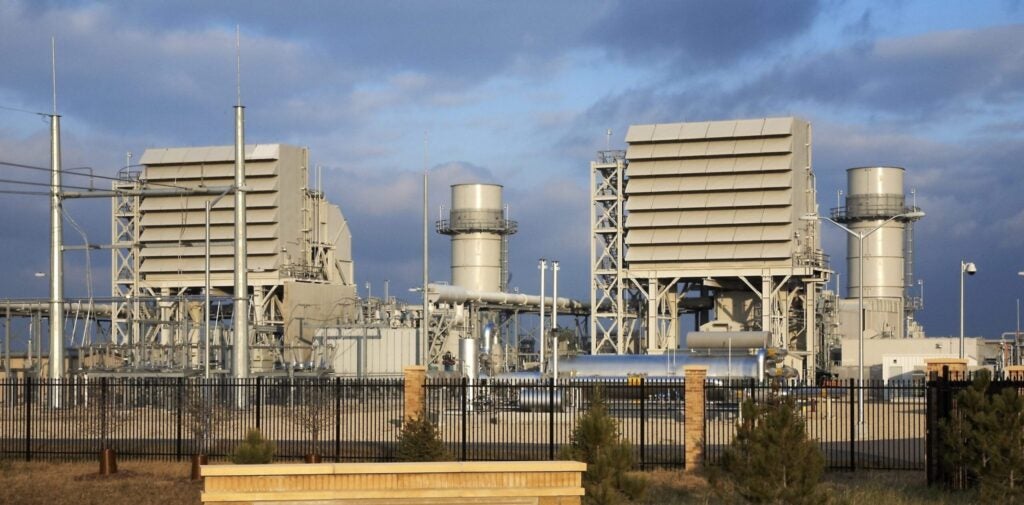
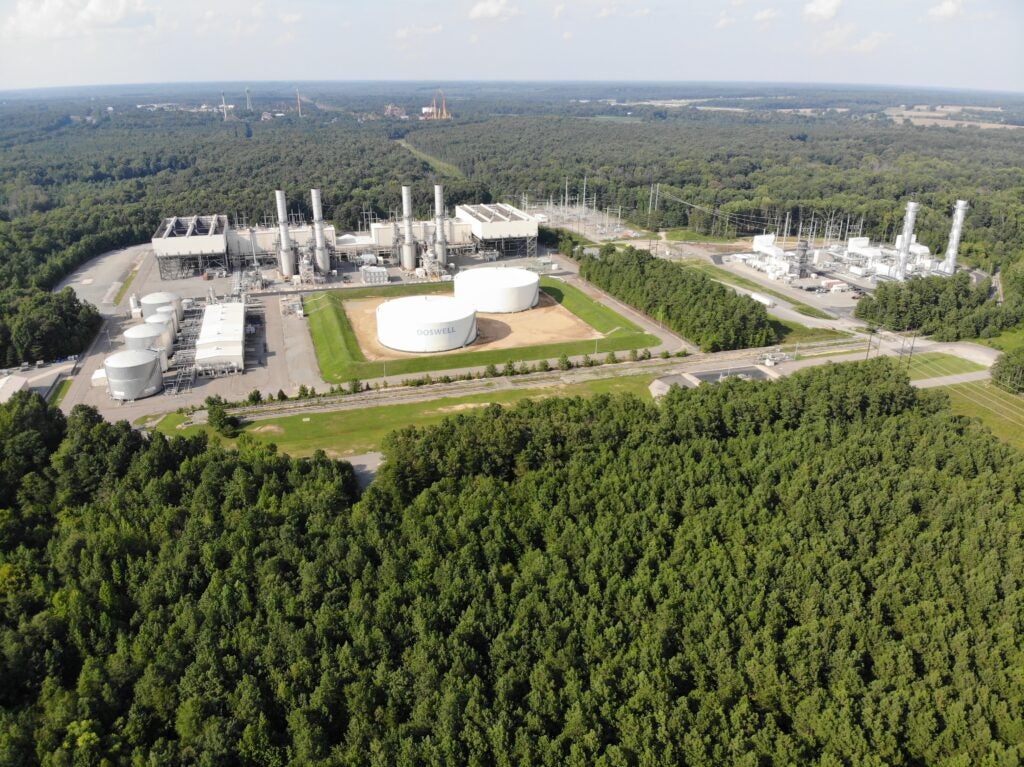
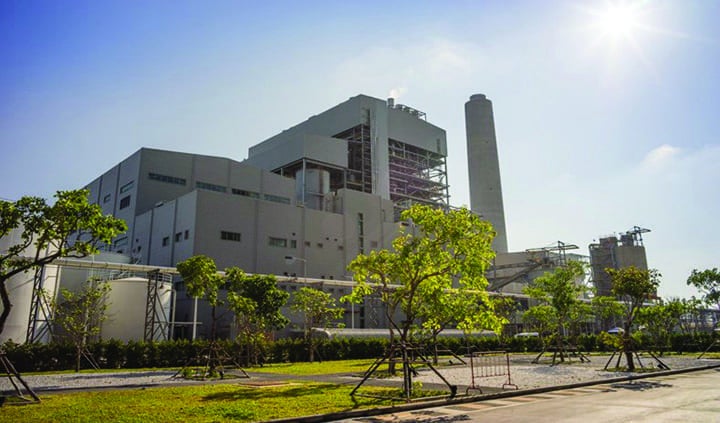
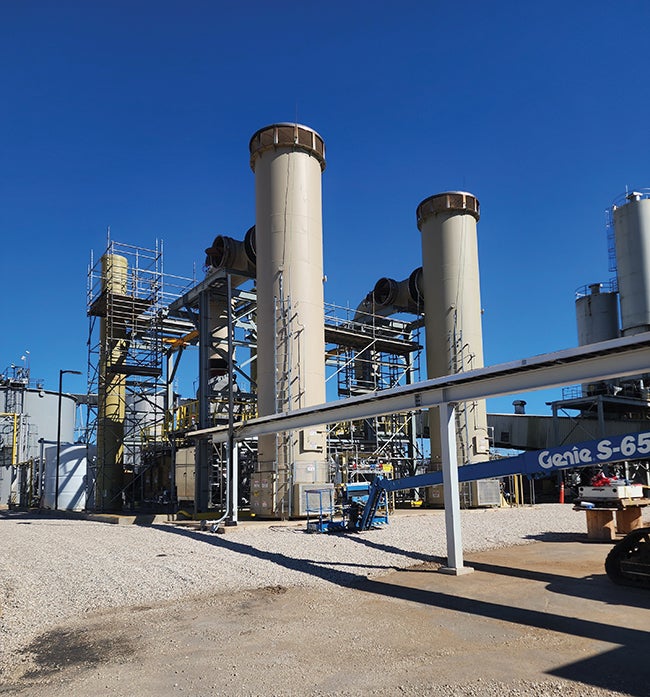
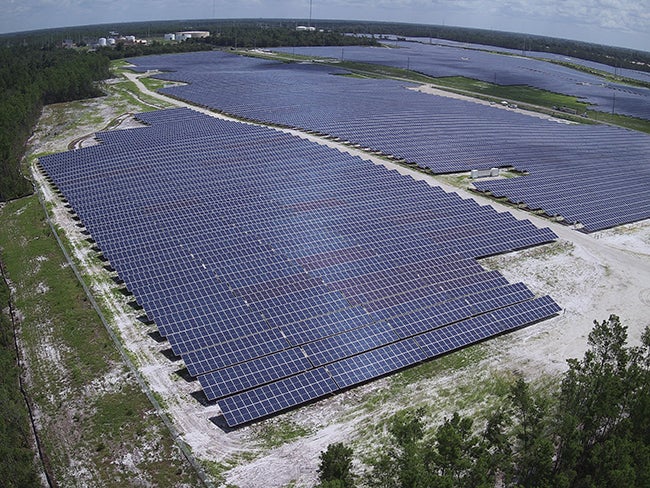
QPL, a 400-MW pulverized coal-fired plant, was built to help address a power crisis that hit the Philippines in the late 1990s. SBPL, a 500-MW plant that began commercial operations in September 2019, is described in the nomination as the first coal plant in the Philippines to use supercritical technology. Both sit in Barangay Cagsiay I in Mauban.
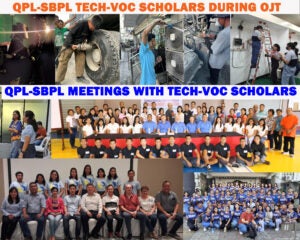
The scholarship program, run with Don Bosco Technical Institute of Makati, covers tuition, a monthly food allowance, full board and lodging, and books, school supplies, and uniforms. The Don Bosco approach also emphasizes character formation, discipline, and community service, according to the nomination. The program has supported 368 scholars to date, the nomination states, and about 90% of graduates are employed, nearly half of them overseas or in sea-based careers.
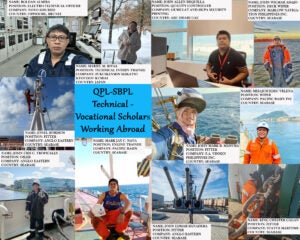
Rivera pointed to two graduates as examples. Tropicales now sails around the world, “earning far more than he ever imagined,” Rivera said. With his earnings, he has helped his father start a coconut and copra buy-and-sell business, acquired a small coconut farm, helped his elder sister build a home, financed renovation of his parents’ house, and is supporting the education of his younger siblings and nephews.
Jaime Laroga Jr., who graduated from the electromechanical technology course in 2012, used the scholarship as a stepping stone. He worked as a technical-vocational instructor and took part-time jobs to fund further study, and now holds a master’s degree in engineering management and credentials as a registered electrical engineer, registered master electrician, and certified plant mechanic. He works at QPL as a plant electrical maintenance engineer and runs his own electrical and solar services business.
Graduates Who Turned into Sponsors
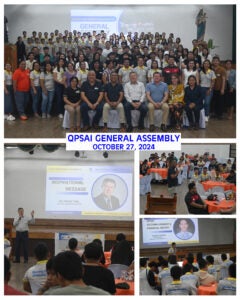
QPL began holding annual alumni meetings in 2005, Rivera said, using them to urge scholars to help others once they had established careers. By the time the Quezon Power Scholars Association Inc. (QPSAI) was formally established in 2011, he said, it was clear the graduates wanted to stay connected and give back. “I knew that this was not a splash in a pan but a long-term commitment,” Rivera told POWER.
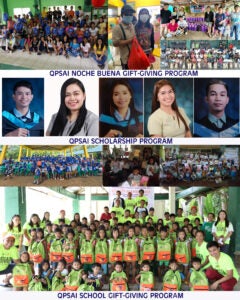
The association’s motto is “To Share, To Serve, and To Change Lives,” according to the nomination. Funded by monthly contributions from employed alumni, QPSAI has financed 16 scholars, 12 of whom have graduated, passed the Licensure Examination for Teachers, and now teach in Mauban schools, Rivera said. In partnership with Quezon Power, the association has also provided school materials and supplies to 2,921 students from 2014 to 2026, and Christmas gift packs to 713 indigent residents across Mauban from 2011 to 2025.
The association has helped individual members, too. John Allen Dequilla, a 2010 fitter machinist graduate, borrowed from QPSAI, which offers financial assistance to members working abroad, to cover expenses when he took a quality control job in Dubai in 2016, Rivera said. Dequilla lost that job in 2024, but stayed in the region and was hired by a new company in April 2025. He now works in the United Arab Emirates as a quality control specialist. Five of his siblings have graduated, Rivera said, with one left to support.
Members also give back. Laroga, the electrical engineer described above, is now the association’s vice president. Rivera said he remains actively involved and contributes his time, resources, and financial support.
“I have not yet come across a company that can boast of a scholarship program with an alumni scholar’s association that has their own scholarship program,” Rivera told POWER.
The Local Government Joins In
The public sector’s role grew in 2024. Rivera said that when QPL presented its corporate social responsibility programs to Mauban’s mayor that year, the scholarship program stood out. Mayor Bautista Erwin Dwight Pastrana had heard of it and personally knew several alumni whose lives it had changed. According to Rivera, Pastrana proposed that the local government fund an additional 40 scholars every year, reasoning that technical-vocational graduates find stable work locally and abroad and that higher incomes would strengthen Mauban’s economy.
Under the arrangement, QPL-SBPL provides the scholarship framework, program management, and what Rivera described as “emotional guidance,” while the Mauban local government sponsors additional scholars from the municipality. The two jointly select beneficiaries and monitor their progress. Annual intake rose to 60 scholars, and the first expanded batch graduated in November 2025, according to the nomination. The nomination also says Mauban has committed an annual budget to sustain the expansion.
The nomination states that the program will remain a core part of QPL-SBPL’s corporate social responsibility strategy as long as the plants operate, and says QPSAI and its scholars will carry the mission forward after the company’s operations eventually close.
Tropicales’s next goal, Rivera said, is to build a home of his own.

—Aaron Larson is POWER’s executive editor.