The global hunt for clean, always-on power is intensifying. Data centers powering artificial intelligence (AI) are signing long-term energy contracts at extraordinary speed. Utilities in developed markets face mounting power demand and price volatility. Against this backdrop, geothermal energy—carbon-free and available around the clock—is attracting serious capital for the first time in a generation.
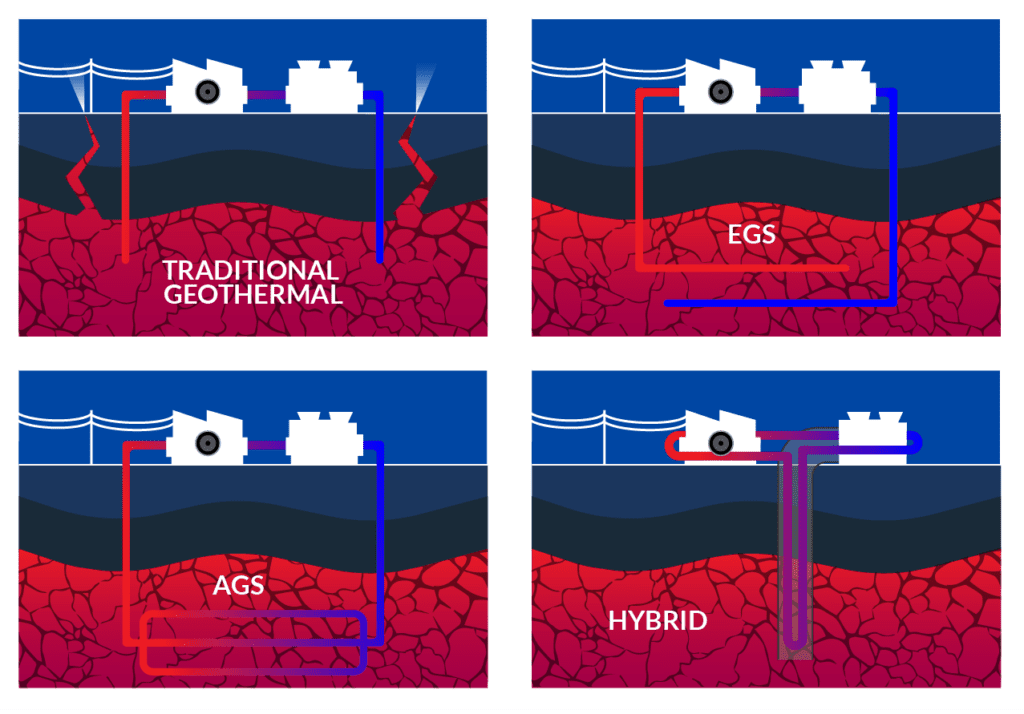
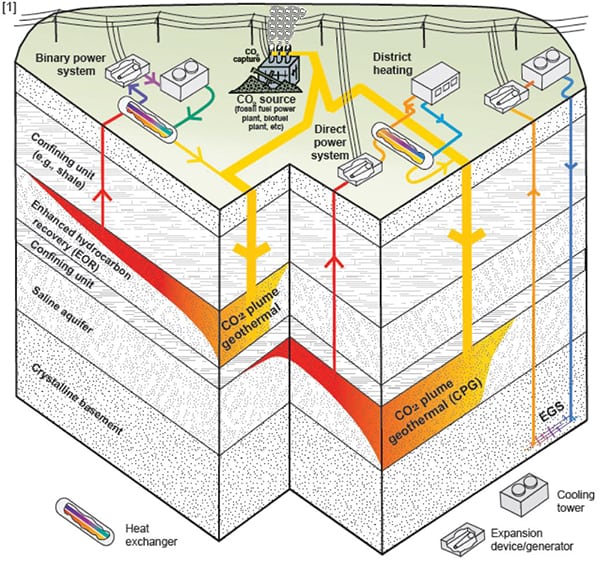
The International Energy Agency estimates global investment in next-generation geothermal could reach $1 trillion by 2035. Much of that capital is flowing toward enhanced geothermal systems, or EGS—a technology that creates artificial underground reservoirs by fracturing hot dry rock. EGS represents a genuine step forward for the industry. If it delivers on its promise, it could unlock significantly more geothermal potential worldwide than is accessible today.
COMMENTARY
But alongside the excitement over what engineered systems might unlock lies a quieter, more immediate opportunity: the vast reserves of naturally occurring geothermal energy that have barely been mapped, let alone tapped. Unlocking them could transform geothermal from a niche energy source into an anchor of the modern power grid. Here, the parallel with the early history of oil and gas is both striking and instructive.
Before the petroleum industry invested heavily in unconventional extraction—also known as fracking—it first found and developed the world’s great conventional fields. Ghawar in Saudi Arabia (the world’s largest oil field), Cantarell in Mexico, Burgan in Kuwait, were not “engineered” into existence; they were discovered. And the process of finding them was rarely orderly. Early finds in the first half of the 20th century came through surface clues, educated guesswork and, frequently, sheer luck. In recent decades, new seismic imaging technologies gave prospectors far better tools to map underground geology. Through it all, the animating insight remained the same: the earth still contained enormous resources that nobody had found yet, even after a century of exploration and production.

Four days. Two conferences. One venue in Washington, D.C., where energy policy, grid decisions, and digital infrastructure converge.
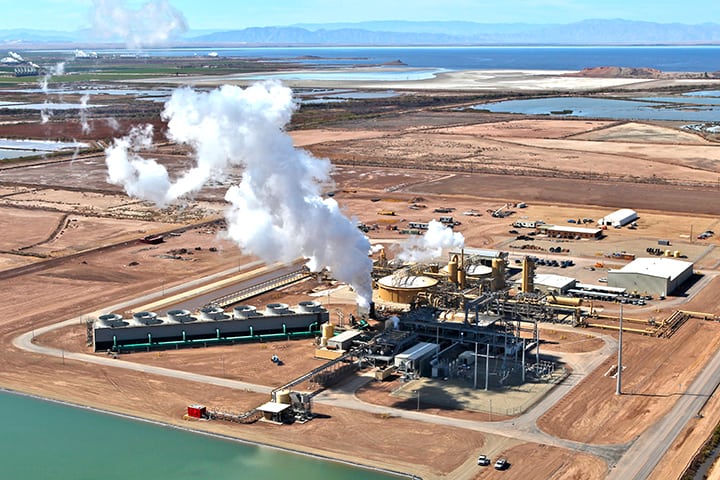
Conventional geothermal resources, which draw on natural underground circulation of non-potable brine, have followed a remarkably similar pattern. A recent Stanford academic paper shows that nearly half of the operating geothermal fields in the U.S. were discovered by accident—stumbled upon during water well drilling, petroleum exploration or mineral surveys. Less than 10% of the contiguous western U.S. has been sampled for subsurface temperatures. Millions of acres of potentially high-value land remain wholly untested.
The prevailing industry benchmark—a 2008 U.S. Geological Survey report that remains a standard reference—estimated roughly 30 GW of undiscovered conventional geothermal capacity in the U.S., or about 3% of the country’s current installed electrical capacity. But that estimate predates the dramatic advances in drilling techniques developed by the oil and gas industry and the latest generation of subsurface modeling. Some models now point to resources potentially exceeding thousands of gigawatts. If those projections are borne out, it would represent a fundamental reappraisal of what naturally occurring geothermal can contribute to the energy mix, and what returns early movers might capture.
The exploration risk that long defined geothermal investment is shrinking. Failed wells and underperforming assets were legacies of an era when exploration depended on obvious surface signals like hot springs or geysers. AI is changing that. AI models can now integrate dozens of data types to identify hidden geothermal systems—reservoirs with no surface expression whatsoever. Hit rates are improving, resource certainty is rising, and project financing costs are trending toward solar and wind parity in leading markets.
Geothermal power plants rely on proven technology with a decades-long operational track record. Projects can move from drilling to commercial operation in 24 to 36 months, years ahead of nuclear facilities, and on a levelized cost basis that already rivals natural gas or any baseload alternative. The Ghawar parallel is instructive here too: decades after its discovery, it still produces about one-third of Saudi Arabia’s oil output at a fraction of the cost of the Permian Basin, the largest unconventional field in the U.S. Naturally occurring resources, once found, carry structural cost advantages that engineered ones struggle to match.
The opportunity extends well beyond the U.S. Other geological provinces with clear indications of geothermal resources span the East African Rift, parts of Europe, Indonesia, the Philippines, Japan, New Zealand and Latin America. In these regions, naturally occurring geothermal could offer one of the fastest and lowest-cost routes to clean baseload power.
Enhanced and conventional geothermal are complements, not substitutes. Almost all EGS projects developed in the U.S. over the past five years have been sited on the margins of an existing conventional field—meaning that finding new conventional resources simultaneously expands the frontier for EGS. For investors in either technology, finding geothermal’s Ghawar fields is a shared prize.
The oil and gas industry offers a precedent worth heeding. It created its greatest value by discovering what the earth had already assembled before turning to what engineering could achieve. Geothermal developers today have better discovery tools than any generation before them and a demand environment more favorable than any in the sector’s history. The era of geothermal discovery is not behind us. It is just beginning.
—Diego D’Sola is VP of Finance at Zanskar Geothermal, a company combining artificial intelligence, modern drilling, and computational geoscience to expand the frontier of geothermal discovery.