
Environmental
-
Coal
TVA Eyes Cleaner "Vision" with More Nukes, Less Coal
Responding to looming federal regulations to reduce power plant pollution, the Tennessee Valley Authority’s board signed off on a proposal to shut down 1,000 MW of older coal-fired generation and replace it with an equal amount of natural gas capacity while also pursuing 1,900 MW of demand response and energy efficiency programs and adding 1,140 MW of new nuclear generation by 2015.
-
Solar
What Utility Executives Think About the Smart Grid
This summary of results from a recent Platts/Capgemini survey of North American utility executives looks at what respondents had to say about all things related to the smart grid. Nearly half of respondents’ utilities have a smart grid strategy in place, while the other half said their utility has one in development.
-
Coal
Fourth Circuit Scuttles NC Air “Nuisance” Suit
Scuttling a high-profile “public nuisance” lawsuit, a federal appeals court has reversed a lower court ruling that required the Tennessee Valley Authority to accelerate plans to install pollution controls at four TVA coal-fired power plants to reduce the amount of pollution blowing into western North Carolina, saying the lower court decision could lead to other public nuisance suits that would wreak havoc on federal and state regulatory regimes for combating air pollution.
-
Coal
House Members Warn EPA on Coal Ash
Saying they have “grave concerns” about the agency’s two-option proposal to regulate coal combustion ash, 31 members of the House Energy and Commerce Committee have urged the Environmental Protection Agency to continue to regulate coal ash as a non-hazardous waste, saying an EPA proposal to designate it as a “special” hazardous waste eligible for reuse would lead to costly and unnecessary management and disposal requirements.
-
Coal
AEP Blasts EPA Transport Rule; PSEG Supports It
An Environmental Protection Agency proposal to tighten sulfur dioxide and nitrogen oxides limits in 31 states and the District of Columbia to address transported air pollution fails to give utilities and state air regulators sufficient time to develop rules and install controls, according to American Electric Power Co. Officials from the EPA and New Jersey-based Public Service Enterprise Group said utilities already had begun making investments to cut emissions and they believed the agency’s compliance schedule could be met.
-
 O&M
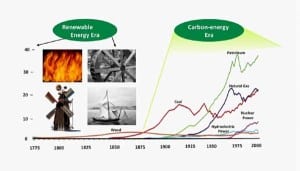
O&MWind Integration: Does It Reduce Pollution and Greenhouse Gas Emissions?
Many claim that wind generation is beneficial because it reduces pollution emissions and does not emit carbon dioxide. This isn’t necessarily the case. When wind is introduced into a generation system that uses carbon technologies to back up the wind, it actually reduces the energy efficiency of the carbon technologies.
-
 Coal
CoalLuminant’s Oak Grove Power Plant Earns POWER’s Highest Honor
Luminant used remnants of the ill-fated Twin Oaks and Forest Grove plants (which were mothballed more than 30 years ago) to build the new two-unit 1,600-MW Oak Grove Plant. Though outfitted with equipment from those old plants, Oak Grove also sports an array of modern air quality control equipment and is the nation’s first 100% lignite-fired plant to adopt selective catalytic reduction for NOx control and activated carbon sorbent injection technology to remove mercury. For melding two different steam generators into a single project, adopting a unique and efficient “push-pull” fuel delivery system, assembling a tightly integrated team that completed the project on time and within budget, and for completing what was started almost four decades ago, Oak Grove Power Plant is awarded POWER magazine’s 2010 Plant of the Year award.
-
 Coal
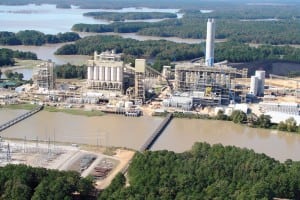
CoalCleco’s Madison Unit 3 Uses CFB Technology to Burn Petcoke and Balance the Fleet’s Fuel Portfolio
With commercial operation of Madison Unit 3, Cleco Power now claims bragging rights for owning the largest 100% petroleum coke–fired circulating fluidized bed power plant in North America. For using readily available fuel in an environmentally attractive manner, adopting fuel-flexible combustion technology, balancing the utility’s generation portfolio, and adopting an innovative fuel-handling system design, Madison Unit 3 is the winner of POWER’s 2010 Marmaduke Award for excellence in operation and maintenance. The award is named for Marmaduke Surfaceblow, the fictional marine engineer and plant troubleshooter par excellence.
-
Coal
Advanced SCR Catalysts Tune Oxidized Mercury Removal
Catalysts used in selective catalytic reduction (SCR) systems in utility boilers provide high NOx removal efficiencies that routinely exceed 90%. A major co-benefit of applying SCR to coal-fired power plants is that the SCR catalyst also oxidizes the vapor phase mercury from an elemental form to a soluble ionic form, which can be readily captured in a downstream flue gas desulfurization process. Mitsubishi Heavy Industries and Cormetech have developed an advanced SCR catalyst technology with high mercury oxidation activity capable of achieving 95% oxidized mercury over a wide range of operating conditions.
-
 O&M
O&MNew Process Transforms Waste into Product for Controlling Emissions
In April, Solvay Chemicals Inc. commissioned a new facility that uses an innovative process to recover and transform sodium carbonate waste streams into a market-grade sodium bicarbonate used in air emissions control.
-
Legal & Regulatory
Climate Change: Avoid Political Thickets
A federal judge recently dismissed a lawsuit in which the plaintiffs alleged that defendants’ production of chemicals and electricity had “added to the ferocity of Hurricane Katrina.” The judge’s reasoning reveals the inherent limitations of courts unilaterally initiating policies to address climate change issues.
-
 History
China: A World Powerhouse
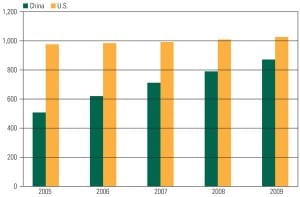
It’s no surprise that China leads the world in recent power capacity additions. What may surprise you is the precise mix of options this vast country is relying upon to meet its ever-growing demand for electricity. As a result, this ancient civilization is fast becoming the test bed and factory for the newest generation and transmission technologies.
-
 Water
WaterReACT Reduces Emissions and Water Use
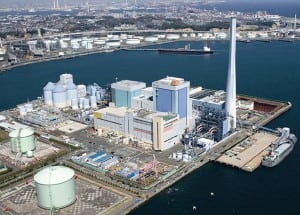
Regenerative activated coke technology (ReACT) is an integrated multipollutant control approach that removes SOx, NOx, and Hg from coal-fired plants by adsorption with activated coke to attain emissions levels found at natural gas–fired plants. One big advantage of this technology is that it uses only a fraction of the water used by conventional wet flue gas desulfurization. A recent license agreement brings this technology to the U.S.
-
 Water
WaterCirculating Fluid Bed Scrubbers Bridge the Gap Between Dry and Wet Scrubbers
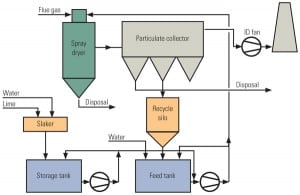
Circulating fluid bed (CFB) dry scrubbing technologies provide distinct advantages over conventional spray dryer absorber scrubbers for removing SO2 from flue gases. The CFB also competes well against wet limestone flue gas desulfurization processes typically favored for large boilers firing high-sulfur coals. With high SO2 removal rates in a dry treatment process, the CFB scrubber appears to be the best of both technologies: a water-stingy scrubber with high SO2 removal rates.
-
 Coal
CoalDrax Offers Model for Cofiring Biomass
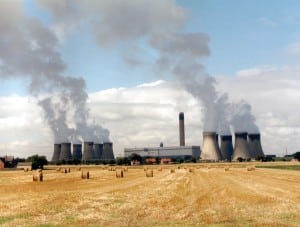
When it is completed, later this summer, the UK’s Drax Power Station biomass facility will become the largest dedicated cofiring project of its kind in the world. As U.S. coal-fired generators come under increasing pressure to cut emissions and take advantage of incentives to promote power generation from renewables, Drax offers an example of what is possible.
-
Environmental
Regulations and Economics Drive Wet FGD Upgrades
Today’s coal-fired power plants face the twin challenges of improving their wet flue gas desulfurization (FGD) systems’ emission control capabilities in order to comply with environmental regulations while at the same time cutting their operational and maintenance costs. Smart strategies for retrofitting existing FGD systems can help plant personnel meet both of these objectives.
-
 Coal
CoalIndustry Pivots on Natural Gas, Hails Cap and Trade
At the opening ELECTRIC POWER 2010 plenary session, both the keynote speaker’s address and discussion among the Power Industry Executive Roundtable participants pointed to the renewed appeal of natural gas and proposed cap-and-trade legislation as being potential game-changers for the U.S. power industry.
-
 Environmental
Determining AQCS Mercury Removal Co-Benefits
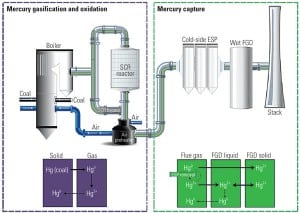
The U.S. Environmental Protection Agency is expected to propose an emissions standard for mercury and other hazardous air pollutants emitted by coal- and oil-fired electric generating units in March of 2011. The anticipated rule would require emission control to meet the various standards using maximum achievable control technology, as determined by the prescriptive requirements of the Clean Air Act. In response to the expected rule-making, utilities will be required to make technology decisions in order to ensure compliance. One cost-effective approach to compliance may be the use of “co-benefits” from air quality control systems (AQCSs) already in service that are designed to remove other pollutants.
-
Coal
EPA Proposes Two Options to Regulate Coal Ash
In an unusual two-option proposal that drew clashing views from green groups and power plant operators, the Environmental Protection Agency has proposed regulating coal combustion ash either as a nonhazardous waste subject to tougher management and disposal requirements or as a "special" hazardous waste that would have similar controls but still be eligible for recycling and reuse in products such as Portland cement.
-
Coal
EPA Issues Final Greenhouse Gas Tailoring Rule
Less than 24 hours after the unveiling of sweeping Senate legislation to reduce U.S. greenhouse gas emissions, the Environmental Protection Agency released a final Clean Air Act rule that defines emission thresholds for greenhouse gas permitting requirements for power plants and other large stationary sources.
-
Coal
American Power Act Dangles Carrots for Nukes, Coal, Gas
Facing a difficult uphill slog in a sharply polarized Senate, Sens. John Kerry and Joseph Lieberman have unveiled long-awaited draft climate change and energy legislation that includes billions of dollars in incentives for the nuclear, natural gas, and coal industries aimed at attracting enough bipartisan support to overcome an all-but-certain filibuster led by the Senate Republican leadership.
-
Commentary
Power Industry Flip-Flops on Support of Carbon Controls
I recently had the privilege of moderating the Power Industry Executive Roundtable, part of the annual ELECTRIC POWER Conference & Exhibition opening ceremonies. Usually, the power industry executives have predictable views of important issues, but not this year.
-
 Environmental
Dry Injection of Trona for SO3 Control
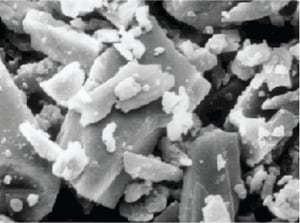
In 2006 and 2007, POWER ran a three-part series on the formation of SO3, O&M issues caused by SO3, and sorbent injection control for SO3 control. Three years later, many plants still struggle with their SO 3 mitigation systems or remain undecided on which mitigation path to follow. This article explores the advantages of dry sorbent injection technology.
-
Coal
New Coal Ash Rules May Focus on Conversion to Dry Storage
While the Environmental Protection Agency appears to have initially proposed to regulate power plant coal ash as hazardous waste, there are indications the Obama administration is preparing new federal rules that will at a minimum require utilities to convert coal ash impoundments from wet to dry storage to prevent leaks—a change that would cost tens of millions of dollars but also potentially increase regulated utilities’ rate base and earnings, a Wall Street firm says.
-
Coal
Congress, APPA Divided on EPA Greenhouse Finding
Highlighting a sharp division within the public power community, two senior House Democrats blasted the American Public Power Association for endorsing Sen. Lisa Murkowski’s effort to strip the Environmental Protection Agency of its Clean Air Act authority to regulate greenhouse gas emissions, with the lawmakers saying they have been informed that “numerous” APPA members oppose the endorsement.
-
Coal
New York Proposes Costly Retooling of Power Plant Cooling
In a move that could cost the state’s electricity generators an estimated $8.5 billion, New York regulators [have] issued a draft policy that would require the installment of closed-loop cooling systems at two dozen large power plants in the state, including oil, coal, nuclear and natural gas generators, to reduce fish kills and other harmful effects to wildlife in the water bodies that supply the plants’ cooling water.
-
O&M
The Unique Challenge of Controlling Biomass-Fired Boilers
Biomass has many advantages as a fuel for boilers: It’s inexpensive, readily available in many regions, CO2 neutral, and its use warrants government subsidies. The fuel also presents unique concerns to the designers, owners, and operators of biomass plants, especially in the design of the control system.
-
 Coal
CoalFrom GHG to Useful Materials
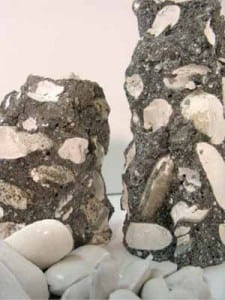
Could the transformation of carbon dioxide (CO2) into carbonates and oxides solve the problem of greenhouse gas emissions (GHG) from fossil-fired power plants? Some companies are betting that such processes could make everyone happy and even create new profits. Buzz has been growing about this approach, though the concept has been around for many years.
-
 Coal
CoalBig Bend’s Multi-Unit SCR Retrofit
Tampa Electric will soon complete a comprehensive selective catalytic reduction project on all four units at its Big Bend Power Station that will make Big Bend among the cleanest coal plants in the U.S. The project — the centerpiece of the company’s 10-year, $1.2 billion air quality improvement program — is on schedule to meet all of its air quality improvement goals by mid-2010.
-
 Coal
CoalBig Stone Remodels ESP into Pulse Jet Fabric Filter
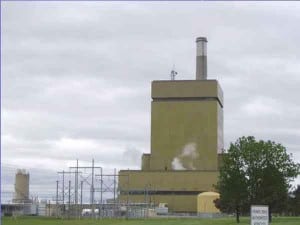
Short of replacement, what are your options when your original electrostatic precipitator fails to meet your current emissions and opacity requirements? The management of Big Stone Plant chose the unconventional, yet economic approach of building a pulse jet fabric filter inside the casing of the old electrostatic precipitator. The upgrades restored plant availability and prepare the plant to meet the next regulated reductions in particulate matter emissions.