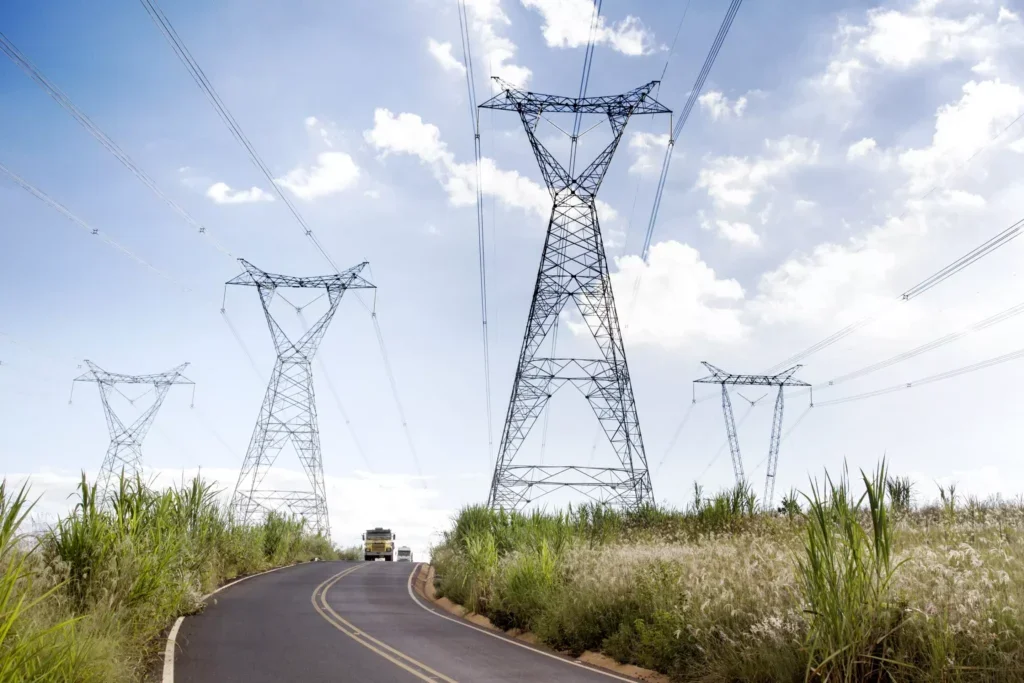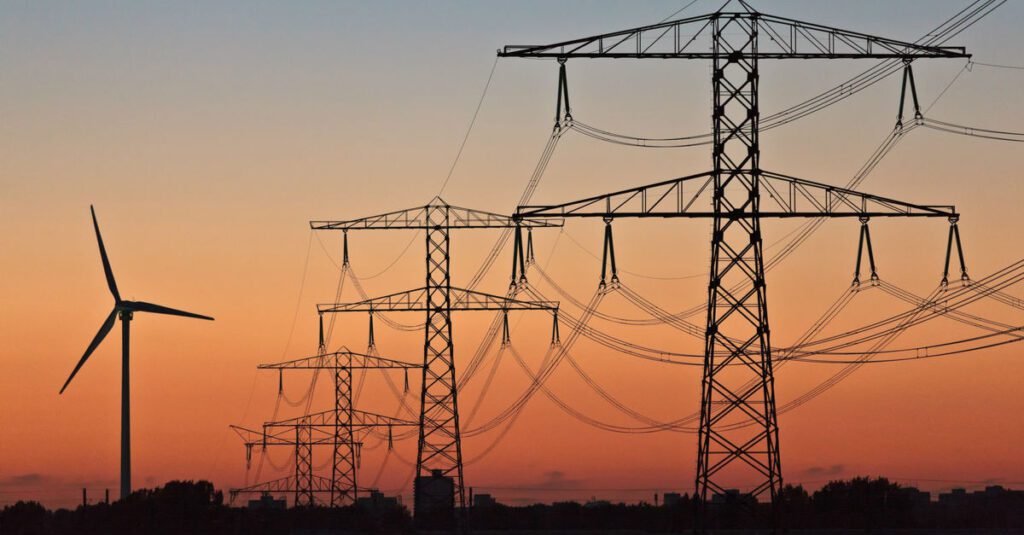
What was the biggest engineering achievement of the 20th century? The automobile? Space flight? The internet? According to the National Academy of Engineering, it was in fact the electric power grid—the one thing underpinning nearly all of them. Centralized electricity has literally powered the growth of the U.S. economy and quality of life for decades.
Today, the U.S. is undergoing another tremendous economic transformation, driven by a handful of major trends – among them electrification, onshore manufacturing, robotics, and the rapid rise of artificial intelligence (AI).
COMMENTARY
Abundant electricity is more indispensable than ever to America’s 21st century competitiveness and quality of life. We need power to grow.
Electric utilities have long been at the forefront of this expansion. These companies understand the imperative to evolve the grid and have responded with historic levels of modernization investments to add capacity, harden the grid to withstand more extreme weather, integrate renewables and batteries, and tap the power of sensors, smart meters, and other technologies to manage increasing complexity. The Edison Electric Institute (EEI) projects that investor-owned utilities will spend $1.1 trillion between 2025 and 2029 to meet the skyrocketing demand for electricity.
For insight into how one company is changing the way power is produced as part of the energy transition, read this POWER Interview with Mainspring Energy CEO Tom Linebarger.
In spite of this tremendous investment, the combination of aging infrastructure, transmission and distribution bottlenecks, and new demand calls for more new, firm capacity over the upcoming decade than the grid can deliver on its own. The power crunch is a threat not only to economic growth but also to the basic stability and affordability of electricity supply. The longstanding debate in power circles about the utility grid vs. commercial and industrial onsite power has become nearly irrelevant. It is increasingly clear to most observers that we’ll need as much as possible from both.
Like most complex problems, this also presents an opportunity. That opportunity is to meet these power needs on multiple fronts while also modernizing the supply and operation of power infrastructure to make it more efficient, sustainable, and affordable for all. Done right, the unprecedented investment now pouring in could help speed this grid transition to the benefit of not just businesses but all Americans and our quality of life.
What’s important to acknowledge is that we cannot and don’t need to build this growth solely on the status quo, century old combustion generation technologies. There are many new sources of firm capacity, all of which can contribute. We need to innovate on both how and where we produce power, and how we bring it all together to work for everyone.
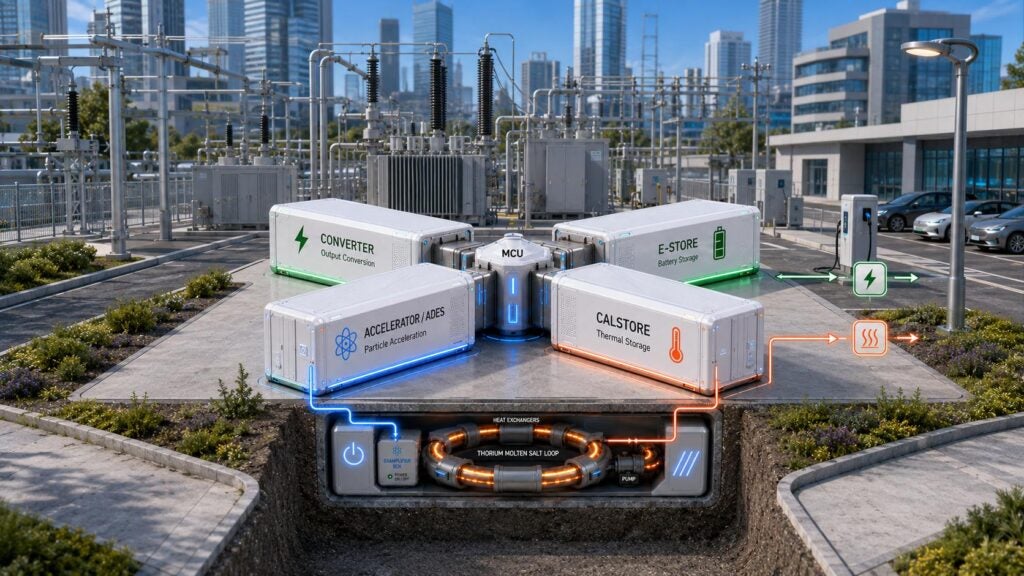
The expansion of the U.S. power system can be built using highly efficient, low-emissions, flexible and dispatchable generation deployed close to load that can be right-sized over time as customer and grid needs change.
High efficiency ensures lower cost and lower emissions, when running any fuel. Generation deployed close to load delivers power where it’s needed while eliminating transmission losses, congestion, and interconnection bottlenecks that delay or prohibit project development.
Generation flexible enough to run on natural gas and propane today and transition seamlessly to cleaner fuels when they become available removes the risk of obsolescence in a quickly evolving energy landscape. Modular assets can match the scale of centralized resources while improving resilience and affordability. Their inherent redundancy improves overall system availability.
The companies that solve the power problem over the next decade are going to play an important role in building America’s 21st century infrastructure, the future of AI, the reshoring of American manufacturing, and the modernization of the grid to meet the energy demands of this century. We believe this is particularly important because ultimately a majority of the power supplied in the U.S. will be supplied from a modern, efficient, reliable and affordable grid.
The grid of the future is not an abstract concept. It is being built today by utilities and companies that recognize the opportunity to create something better. The grid earned its place as the top engineering achievement of the 20th century because it made modern life possible. The grid emerging today can be every bit as transformative.
—Tom Linebarger, newly appointed CEO of Mainspring Energy, is the former Chairman and CEO at global power leader Cummins, Inc. Shannon Miller is founder and president of Mainspring.