Water has long been energy production’s silent partner. In the past, we Americans seemed to take it for granted that plentiful water supplies would be available for a variety of energy needs ranging from the operations of coal-fired power plants to natural gas production activities.
Now, however, water shortages caused by higher demand and changing precipitation patterns are becoming more frequent and more substantial. Not surprisingly, there is growing tension—particularly in the more arid U.S. regions—over some energy production entities’ water usage practices.
The New Texas Cage Fight: Clashing over Scarce Water Resources
The old saying“Whiskey is for drinking; water is for fighting over” is particularly relevant nowadays in the parched Lone Star State. A number of conflicts are heating up in Texas between the energy sector and citizens and other groups wanting to protect increasingly limited water supplies (both underground aquifers and surface water).
For example, in September, one natural gas drilling company grabbed the headlines in Dallas and Ft. Worth because it had been using millions of gallons of drinkable water while North Texans faced water restrictions due to the exceptional drought that has gripped Texas this year.
Documents obtained through the Freedom of Information Act by WFFA, the Dallas ABC affiliate, revealed that Chesapeake Energy used and paid for more than 24 million gallons of water from Fort Worth city fire hydrants in July. That same month in Arlington, Texas, Chesapeake drew more than 37 million gallons of water.
The water is used for natural gas production. “Fracking” a natural gas well—the injection of water and sand into shale to free the gas—can require around 4 million gallons of water per well. Although other types of business customers buy large amounts of water, that water can often be recycled back into the system. When gas production companies are done, the water is too contaminated to easily salvage. “Once it’s removed, it’s hauled off by a qualified disposal company,” said Jim Parajon, community development and planning director for the City of Arlington.
Now that natural gas is being increasingly used as the fossil fuel of choice by many U.S. electric utilities, it remains to be seen what the impact on the price of natural gas will be if new water usage restrictions are imposed on drilling companies.
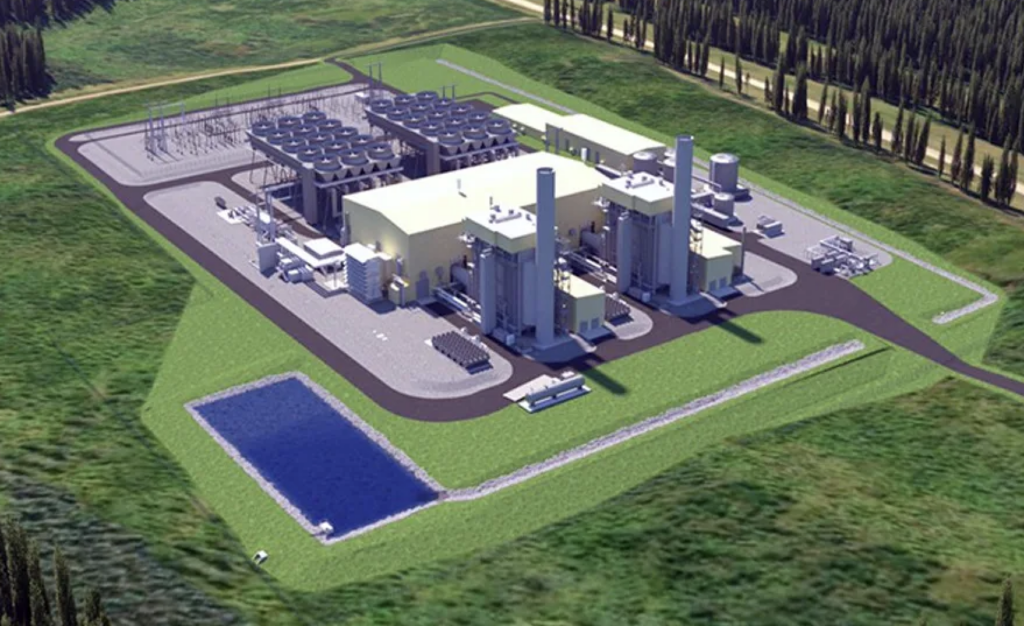
Another recent example of pushback related to water usage comes from Sweetwater, Texas, where some critics initially opposed Tenaska Energy’s proposal to build the Tenaska Trailblazer Energy Center, a carbon-capturing conventional coal-fueled power plant near the city. A number of opponents voiced concerns about protecting the area’s limited water resources and air quality. Eventually, the Environmental Defense Fund (EDF), an environmental advocacy group, became involved.
After a period of negotiation, Tenaska and EDF signed an agreement in April in which Tenaska agreed that water for plant operation obtained from outside sources will not exceed 2,000 acre-feet per year, enough to support the plant’s innovative water-efficient cooling design. The facility will have dry cooling equipment that uses air to cool water and steam rather than evaporating water. Because there is no evaporation, water consumption is reduced by more than 90% when compared with traditional “wet cooling” methods. Instead of consuming an estimated 10 million gallons of water per day, Trailblazer is expected to use an average of 1 million gallons per day, and no more than 2 million gallons a day even during periods of high demand for electricity.
Proposed Federal Energy-Water Legislation
On July 11, 2011, Sen. Jeff Bingaman (D-N.M.) introduced the Energy and Water Integration Act of 2011 (S. 1343). The proposed legislation mirrors Title 1, Subtitle D of S. 1462 of the 111th Congress’s energy bill and highlights the nexus between energy production and water resources. It aims to, among other things, “protect water supplies and promote the efficient use of water in the electricity production sector.” To that end, it calls for “a study to identify alternative technologies and related strategies to optimize water and energy efficiency in the production of electricity by each type of generation.”
The Congressional Budget Office estimates that fully funding the legislation would cost $136 million over the 2012–2016 period, assuming the appropriation of necessary amounts.
“Developing new policies that integrate energy and water solutions will become increasingly vital as populations grow and environmental needs increase and a changing climate continues to affect our energy and water resources,” Bingaman said at hearing on the bill in March.
A Top-of-Mind Issue
Black & Veatch’s annual Strategic Directions in the Electric Utility Industry surveys have captured changing electric utility trends in the U.S for more than 50 years. The 2011 survey revealed some interesting new developments. For the first time, water supply was ranked as the top environmental concern. In addition, water effluent was among the top five environmental concerns, calling greater attention to the growing importance of the nexus of water and energy.
If we want to meet our future electricity and water needs here in the U.S., we have to take a fresh approach. Public and private entities must work together to successfully develop reliable, sustainable sources of energy and water that will promote growth in the U.S. economy.
— Angela Neville, JD, is POWER’s senior editor.