
By Steven F. Greenwald and Jeffrey P. Gray
These should be good times for environmentalists who focus on “green” energy policy. More than half the U.S. states have adopted renewable portfolio standards (RPS) that require utilities to meet specific renewable generation targets, and many are considering additional actions to reduce greenhouse gas (GHG) emissions.
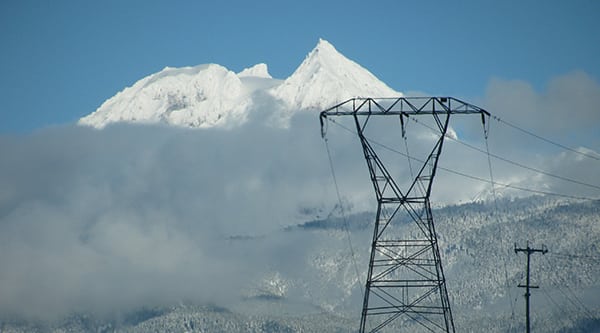
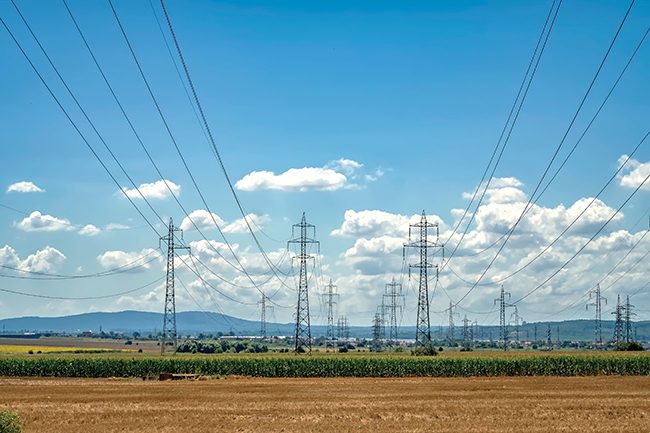
Such policies should thrill environmentalists, but their joy has been tempered. Increased demand for renewable generation is also creating tension within their community. Demand for large-scale wind and solar projects has precipitated an urgent need for new transmission infrastructure to carry power from remote areas (where such generation is most often located) to load centers. The siting of the new transmission lines, however, often requires crossing state and federal parks or other areas environmentalists view as sensitive. The reality that renewable power demands increased transmission infrastructure is creating an uneasy, and so far unresolved, tension among regulators, proponents of renewable power projects, and certain segments of the environmental community.
Got transmission?
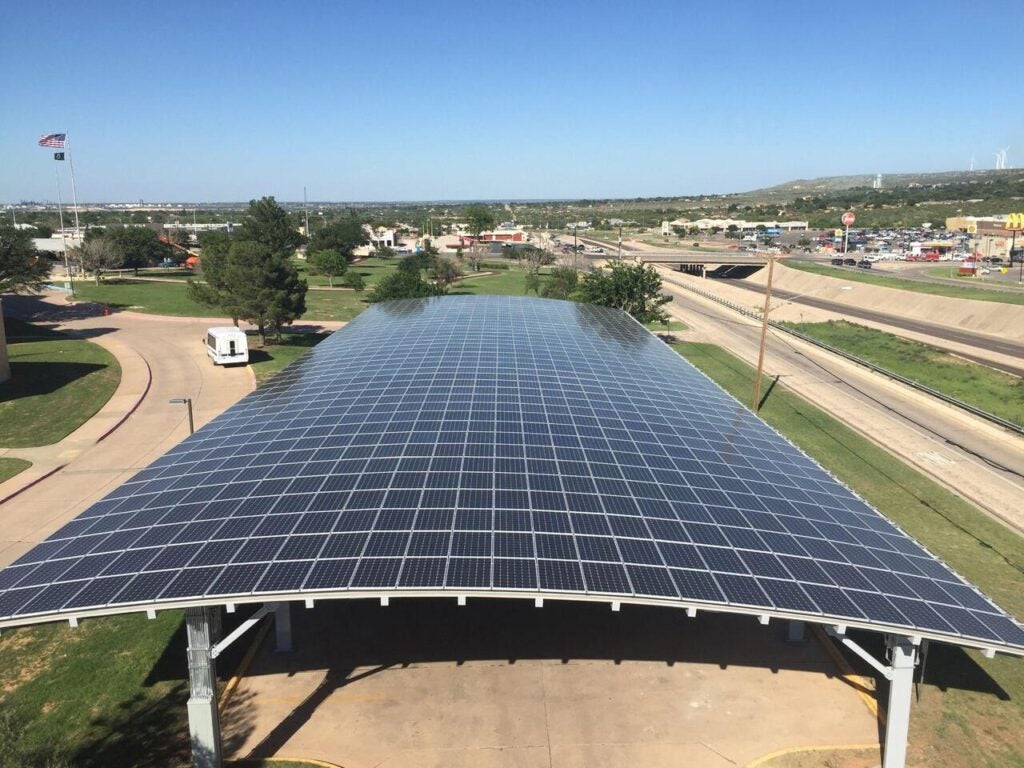
An increasing amount of utility-scale renewable energy generation is needed to meet ambitious RPS and GHG emission reduction requirements, especially within the prescribed time periods. This is the case notwithstanding recent increases in rooftop solar photovoltaic (PV) installations and more aggressive incentives for energy efficiency and demand response programs.
Currently, the California Independent System Operator (CAISO) has interconnection requests for more than 42,000 MW associated with renewable generation projects—an astounding number given that the historic peak load for the CAISO control area is just over 50,000 MW. Though not all of these projects are expected to be built, the sheer number of requests in the interconnection queue underscores the unprecedented levels of large-scale renewable energy projects in the development pipeline.
Unlike rooftop PV, which can be installed within the load center and which requires, at most, minimal and localized upgrades to utility infrastructure, larger-scale renewable generation projects are usually located in areas that can maximize the generating potential of the fuel source and often require substantial land area. For example, a 400-MW wind generation project can require up to 2,000 acres of land in areas with strong and predictable winds. As many as 1,500 acres could be needed to generate 300 MW with certain solar thermal technologies. And, given the nature of its fuel source, geothermal generation is typically located away from load centers. The net effect is that high-voltage transmission lines, often of great length, are needed to deliver power from these preferred resources to consumers.
California recently began a planning process—the Renewable Energy Transmission Initiative (RETI)—to identify transmission projects that will help enable the state to achieve its renewable energy targets. One goal of RETI is to provide a publicly vetted process to fully consider the economic and environmental impacts of renewable energy development so that better, more-informed decisions can be made with respect to the regulatory approval of specific transmission projects needed to access renewable generation. Although a RETI-type process should better ensure that the public and decision-makers are made aware of the various renewable resource/transmission trade-offs inherent in the build-out of large-scale renewable energy projects, it is unclear whether it will provide a sufficient framework to facilitate decision-making for particular projects.
Sheep, solar, and coal
Two environmental groups are currently opposing a proposed transmission project that would connect portions of Southern California with renewable energy–rich areas near the California-Mexico-Arizona borders. The project’s alleged impacts on bighorn sheep populations are among their objections. These groups have identified new fossil-fueled generation located near a load center as a preferred alternative to siting a transmission line for renewables near the bighorn sheep.
It may well be that society would be better served by not building the transmission line in deference to the bighorn sheep. However, the current approach toward environmental review of energy infrastructure projects countenances the energy policy paralysis this country has suffered since at least the first oil embargo in the 1970s. It does so by ducking the question, What’s preferable: more fossil-fueled generation or renewable power and associated transmission lines?
Tough choices must be made
Increasing renewable generation, reducing GHG emissions, and decreasing dependence on foreign oil are important national policies that must be advanced. The reality that new transmission facilities must be constructed to accomplish these goals requires a new paradigm for the environmental assessment of additions to the transmission infrastructure.
The environmental analysis for transmission projects must reflect the environmental, energy, and political realities of our era. If California and other states want renewable power, particularly in the quantities and on the timetables dictated by policymakers, residents of these states must accept that additional transmission facilities are required and that workable mitigation measures must be developed to address environmental concerns. The era of an “environmental veto” has passed. Construction of these needed facilities will inevitably impose some local or broader environmental cost, so decision-makers must be able to appropriately weigh those costs against the regional and national benefits of increased renewable power.
—Steven F. Greenwald (stevegreenwald@dwt.com) leads Davis Wright Tremaine’s Energy Practice Group. Jeffrey P. Gray (jeffgray@dwt.com) is a partner in the firm’s Energy Practice Group.