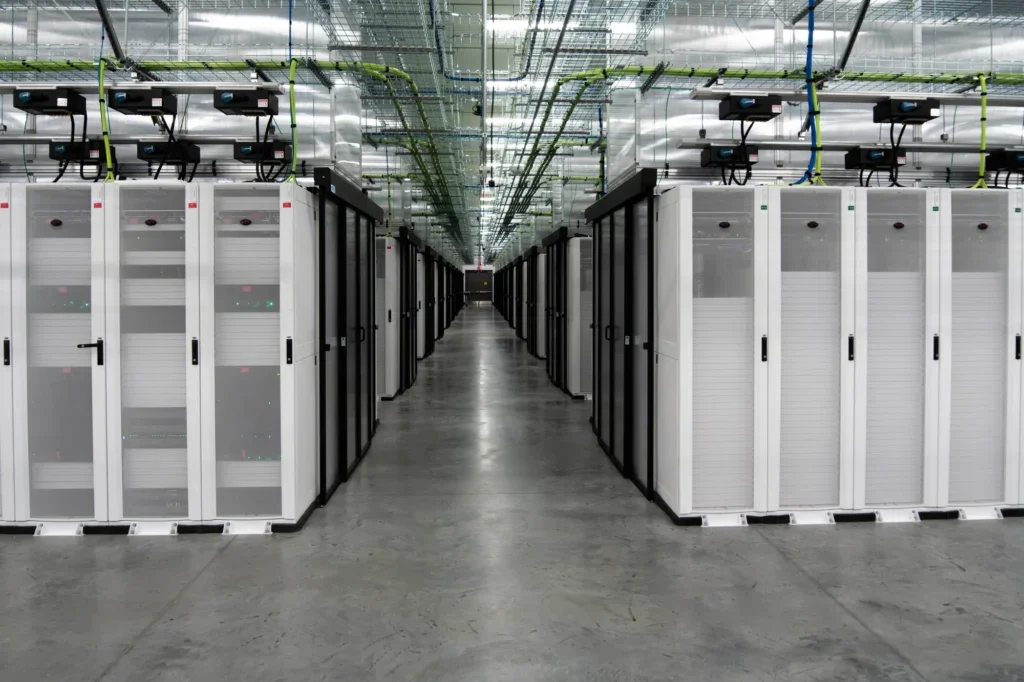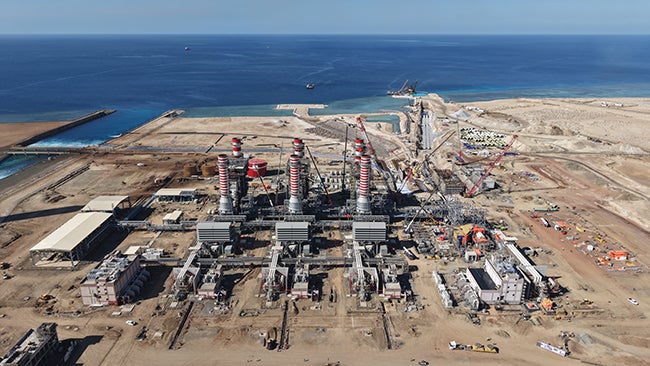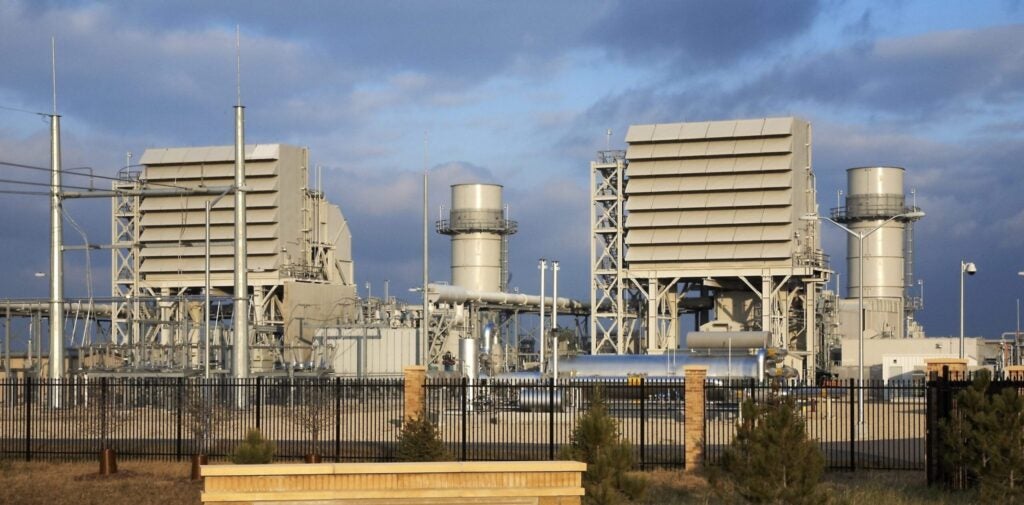
For nearly 25 years, KR Sridhar has argued that large electricity users should not have to wait for the grid to reach them. The proposition once sounded ahead of its time, then specialized, then useful to hospitals, campuses, retailers, telecom networks and data centers that wanted power close to the load. By 2025, as artificial intelligence upended power planning, it became a pointed strategy because developers could raise capital, secure chips and plan campuses faster than utilities could energize sites.

Sridhar, the founder, chairman and chief executive of Bloom Energy, has long been the visionary behind that argument. Before he co-founded the company in 2001 as Ion America, he directed the Space Technologies Laboratory at the University of Arizona, where he led NASA-funded work on systems intended to sustain human life on Mars, including pioneering solid oxide technology to convert Martian carbon dioxide into oxygen and hydrogen.
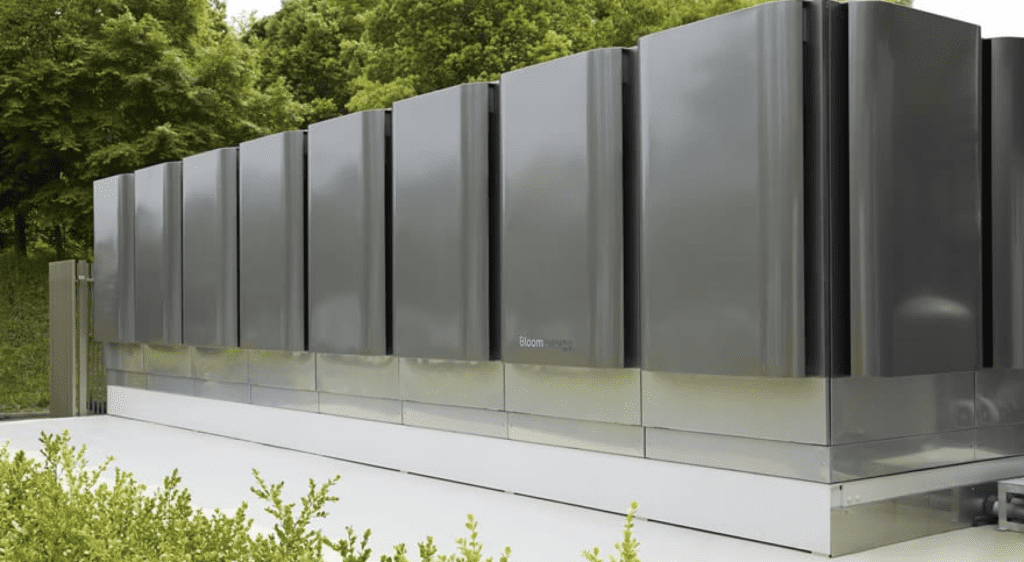
Founded as Ion America, Bloom shipped its first 5-kW field trial unit to the University of Tennessee at Chattanooga in 2006, commercially launched the Bloom Energy Server in 2008 with early deployments at Google, Walmart, Coca-Cola, FedEx and Bank of America, completed its first microgrid at Owens Corning in 2011, expanded U.S. manufacturing in Delaware in 2012, delivered its first international project in Japan with SoftBank in 2013, deployed a community microgrid in Hartford, Connecticut, in 2016, and went public on the New York Stock Exchange in 2018. Less than five years later, it opened its Fremont, California, gigawatt-scale manufacturing facility.
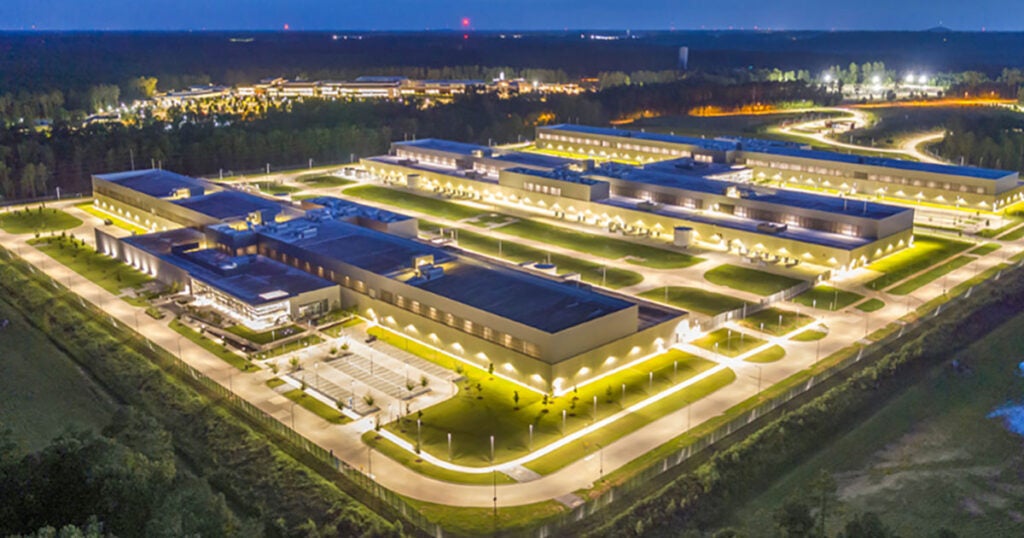
Bloom’s decade-old arrangement with Equinix passed 100 MW in February 2025 across 19 data centers in six states, about 75 MW operating and 30 MW under construction, a hundredfold increase over the 1-MW pilot the companies installed in Silicon Valley in 2015.
In July 2025, Oracle agreed to use Bloom fuel cells at select cloud sites after Bloom delivered power for an Oracle data center within 55 days, a relationship the companies expanded in April 2026 into a master agreement covering as much as 2.8 GW, including an initial 1.2-GW deployment. Brookfield Asset Management committed $5 billion in October 2025 to finance AI infrastructure projects built around Bloom equipment and raised that commitment to $25 billion in June 2026.
“I founded Bloom on the conviction that on-site power would be essential to powering the world and ushering in the digital transformation,” he told investors in July. “And we have built our company to offer the best on-site power solution that removes friction for our customers. We are clean and reliable and fast and affordable. Customers do not have to choose or compromise.”
The trajectory is striking for an engineer whose path began in India, where he earned his bachelor’s degree in mechanical engineering at the National Institute of Technology, Tiruchirappalli, before graduate work in nuclear and mechanical engineering at the University of Illinois at Urbana-Champaign.
Sridhar went on to become a professor, a NASA researcher, an inventor with numerous electrochemical-energy patents, a member of the National Academy of Engineering, and the founder of a public company now central to one of the power sector’s most urgent growth markets.
Through that rise, he has described Bloom’s direction as a matter of discipline as much as ambition, rooted in a mission to make safe, reliable, affordable and accessible electricity available broadly. “Every time we make a decision in the company, I ask, ‘Is that going to move us closer to that mission statement or does it play in the margins?’”
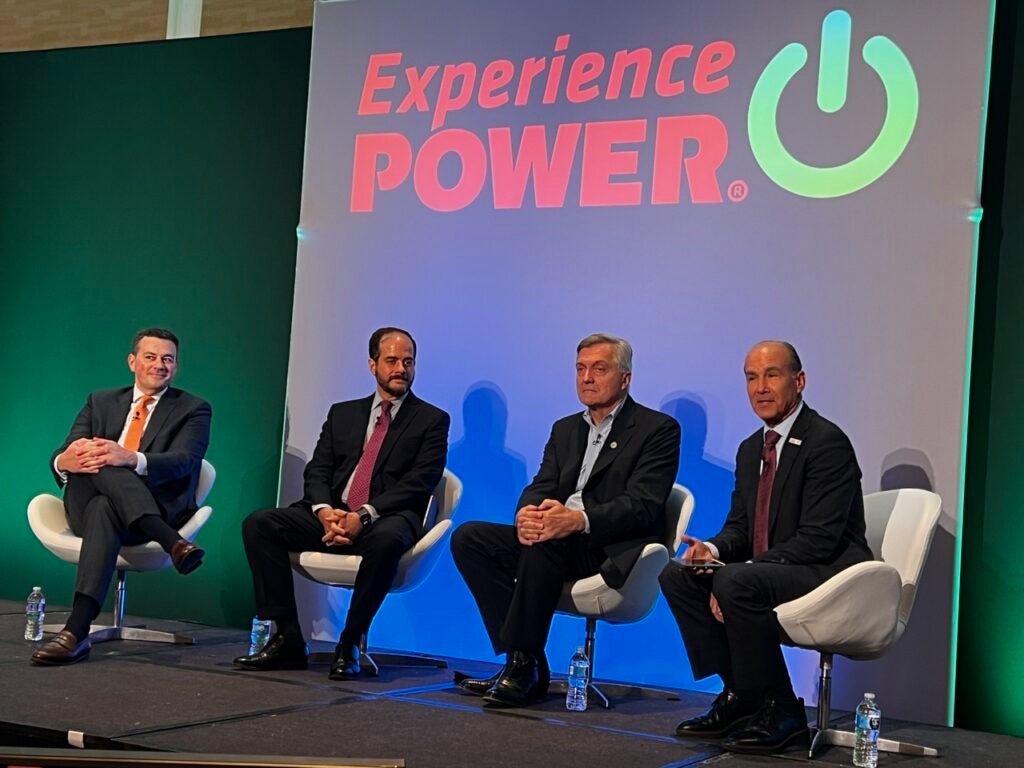
For his sustained leadership in advancing distributed, on-site power and positioning Bloom Energy for the rapid growth in data center and AI electricity demand, Sridhar is the recipient of POWER’s 2026 Executive Leadership Award.
—POWER