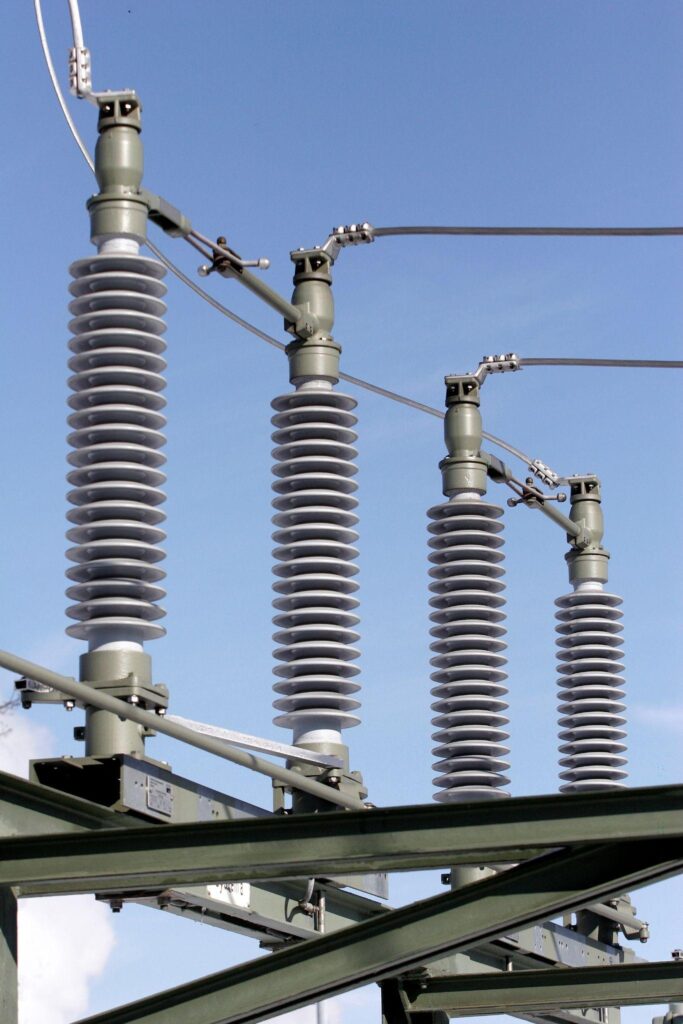
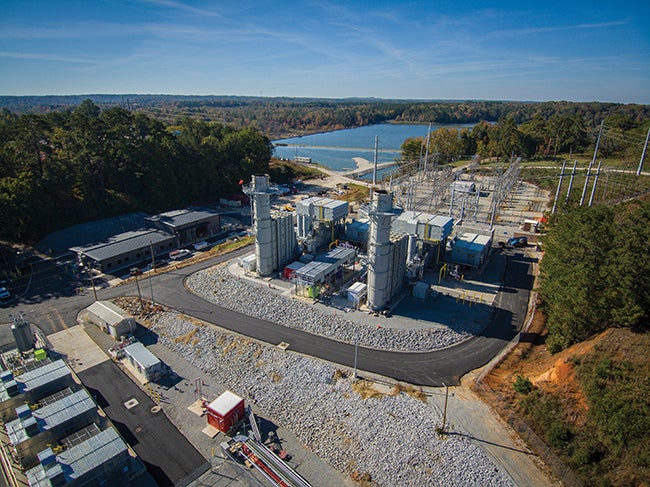
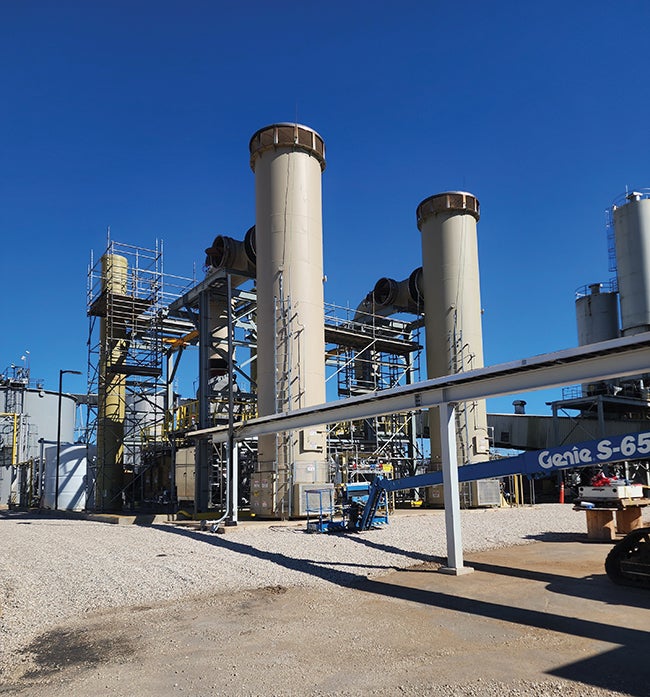
According to the U.S. Department of Energy, the domestic power system is facing mounting pressure from growing electricity demand, a backlog of generation interconnection requests, and an aging transmission infrastructure. In addition, accelerating domestic manufacturing, increasing electrification, and the rapid expansion of artificial intelligence (AI)-driven data centers are expected to drive substantial growth in electricity demand over the coming decade.
These growing pressures will require continued development and upgrading of the nation’s electric utility system. While these projects will often be massive in scope, their long-term performance will depend on thousands of smaller decisions involving materials and components that receive far less attention.
Fasteners are a classic example. Fasteners may represent a tiny fraction of the costs associated with the development of substations, transmission structures, generation facilities, and similar assets. Still, selecting fasteners with the wrong material, coating, or quality level can result in significant consequences.
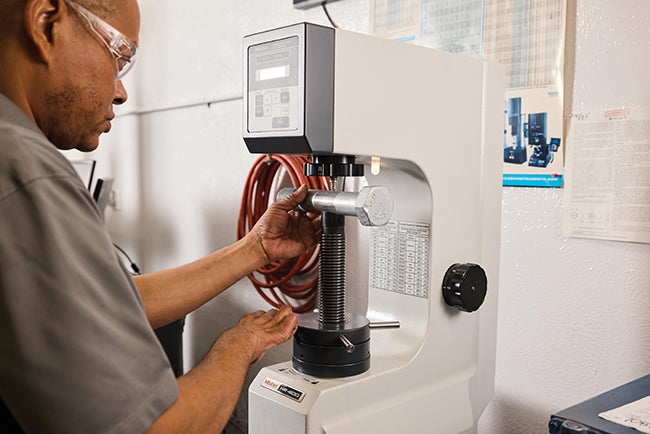
Fastener evaluation should account for material grade, coating compatibility, exposure conditions, operating temperature, vibration, installation requirements, and compatibility of the complete bolted assembly. Choosing the right hardware and confirming that the supplier has reliable quality, testing, and documentation processes in place (Figure 1) is a practical way to help protect the larger investment. The goal isn’t simply to complete today’s project, but to build infrastructure that will reliably serve its function for many years.
 |
|
1. Hardness testing is one way suppliers confirm fasteners meet required material specifications. Courtesy: All-Pro Fasteners |
Together, five quality control elements can better ensure reliable fastener performance across a wide range of utility applications.

In This Issue
Full issue1. Compare Lifecycle Cost, Not Unit Price. The product life of fasteners is a critical factor in the long-term performance of most utility structures. Considerations relating to their lifecycle begin with the application itself. The presence of moisture, chemicals, temperature changes, or other environmental conditions can affect fastener performance and service life.
However, not every project will require the most expensive fastener or coating available. The key factor in the selection of fasteners is most often the lifecycle cost, which balances fastener costs against their durability and service life in the context of the application’s demands. Fastener pricing is only one element in the overall lifecycle cost equation. A fastener that requires earlier replacement may result in additional expenses that dwarf the savings from purchasing a “lowest-cost” fastener, especially when access is difficult, equipment must be taken out of service, or maintenance or repair crews must be deployed.
The key question is not, “How much does this fastener cost today?” Instead, it should be, “How reliably and how long will the fastener serve the specific application?”
2. Don’t Confuse ISO 9001 With Product Certification. Evaluating a supplier’s quality management system (QMS) will determine whether its relevant processes are defined, controlled, and consistently applied. One widely recognized QMS standard is the ISO 9001 certification, which establishes that a supplier’s quality management system has been assessed against a recognized set of processes and requirements. While this certification can provide confidence that processes are defined, controlled, and reviewed in a consistent, by-the-rules manner, it does not, by itself, establish that every product conforms to the requirements of a particular project.
A more comprehensive evaluation looks beyond the ISO 9001 certificate. Can the supplier provide a clear path for orders to move from the purchase order into sourcing, manufacturing, inspection, and shipping? Are nonconforming materials identified and controlled? Can the supplier provide the required records appropriate to the product and application? A QMS certificate is only one part of that picture, not the entire picture.
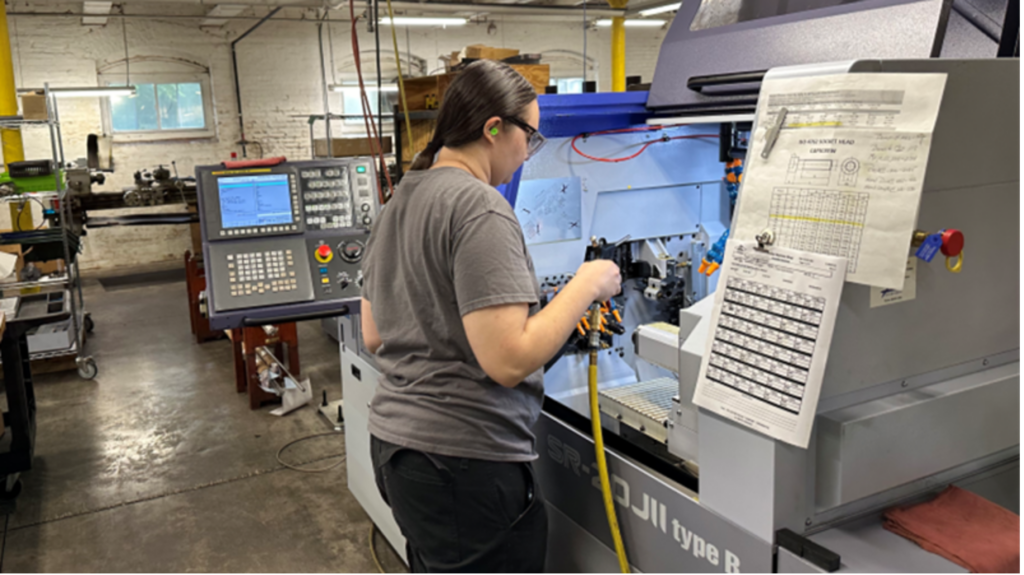
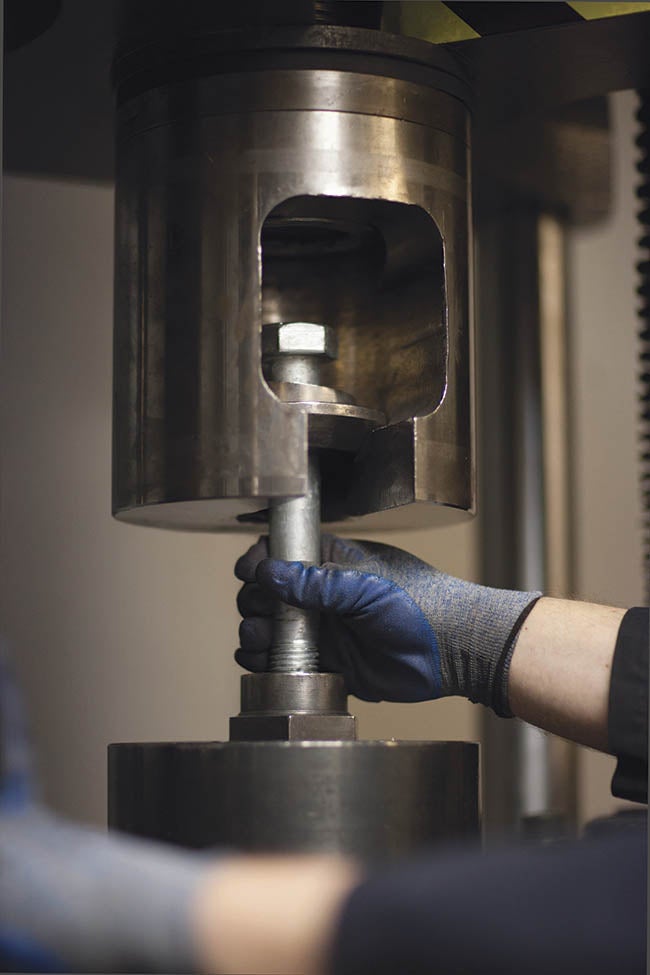
3. Verify the Laboratory’s Accredited Scope and Employ Testing. The capabilities of the supplier’s quality assurance/quality control (QA/QC) laboratory (Figure 2) provide another, perhaps more critical, piece of evidence that fasteners will meet the demands of the application. Depending on the fastener and its specifications, testing may address such characteristics as hardness, tensile strength, proof load, and impact performance.
 |
|
2. Tensile testing is one method quality assurance/quality control labs use to confirm fasteners meet strength specifications. Courtesy: All-Pro Fasteners |
ISO/IEC 17025 is especially relevant because many specifications for structural bolts (ASTM F3125/F3125M) and transmission-line hardware (ASTM A394 and A563) depend on the accuracy, integrity evaluation, and test performance. For procurement and quality teams, the practical task is to connect testing to the application’s actual requirements. The relevant questions are straightforward: What must be verified? Is the laboratory qualified to perform that test? Can the tested samples be traced to the supplied material?
4. Define Documentation and Traceability Before Ordering. Reliable acceptance depends on records that connect the delivered fasteners to the applicable specifications, tests, and production lots. Procurement teams should clearly define the documentation required by the project in the purchase order and confirm that the supplier can provide it. These records might include:
■ Material Test Reports (MTRs). Depending on the governing specification, these reports can document chemical composition, mechanical test results, material identity, heat treating or lot information, and other evidence of conformity. MTRs may be particularly important for high-strength, custom-manufactured, or critical components.
■ Letters of Compliance.For standard hardware where a full MTR may not be needed, a letter of compliance can serve to document the supplier’s attestation that the delivered parts meet the stated requirements.
■ Lot Traceability. Suppliers should maintain lot traceability appropriate to the governing specification and application risk. Records and package identifiers should connect the delivered hardware to the applicable manufacturing, processing, and testing documentation.
Comprehensive documentation can play a key role in ensuring consistent quality in the supply of utility fasteners.
5. Build a Chain of Evidence. A thorough fastener quality process connects every stage of fastener manufacturing and supply. Engineering defines the material, coating, mechanical, and service requirements before procurement teams incorporate them into the purchase order. The quality team verifies a supplier’s certifications, test reports, and laboratory scope, while receiving confirms that the delivered hardware can be traced back to the applicable records.
No single type of evidence should be assumed to establish conformity in every application. Confidence comes from a complete chain of requirements, evidence, and traceability. Establishing that chain before material is accepted helps to prevent a relatively inexpensive fastener from being the source of an expensive issue.
Small Decisions Protect Large Investments
Fastener quality does not begin with receiving, nor can it be reduced to a single certificate, test, or document. Its genesis lies in engineering requirements that reflect the service environment, and it continues when procurement clearly communicates those requirements. Following that, it is the supplier’s responsibility to demonstrate control over the material and processes involved.
Power utility projects will always face pressure on budgets and schedules. The answer is not to add the same parameters, processes, time, and cost to every fastener purchase. Rather, the objective is to give all fasteners the degree of attention their application deserves.
While a fastener may be one of the least expensive items on a utility construction project, making an informed decision during procurement is always critical to the system’s life cycle and reliability.
—Roderick Williams is the director of Quality at All-Pro Fasteners. He serves on ASTM Committees B08, A01, and F16, and on API Committees SC20 and SC21.