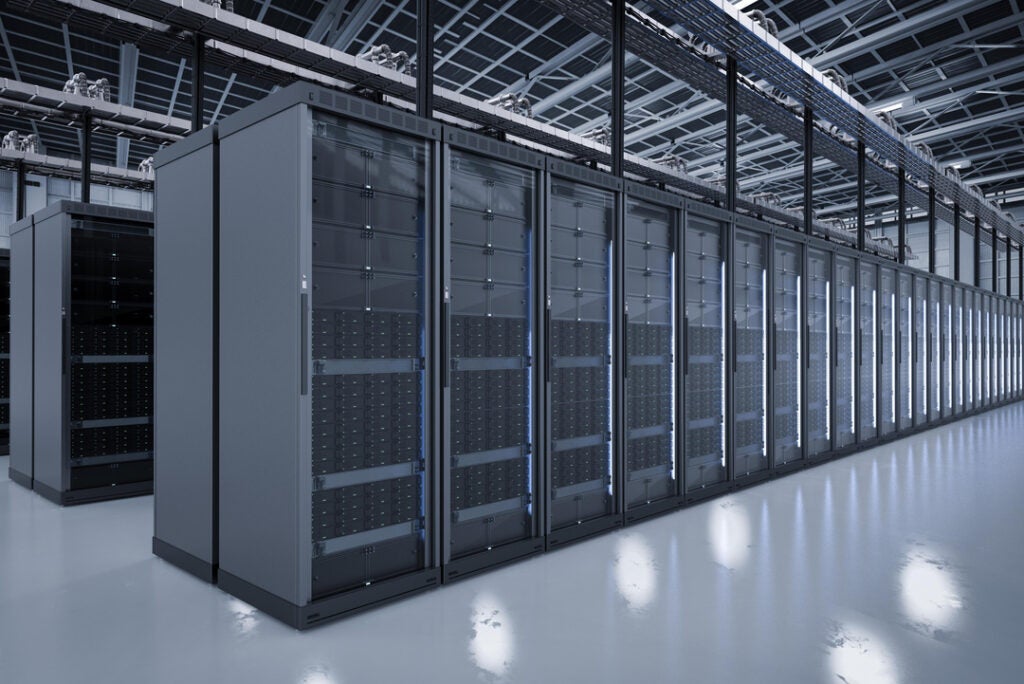
The data center buildout underway across North America is charging ahead at full speed and may even surpass original forecasts. Facility owners are no longer planning incremental expansions. The demand for data, driven by the rapid adoption and maturation of artificial intelligence (AI), now has them planning in gigawatts. Demand has increased; expectations have changed, yet many infrastructure and trade-off assumptions still linger, holding data centers back from reaching their full potential.
One of those assumptions is that reliability and sustainability are competing priorities. There is a longstanding belief that data center owners must choose between running hard and running clean. At the power infrastructure layer, that simply isn’t the case anymore. Electrical decisions made during design can help data center owners accomplish both without compromise.
The Scale of the Demand Problem
Understanding the infrastructure challenge requires clarity on what is actually driving demand. While AI workloads are the fastest-growing source of data center power demand, they currently represent only approximately 14% of total consumption, according to recent Goldman Sachs research, with cloud computing and traditional storage workloads accounting for the remainder. AI’s share is rising rapidly, but the sheer volume of baseline data storage growth means the buildout challenge extends well beyond AI infrastructure alone.
According to a 2025 Synergy Research Group report, nearly 1,300 hyperscale data centers exist globally, with roughly 770 more planned. Meanwhile, AI-driven data center power needs are projected to rise 175% during the same period.
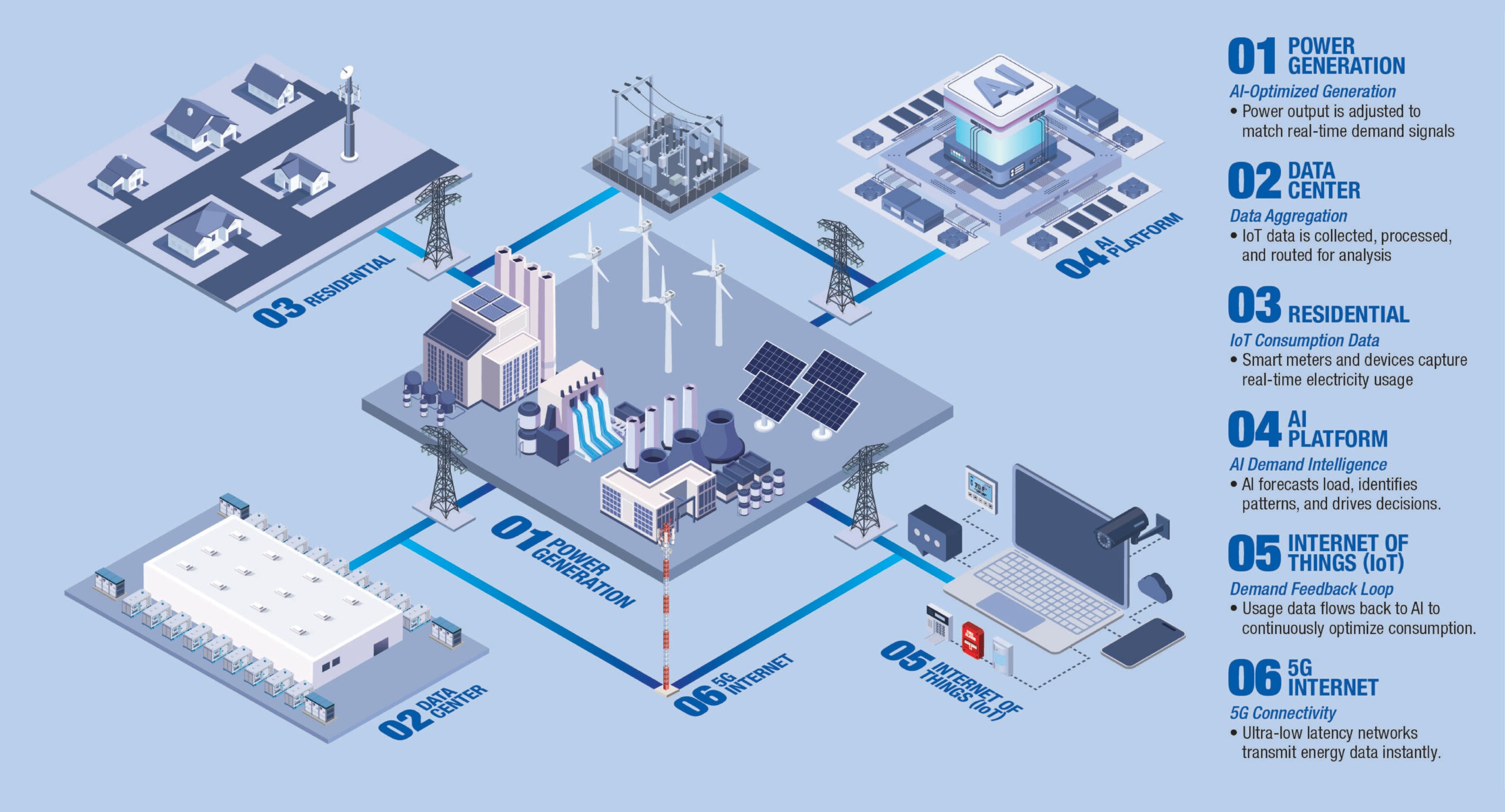
AI platforms, and end users, making infrastructure decisions foundational to both performance
and sustainability. Source: Southwire
In regions where grid connections cannot keep pace with development timelines, island power and microgrid solutions have become standard stop-gap measures. These bridge strategies sustain operations until utility capacity catches up, but they are not long-term infrastructure solutions. The data centers built today will need reliable, sustainable solutions that help them power smarter and operate greener to keep them running smoothly over their expected 20-year service life.
The geographic footprint of this buildout is also shifting. Traditional hyperscale clusters in Northern Virginia, Phoenix, and Dallas have either saturated available power or faced significant community resistance. Development is moving to markets where land and power are more accessible, including rural corridors in the Southeast, the Rocky Mountain region, and the Plains states, where weather exposure, environmental conditions, and grid infrastructure pose challenges distinct from those in established markets. High heat, ice storms, and high-wind events must be considered in the design phase to specify appropriate solutions.
Powering Smarter: From Transmission to Distribution
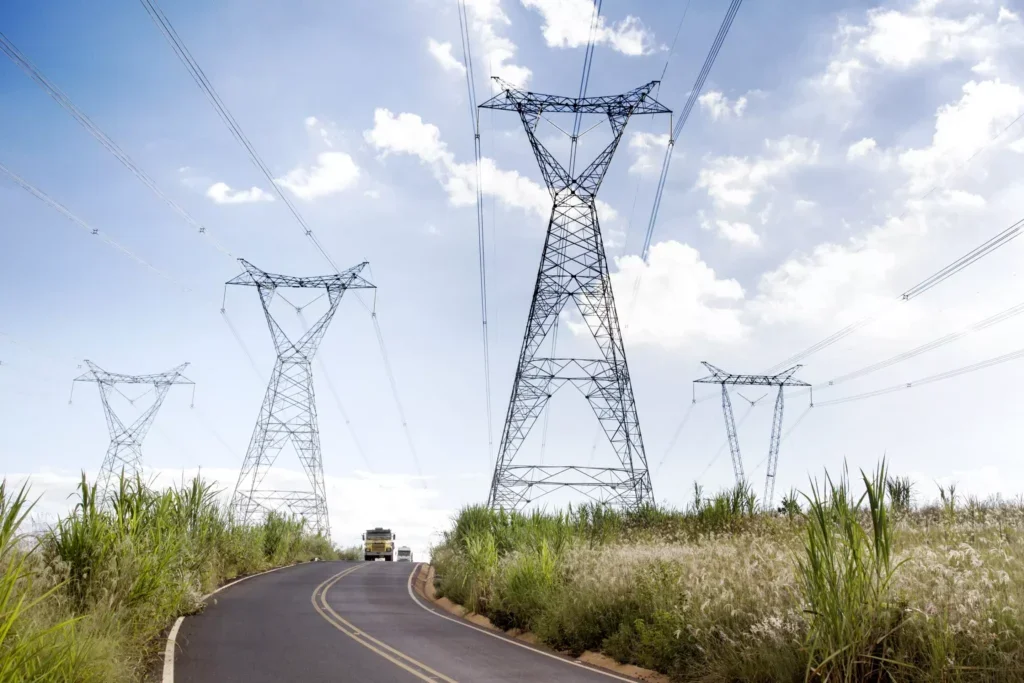
Overhead power cables are the first critical link in a data center’s power delivery chain. By specifying high-temperature, low-sag overhead conductors designed for extreme climate conditions, data center owners can increase ampacity and improve transmission reliability and performance, while also utilizing existing rights-of-way and towers to reduce environmental disruption and the carbon footprint of new corridor construction.
Proper specification is equally important for power crossing the facility threshold. Both medium-voltage (MV) and high-voltage (HV) systems require advanced insulation and jacket materials capable of withstanding heat, moisture, and mechanical stress across the full range of conditions the facility may encounter. Whether inside or outside the building, undersized conductors, those inadequately rated for actual load profiles, or those not suited to the environment can degrade and cause line losses, increasing the risk of unplanned outages and
shortening service life.
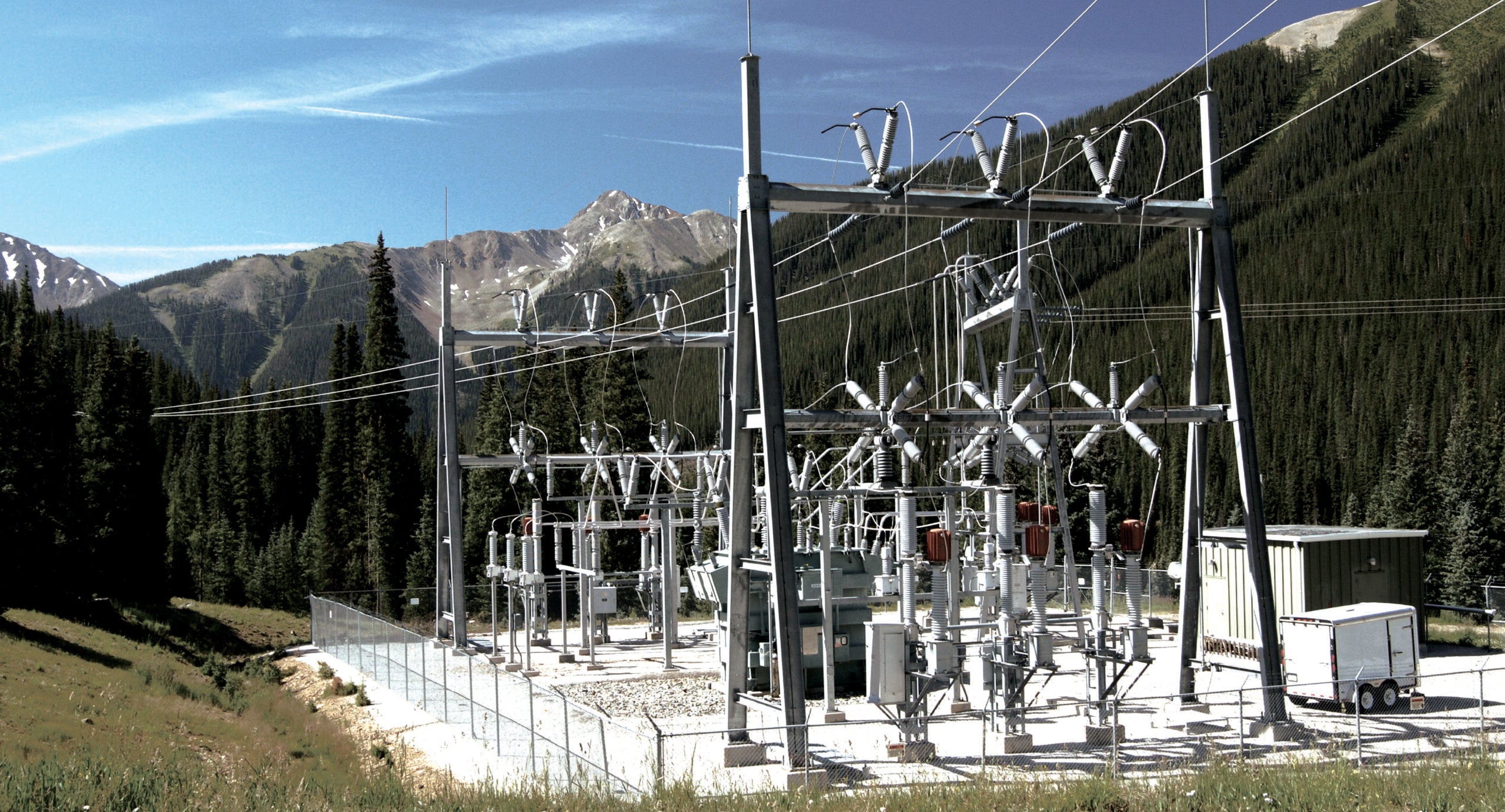
Proper specification across the full power delivery chain, from overhead transmission through MV and HV distribution, is where reliability and sustainability intersect most directly. A conductor engineered for its actual operating environment lasts longer, degrades more slowly and predictably, and requires less frequent replacement. That translates directly to fewer rip-and-replace cycles, less material waste, and lower embodied carbon over the facility’s service life. The infrastructure decisions that protect uptime are, by definition, the same decisions that reduce long-term environmental impact.
Operating Greener: Sustainability Begins with Specification
Leading hyperscalers have moved sustainability requirements upstream into their procurement processes. Several converging pressures are driving this shift. Corporate net-zero commitments have moved from aspirational to contractual, with major operators now required to account for Scope 3 emissions. At the same time, community opposition to data center development has intensified in established markets. Planning boards and advocacy groups are scrutinizing construction materials and practices, as well as operational energy use and carbon emissions.
Operators who cannot demonstrate verified environmental commitments at the materials level are finding it harder to secure community approvals. The result is that sustainability criteria, once addressed late in procurement, are now entering the specification conversation at the same stage as performance requirements.
Recycled copper offers a significant sustainability advantage, requiring about 85% less energy to produce than primary copper from ore. For data center owners with Scope 3 reporting obligations, the embodied carbon in wire and cable is often overlooked in favor of the more obvious sources in concrete and steel. Manufacturers producing electrical components with recycled copper provide a verifiable path to reduce that footprint without compromising conductor performance, giving procurement teams documented reductions they can report with confidence.
For facilities approaching the 10- to 15-year mark in their service life, responsible infrastructure modernization is key. Innovative retrofit approaches for aging cable systems can extend asset life and avoid the full carbon cost associated with sourcing new materials, manufacturing, transportation, installation, and waste. Modernizing existing infrastructure where technically appropriate is a sustainability practice that remains underutilized relative to its potential.
For greenfield or brownfield projects, Environmental Product Declarations (EPDs) are the gold standard for providing third-party-verified, cradle-to-gate carbon data in accordance with ISO 14025. Operators can incorporate that data directly into bids and sustainability reports. For hyperscalers, EPD availability is increasingly a specification requirement—a condition of doing business rather than a consideration that is addressed late in the evaluation.

Specification decisions made at the design stage have both performance and sustainability implications that extend 15 to 20 years into the future. A facility built with electrical components engineered for actual operating conditions and with verified material transparency through EPDs is better positioned to meet both performance imperatives and decarbonization commitments.
The Coordination Imperative
Early coordination among data center owners, utilities, engineers, contractors, and manufacturers will ensure performance and sustainability are designed in from the beginning. In an environment defined by compressed timelines, constrained supply chains, and communities that are increasingly skeptical of data center development, coordination becomes a competitive advantage. Treating electrical infrastructure decisions as a systems problem rather than a procurement checklist is what keeps projects on schedule and sustainability commitments intact.
From a performance standpoint, the case for early coordination is straightforward. When MV cable lead times can exceed 50 weeks, treating conductors as a downstream procurement item rather than integrating them into the coordination schedule alongside switchgear, transformers, and uninterruptible power systems has immediate and cascading consequences.
When gear arrives on site, but conductors are unavailable, improperly staged, or misaligned with routing constraints, the schedule impact ripples across mechanical, structural, and commissioning scopes simultaneously. Capacity agreements, in which manufacturers hold production slots against an owner’s multi-year forecast, offer operators peace of mind that construction timelines won’t get pushed out despite constrained supply chains.
Utilities are equally critical partners in coordination. Sharing multi-year capacity forecasts with utility providers enables them to anticipate requirements and begin building or modernizing transmission lines to handle the data center load. By working with utilities early, data center owners are more likely to have the transmission infrastructure they need available on time, keeping construction and time-to-power timelines on track.
Early collaboration also delivers sustainability benefits, alongside performance improvements. When routing geometry is optimized during design, unnecessary splice points are eliminated, reducing material waste and the associated carbon footprint. Pull studies conducted during design inform routing decisions and eliminate unnecessary complexity before it reaches the field. Defining delivery sequencing and storage requirements in advance prevents product damage and the rework it causes.
Designing for the Full Service Life
The data centers being planned and built today will operate for two decades or more. Power infrastructure decisions made today will determine whether a facility can handle the load profiles of 2035 and beyond, withstand increasingly severe weather events, and satisfy tightening sustainability reporting requirements.
Powering smarter and operating greener are not competing objectives to be balanced against each other in the design process. At the infrastructure layer, they are expressions of the same discipline: specifying infrastructure for actual conditions, full-service life, and verified performance rather than minimum acceptable thresholds. The industry has long accepted the reliability-versus-sustainability trade-off as an engineering reality, but it is not a technical constraint; it is a planning failure.
Data centers built on thoughtful specifications, verified material transparency, and early coordination need not choose between running hard and running clean. At the infrastructure layer, they don’t compete; they complement one another.
—Jack Graves is VP, Strategic Verticals, at Southwire. Read more about energizing the digital era here.