The electric vehicle (EV) charging conversation in America has focused largely on hardware: how many ports, what power level, where to locate them. That framing misses the more consequential challenge. Projected EV adoption this decade requires a public charging network far larger than the one operating today. Meeting that demand requires grid infrastructure that does not yet exist in most markets and a planning process that most developers, fleet operators, and building owners have not adopted.
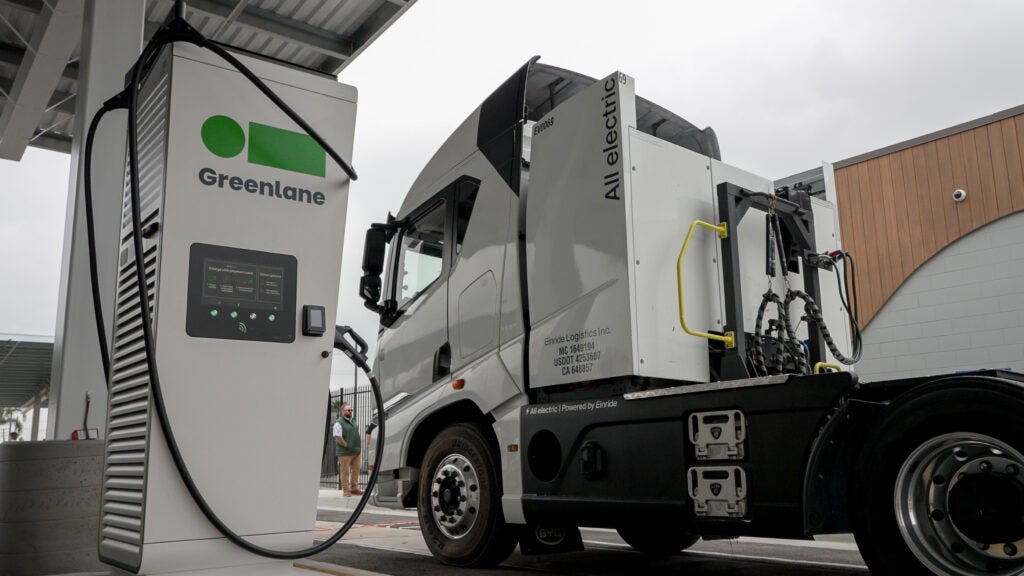
The gap shows up across every deployment context. Commercial charge point operators (CPOs) negotiate sites where grid capacity is already constrained. Fleet operators commit capital to depot infrastructure without modeling how utility rate structures will affect operating costs. Multifamily property owners install Level 2 chargers without accounting for building load profiles that shift when dozens of residents charge simultaneously. Utilities built most distribution grids for load profiles that predate EV charging, leaving transformers and distribution networks exposed to overload, voltage imbalances, and congestion during peak periods.
Rate Complexity is the Hidden Project Risk
The infrastructure problem is inseparable from the rate structure problem. Utilities across the country have introduced multi-tier time-of-use (TOU) rates to manage demand on the distribution system. For fleet operators, those rates create a direct operational constraint: charging windows must align with off-peak periods to avoid triggering demand charges that can reset the cost baseline for up to 12 months. Utility providers in most markets bill commercial customers on two metrics: total energy consumed, and peak power demand within any billing interval, often a 15-minute window. When multiple vehicles plug in simultaneously at the end of a shift, that single event can set a demand charge that applies to the entire monthly bill. Avoiding that outcome requires infrastructure designed with rate management built into the planning process from the start.
Battery Storage, VPPs Change the Calculus
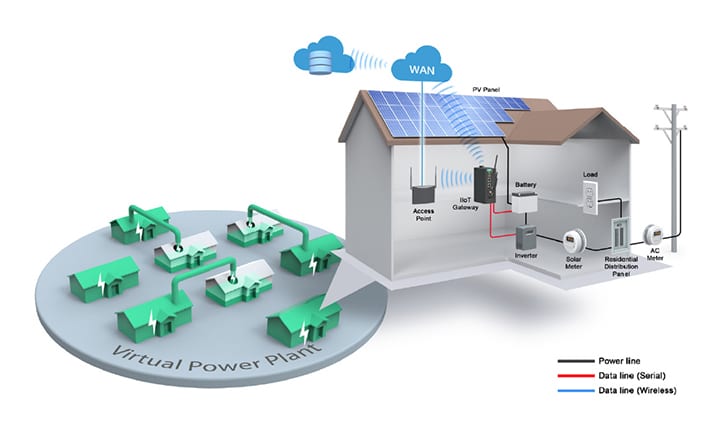
Behind-the-meter battery storage gives fleet operators, CPOs, and multifamily property managers a tool to decouple peak demand exposure from grid peak hours. An energy management system switches between battery and grid supply based on real-time rate conditions, absorbing off-peak energy and dispatching it during high-demand charging windows.
Virtual power plants (VPPs) extend that capability into a revenue model. VPPs can offset a meaningful share of peak demand, improve grid reliability at relatively low cost, and deploy faster than traditional generation. For a CPO or fleet depot operator, participation in a VPP converts a cost center into a partial revenue source. Operators need to structure those agreements before a project breaks ground to align with available incentive windows.
Infrastructure Coordination is the Missing Layer
Grid modernization does not happen at the utility level alone. It happens at the project level, in the decisions made before crews pull the first conduit. Undersized switchgear, load calculations that ignore demand charge exposure, and extended utility energization timelines are the project risks that stall deployments after capital is committed.
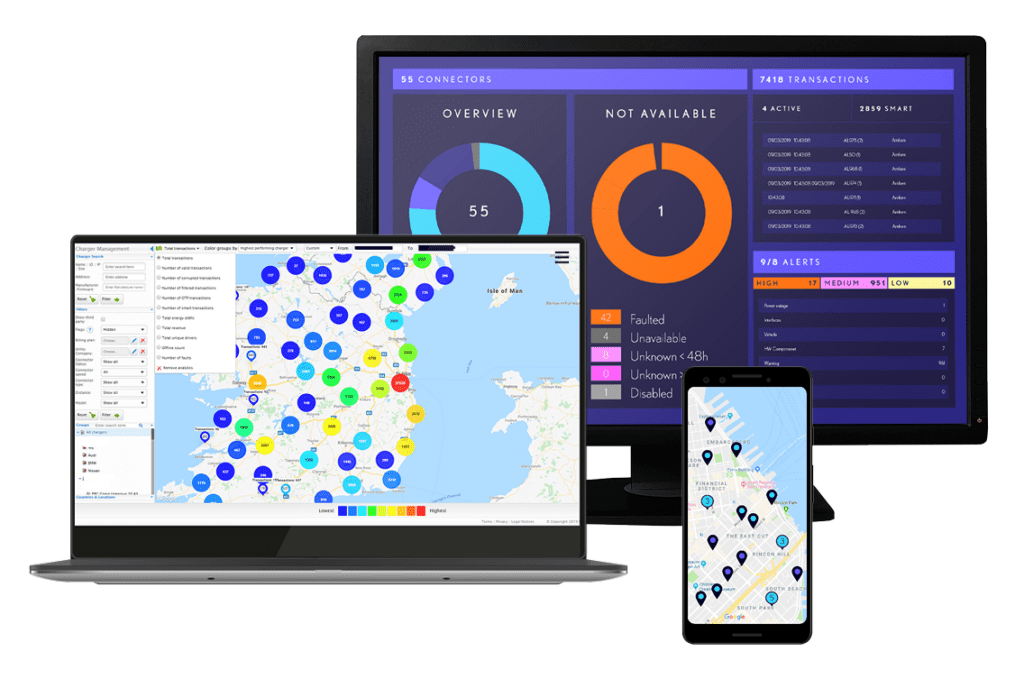
Solving them requires a coordinating function that connects charger technology, battery storage, energy management software, and utility rate intelligence into a single pre-design conversation. End-to-end analysis of fleet energy needs, charging requirements, and grid impacts is the foundation for commercial EV infrastructure that performs as planned. That analytical discipline, applied before equipment specification, is what grid-ready EV infrastructure actually requires.
Where Electrical Distributors Fit in the Ecosystem
Electrical and industrial distributors occupy a position in the EV infrastructure supply chain that engineers, contractors, and CPOs often underestimate. A distributor with EV charging capabilities engages across the full project sequence, covering initial load analysis, switchgear specification, utility coordination, equipment procurement, and incentive alignment before engineers finalize design documents.
That pre-design engagement is where the most consequential decisions take shape. Transformer sizing, service capacity validation, and coincident load modeling are not procurement decisions. They are engineering inputs that determine whether a project can support load management software, phased fleet expansion, and battery storage integration without a costly redesign mid-construction. Improper transformer sizing and incomplete load calculations drive budget overruns and mid-project redesigns.
The rate structure conversation belongs at this same stage. Distributors who analyze time-of-use pricing, demand charge thresholds, and EV-specific utility tariffs as part of infrastructure design give developers and fleet operators a financial model grounded in actual operating conditions.
For fleet operators, the planning sequence also includes incentive identification. State programs in markets like New York, New Jersey, Massachusetts, California, and Connecticut carry specific load documentation and utility coordination requirements for approval. A distributor that understands those requirements and integrates them into early-stage electrical planning reduces the risk of rejected applications and delayed project timelines.
Coordinated planning is what closes the gap. Infrastructure decisions, rate strategy, utility engagement, and incentive capture have to happen concurrently, before crews pull the first conduit. Projects that get that sequence right will define what scaled EV infrastructure looks like.
The grid must modernize to handle EV growth. So must the planning process that precedes every project.
—Robert Millard is general manager, EV Charging, at Turtle, where he leads the company’s charging infrastructure strategy.