Hydrogen has long been positioned as a cornerstone of the energy transition. But after an intense hype cycle, the conversation is shifting toward a more practical phase defined by targeted deployment and measurable value.
Rather than serving as a universal solution to decarbonization, hydrogen is increasingly being recognized for what it does best: complementing electrification in areas where batteries, grids, or existing infrastructure face limitations. Heavy industry, long-haul transportation, shipping, and energy systems operating in extreme climates are emerging as some of the most viable use cases.
COMMENTARY
At the same time, localized hydrogen production is reshaping how communities and industries think about energy resilience, while evolving carbon policies are accelerating a shift away from emissions-intensive production methods. What is emerging is not a system-wide replacement strategy, but a more pragmatic and selective approach: one where hydrogen plays a targeted role within increasingly hybrid, distributed and economically driven energy systems.
Hydrogen’s Role in a Hybrid Energy System
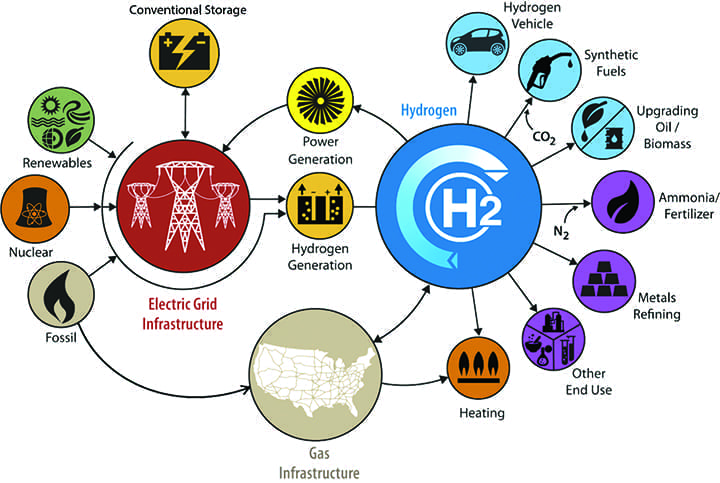
The strongest case for hydrogen lies in sectors where full electrification is difficult, costly, or technically impractical. Heavy industry remains a primary use case. Hydrogen is increasingly being used to reduce emissions in carbon-intensive sectors, such as refining, chemicals, and steel manufacturing, where high-temperature industrial processes are difficult to electrify at scale.
In transportation—where hydrogen was once discussed as a universal fuel alternative—the market is increasingly concentrating on applications where batteries may fall short, including heavy-duty freight, buses, rail, and select maritime operations.
Ports, in particular, play a critical role in the hydrogen economy. While ships may rely on alternative fuels at sea, hydrogen can help reduce emissions during docking and short-distance transit, reducing localized emissions without requiring a full infrastructure overhaul.
Geography is also an important part of the picture, as extreme climate conditions heavily influence efficiency. In colder climates, hydrogen offers clear advantages where batteries and heat pumps struggle to perform. Cold-climate markets such as Canada are exploring hydrogen-powered transit and hybrid heating systems suited to extreme climates.
The takeaway is not that hydrogen will replace electrification. Instead, the future energy system will be hybrid by design, with hydrogen deployed strategically in areas where it delivers the greatest operational and environmental benefit.
Localized Hydrogen and the Rise of Community Energy Systems
One of the most significant developments underway is the move toward localized production and consumption. Generating hydrogen near the point of demand is proving more practical than transporting it over long distances, reducing infrastructure complexity and improving efficiency.
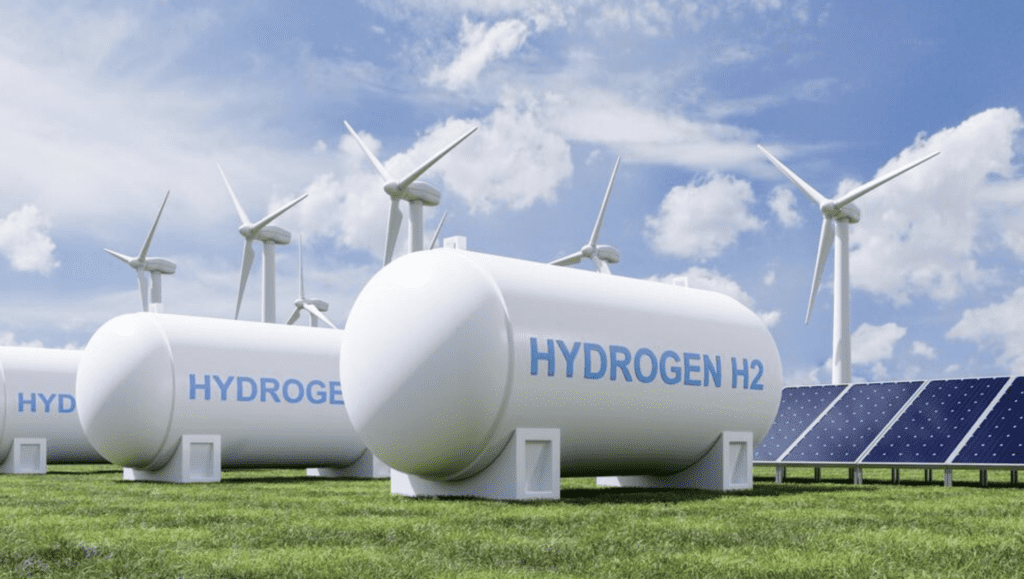
This model is giving rise to decentralized, community-scale energy systems, in which hydrogen works alongside renewable energy, electrification, and storage technologies to create more resilient local ecosystems.
Examples are already emerging, from hydrogen-powered neighborhoods in Canada and Europe to industrial hubs and ports integrating on-site hydrogen generation into existing operations. These systems often combine renewable energy, localized hydrogen production, and hybrid heating, mobility, and power applications.
As these decentralized systems expand, they also introduce greater operational complexity and interdependency across assets, infrastructure, and stakeholders.
Digital technologies will also play an increasingly important role. As decentralized energy systems grow more complex, real-time visibility into supply, demand, and storage will be essential for reliability and optimization.
Scaling these ecosystems will require strong public-private collaboration. Utilities, governments, industrial operators, and developers must work together to align investment, infrastructure, and regulatory frameworks.
From Gray to Low-Carbon Hydrogen
As hydrogen use cases become more targeted, production methods are undergoing a parallel transition.
Historically, much of the world’s hydrogen supply has come from carbon-intensive “gray” hydrogen. But that is beginning to change as industries face mounting pressure to reduce emissions and account for the rising cost of carbon.
Evolving policies, including carbon pricing mechanisms and cross-border regulations, are increasingly making carbon intensity a competitive business issue. For exporters and industrial producers, sustainability is becoming central to market access and competitiveness.
As a result, industries are steadily moving toward lower-carbon hydrogen pathways, whether through renewable-powered electrolysis or other cleaner production methods. Instead, adoption will be gradual, practical, and closely tied to existing industrial systems.
This transition is also reinforcing hydrogen’s role within existing industrial value chains—from cleaner industrial processes to localized fertilizer production and broader energy applications—rather than requiring entirely new systems to emerge. Its value will increasingly be defined by where and how it is deployed within a more hybrid, distributed, and economically driven energy landscape.
Ultimately, hydrogen’s success will not be measured by its ability to replace existing energy systems, but by how effectively it integrates into them—supporting a more flexible and resilient energy future.
—Peter Warren is CGI’s global industry lead for energy and utilities, working with local business units to advance the transformation of oil, gas, and renewables firms, as well as electricity, gas, and water utilities across the globe.