The transition of ammonia to hydrogen has become important as the power sector seeks to decarbonize its operations. Industrial-scale ammonia crackers are reaching commercial maturity in many areas, notably in Europe and Asia, and also in the U.S. Ammonia serves as a superior energy carrier due to its high volumetric hydrogen density; it also can utilize existing global shipping and storage infrastructure for transport.
For the power sector, ammonia typically is “cracked” at high temperatures (600–900C or 1,112–1,652F) over catalysts to release pure hydrogen fuel. The hydrogen is then utilized in high-efficiency proton exchange membrane (PEM) fuel cells. It also can be co-fired in power plants, a practice that is increasing as turbine manufacturers produce units that can burn hydrogen blended with natural gas. GE Vernova and others are producing units that can burn up to 30% or more of hydrogen; many companies are working toward turbines to burn 100% hydrogen.
 |
|
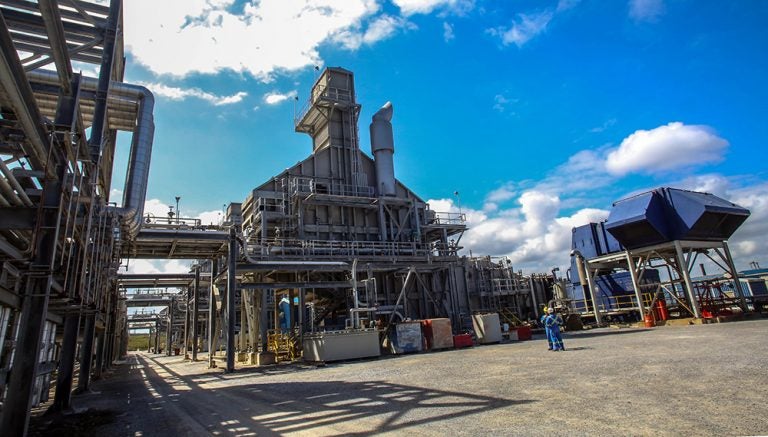
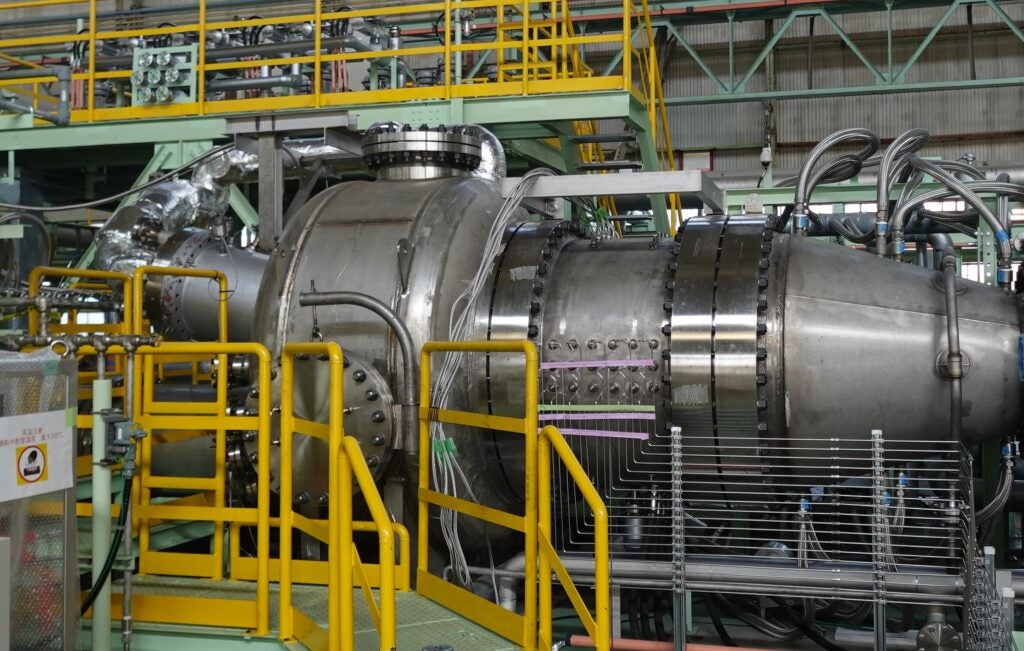
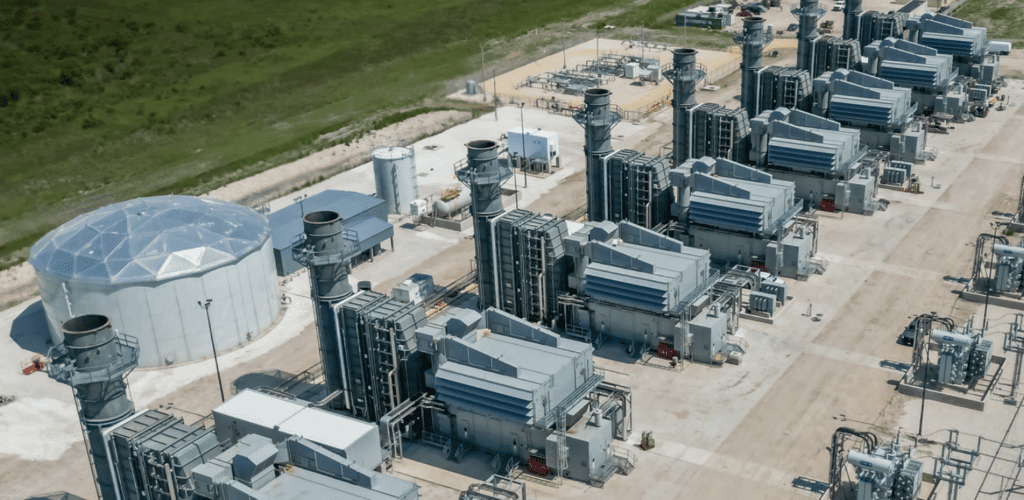
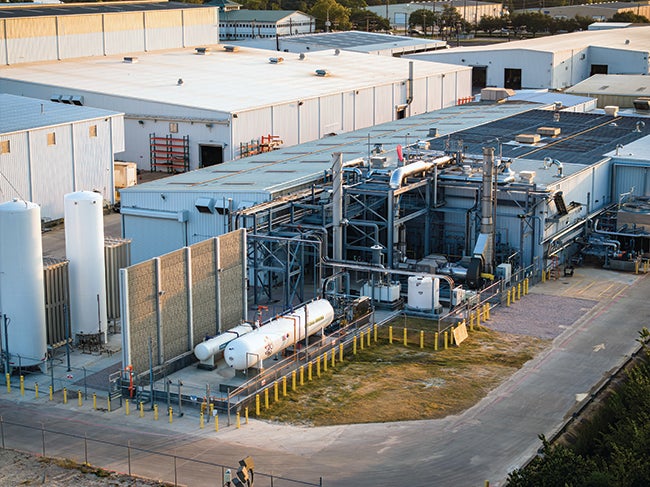
1. Amogy, based in Brooklyn, New York, and with manufacturing facilities (shown here) in Houston, Texas, has developed technology to split ammonia into its base elements of nitrogen and hydrogen, and then use the hydrogen for clean power. Courtesy: Amogy |
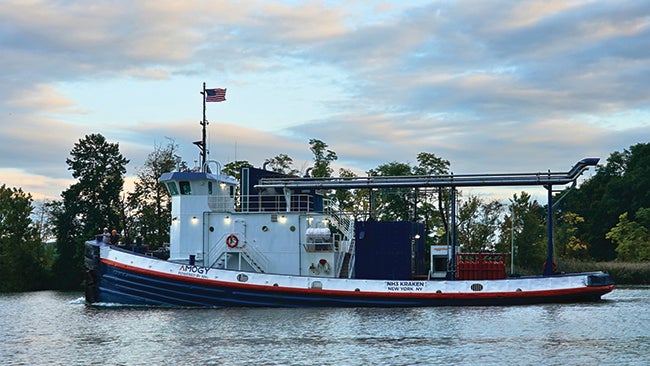
Amogy, based in Brooklyn, New York, and with manufacturing facilities (Figure 1) in Houston, Texas, has developed technology to split ammonia into its base elements of nitrogen and hydrogen, and then use the hydrogen for clean power. The company provides carbon-free energy solutions to decarbonize hard-to-abate sectors including power generation, maritime shipping, and heavy industry. The group’s ammonia cracking technology offers a method for splitting ammonia into hydrogen and nitrogen; the produced hydrogen is directed to integrated fuel cells or hydrogen engines, generating high-performance power with zero carbon emissions. The company is involved in several power generation projects in Asia and elsewhere. Amogy technology last year powered the world’s first clean ammonia-powered vessel (Figure 2) on the Hudson River upstream from New York.
 |
|
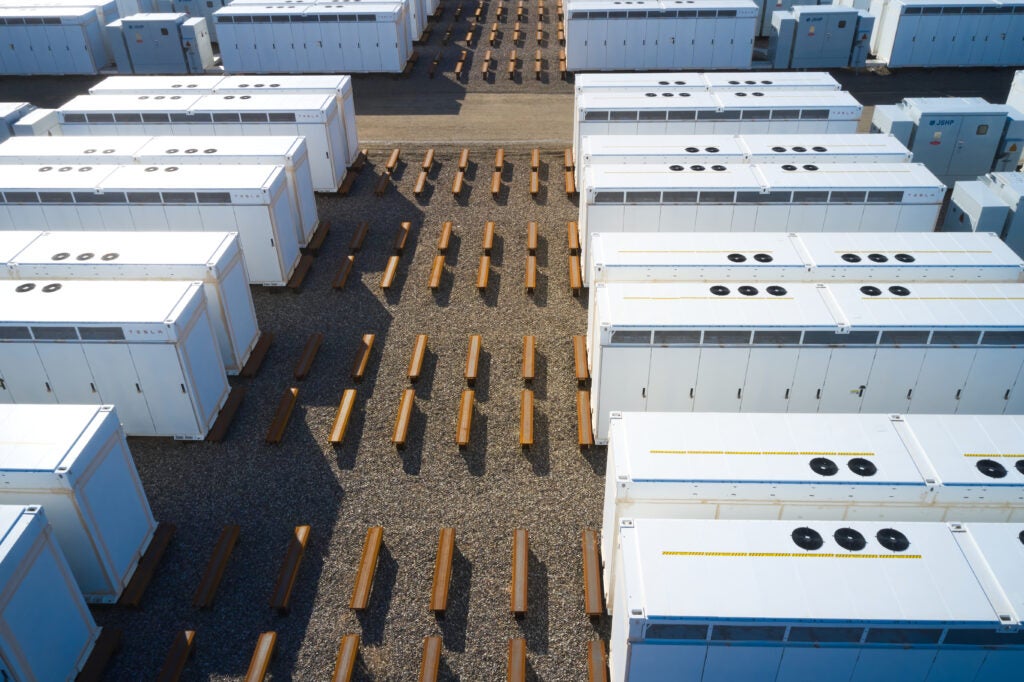
2. Amogy technology last year powered the world’s first clean ammonia-powered vessel on the Hudson River upstream from New York. The NH3 Kraken tugboat, originally built in 1957, was initially powered by diesel generators and electric motors. It has now been retrofitted with Amogy’s innovative ammonia-to-electrical power system, which emits zero carbon. Courtesy: Amogy |
Seonghoon Woo, CEO of Amogy, told POWER, “There are many reasons why hydrogen is considered a fuel of the future as the power generation industry moves towards decarbonization. Hydrogen will play an important role in a diversified strategy because it’s less expensive and more reliable than clean alternatives like solar and wind.” Woo added, “The infrastructure for transport and storage of hydrogen is still developing, and that’s been a primary barrier to more aggressive adoption. But using ammonia as a hydrogen carrier addresses these issues. The world has been using ammonia for more than a century in agriculture and other industrial applications, so a massive infrastructure for transporting and storing it already exists.”
Said Woo, “On top of all these advantages, ammonia also has a higher volumetric energy density than hydrogen on its own. The missing piece for being able to unlock ammonia’s potential for power generation has been the ability to efficiently separate hydrogen from the ammonia molecule. We’ve developed a way to split, or crack, ammonia into its base elements of nitrogen and hydrogen at higher efficiency levels, lower temperatures, and a smaller operating footprint.”
In Pohang, South Korea, Amogy is preparing to deploy an ammonia-based distributed power generation system. A 1-MW pilot project is proposed for this year, with plans to scale up to 40 MW for commercial operations by 2029. GS Engineering & Construction (GS E&C), HD Hyundai Infracore (HDI), and Pohang-si, the largest city in North Gyeongsang Province, South Korea, are part of the project, which aims to position Pohang-si as a regional hub for next-generation clean energy innovation. The system will feature a fully integrated solution combining Amogy’s proprietary ammonia cracking technology with HDI’s HX22 hydrogen engine, supported by GS E&C’s expertise in infrastructure investment, construction, and system operations.
This collaboration builds on a partnership announced in 2024 between Amogy and HDI to integrate their respective technologies. Amogy’s ammonia cracking system utilizes advanced catalyst materials to convert ammonia into hydrogen. When paired with HDI’s hydrogen engine, the result is a scalable ammonia-to-power solution engineered to deliver carbon-free electricity to the grid. Pohang-si will support the designation of a distributed energy specialty complex, supporting the development of related infrastructure, regulatory approvals, and facilitating the establishment of local research and development (R&D), and production facilities to enable long-term impact.
“This partnership is not only about bringing clean distributed energy to Pohang, but also about establishing a replicable model for energy-resilient cities across Korea and beyond,” said Woo. “We’re proud to contribute our ammonia-to-power technology to a project that aligns perfectly with Pohang’s energy ambitions and economic growth strategy.”
“In the face of an escalating climate risk, the integration of climate technology and sustainable practices is no longer a choice. Coping with climate change requires bold innovation, cross-sector collaboration, and a steadfast commitment to reduce environmental impact,” said Jong-hwan Lee, senior vice president and head of New Business Development at GS E&C. “GS E&C is truly delighted to have the opportunity to collaborate with Amogy and HDI in Pohang, Korea, where ammonia/hydrogen is the key to energy transition success from carbon-based energy. Our expectations are high not only for this partnership, but also for the promising collaborations that lie ahead.”
The companies said the initiative directly supports South Korea’s clean energy policies, such as the Distributed Energy Act (DEA), by accelerating the deployment of hydrogen and ammonia-based power generation. Amogy also partnered with GreenHarvest, a Taiwan-based renewable energy firm, to deploy the first-ever ammonia-to-power system in Taiwan. Amogy will provide the ammonia-to-power system while GreenHarvest will lead local integration as the power generation and distribution partner. The pilot system is scheduled for installation between late 2026 and early 2027 at a large industrial facility in Taiwan, with the potential to scale across the island’s high-tech and manufacturing sectors. “We are proud to bring our ammonia-powered technology to Taiwan with a forward-looking partner like GreenHarvest,” said Amogy’s Woo. “This project not only represents the first deployment of our technology in Taiwan, but also a critical step toward decarbonizing industrial energy use in one of the world’s most important digital infrastructure economies.”
KH Chen, chairman of GreenHarvest, said the company has “long been committed to rooftop solar development, providing industrial electricity users with a reliable and user-friendly source of green power. At the same time, we are actively deploying next-generation green electricity technologies. Through our 2024 collaboration with H2U in Australia on a green hydrogen project and this deployment of Amogy’s ammonia-to-power energy solution at customer sites, it further reinforces our confidence and momentum in ammonia-based energy applications.”
Amogy last fall signed a memorandum of understanding with the Agency for Science, Technology, and Research (A*STAR), Singapore’s leading public-sector R&D agency, to explore and collaborate on the development and deployment of ammonia-based technologies in that country. The collaboration would support key priorities for the country under the Singapore Green Plan 2030 and Singapore’s National Hydrogen Strategy. The companies said Amogy and A*STAR will explore opportunities for piloting ammonia-to-power systems on Jurong Island.
Woo told POWER, “This is especially exciting for countries in the Asia-Pacific region that have to import fuels for energy production because natural resources are not as abundant. That’s why our projects with Pohang in South Korea, GreenHarvest in Tiawan, and A*STAR in Singapore are among the first movers for deploying this technology at scale. With these projects underway, we’ll be able to take what we’re learning and apply it towards accelerating adoption in the region and around the world. These projects all represent significant milestones for ammonia-to-power technology and the hydrogen economy at large.”
Japan also is showing increased momentum for ammonia power. JERA, that country’s largest power generator, recently secured a government subsidy for 15 years to cover the cost difference between ammonia and coal to help with Japan’s transition away from coal-fired power generation. JERA, as POWER has previously reported, plans to shift all its coal-fired power to ammonia by the 2040s. JERA last spring formed a joint venture with CF Industries and Mitsui to build the Blue Point project in Louisiana, a $4 billion facility that is considered one of the world’s largest for producing low-carbon ammonia.
JERA has said it will import ammonia produced at Blue Point to use at its 4.1-GW Hekinan thermal power station in central Japan, with plans to start co-firing of 20% ammonia at Hekinan’s Unit 4 in 2029. The Hekinan site is pursuing commercial-scale ammonia as a substitute for coal, and JERA officials said they also want to provide ammonia to reduce the use of coal by the utility’s commercial and industrial customers. Hisahide Okusa, president of JERA, in a recent news release said, “Securing government support marks a significant milestone in advancing a comprehensive and resilient low-carbon ammonia value chain and paving the way for the expansion of ammonia across industries in Japan. Anchored by Hekinan Thermal Power Station, JERA delivers tailored, cutting-edge, and effective solutions that support our customers’ decarbonization efforts—locally, nationally, and globally. As a pioneer, we are committed to the real-world deployment of low-carbon ammonia, and driving the transition toward zero emissions in alignment with evolving policy.”
Several other companies are converting ammonia to hydrogen through ammonia cracking, or producing it for hydrogen transport. Those include Denmark-headquartered Topsoe; Houston, Texas-based Air Liquide; Germany’s thyssenkrupp Uhde; and Japan-based Mitsubishi Heavy Industries. Air Liquide in November of last year announced the successful start-up of the world’s first industrial-scale ammonia cracking pilot unit with a 30-tons-per-day ammonia-to-hydrogen conversion capacity at the Port of Antwerp-Bruges, Belgium. The company made more news in January of this year when it announced it had completed its acquisition of DIG Airgas, a leading producer of industrial gases, including oxygen, nitrogen, hydrogen, and carbon dioxide, along with gas equipment, in South Korea. Ronnie Chalmers, group vice president, Asia-Pacific for Air Liquide, in a blog post wrote, “DIG Airgas’ activities are also highly complementary to our existing activities, particularly in the industrial gases and healthcare sectors. This enables us to broaden our value proposition. A prime example of this synergy is the combination of DIG Airgas’ extensive network of air separation units with our well-established hydrogen production infrastructure. This integration perfectly positions us to offer a complete portfolio of solutions to the market.”
—Darrell Proctor is a senior editor for POWER.