It is clear that energy use will expand in the future as our population and society’s standard of living increase. Meanwhile, the push toward a sustainable lifestyle requires that all resources be utilized efficiently and sparingly. The National Academy of Sciences has identified paradigm shifts from current processes to an ideal vision centered on renewable energy and an atom economy—defined as maximum incorporation of starting materials into final products. These seemingly disparate paths converge if one considers energy production from municipal solid waste (MSW).
WTE’s Renewed Popularity
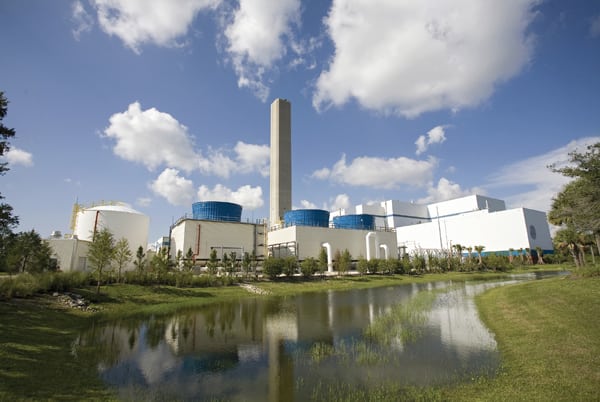
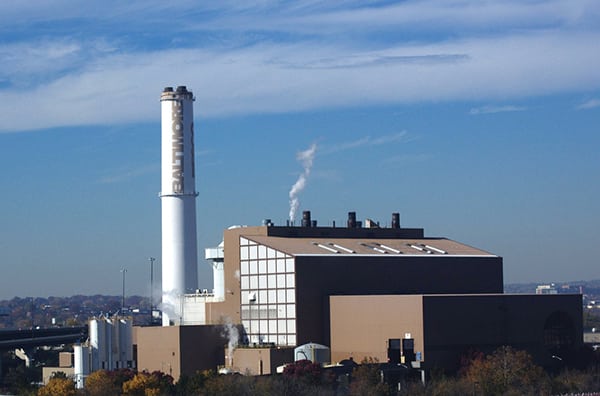
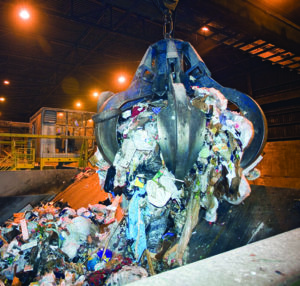
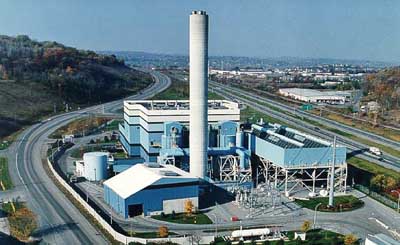
Waste-to-energy (WTE) facilities in the U.S. have operated for more than 30 years and in the past 15 years have been equipped with the most advanced air pollution control systems, known as maximum achievable control technology (MACT). Recently, these power plants have gained renewed attention as communities struggle with waste management and sustainability issues.
On April 13, the New York Times published the article, “Europe Finds Clean Energy in Trash, but U.S. Lags.” It discusses WTE and how Europe—in particular, Denmark—is a model that should be followed when siting and operating WTE plants. In Europe, electricity and heat for district heating from WTE facilities are used to achieve overall thermal efficiencies of greater than 60%.
The typical question I hear after lectures and presentations on WTE technologies is, “Why aren’t we doing more of this?” The simple answer I give is that preconceived notions, based on incinerator emissions before the MACT regulations, have held back development. But that is changing.
Overcoming Past Problems
Environmental groups and individuals that have resisted WTE progress in the U.S. rely on outdated information and either refuse to acknowledge, or are unaware of, the latest data and developments. There was a time when MSW combustion facilities were basically incinerators with inadequate emissions control and low energy conversion. That was about the time automobiles still used leaded gasoline and lacked airbags. Things have changed. Currently, WTE facilities produce emissions well below the Environmental Protection Agency’s (EPA’s) MACT standards. For example, heavy metals like mercury are 85% below MACT and less than 2% of the mercury emissions of coal-fired power plants. Dioxin emissions have been decreased by a factor of one thousand and now represent less than 1% of the U.S. anthropogenic emissions. Additionally, NOx is about 15% below the EPA’s limits and is considered the last frontier for emissions reduction research.
WTE is perfectly aligned with sustainability efforts, as it has been demonstrated that, on average, every ton of MSW combusted in the U.S. produces 550 kWh, saves about 45 gallons of oil or one-third of a ton of coal, and recovers about 50 pounds of metal. Also, two-thirds of the carbon content of MSW is in the form of biogenic materials such as paper and wood. It has been estimated that for every ton of MSW that goes to WTE rather than landfills, there is a saving of about one ton of CO2.
Currently, WTE constitutes about 25% of the renewable energy produced in the U.S. That percentage has the potential to grow because only 7% of waste is converted to energy via WTE, 64% is landfilled, and the remaining 29% is recycled. If all waste were processed in modern WTE facilities, it could satisfy 3% to 4% of the country’s electricity demand. The remaining ash can be used in the construction and maintenance of landfills and as an aggregate in construction. Moreover, the data show that communities employing WTE have higher recycling rates.
WTE facilities in the U.S. operate at over 90% availability (over 8,000 hours per year) and provide “baseload” electricity without regard to prevailing weather conditions. Thus, WTE capacity can be productively located in any region or state. Currently, there are a total of 87 WTE facilities in the U.S. processing about 28 million tons of MSW annually, supplying electricity to more than 2 million U.S. homes and providing jobs to approximately 6,000 Americans.
A Promising Future
The need for WTE in the U.S. has never been stronger, yet most WTE plants were constructed 15 or more years ago. This must change, and indications are that it will. WTE is very favorably viewed in Europe and Japan, and many other countries are exploring WTE installations.
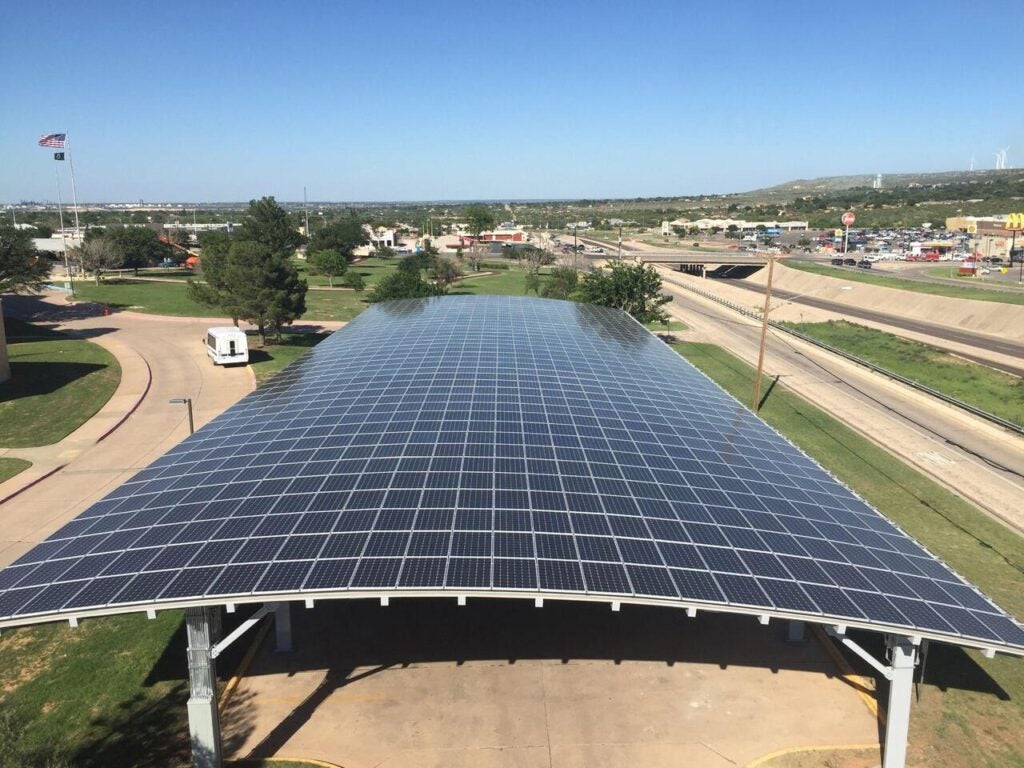
Encouragingly, WTE was identified among eight emerging green technologies in a report from the Davos World Economic Forum in 2009 entitled “Green Investing: Towards a Clean Energy Infrastructure.” WTE was described as one of the emerging large-scale sectors likely to contribute significantly to a future clean-energy infrastructure, which included other renewables such as wind and solar energy. To some of us, WTE is not “new”; nevertheless, it fits with these next-generation sustainable energy technologies.
—Dr. Marco J. Castaldi (mc2352@columbia.edu) is assistant professor in the Earth & Environmental Engineering Department at Columbia University in New York City. Much of the information presented here was assembled by Columbia University’s Waste to Energy Research Technology Council (http://www.wtert.org). WTE facilities in the U.S. provide “baseload” electricity without regard to prevailing weather conditions.