
In 1882, Americans talked of John L. Sullivan, the bare-knuckles boxing heavyweight champion of the world, as horse-drawn carriages jingled along city streets. The spidery cables of the Brooklyn Bridge spanned the East River and hundreds of workmen scrambled to complete the great project. Railroads crossed the continent, but sporadic Indian warfare still plagued the plains of the great West. That was the year POWER magazine was born.
Swelled by immigrants from troubled areas of Europe, the U.S. population was growing by leaps and bounds. For the first time, more people lived in cities than on farms. With Civil War reconstruction behind them, Americans invested their full energies in building new industries and a better way of life for their children. The Industrial Revolution was in full swing and more companies were turning to power-consuming machines to boost production. In 1882 that power came from water wheels and steam engines, not from electrons or neutrons.
New power
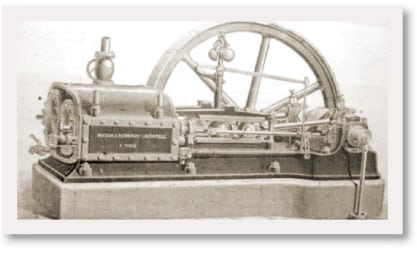
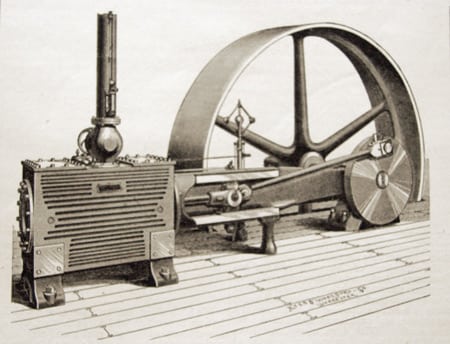
One of the big adjustments we must make when thinking of the world of power in 1882 is to remember that access to electricity didn’t exist. In 1882, if you wanted power you had to make it yourself, no matter how small your need. If your need was very small, you just used muscle power. For larger tasks, there were several options. You might stick to steam, using a simplified, "packaged" boiler-engine combination. If gas was available, you might try one of the recently introduced gas engines. Or you could choose from a wide range of steam engines of various speeds, in capacities from a few horsepower to a thousand or more.
Greatest of all the 1882 engines was the famous Centennial Corliss, which supplied power for 14 acres of machines at the 1876 Exposition in Philadelphia. It stood more than 40 feet high, weighed over 600 tons, and had 20-foot connecting rods. The 10-foot driving pinion meshed with a 30-foot flywheel. Bevel gears of 6-foot diameter, at spaced intervals, drove cross-shafts that transmitted power to several thousand separate machines.
Steam boiler development was also progressing at a rapid rate. By 1850 the idea of pushing water heated by gas through boiler tubes had occurred to a number of engineers, notably Colonel John Stevens. Steam leaks and internal deposits doomed these efforts to failure and practical water-tube boilers had to wait. In 1856, Stephen Wilcox, working with O.M. Stillman, patented a boiler of this general type. He later joined forces with George Herman Babcock, and they patented their "non-explosive" water-tube boiler in 1867.
Although water-tube boilers were gaining ground, the typical boiler of 1882 was a fire-tube design that needed a sweating fireman to heave coal onto a flat grate. In the country, furnaces were still stoked with cordwood. Oil and natural gas were just "new-fangled" ideas. Boiler explosions were commonplace, and decades would pass before the science of materials would stem the human toll.
Centralized power
Another hard fact of power in 1882 was the need to use it at the point of generation. Rope and belt drives of what seem enormous size and complexity today had been developed, but their reach was limited to several hundred feet in most cases. In large factories, the main engine would be belted or roped to line-shafting to which machines throughout the factory connected by a veritable forest of belts.
New York’s Pearl Street Station can be called the first true central station because Thomas Edison incorporated into it all the elements needed to supply electricity to the general public. It had six "large" DC generators that were directly driven by steam engines with an aggregate 900 hp. The generators could power 7,200 lamps at 110 V.
When Pearl Street Station opened for business on September 4, 1882, it had 59 customers with nearly 1,300 lamps who had been promised three months’ free service. The plant’s distribution system was underground, and Edison had to invent the power meter so he could bill his customers. One after another, in cities and even small villages, Edison "light companies" were being incorporated.
Future power
In 2007 we’re experiencing the start of another shift in power production. Around us we see a familiar power world that we helped build. But we look forward to a different kind of revolution in power than our ancestors did.
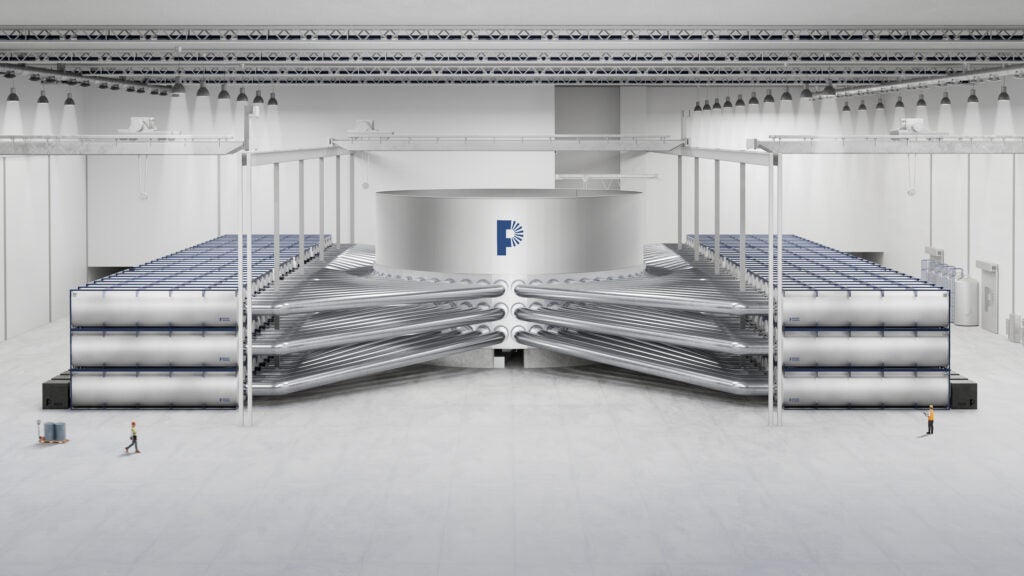
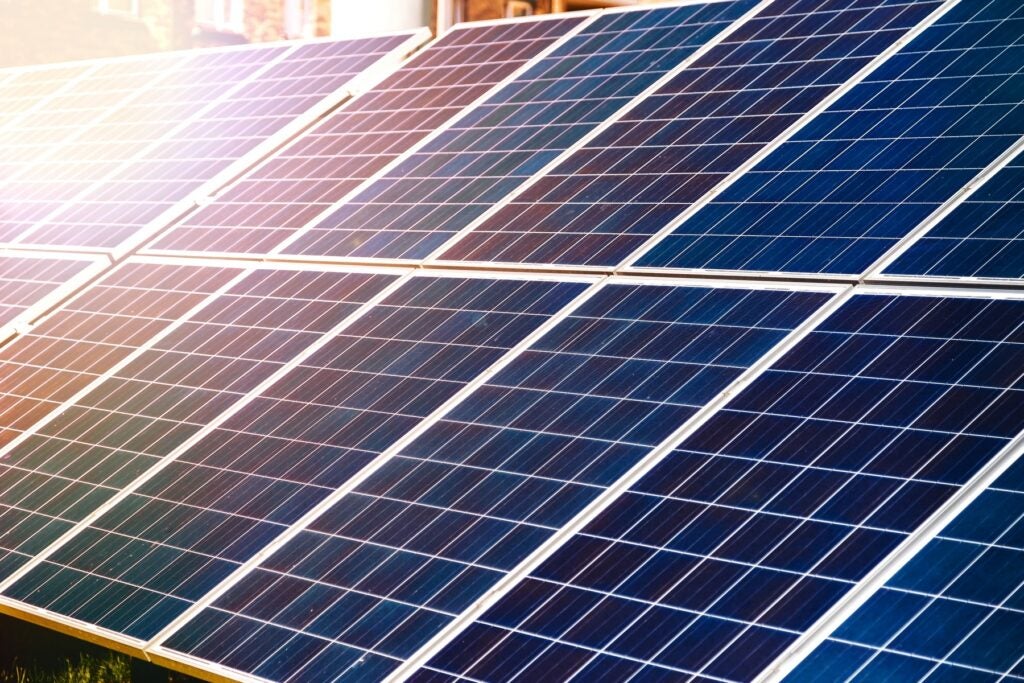
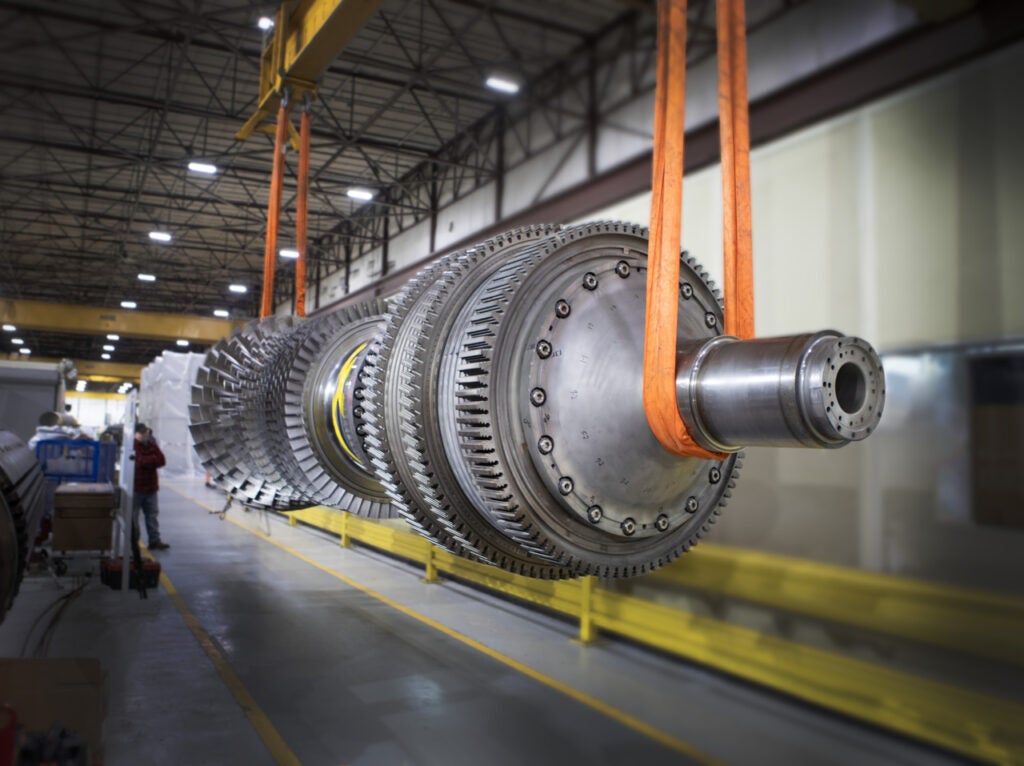
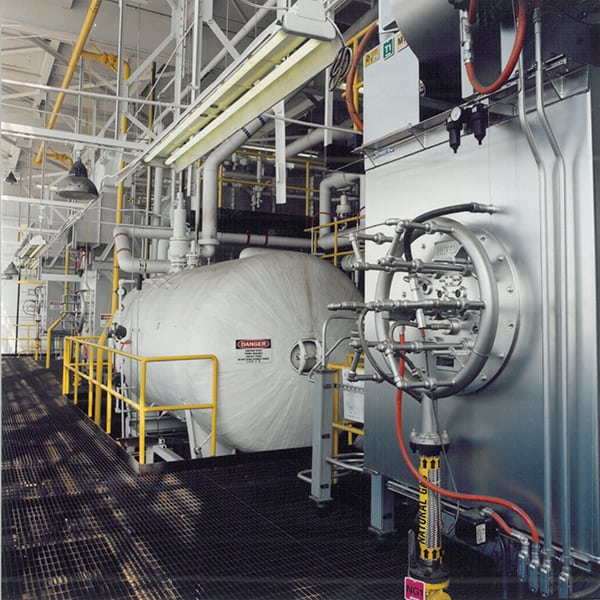
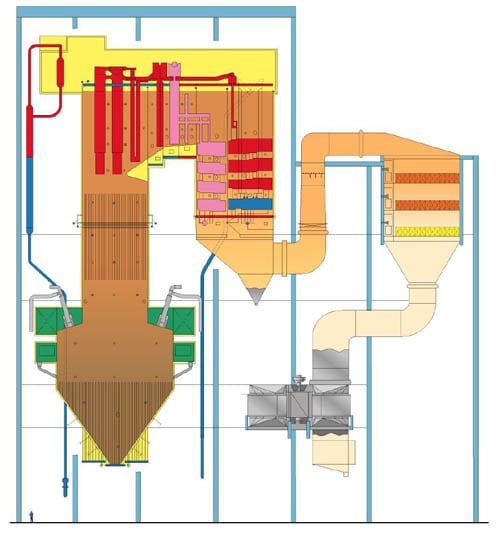
For them, the revolution was the advent of electricity itself, a mysterious and invisible phenomenon. For us, the revolution promises better and cleaner generation technologies. Among them are a new generation of safer nuclear reactors, the cleaner burning of coal either directly in boilers or by combustion turbines fed the fuel in gasified or liquefied form, gas turbines exceeding 50% thermal efficiency, and quiet, emissions-free wind farms and solar arrays whose fuel supply is unlimited. Each technology has its challenges and advantages.
Will these technologies change the ways we use energy as much as electricity changed daily life beginning in 1882? Probably. From the point of production to the point of use, we and our children will bend to accommodate the inevitable changes in the source, cost, and availability of electric power. Enjoy the ride.