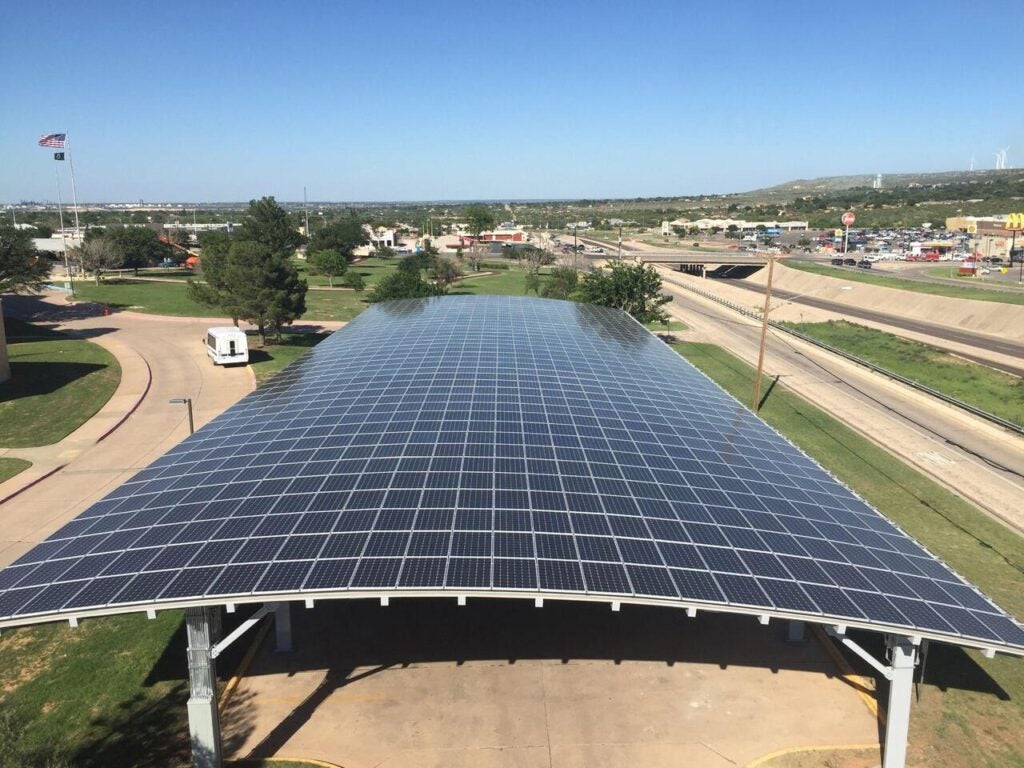
Since 1882, when Thomas Edison installed the world’s first central generating plant in New York City, utility business models have varied little from the basic one: cover costs and generate profit by selling more electricity. But today, unprecedented challenges are sweeping through the industry. Soon utilities will face yet another new challenge: the large-scale implementation of distributed solar power, which can result in lower electricity sales. As solar implementation further challenges business-as-usual models, what’s a forward-thinking utility to do?
The PV Industry’s New Business Models
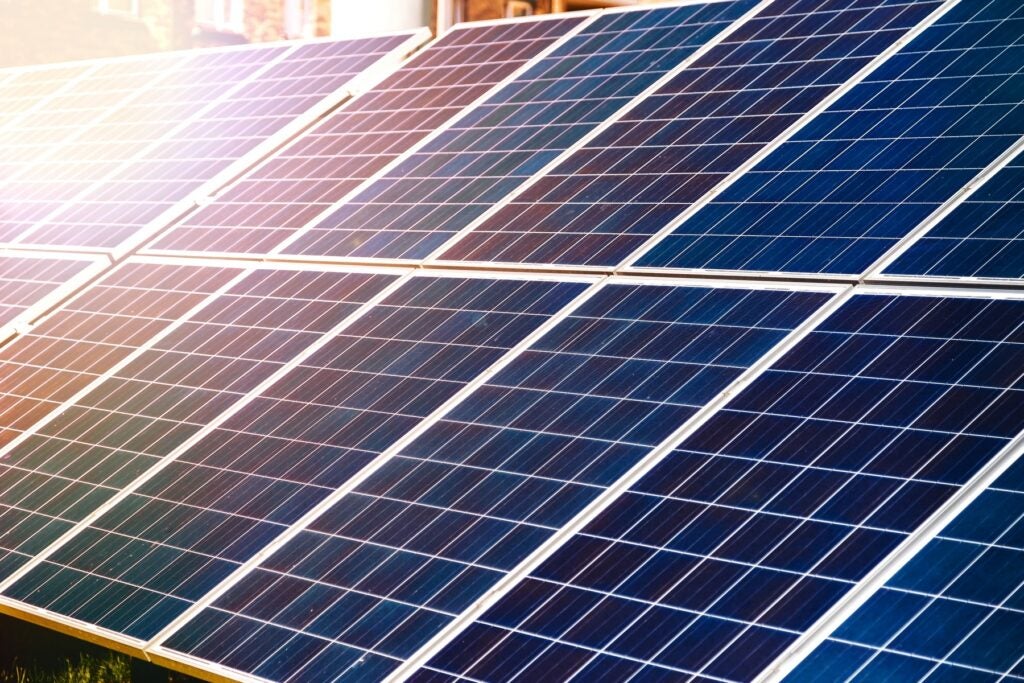
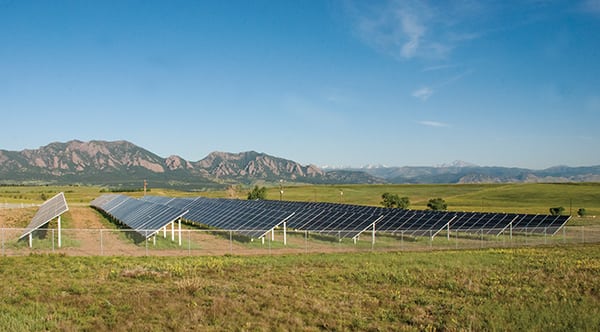
Much like the wind energy industry earlier in this decade, the global photovoltaic (PV) industry is poised for significant growth over the next five years — on the order of tens of gigawatts installed annually by 2015. Unlike wind, however, PV can readily scale from watts up to hundreds of megawatts per installation. Ownership can vary from the utility to the utility’s customer or a solar developer, and installation can occur on both the customer and utility sides of the meter.
Recent innovative business models for PV projects include the installation of 40 MW of PV on 200,000 utility poles, implementation of "distributed power plants" (up to 500 MW distributed on hundreds of customers’ property on the utility side of the meter), and announcements for centralized projects up to 550 MW. It is not an exaggeration to say that PV will become a new disruptive technology in the electricity sector, just as personal computers and cell phones were in their respective industries. For most utilities, the question of solar implementation should not be "If" but "How soon? By whom? and Where?"
Anticipating Solar Energy’s Impact on Utilities’ Profits
Let’s fast forward five years. You are an electric utility located in a state with leading solar generation capacity. Solar companies are rapidly installing residential and commercial PV systems using no-cost performance contracts — effectively selling your customers solar electricity at a lower price than you can. Solar is a phone call and credit check away from everyone. Currently, 5% are reducing their annual utility consumption 25% to 75%, and your revenues are falling commensurately. This is on top of revenue fluctuations from weather, energy efficiency, electric vehicles, fuel-switching, population growth or decline, and other electricity consumption changes. Profits, if not eroding, are potentially volatile, and the long-term forecast is unknown.
With this scenario to look forward to, what are your options for managing PV’s revenue impact over the coming years? Here are seven possible options.
Net Metering Limitations. You could ask regulators to limit the size of any one PV installation and/or the aggregate of PV systems in your territory. Prognosis: Unpopular. This runs counter to the energy democratization movement that PV represents. Do you really want to be "that utility" in the age of viral Internet?
Increase Fixed Charges. You could increase the monthly fixed charge to recover fixed costs and lower the volumetric energy charge. Prognosis: Incomplete. Simple economics (and the justification for your smart meter initiative) was predicated on aligning pricing with the cost of service.
Fuel Clause Adjustments. You can calculate, or more likely guesstimate, your lost revenues based on the performance of your customers’ PV systems, and recover them through a fuel clause adjustment. Prognosis: Incomplete. Regulators may question whether your utility can push that particular risk on ratepayers without also sharing other revenue risks with them.
Real-Time Pricing. The fundamental problem with electricity markets is the mismatch between cost of service and price, something that real-time pricing can address, as PV generation will be compensated at more cost-appropriate levels. Prognosis: Efficient. But is it possible? Time-of-use rates have business appeal, but they may not be practical for the average consumer. And what if both energy storage and advanced energy management are available, allowing customers to maximize the arbitrage difference?
More-Frequent Rate Cases. You can increase the frequency of rate cases to minimize the under- and overcollection of revenues, followed by an adjustment of rates. Prognosis: Possible. But is that efficient? Are annual rate cases appealing?
Decoupling. You can change the mechanism for utility compensation, breaking the link between customer consumption and utility revenues and profits by targeting revenues based on another metric, such as the number of customers. Prognosis: Possible. But change is difficult. Do you prefer the "devil you know" rather than something new?
A New Paradigm. Played out over time, the PV market — in concert with storage, electric vehicles, the smart grid, and other developments — certainly has the potential to drastically change the traditional utility business model within our lifetimes. Prognosis: To be determined. Will you be ready?
Getting Ready
Within the 10- to 15-year timeframe of your next integrated resource plan, this scenario will no longer be hypothetical. To learn more about this important issue, download the Solar Electric Power Association’s recently released report, "Decoupling Utility Profits from Sales: Issues for the Photovoltaic Industry," from www.solarelectricpower.org.
Large PV deployment and market developments won’t occur for all utilities in every state, but even conservative estimates point toward a large percentage of electricity consumers having a cost-competitive PV option by 2015. It’s time to see PV as a viable business option rather than a technological novelty. Decoupling is one strong option to consider.
—Mike Taylor (mtaylor@solarelectricpower.org) is the director of research and education for the Solar Electric Power Association.