NextEra Energy, among the largest electric utilities in the U.S., is reportedly in talks to acquire Virginia-based Dominion Energy. POWER has learned that a deal, which would be a mostly stock transaction valuing Dominion at about $66 billion according to analysts, could be announced as soon as May 18. The deal if completed would be the largest-ever utility acquisition.
NextEra includes a regulated utility serving about 6 million customers in Florida. The company also has an unregulated unit focused on renewable energy (click here for a map of NextEra’s operations). The Financial Times in an article on May 16 was the first to report a potential transaction. Neither utility had commented on the possibility of a deal as of late Sunday.
Financial analysts have said NextEra would offer about 0.8 of its own shares for each Dominion share, along with some cash, and also said existing NextEra shareholders would own about three-quarters of the combined company.
NextEra has an enterprise value—a financial metric measuring a company’s total economic value—of about $303 billion. About one-third of that value is debt. Dominion’s enterprise value is about $111 billion, with about $50 billion in debt.
Data Center Power Demand
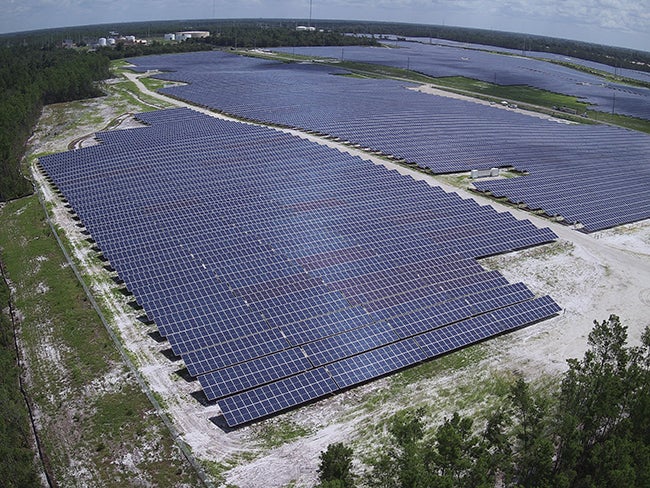
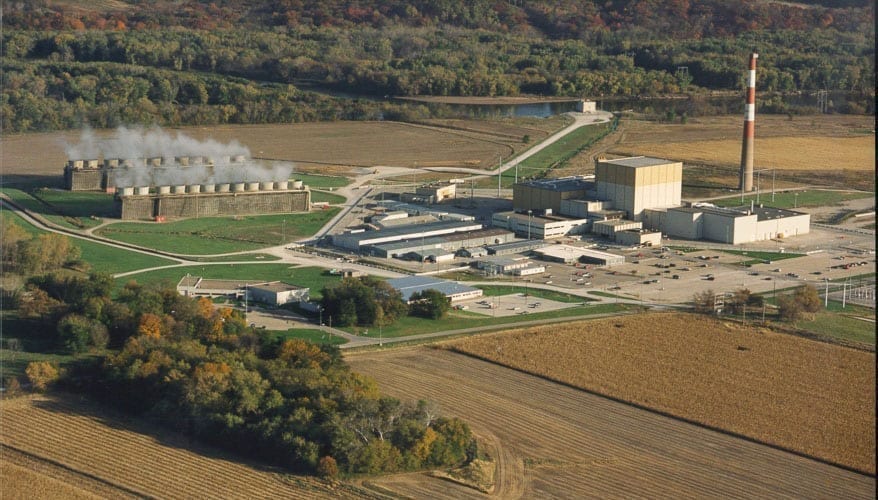
Both utilities have been involved in transactions related to increased power demand from data centers; NextEra has an agreement with Google tied to the restart of the Duane Arnold nuclear plant in Iowa. It also has partnered with technology group Meta to add 190 MW of solar energy and 168 MW of battery storage to the grid in New Mexico.
NextEra also this year started commercial operation of the Crossroads-Hobbs-Roadrunner project, a 137-mile, $291.6-million double-circuit 345-kV electrical transmission line in New Mexico.
Dominion serves about 4 million customers in Virginia (home to many current U.S. data centers) and North and South Carolina.
NextEra’s Market Cap
FactSet has said NextEra, with a market capitalization of about $195 billion, is the largest U.S. utility by market value, and is worth almost twice as much as Southern Co., the next-largest utility, which has a market cap of about $104 billion. Any NextEra-Dominion deal would be subject to regulatory approval.
NextEra’s share value has increased about 15% this year. John Ketchum, the utility’s chief executive, has said NextEra wants to take advantage of what he called “America’s golden age of power demand,” tied to the rise of artificial intelligence and data centers.
Bloomberg News reported that NextEra’s offer for Dominion values the Virginia utility’s stock at about $76 a share. Dominion’s stock closed Friday at $61.73. Shares of NextEra closed Friday at $93.36.
Utility Acquisitions
A NextEra-Dominion deal would be the latest in a series of recent major transactions in the electric utility sector. Global Infrastructure Partners, the infrastructure investment unit of BlackRock, and energy company EQT in March announced a $33.4-billion deal to acquire AES, a utility with assets in several sectors, including merchant generation and regulated wires businesses in Indiana and Ohio. AES also has investments in renewable energy and energy storage, along with legacy gas and coal assets mostly in Latin America.
BlackRock, as part of an investor group that includes Microsoft and Nvidia, last year bought one of the world’s largest data center operators. The $40-billion deal was for U.S.-based Aligned Data Centers, which has dozens of facilities tied to computing capacity for artificial intelligence.
Blackstone, another investment management company, last year acquired TXNM, a New Mexico-based utility company, in an $11.5-billion deal. That transaction was among several by Blackstone last year.
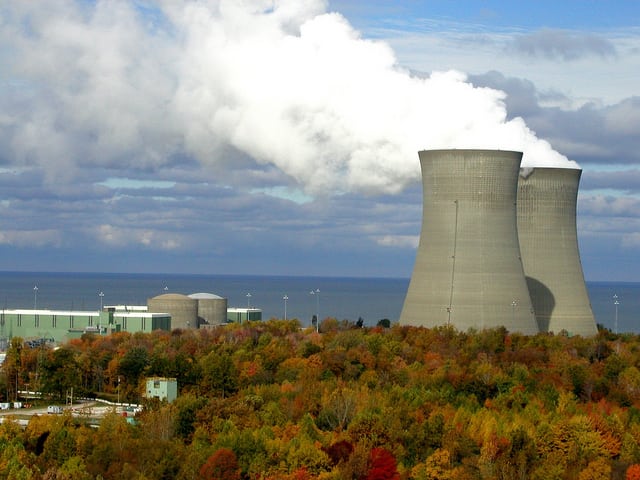
NextEra Energy was founded as regional utility Florida Power & Light in 1925. It has evolved into a diverse energy provider over the past century. The company’s subsidiaries operate nuclear power plants in Florida, New Hampshire, and Wisconsin, along with solar and wind farms in states including Arizona and Texas. The company also has nearly 13,000 miles of transmission lines across the U.S. and in Canada.
Analysts noted an acquisition of Dominion would expand NextEra’s footprint in the PJM Interconnection, the nation’s largest electricity market. The PJM also is home to the world’s largest data center market, the so-called “Data Center Alley” in Loudon County, Virginia. NextEra currently is only active in PJM via competitive transmission projects.
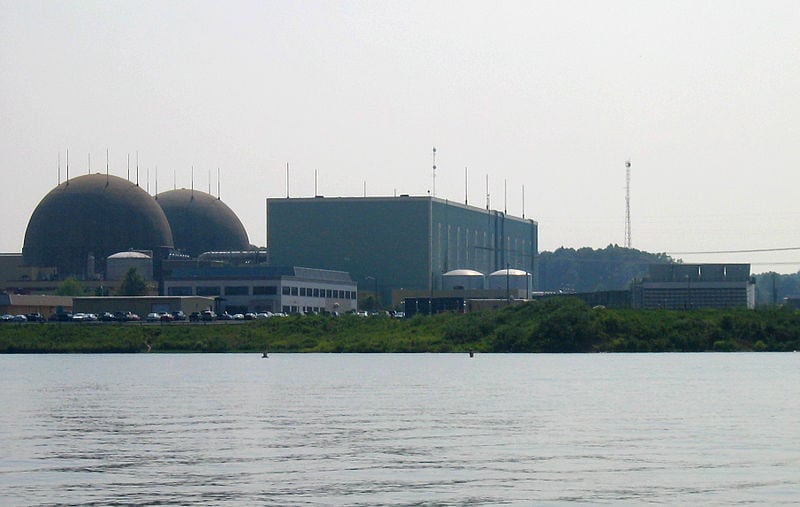
The two utilities only overlap in the wholesale power market is in New England. NextEra owns the Seabrook nuclear plant in New Hampshire, along with generation assets in Massachusetts and Maine. Dominion owns the Millstone Nuclear Plant in Connecticut.
—Darrell Proctor is a senior editor for POWER.