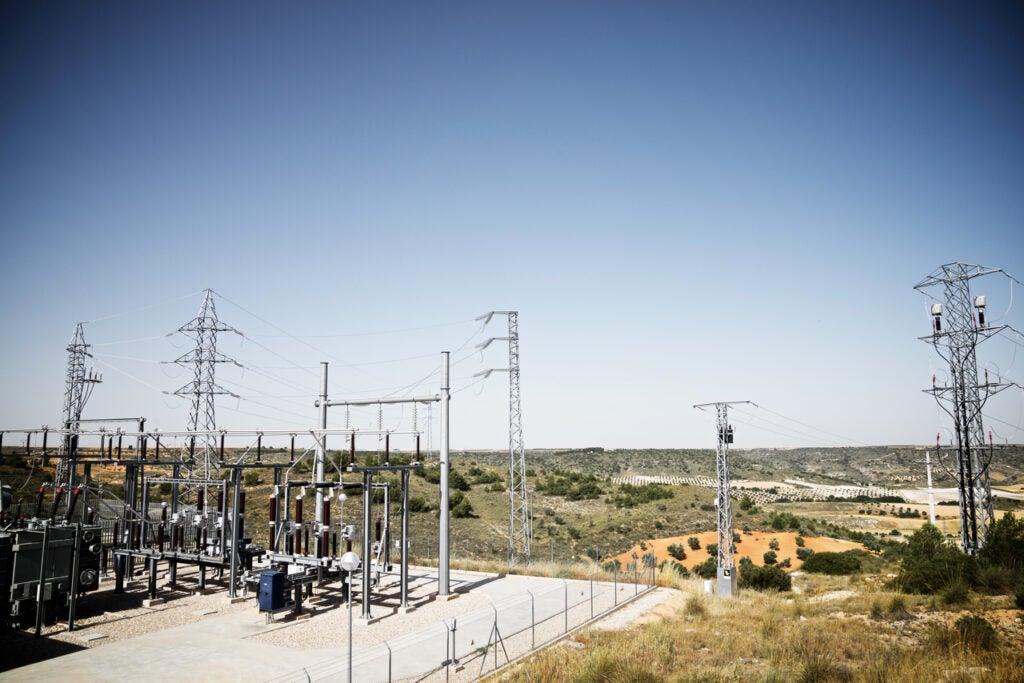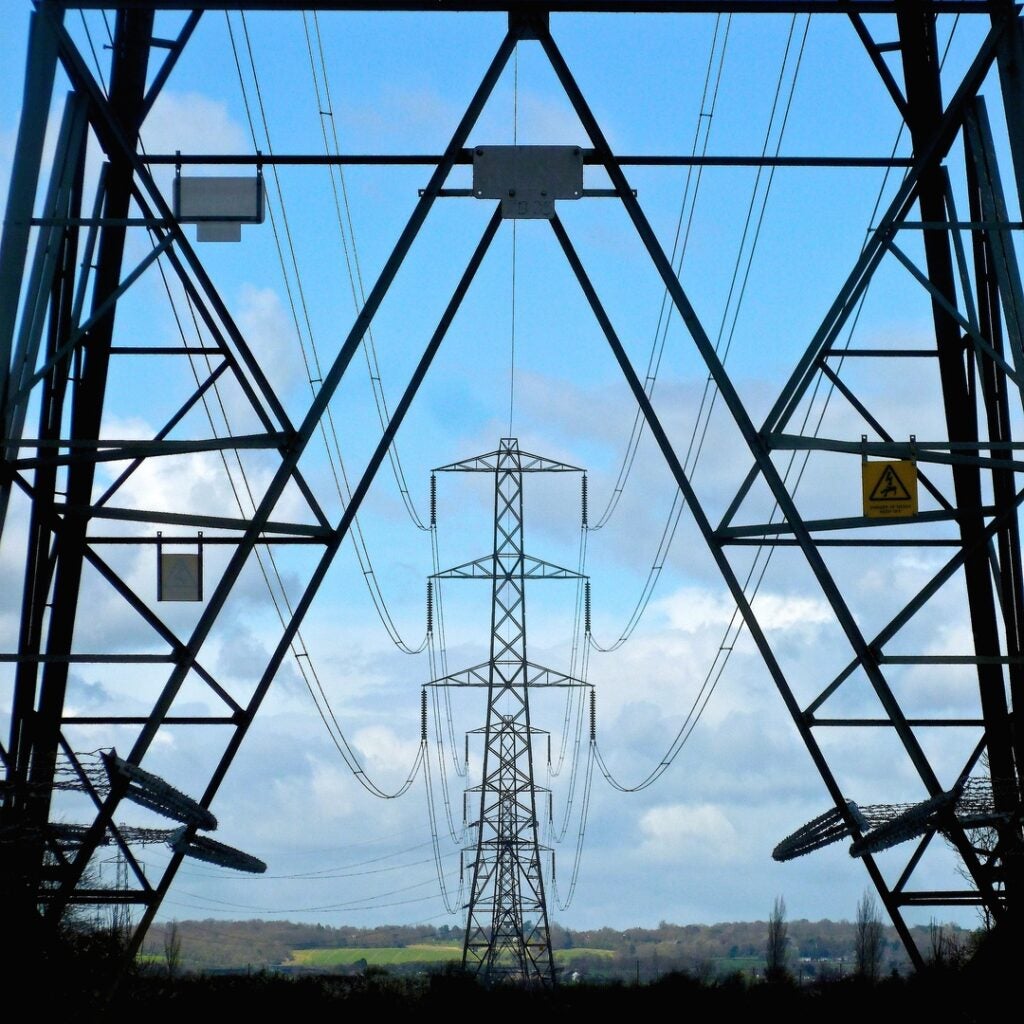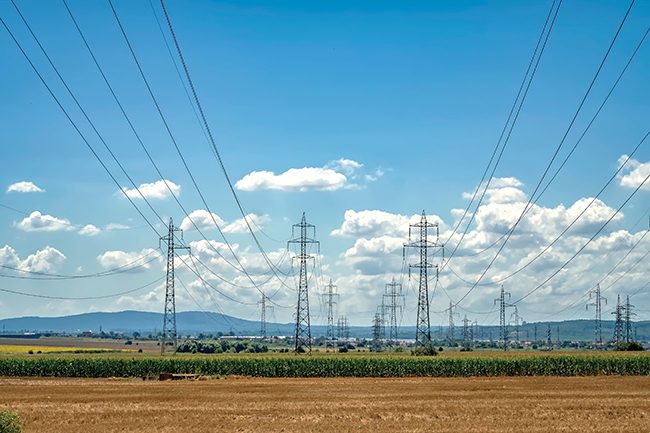
America’s power grid is aging into obsolescence. Much of the infrastructure that keeps the lights on today was built in the 1960s and 1970s, long before the digital and electrified demands of the 21st century took shape. The consequences are increasingly visible: mounting reliability issues, rising costs, and a growing need to modernize a system never designed for the challenges of climate volatility or the surge in load from data centers and electric vehicles (EVs).
According to analysts, the price tag to rebuild or significantly upgrade the U.S. grid could exceed $2.5 trillion by 2035, a figure likely to rise due to inflation, supply constraints, and policy hurdles. That number represents not just the cost of steel, wire, and concrete—it is also a reflection of how deeply the U.S. depends on a centralized, one-way energy system with many components nearing the end of their lifespans.
COMMENTARY
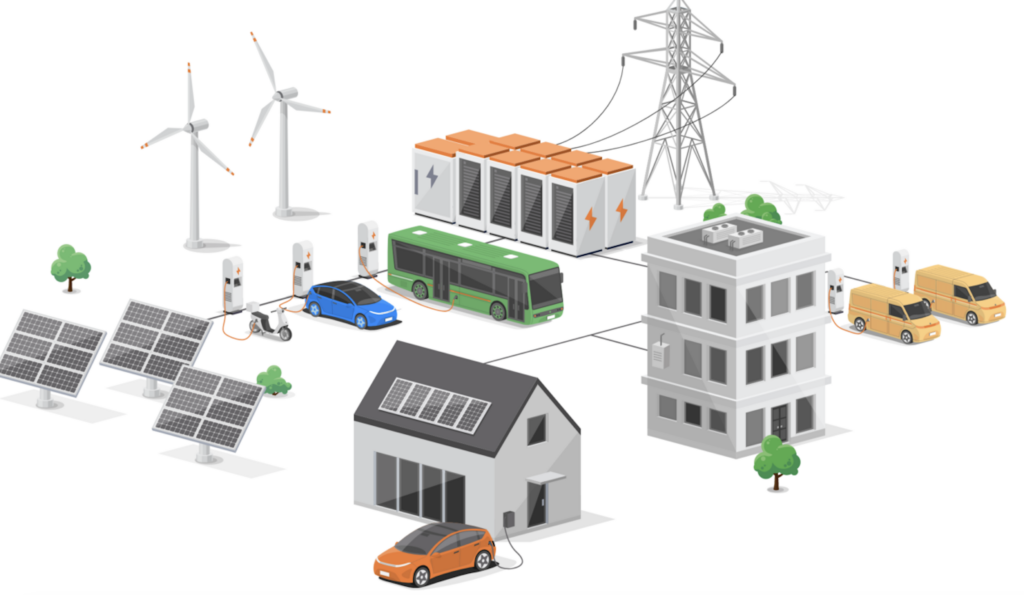
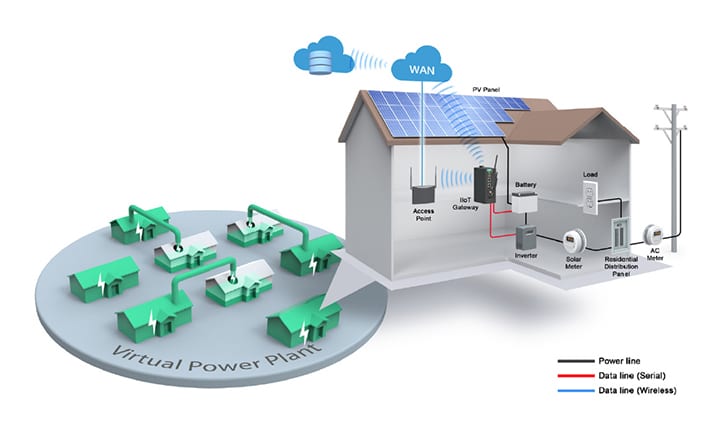
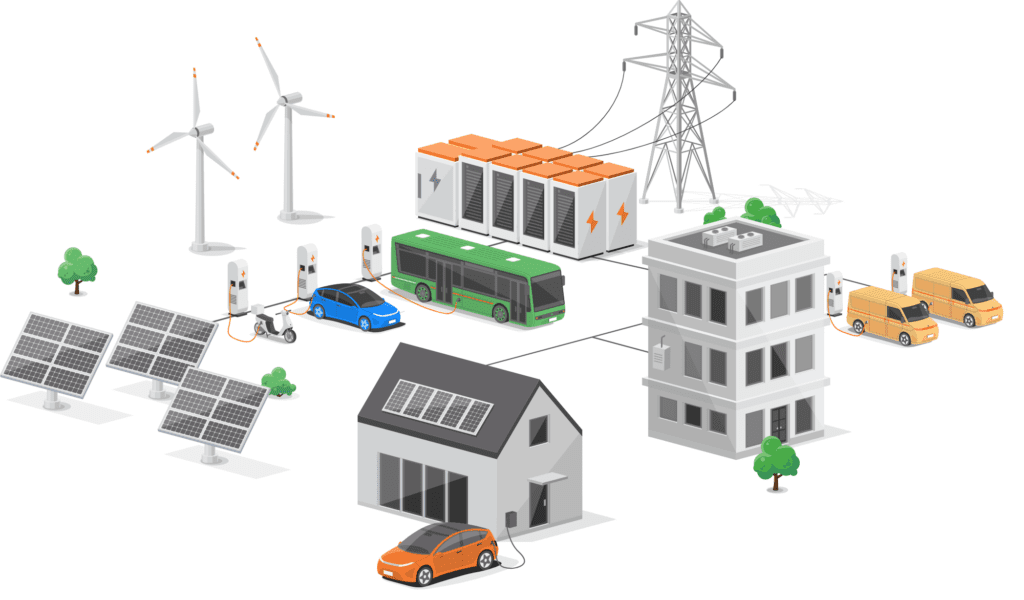
At the same time, a quieter and far more affordable alternative is emerging: virtual power plants (VPPs). Coordinated through distributed energy resource management systems (DERMS), which orchestrate thousands of smaller, behind-the-meter assets—rooftop solar, home batteries, EV chargers, water heaters, smart thermostats—these digital systems can shift and shape electricity demand in real time.
Virtual power plants are cheaper than new power plant construction. In fact, industry estimates suggest that the cost of developing a VPP is only 40% to 60% of building a comparable generation facility. For utilities and regulators confronting capacity shortfalls and aging infrastructure, that’s a figure worth serious consideration.
From ‘Shed’ to ‘Shape’
Perhaps the most significant shift introduced by modern DERMS is philosophical. Traditional demand response programs were built to shed load—reduce consumption temporarily to prevent overloads. The most advanced Grid-Edge DERMS, by contrast, are built to shape demand—using predictive analytics and real-time control to optimize when and how energy is consumed or generated.
For utilities, this means moving from a defensive to a proactive model. Rather than reacting to peaks, they can manage and orchestrate distributed resources to shape load curves, relieve distribution constraints, and reduce wholesale power costs. This means that utilities can break down the barriers keeping distribution operations, power purchasing, and other operational teams away from DERs and use VPPs like they use their traditional generation fleet.
A Grid Under Strain
The American Society of Civil Engineers (ASCE) recently downgraded the nation’s energy infrastructure from a C- to a D+. The reasons are complex but familiar: deferred maintenance, underinvestment, climate stress, and the accelerating electrification of everything from cars to manufacturing.
Reliability concerns have become a national issue. Earlier this year, the Department of Energy (DOE) declared a national energy emergency, citing capacity shortfalls and aging assets as critical risks to grid stability. In response, federal officials have deferred the retirement of several fossil-fuel plants to maintain reserve margins. While this may help short-term reliability, it comes at a steep price: an analysis found that the deferments cost utilities and ratepayers roughly $29 million in just 38 days.
The Hidden Cost of Legacy Load Control
For decades, utilities have relied on legacy load control systems—like the simple one- or two-way load control receivers attached to air conditioners or water heaters that allowed operators to curtail demand during peak periods. These systems were the foundation of early demand-side management programs and, for smaller cooperatives and municipal utilities, remain an important tool.
But maintaining these legacy networks is increasingly difficult. The hardware is aging, components are no longer manufactured, and support documentation is often buried in decades-old technical manuals. Environmental conditions—heat, humidity, dust—take their toll on sensitive electronics. Even the power supplies that support the systems must be carefully maintained or replaced.
Beyond the maintenance burden, legacy systems are limited by design, which is rudimentary and unsophisticated. They cannot optimize loads across different device types, forecast demand, or respond dynamically to price signals or grid frequency. As energy systems evolve toward distributed, flexible, and bidirectional models, these old networks risk becoming stranded assets.
The Digital Alternative: Grid-Edge DERMS
Modern grid-edge DERMS platforms take a fundamentally different approach. Instead of relying on physical switches, they leverage broadband connectivity and the Internet of Things (IoT) to aggregate and control distributed energy resources in real time. These systems can manage a diverse portfolio of devices—solar inverters, home batteries, EV chargers, thermostats, water heaters—and respond to signals from the grid to reduce or shift load when needed.
By integrating these assets into coordinated virtual power plants, utilities can achieve many of the same objectives as building new generation or transmission lines—but at a fraction of the cost. More importantly, these programs can be deployed incrementally and scaled over time, avoiding the massive upfront capital commitments required for traditional infrastructure projects.
This digital layer also opens new pathways for customer participation. With appropriate incentives, households and businesses can enroll their devices in demand flexibility programs, effectively turning energy consumers into contributors to grid stability. For utilities, that creates a flexible, responsive resource that grows as adoption of distributed technologies increases.
The Economics of Demand Flexibility
Demand flexibility isn’t a theoretical concept—it’s already producing measurable benefits. According to the U.S. Energy Information Administration (EIA), more than 10 million customers participated in demand response programs in 2022, collectively conserving over one terawatt-hour of electricity.
The potential of virtual power plants extends even further. A 2024 analysis by The Brattle Group found that California’s expanding VPP portfolio could save $206 million for ratepayers between 2025 and 2028 by reducing peak demand and deferring the need for new generation and transmission.
Such savings are amplified by scalability: the more devices enrolled, the greater the system’s aggregate capacity and the more flexible the grid becomes. This stands in sharp contrast to legacy load control systems, which require physical upgrades and replacements to expand.
The Policy Crossroads
Federal and state policymakers now face a pivotal decision. The deferment of fossil plant retirements buys time, but not solutions. Rebuilding the grid is essential—but doing so exclusively through traditional means may not be economically or politically feasible.
Virtual power plants and Grid-Edge DERMS do not replace the need for hard infrastructure, but they offer a bridge strategy: an immediate, scalable, and cost-effective complement that can relieve stress on transmission and generation assets during the energy transition.
In parallel, continued investment in broadband access—particularly in rural and underserved communities—will determine how widely these digital energy solutions can be deployed. The same connectivity that enables telemedicine or remote learning can also enable local participation in demand flexibility programs, creating a new kind of shared infrastructure for energy resilience.
The Future of a Connected Grid
The grid of the future will not be defined solely by steel towers and substations. It will be characterized by digital coordination, where millions of devices operate in sync to maintain balance between supply and demand. In that vision, virtual power plants serve as the connective tissue between individual consumers and the broader energy system.
Transitioning toward that model requires trust, transparency, and education. Customers must understand how participation benefits both the grid and their own bills. Regulators must adapt frameworks to value flexibility as a market resource. And utilities must invest in software, cybersecurity, and customer engagement with the same seriousness once solely reserved for transformers and turbines.
The challenges are formidable, but so are the stakes. America’s energy future depends on its ability to modernize—not just through massive capital projects, but through smarter, more adaptive use of the infrastructure already in place.
In that sense, the rise of virtual power plants isn’t just a technological innovation. It’s a reminder that the grid’s greatest untapped resource may be the collective potential of millions of connected homes and businesses working together to keep the lights on.
—Dr. William Burke if founder and CEO of Virtual Peaker. He was previously at GE as an Advanced Systems Engineer in the Connected Home Software Group, where he helped develop the API that GE uses to communicate with its connected devices.