Electricity grids historically have been relatively predictable systems. Power flowed in one direction, from centralized generation facilities through transmission and distribution networks to homes and businesses. Utilities owned the assets, controlled the flow, and could largely manage the system through centralized planning and human oversight.
That model is no longer fit for purpose. Utilities face a whole new set of emerging and worsening threats—rising electricity demand from power-hungry data centers, infrastructure that continues to outlive intended lifecycles, sustainability targets, and retiring workforces taking years of tacit knowledge with them.
The result is the emergence of intelligent smart grids. Defined by the International Energy Agency, “Smart grids are an electricity network that uses digital and other advanced technologies to monitor and manage the transport of electricity from all generation sources to meet the varying electricity demands of end users. It uses all parts of the system as efficiently as possible, minimizing costs and environmental impacts while maximizing system reliability, resilience, flexibility, and stability.”
Utility Preferences Are Evolving
Previously, energy pressures have often skewed toward a specific goal. In recent years, sustainability has dominated company agendas as governments and regulators pushed utilities to reduce emissions and accelerate decarbonization efforts.
Today, utilities must balance multiple priorities simultaneously. Alongside decarbonization goals, they have rising energy costs, growing electricity demand from artificial intelligence (AI)-driven data centers, increasing climate-related weather events, and heightened concerns around energy security have elevated the importance of grid reliability, affordability, resilience, and safety.
There are just too many pressing needs for utilities to juggle, and it’s only getting more complex. They must start to offload some intelligence into the grid.

In This Issue
Full issueDERs Are Increasing Operational Complexity
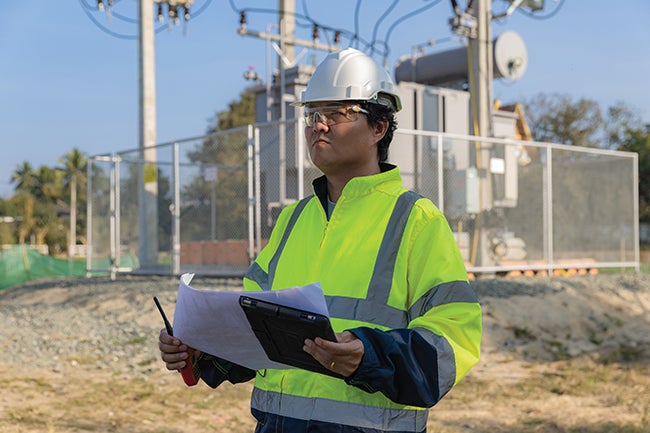
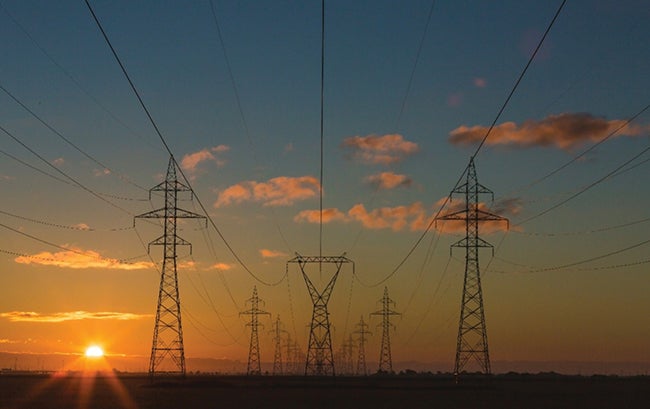
The rapid rise of distributed energy resources (DERs)—rooftop solar, battery storage, electric vehicle charging, microgrids, and decentralized generation—has transformed the grid into a far more dynamic and complex environment. While the utility still owns 80% to 90% of grid assets (Figure 1), some utilities may now be managing two-way energy flows across assets they do not fully own or control.
 |
|
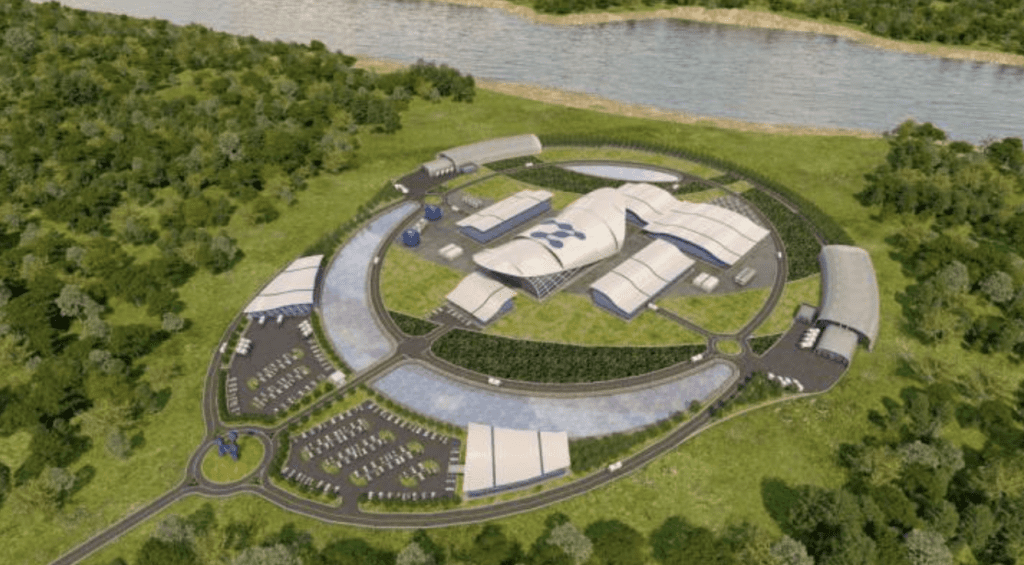
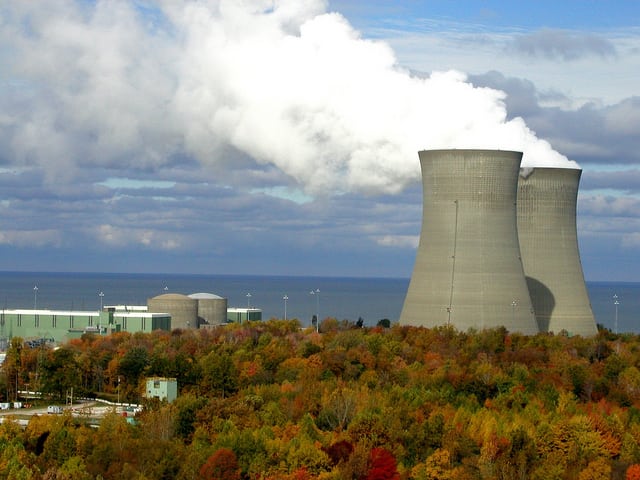
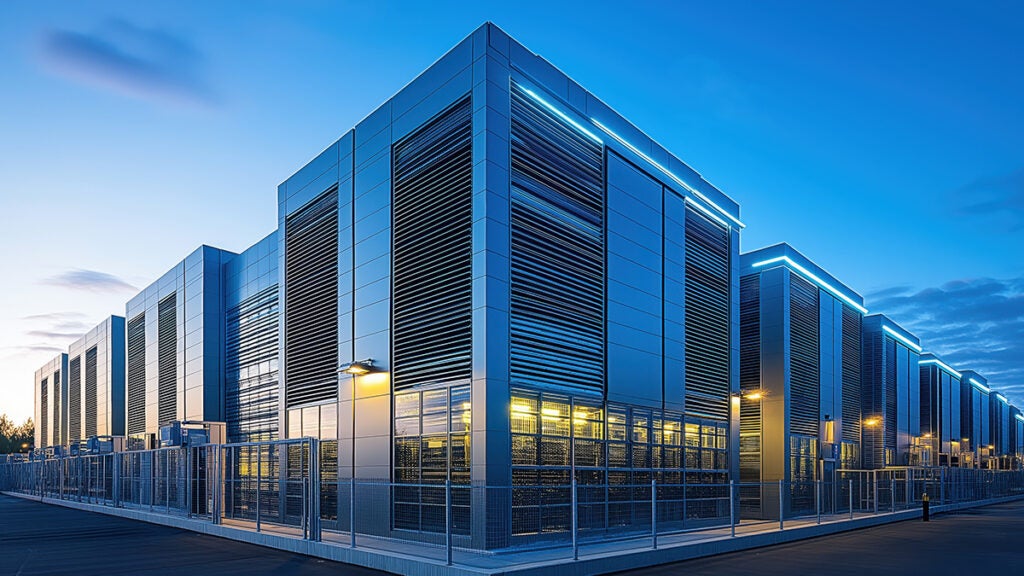
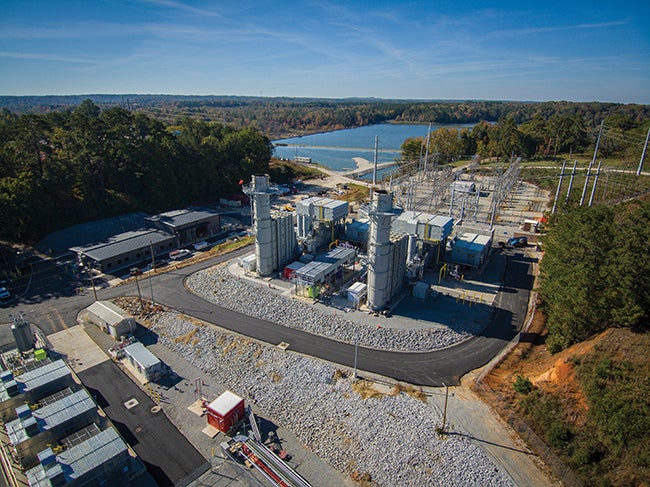
1. The fully autonomous grid remains a long-term objective, but intelligent smart grids are already delivering measurable operational benefits today. Courtesy: IFS from Unsplash (used with permission) |
The amount of flowing data is too much for humans to consume and take action on alone. An issue out in the field may require a technician to interact with third parties to coordinate access and safety while working on the lines where two-way energy flow exists.
But smart grids do more than make split-second decisions far quicker than humans could at such a scale—they also detect infrequent issues, analyze large amounts of data, make recommendations on corrective actions, and can even execute those actions without a human in the loop, if authorized. Automated intelligence capable of processing vast streams of operational data in real time—such as smart devices out in the field—allow utilities to send commands and real-time adjustments to keep the grid running, stable, and harmonized.
Four Priorities for Grid Modernization
As utilities modernize grid operations, four areas require particular attention.
1. Turning Operational Data into Predictive Intelligence. For decades, the utilities sector has been collecting vast amounts of operational information from substations, field assets, meters, and control systems. The challenge is how to turn this siloed big data into timely, actionable decisions.
Internet of Things (IoT) sensors and automated smart-grid technology make this mass of data far easier to manage, handling the grunt work of collection and monitoring so utilities can focus on what matters. Layered on top, AI and predictive analytics sift through these huge volumes of operational data, identify patterns, and predict where failures are likely to occur next—surfacing meaningful signals that would otherwise stay hidden.
This predictive insight also pays off from a workforce perspective, allowing utilities to prioritize the work that needs immediate attention while safely deferring lower-priority tasks.
2. Building a Trusted Data Foundation.Utilities need to make sure this analyzed data is accurate and reliable, but alone this is not enough. Companies must ensure that the data is from the correct sources of data in order to be able to make an informed decision. It’s about identifying the right starting point of data, while ensuring consistent data that is cleaned through good data hygiene.
Reliable data then enables predictive maintenance. This is where edge devices, smart sensors, and Industrial AI work together in the right place and in real time to support smarter asset management and continuous monitoring. Instead of relying on manual inspections every few years, utilities can use intelligent, connected assets that continuously self-monitor and report issues as they happen. The benefits are two-fold: improved reliability and improved safety.
The use of 24/7 monitoring and IoT-enabled assets is a way for utilities to detect anomalies that humans might miss, especially intermittent faults that only occur under certain conditions.
From a planning perspective, early warning signs for one asset can be extrapolated to raise issues on similar assets for replacement or maintenance, way before issues or downtime occurs. Industrial AI and predictive analytics, then ensure maintenance schedules are continually optimized and assets are repaired or replaced at the right time.
3. Addressing Workforce Issues With Digital Tools. Utilities are also battling a less visible but equally serious challenge—the loss of institutional knowledge. Large portions of the experienced workforce are approaching retirement, and utilities are struggling to compete with major technology firms for data scientists, AI specialists, and digital engineers.
Unlike hyperscalers and technology giants such as AWS and Google, utilities operate within heavily regulated environments with limited flexibility, which makes recruitment and retention of workers with information technology (IT) skills increasingly difficult. Moreover, they are also struggling to retain the knowledge of operational staff in the field.
Digital tools preserve institutional knowledge. Utilities are now beginning to explore how AI systems can capture decades of tribal knowledge and make it accessible to newer employees in real-time. Out in the field, it could give less-experienced field technicians real-time guidance and step-by-step instructions during complex maintenance procedures. These ready-made tools reduce the need for technical expertise too, with the ability to automatically analyze sounds, images, and observations, compare them against historical data and manuals, and recommend likely fixes.
Digital tools such as IFS Resolve, developed by IFS Nexus Black in partnership with Anthropic, will call in digital workers to sift through huge data volumes, analyze and flag issues, aid troubleshooting, and identify resolutions based on previous repairs. From a wider recruitment perspective, employees become more productive, empowered, and efficient, enabling utilities to do more with fewer people while improving operational decision-making. IFS Nexus Black calls IFS Resolve, “an industrial artificial intelligence tool built for frontline field workers and technicians in heavy industries like manufacturing, utilities, and aerospace. It interprets photos, voice notes, and sensor data to diagnose equipment faults, predict breakdowns, and guide repairs.”
4. Strengthening Cybersecurity Across Grid Operations.With staff shortages, and an increasing number of workers leaving the industry, reliance on digitally driven operations has only increased—which opens the floodgates for cybersecurity attacks.
The more technology introduced, the smarter these assets become—but way more vulnerable. Connected devices, from smart meters to automated substations, introduce additional cybersecurity exposure. As utilities deploy more IoT-enabled infrastructure, cybersecurity is no longer confined to the IT department of a utility—which could compromise entire organizations.
As grid operations expand, cybersecurity measures need to evolve alongside. Investing in a solution with embedded advanced security controls is a non-negotiable for navigating today’s smart grid. Utilities must seek an IT solution that can manage user access, enforce segregation of duties (known as SoD), and maintain compliance across the entire organization.
Balancing Automation With Human Oversight
From role-based permissions to detailed audit logs, advanced solutions will help utilities reduce cyber risk, prevent fraud, and support regulatory requirements all within a centralized platform.
Workforces must work cooperatively with technology. As electricity networks become increasingly decentralized, data-driven, and interconnected, utilities are shifting from reactive operations toward predictive planning and real-time decision-making. Industrial AI, IoT technologies, and predictive analytics enable organizations to improve asset performance, strengthen workforce productivity, and enhance grid resilience without removing human oversight from critical decisions.
The fully autonomous grid remains a long-term objective, but intelligent smart grids are already delivering measurable operational benefits today.
—Carol Johnston is vice president of Industries, Energy, Utilities, and Resources at IFS.