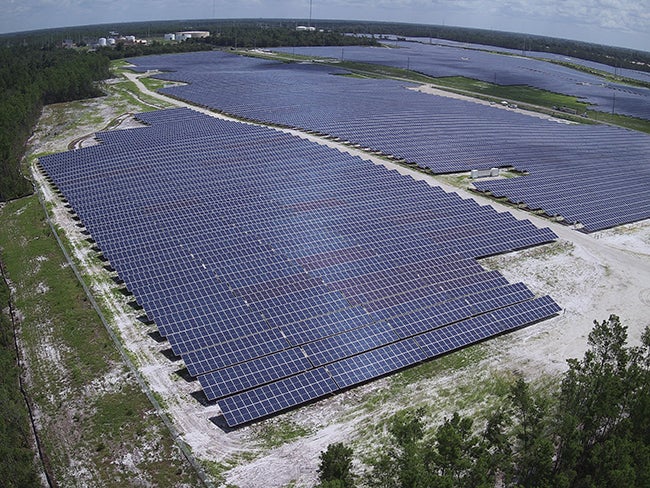
The U.S. averages 470 GW of demand, reaches summer peaks of 759 GW, and has 1,250 GW of generation capacity. Does that sound like a grid running out of power?
PJM’s latest capacity auction signals the need for an additional 14.9 GW of power resources, while the industry is expected to invest $1.4 trillion over the next five years to support the artificial intelligence (AI) boom. So what problem are we really trying to solve? Adding more generation alone won’t fix what’s actually broken: our ability to deliver electricity where and when it’s needed.
A 20th-Century Grid, 21st-Century Demand
Let’s use a house as an example. Your house may average around 1.5 kilowatts of demand, but when you buy a backup generator, you’re buying a 20-kW unit. Why? Because when power is restored, the AC, fridge, and washer all kick on at once. That’s peak load. Peak use, not average, is what you plan for.
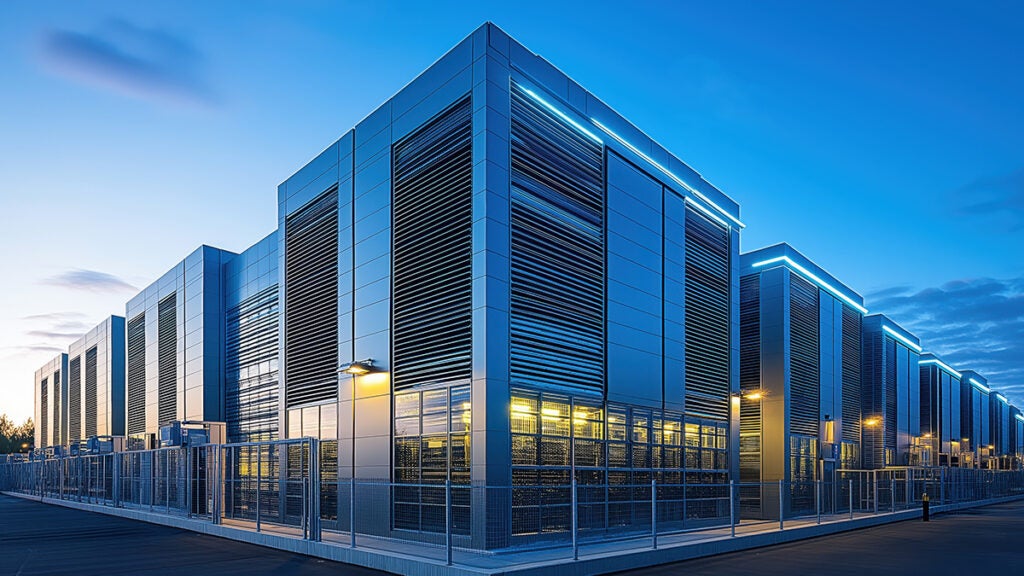
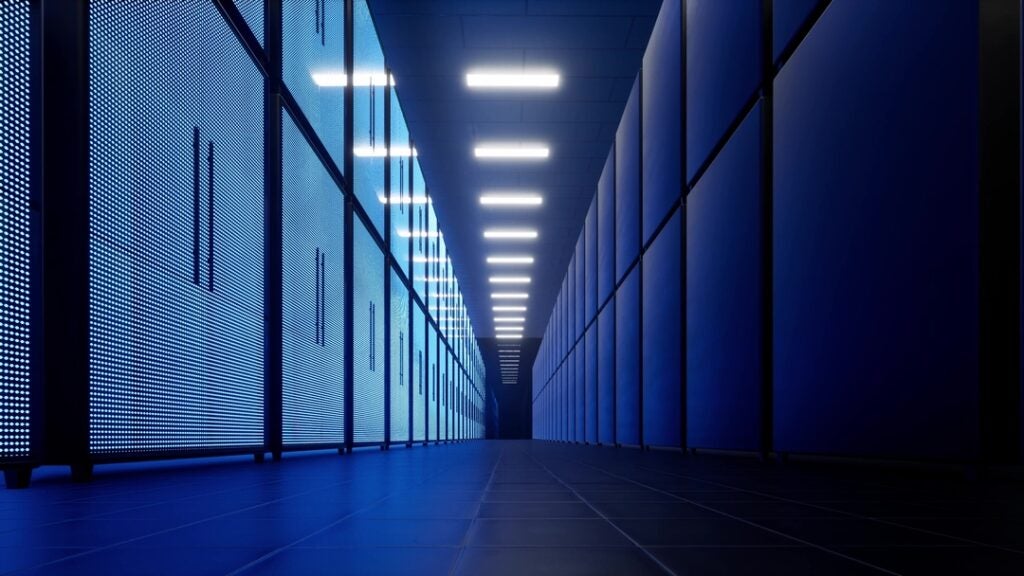
The same thing happens in an AI data center. If you have 5 MW running and your GPU chips surge, you have 25-MW bursts firing up and down in milliseconds. A blink of an eye is about 500 milliseconds. By the time you blink, 100 things could have happened on the grid. Our 20th-century grid can’t handle that kind of ask.
We need a Formula 1 car, not a family sedan. Think of the sedan as our 20th-century grid. It’s served us well, gets good gas mileage, and it’s paid off. But today’s demands require something built for a completely different level of performance.
A modern grid has to deliver power instantly, the same way an F1 car is engineered to perform under extreme conditions. It has to handle violent load swings occurring in milliseconds without losing stability. That’s the grid we need to meet 21st-century demand. Right now, we’re still trying to get there in a sedan.
The Stability Gap
It’s no secret that we have an aging grid. We’ve tried to fortify it through inertia generated by coal plants and gas turbines as they spin. Engineers call this the infinite bus, and for over 100 years, it’s been our safety net. But every time we retire one and replace it with renewables, the bus gets emptier and emptier. Today, we’re retiring them fast.
What happens when the grid loses that stability? Earlier this year in Spain, a disturbance cascaded across the Iberian system in seconds, cutting power to tens of millions of people almost instantly. That’s how fast instability moves on a modern grid.
The grid we rely on today was built for a different era, one shaped by predictable demand and light-duty appliances. But AI, electrification, and advanced manufacturing are changing the speed and intensity of power demand faster than the grid can evolve. Meanwhile, the gap between what the grid was designed to do and what we’re asking it to do keeps growing.
Energy Sovereignty: Power on Your Own Terms
Are AI and data centers going to break the grid? No. But they’ve exposed a problem that’s been building for decades.
The standard industry response, build more, spend more, add more capacity, won’t cut it anymore. Utilities have poured billions into the grid for decades, yet reliability challenges keep growing. Since 2000, the U.S. has invested approximately $1.5 trillion in grid infrastructure–an amount greater than the annual GDP of 90% of the world’s countries. And yet our 2025 grid infrastructure received a D+ grade by the American Society of Civil Engineers (ASCE).
Why? Utilities keep investing in what they know how to build: more assets in front of the meter. However, the problem is no longer just generation. It’s stability, distribution, and real-time demand.
Meanwhile, the stakes keep climbing. Today, we average 1.5 outages a year. According to the DOE, outages are projected to be 100 times worse by 2030. Manufacturing, data centers, hospitals, any operation that cannot afford to go dark can’t sustain 200 outages a year.
Is there a better solution? Yes. Energy sovereignty means you have energy choice, control your data, and are no longer at the mercy of PJM auction prices from three years ago.
Stop waiting for the grid to catch up. Start generating your own power on-site, independent of grid conditions and long utility timelines.
—James Richmond is CEO of e2Companies.