The Federal Energy Regulatory Commission (FERC) has voted unanimously to issue tailored show-cause orders under Section 206 of the Federal Power Act to each of the six regional transmission organizations (RTOs) and independent system operators (ISOs) under its jurisdiction, directing them to either defend or reform tariff rules governing how data centers, manufacturing facilities, and other large energy users access the transmission system.
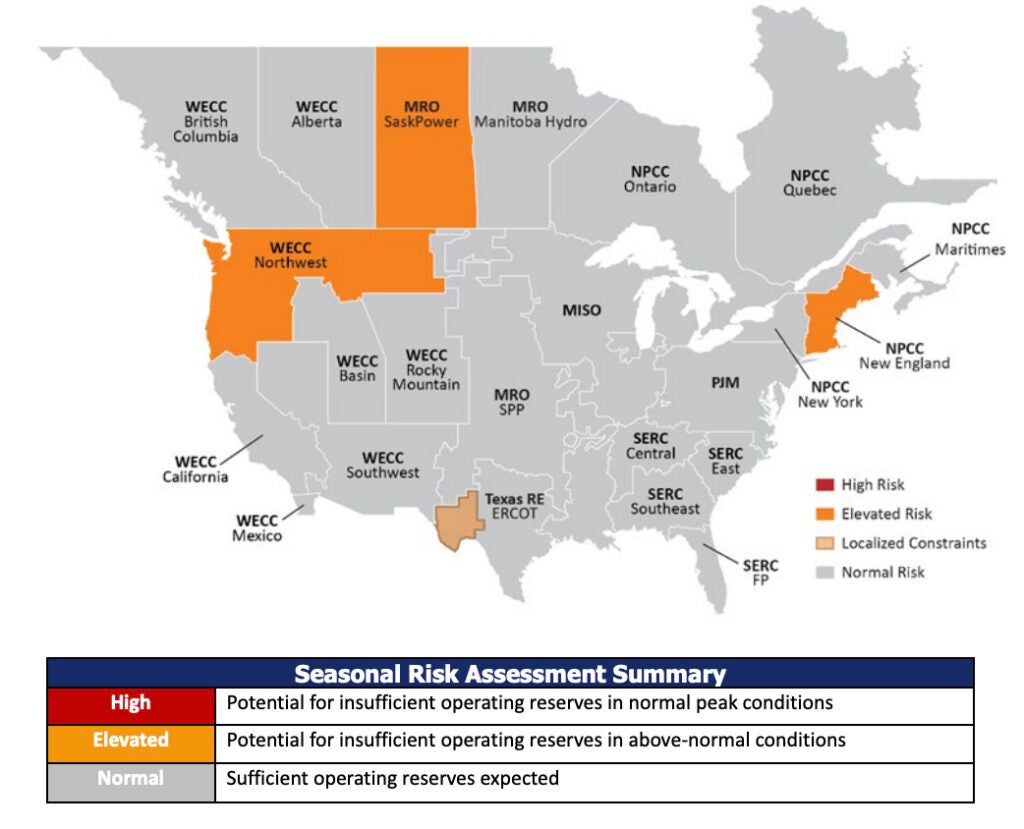
The orders, issued on June 18, apply to PJM Interconnection, the Midcontinent Independent System Operator (MISO), Southwest Power Pool (SPP), the California Independent System Operator (CAISO), ISO New England (ISO-NE), and the New York Independent System Operator (NYISO), along with their transmission owners.
FERC staff said the orders address “the pressing need in the RTO/ISO regions” and will affect 200 million Americans in more than 30 states and the District of Columbia, covering nearly two-thirds of electricity load served under commission-jurisdictional rates.
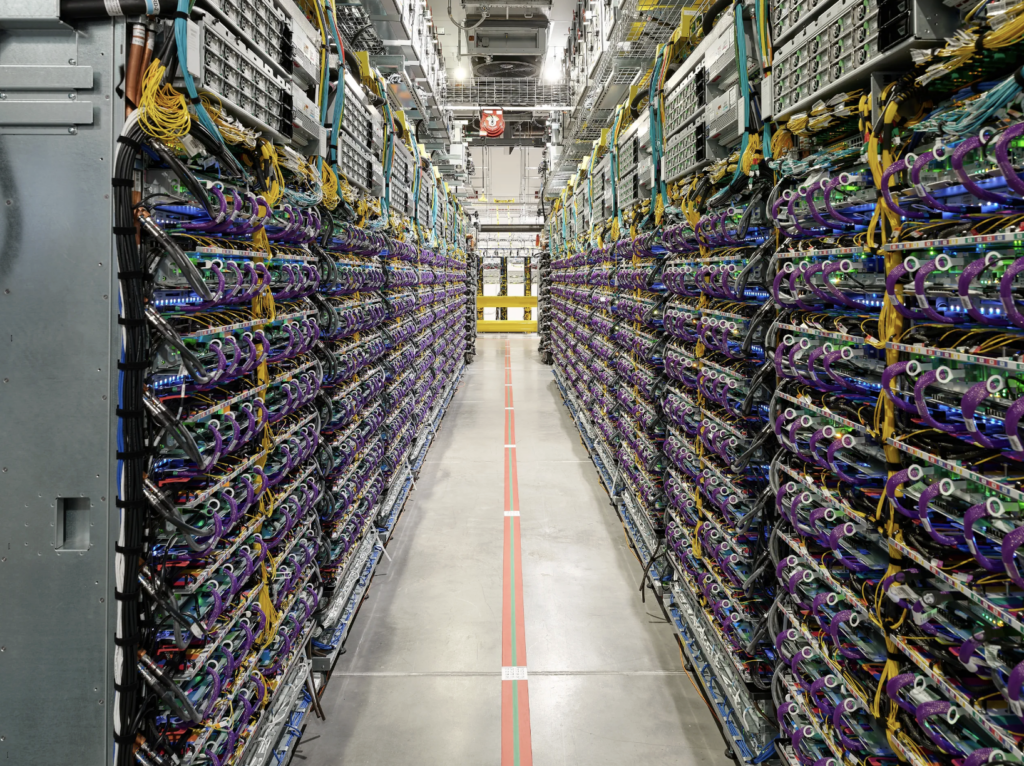
The federal regulator said the U.S. is experiencing “unprecedented demand for electricity, due in large part to the rapid growth of data centers,” and that RTOs and ISOs have “in some cases struggled” to make reforms that would ensure data centers can “quickly and efficiently access the transmission system” and that associated costs are fairly allocated.
“We are setting the stage for a resilient, reliable, and forward-thinking grid that empowers communities and safeguards consumers by transforming the way large energy users access the grid,” said FERC Chairman Laura V. Swett. “It also is critical that FERC provide certainty for investors by directing the markets to protect existing deals and unlock opportunities for technological advancement and economic expansion. We can facilitate both, which is exactly what we did today.”
In its staff presentation, FERC said the orders are informed by more than 3,500 pages of comments submitted in the Department of Energy’s (DOE) October 2025 advance notice of proposed rulemaking (ANOPR), which proposed reforms to ensure the “timely and orderly interconnection of large loads.” FERC’s June 18 action is the commission’s promised response to that proceeding. As POWER reported in April, FERC had said it intended to act to address the problems raised in the ANOPR “in a manner that is quick, efficient, and legally durable.”
On Thursday, the commission said the six markets’ existing tariffs “appear to be unjust and unreasonable” because they do not adequately address the challenges associated with integrating large and co-located loads onto the transmission system. More specifically, FERC staff said the tariffs “appear to lack provisions addressing five categories of reform.”
Those five categories are transmission service application and study processes, including consideration of alternative transmission technologies; prevention of cost shifting and increased cost transparency; treatment of co-location arrangements and behind-the-meter generation; new transmission services for flexible large loads; and study processes for generating facilities serving electrically proximate large loads and large co-located loads.
The orders give RTOs, ISOs, and transmission owners 60 days to respond to the orders, including briefing questions, and 30 days to file informational reports on resource adequacy. RTOs, ISOs, and transmission owners may request abeyance within 45 days, and interested parties may respond to RTO/ISO and transmission owner filings within 30 days.
While the June 18 orders do not finalize a single national rule, FERC said the orders seek to provide regional flexibility “instead of a one-size-fits-all solution,” recognize progress made in SPP and PJM since October 2025, and acknowledge ongoing stakeholder efforts by other RTOs and ISOs. The commission also encouraged RTOs and ISOs to work with transmission owners and regional stakeholders on Section 205 filings that could address FERC’s concerns.
FERC also left the DOE ANOPR docket open for further potential action. In its presentation, the commission encouraged public utilities in other regions to file Section 205 proposals addressing the concerns raised in the orders and the ANOPR.
—Sonal Patel is senior editor at POWER magazine (@sonalcpatel, @POWERmagazine).
Editor’s note: POWER is continuing to review the June 18 orders, FERC’s open-meeting statements, and stakeholder responses. POWER will add more detailed analysis here—please check back for updates.