July 17, 1955, was the first time electricity generated by a U.S. nuclear power plant flowed into a utility grid. The experiment required Utah Power & Light to disconnect itself from the power lines to the 1,200 residents of Arco, Idaho, and plug in the Argonne National Laboratory experimental boiler water reactor, BORAX-III. The plant produced merely 2 megawatts for more than an hour, as planned, after which linemen reconnected the town’s grid to the utility. Since then, the U.S. nuclear industry has demonstrated excellence in operations, but more than 50 years after that first nuclear power supply, it is lagging far behind even developing nations in new construction.
Significant Global Growth
Today, 439 nuclear power plants are in operation in 30 countries with a total capacity of 372 GW. The U.S., for comparison, operates 104 of those plants, totaling a bit over 100 GW of installed capacity. France is runner-up with 59 operating plants and one new plant under construction.
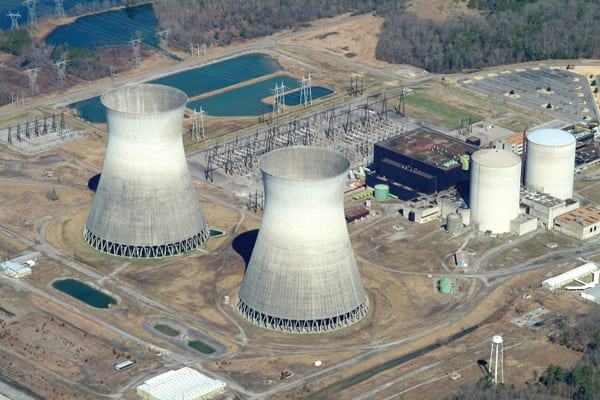
As with picking stocks, the U.S. nuclear industry’s past performance may not be a predictor of future performance. According to the International Atomic Energy Agency (IAEA), 53 reactors, rated at just over 47 GW, are under construction around the world today. In the U.S., the only "new" nuclear plant is Watts Bar Unit 2. Construction of that unit was stopped in 1985 but restarted two years ago. When completed in 2013, Watts Bar Unit 2 will add almost 1,200 MW to the Tennessee Valley Authority grid.
The growing global nuclear industry is leaving the U.S. nuclear industry in the dust. The IAEA predicts that the global 372 GW will grow to somewhere between 510 GW and 810 GW by 2030, an 8% increase compared with last year’s projections.
The IAEA projections by region are a mixed bag. "Modest" downward projections for North America are offset by major increases in the Far East — which includes China, Japan, and the Republic of Korea — and South Asia, which includes India. IAEA projections are presented as high- and low-range projections to reflect uncertainties surrounding individual countries’ economic and electricity growth projections and national policies supporting low-carbon electricity production. The IAEA projections also illustrate that the agency believes the U.S. nuclear market has softened over the past year.
Developing Countries Pick Nuclear
The location of these new reactors provides a peek into where the U.S. fits into the global nuclear marketplace. Unexpectedly, the countries with the largest fleets of operating nuclear plants are not the countries looking to add plants. As many as 20 countries will build nuclear plants by 2030 that do not currently have one.
The numbers also indicate that developing countries are likely to lead the industry in new construction in future years. For example, China, with 11 operating nuclear plants, leads the planet with 16 more under construction. Five of those plants broke ground in 2009 and six in 2008. Next, the Russian Federation, with 31 operating reactors, has another nine reactors under construction. Tied for third place, with six reactors under construction, are India (17 operating reactors) and the Republic of Korea (20 operating reactors). Japan will have 55 nuclear plants when its two units now under construction are completed.
Here’s another interesting observation that helps put the progress of the U.S. nuclear program into perspective. The explosive growth of global nuclear power construction is determined not only by the number of projects under construction but also by the number of projects that have been recently completed. IAEA statistics show that the last nuclear plants to enter commercial service (ignoring the Browns Ferry 1 restart in 2007) were China’s Tianwan 1 and India’s Tarapur 3, both in mid-2006.
The number of new plants under construction grew from 33 in 2008 to more than 50 in 2009, but only two plants have been completed since 2006. Lots of starts but few plants completed means that the backlog of work under way is growing. Even so, it’s a fraction of the peak of 233 plants under construction in 1979. The average has been around 30 to 40 plants under construction in each of the past 15 years.
Think Globally
My EUCG nuclear benchmarking article (p. 74) this month notes that power uprates and capacity factor improvements in the U.S. nuclear fleet over the past two decades have added the equivalent of over a dozen new nuclear plants. That experience was not unique to the U.S. Global nuclear availability factors have increased from an average of 72.3% to 83.2% since 1990. During the past 25 years, power uprates have accounted for two-thirds of the total increase in global nuclear energy produced, while new construction produced one-third of the increase. The global improvement in the operation and maintenance of nuclear plants is just as astounding as improvements in the U.S. over the same period.
Act Locally
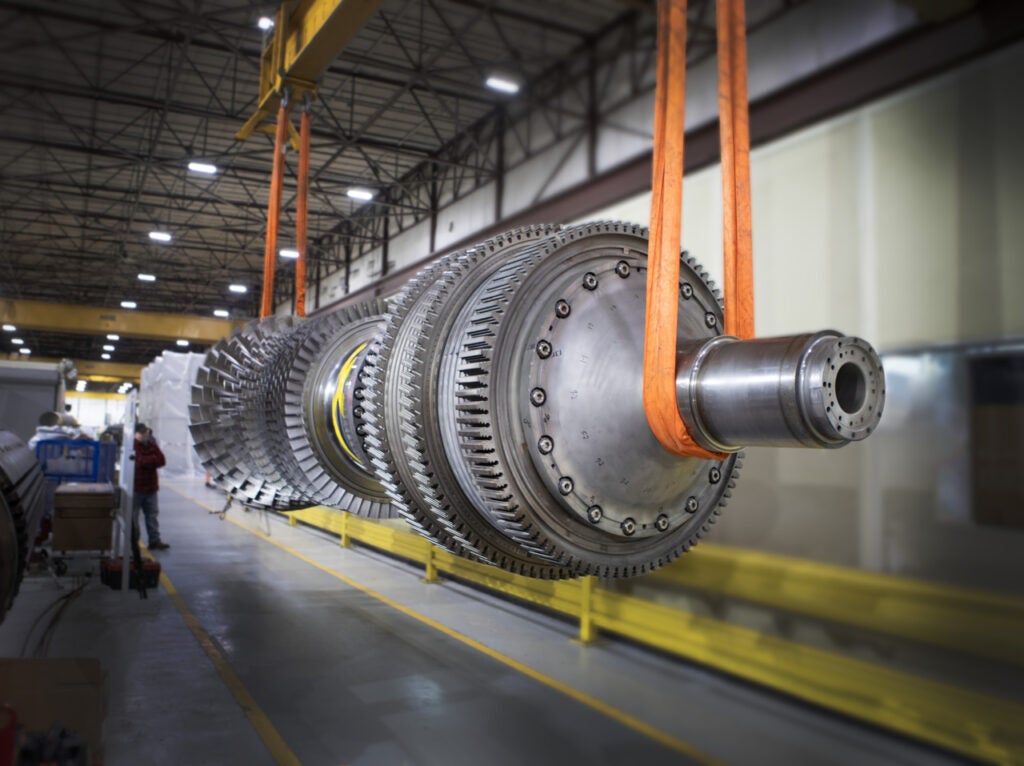
The U.S. remains the largest single market for new nuclear power plants given its 30-plus applications pending before the Nuclear Regulatory Commission. Nevertheless, the U.S. is also unable to produce pressure vessels and key forgings, it has an unproven new licensing system, it has an administration that seems to be ambivalent about the advantages of nuclear power, and it has a nuclear industry distracted by a potential quick profit from the carbon allowances promised by passage of carbon emissions reduction legislation. The U.S. nuclear industry is producing paper while other countries are pouring concrete.
The Roman poet Ovid is credited with observing that "tempus edax rerum" ("time [is the] devourer of all things"). I hope he wasn’t talking about the nuclear future of the U.S.
— Dr. Robert Peltier, PE, is POWER’s editor-in-chief.