In April, California Governor Jerry Brown (D) signed Senate Bill 2 (SB2) into law. When it becomes effective later this year, SB2 will be the primary legislation governing implementation of the California Renewables Portfolio Standard (RPS) program.
Governor Brown embraced SB2 for “stimulating investment in green technologies,†“creating tens of thousands of new jobs,†and “promoting energy independence.†The governor projected that SB2 would “ensure that California maintains its long-standing leadership in renewables†and that an RPS target of “40%, [and] at reasonable cost, is well within our grasp in the near future.†The resulting sound bite delivered the desired political message: By 2020, the percentage of renewable generation that California utilities must purchase increases from 20% to 33%—clearly making California’s RPS target the nation’s most aggressive.
SB2: Same Old, Same Old
The “green technology†hype aside, SB2 will likely not advance the development of, or any investment in, RPS power, nor create “green†or any other types of jobs, within or outside of California. SB2 will inflate demand for RPS power and concurrently restrict supply—circumstances that economics teaches will trigger price increases, not decreases. The uncertainties of California regulation, combined with the idiosyncrasies of the RPS policies of other states, have deterred RPS development throughout the West. SB2 adds layers of regulatory complexity, causing inevitable delay; the California Public Utilities Commission initiated a rulemaking to implement SB2, but cautions that it needs at least two years to adopt final rules.
Significantly, SB2 authorizes the utilities to procure “Tradable Renewable Energy Credits†(TRECs) to satisfy part of their RPS purchase requirements. In the traditional “bundled†RPS transaction, the generator sells both the physical power and associated RECs in one integrated transaction; recognition of TRECs allows the RPS generator to sell the physical generation to one buyer and separately convey the REC associated with the generation to a second purchaser. Proponents promise authorization of TRECs will add flexibility, reduce transaction costs, increase supply, and thus reduce RPS compliance costs.
However, SB2 purposely limits a utility’s TREC purchases to no more than 10% of its total RPS MWh. It establishes a “Bucket†priority for different RPS products and accords TREC purchases the lowest-priority Bucket 3 (subject to the 10% cap). In contrast, bundled transactions are awarded “Bucket 1†priority, and are thus guaranteed a minimum of 75% of the RPS market and are eligible to fill the utility’s entire RPS obligation (negating any TREC transactions).
SB2’s Discrimination Harms Western Energy Development
SB2’s relegation of TRECs to Bucket 3 effectuates an almost identical restriction on out-of-state RPS generation. With respect to almost every possible commercially viable transaction, SB2 dictates that out-of-state RPS purchases be subject the 10% TREC limitation. The net effect is that California utilities must satisfy their RPS obligations with only the smallest amount of non-California generation.
California’s xenophobia against out-of-state RPS resources has been criticized and faces likely judicial challenge. Former Governor Arnold Schwarzenegger (R) vetoed similar legislation adopting a 33% RPS target, finding it would restrict the “importation of cost-effective renewable energy from other states.†Opponents have asserted that the discrimination against out-of-state RPS generation violates the Commerce Clause in the U.S. Constitution.
Moreover, the policy bias against out-of-state generators is misdirected. California has a legitimate interest in promoting the development of new in-state RPS generation. However, SB2’s near prohibition against out-of-state RPS generation will not add 1 MW of new RPS capacity within California. The simple realities are: California cannot satisfy its physical power or RPS requirements solely with in-state generation, and restricting purchases of out-of-state power will not streamline the permitting and construction of RPS projects within California.
Similarly, Governor Brown’s goal to increase green investment and employment does not necessitate SB2’s discrimination against out-of-state RPS generation. The market for commercially viable green technology developed in California is not limited by state boundaries. California projects offer temporary employment gains during construction; however, SB2’s premise that state-of-the-art solar or wind projects equate to “tens of thousands†of permanent California jobs is anachronistic, reminiscent of staffing for fossil-fuel or nuclear projects from the last century (and Governor Brown’s first tenure). Moreover, “green technology†employment is not dependent on geographic proximity with the generating facility. Professionals employing computer technology in Silicon Valley can optimize the performance of wind turbines in Montana to most cost-effectively generate RPS power.
SB2 is symptomatic of California’s misguided energy objectives. The promise that SB2 will promote California “energy independence†(whatever that may mean) is disingenuous. California is not, has not been, and can never be an “energy island unto itself.†Insulating in-state producers from out-of-state competitors has never benefited California consumers and will not lead to “prices dropping.â€
Political gimmickry, such as SB2, is unnecessary to ensure that California retains its RPS “leadership.†The policy preferences of its citizens, combined with the enormity of its electric load, make California a natural leader. Importantly, RPS leadership is not only a benefit; it also imposes responsibility. Governor Schwarzenegger got it right! California’s RPS and other energy initiatives must be directed at and be consistent with “a regional effort that optimizes [RPS and other energy] resources throughout the West at a lower cost to†electric consumers.
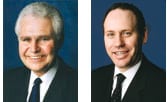
— Steven F. Greenwald (stevegreenwald@dwt.com) and Jeffrey P. Gray (jeffgray@dwt.com) are partners in Davis Wright Tremaine’s Energy Practices Group. Davis Wright Tremaine represents both California and out-of-state generators who desire to sell RPS power to California utilities.