
Electrification remains important for the energy sector, even with renewed support for the use of fossil fuels. Electric utilities continue to look at how electrification—including the use of electric vehicles, and installation of heat pumps and electric appliances in the residential sector—is impacting and will further impact demand for power.
Some in the commercial and industrial sector may no longer trumpet climate goals, but industries still want to operate more efficiently and reduce their carbon footprint. It often brings cost savings, as bottom lines increase in importance during a period of economic upheaval.
ABB is among the companies using engineering and digitalization expertise to help industries, including the power generation sector, perform better, be more efficient, increase productivity, and operate more sustainably. The company has engineered and continues to develop products and services to support electrification, helping businesses run—as the company says—”leaner and cleaner.”
Khalid Mandri is president of ABB Installation Products. Mandri recently provided POWER with his insight about how electrification supports decarbonization, and how it aligns with optimizing power infrastructure, including the grid. Mandri noted the importance of infrastructure upgrades to the future of power generation and delivery, particularly through modernization techniques that can upgrade systems without requiring total rebuilds.
To learn more about electrification and its impact on the power sector, check out POWER’s continuing coverage of the topic on powermag.com. And don’t forget to register to attend our annual Experience POWER event, which will be held this year in Washington, D.C., Sept. 28-30.
POWER: How important is electrification to reaching decarbonization goals, whether for a municipality, commercial and industrial enterprise, utility, or other enterprise?
Mandri: As global electricity demand continues to grow, electrification has become the cornerstone of any meaningful decarbonization strategy. According to the International Energy Agency (IEA), utilities need to refurbish or construct more than 80 million kilometers of grids worldwide by 2040—equivalent to rebuilding the entire existing global grid. This expansion is essential to decarbonize electricity supply and integrate renewable energy sources into the power system.

The fastest path to decarbonization is optimizing existing infrastructure through high-efficiency motors and digital energy management tools that enable industries to do more with less, reducing global energy demand while maintaining productivity.
POWER: How should entities look to accomplish their electrification goals? What technologies (for heating, cooling, etc.) should be embraced?
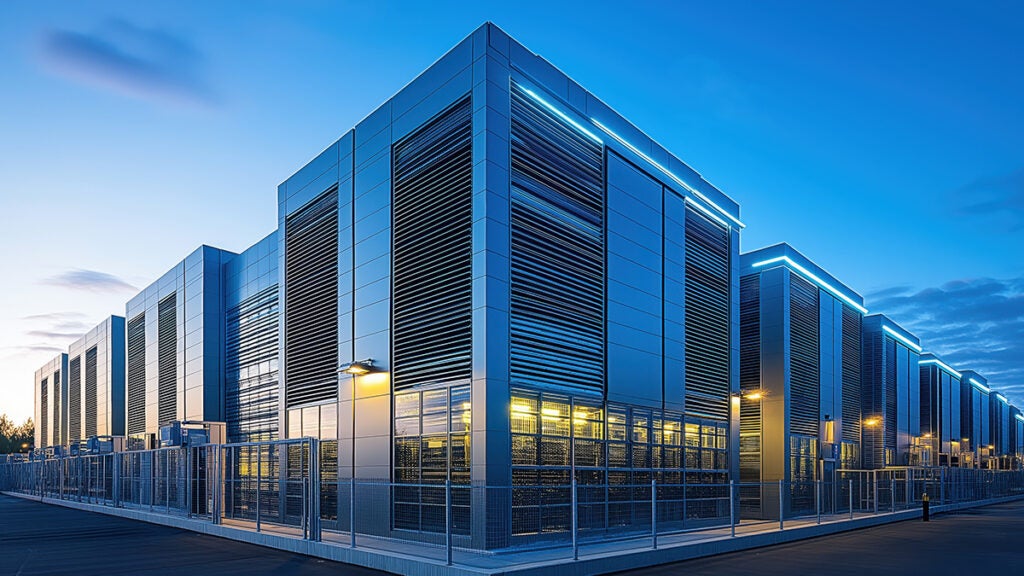
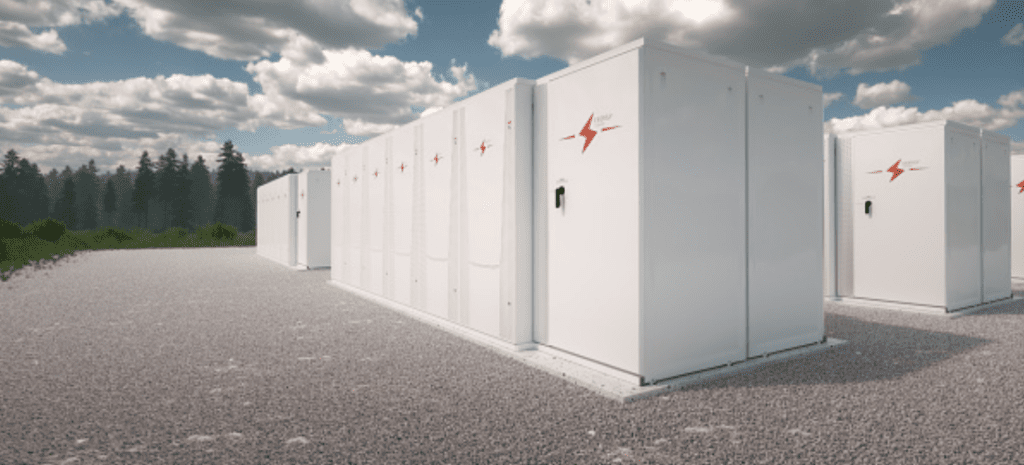
Mandri: Technology is key to the AI-driven data center revolution and grid modernization, including advanced undergrounding solutions, digital substations, battery energy storage systems (BESS), microgrids, grid-forming technologies, and digital twins.
High-density power systems and modular infrastructure enable data centers to be built faster and operate more efficiently, minimizing energy waste. High-efficiency drives and variable frequency drives reduce energy consumption and costs in industry and buildings. Complementary digital twin technology allows companies to simulate and optimize complex systems such as carbon capture or green hydrogen production before commissioning. This virtual testing reduces both financial and operational risk.
This modernization-first approach extends the life of existing infrastructure by upgrading systems rather than replacing entire units, offering a practical and cost-effective pathway to achieving electrification goals.
POWER: What should drive electrification? Should it be government policies, economic benefits, environmental benefits, or something else?
Mandri: ABB drives electrification by balancing four equally critical priorities: safety, affordability, sustainability, and reliability. With customers more dependent on electricity than ever, utilities prioritize minimizing outages and ensuring power continuity during extreme weather events. To achieve this, utilities are shaping community-centered strategies that address today’s challenges while preparing for future uncertainties. We are providing advanced electrification solutions that harden grid infrastructure against extreme weather and other environmental threats, delivering greater reliability and safety for communities.
By investing heavily in U.S.-based production, we are reducing energy transition risks for customers through a “local-for-local” approach that ensures critical grid components are available when needed, free from global supply chain disruptions and logistics bottlenecks.
Similarly in Europe, we work at every level to support both European Union (EU) goals and country-specific strategies, delivering customized solutions to fit each nation’s unique energy profile and requirements. We actively support vital EU initiatives to strengthen cross-border grid interconnections essential for sharing renewable energy, increasing system-wide reliability and creating a unified European grid.
Ultimately, successful electrification depends on three factors working together: policies that support infrastructure investment, economic benefits that make the transition viable, and environmental benefits that address the urgent need for decarbonization. Aligning these elements will help achieve the scale and speed of transformation to meet the increased demands.
POWER: In the current political climate, at least in the U.S., should we rely on government policies to push electrification—or should adoption be driven by market forces?
Mandri: According to NEMA (National Electrical Manufacturers Association), U.S. electricity demand is estimated to increase 2% annually and (an overall) 50% by 2050, driven by record growth in data centers and e-mobility. It is important that government policies and market forces work in tandem to maintain a reliable and affordable energy system through this new age of demand growth.
ABB is the first NEMA member to achieve Build America, Buy America (BABA) certification for high- and medium-voltage distribution equipment, enabling utilities to use our solutions for federally funded infrastructure projects. We scale production of grid-hardening technologies, like those produced in ABB’s Albuquerque, New Mexico facility, to mitigate risks from extreme weather and integrate decentralized energy sources.
POWER: How can electrification technologies help utilities manage electricity, and support grid flexibility?
Mandri: As the energy mix shifts toward intermittent renewables, critical physical and digital tools are essential to maintain grid safety and balance, preventing outages and ensuring a steady electricity flow to industrial hubs and consumers. Empowering this transition to a more sustainable and decentralized energy future requires advanced technologies capable of integrating renewable energy sources and managing distributed power generation across the grid.
Utilities can enhance grid resilience with specially engineered, weather-resistant products designed for specific environmental threats. Submersible switchgear protects critical infrastructure in flood-prone areas, while aerodynamic overhead equipment withstands extreme winds in high-risk regions. Advanced fire-mitigating components, like spark-containing fuses on overhead lines, significantly reduce the risk of equipment-sparked wildfires in vulnerable areas, protecting communities and ecosystems.
Microgrids provide localized, independent energy solutions that help enhance resilience for critical facilities and communities, particularly in areas with unstable grids, while supporting the growing electricity demands of data centers and EV charging. Direct current (DC) grid technology helps reduce energy losses and raw materials, making it a more efficient solution for integrating renewables and powering DC-native loads.
POWER: How should utilities deal with the challenges presented by the increasing demand and need for electricity?
Mandri: As the demand for electricity continues to grow, utility operators face complex challenges balancing reliable, responsible, and sustainable energy generation. True grid resilience is not about one technology, it is about a system that can adapt, isolate faults quickly, recover autonomously and support real-time decision-making. Meeting these challenges takes more than upgrades—it requires a smart, connected approach to electrical infrastructure. This spans everything from substations and feeders to automation systems, protection devices and medium-voltage switchgear, which plays a key role in controlling power flows and isolating faults.
ABB provides electrification solutions that help improve grid reliability, prevent outages and support decarbonization objectives. Drawing on more than a century of experience in power systems engineering, we collaborate with utilities and customers to address evolving electrification challenges and infrastructure requirements in communities where we live, work and play.
—Darrell Proctor is a senior editor for POWER.