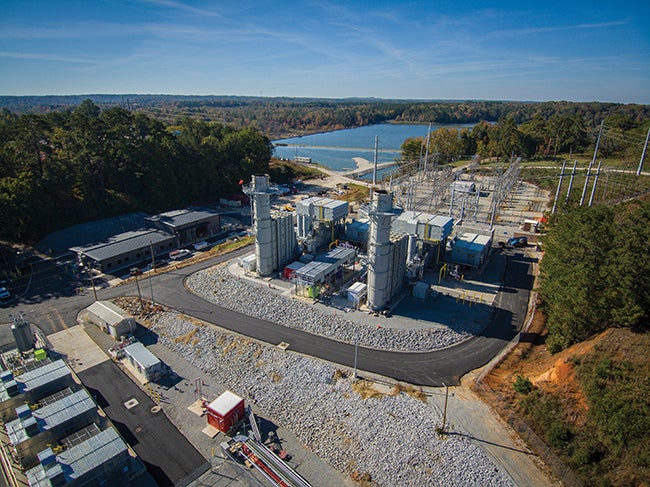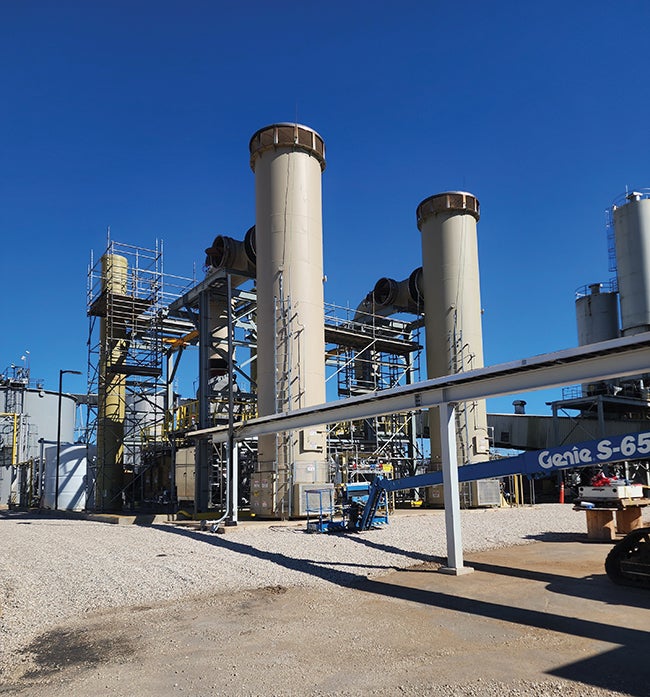
In recent months, the Department of Homeland Security has issued stark warnings to U.S. energy companies: increase their security posture now or risk becoming a casualty of rising global tensions. While headlines often focus on the specter of terrorism or international cyberwarfare, the reality on the ground is that some of our most vital assets—the power plants and substations that keep the lights on—remain dangerously vulnerable to a wide array of physical threats.
Protecting critical infrastructure is no longer just about guarding a perimeter; it is about ensuring the foundational productivity of our entire nation. From large power plants to remote substations, the sprawling, decentralized nature of our energy grid makes it a uniquely difficult target to defend.
We have already seen what can happen. In a 2013 substation attack in California, attackers cut communication lines and used rifles to disable cooling systems from a distance, nearly causing a catastrophic fire. More recently, similar gunfire attacks on substations in North Carolina left thousands without power for days.
Moving Beyond ‘Reactive’ Security
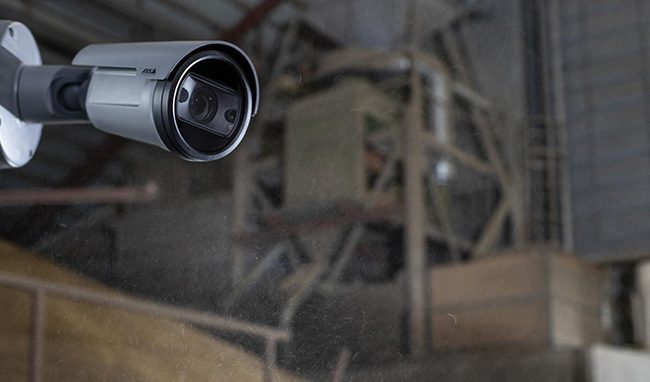
For years, the industry has relied on a standard suite of tools: fences, cameras, and basic motion sensors. But traditional 2D video analytics are easily fooled by shadows, moonlight or wildlife. To truly protect a distributed network, we must move from a reactive posture—checking the footage after the damage is done—to a proactive one.
The gold standard is a layered defense system anchored by 3D LiDAR (Light Detection and Ranging) technology and “digital twins.”
Unlike traditional cameras, LiDAR creates a mesh of laser light and utilizes volumetric detection to track objects with precision down to three cubic millimeters. It doesn’t just see a shape; it understands the speed, direction and projected movement of an intruder, whether they are on the ground or approaching via drone.
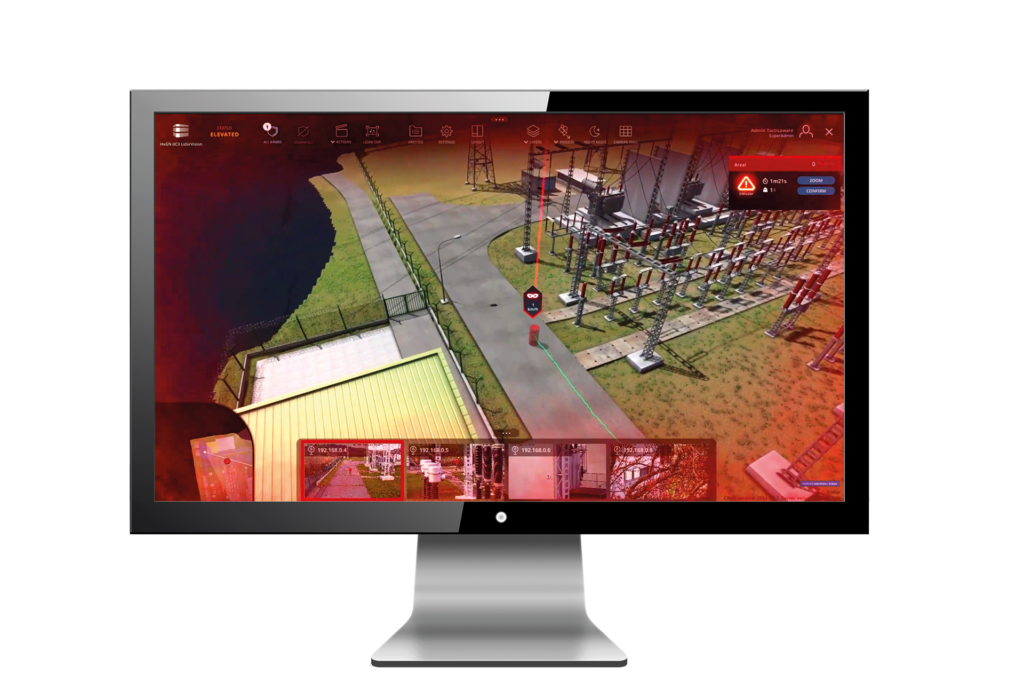
But perhaps the most significant leap forward is the use of the digital twin—a virtual, real-time replica of the physical site. This technology offers two major new advantages for utility operators:
1. Optimized design—Digital twins allow operators to test security scenarios in a virtual environment, rather than waiting to fully test a system in the real world. This allows operators to identify potential blind spots before a single sensor is installed on-site. Without this capability, you might identify vulnerabilities after installation, resulting in added costs to correct the problem.
2. Precision recovery—In the event of a breach, a virtual breadcrumb trail on the digital twin shows operators and investigators exactly where the intruder went and with which structures they interacted. This allows for isolated repairs, rather than a floor-to-ceiling recertification of an entire substation—which may be the size of three football fields. The cost savings here are significant.
A Unified Source of Truth
The goal for every utility leader should be the creation of a master source of truth. By integrating operational data (heat and pressure) with security data (LiDAR and video), Security Operations Center teams can assess a situation in seconds. They can determine if a threat is a bird or a drone and instantly share a live collaboration link, including video, with local law enforcement, offering real-time data during an incident or bypassing the often weeks-long approval process for external video data sharing.
Security can no longer be an afterthought in the design and build process of our energy assets. As global threats evolve, our defense must be built into the very lifecycle of the infrastructure itself. The technology to do so exists today; it is time we deploy it at scale.
—Nick Karakulko is the Senior Director of Critical Infrastructure Protection Solutions at Octave, the proposed software spinoff of Hexagon AB. Octave provides mission-critical software that empowers organizations to make informed decisions across every stage of the asset lifecycle.