The Nuclear Regulatory Commission (NRC) on March 4 authorized staff to issue a construction permit for TerraPower’s Kemmerer Power Station Unit 1 in Kemmerer, Wyoming—the first commercial reactor the agency has approved for construction in nearly a decade, and the first approval for a commercial non–light water reactor design in more than 40 years.
The permit was issued to US SFR Owner LLC (USO), a wholly owned TerraPower subsidiary, which filed the application in March 2024, requesting authorization to build the hybrid sodium-cooled advanced reactor on a site near PacifiCorp’s retiring Naughton coal plant in Kemmerer.
NRC staff accepted the application and began formal review in May 2024. It completed its technical review in less than 18 months—nine months faster than initially estimated. The commission concluded in a 26‑page memorandum and order that there were “no safety aspects that would preclude issuing the construction permit.”
“This is a historic step forward for advanced nuclear energy in the United States and reflects our commitment to delivering timely, predictable decisions grounded in a rigorous and independent safety review,” NRC Chairman Ho Nieh said on March 4.
A Historic Approval
In its March 4 order (CLI‑26‑5), the commission unanimously authorized the Office of Nuclear Reactor Regulation to issue a Part 50 construction permit to USO for Kemmerer Unit 1. The commission stressed the decision “does not constitute approval of the design” and that a separate operating license will be required before the facility can operate.
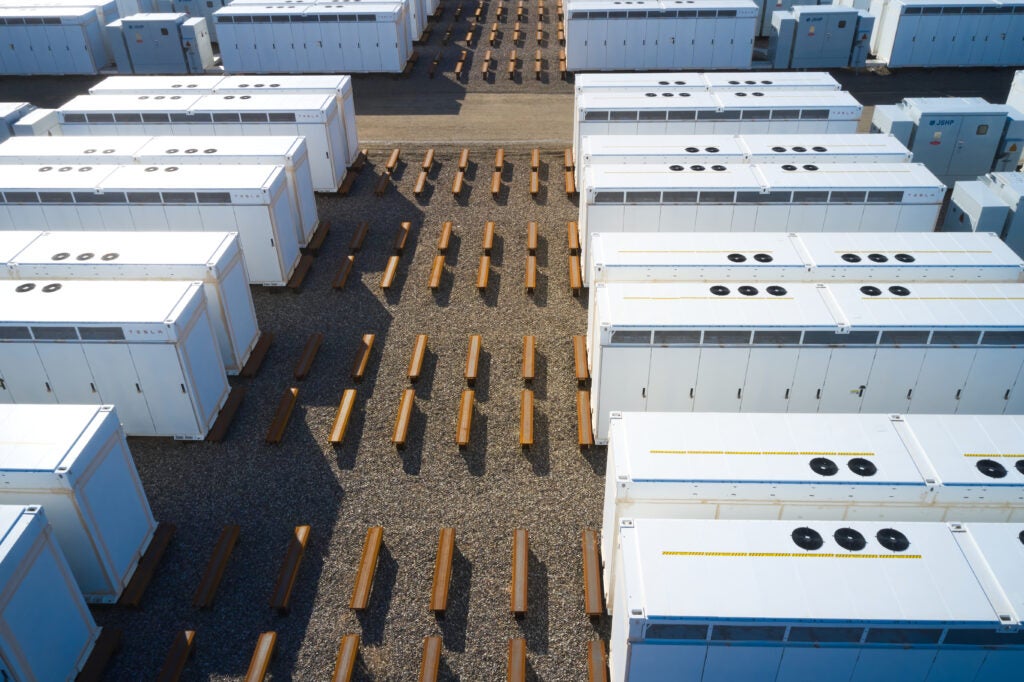
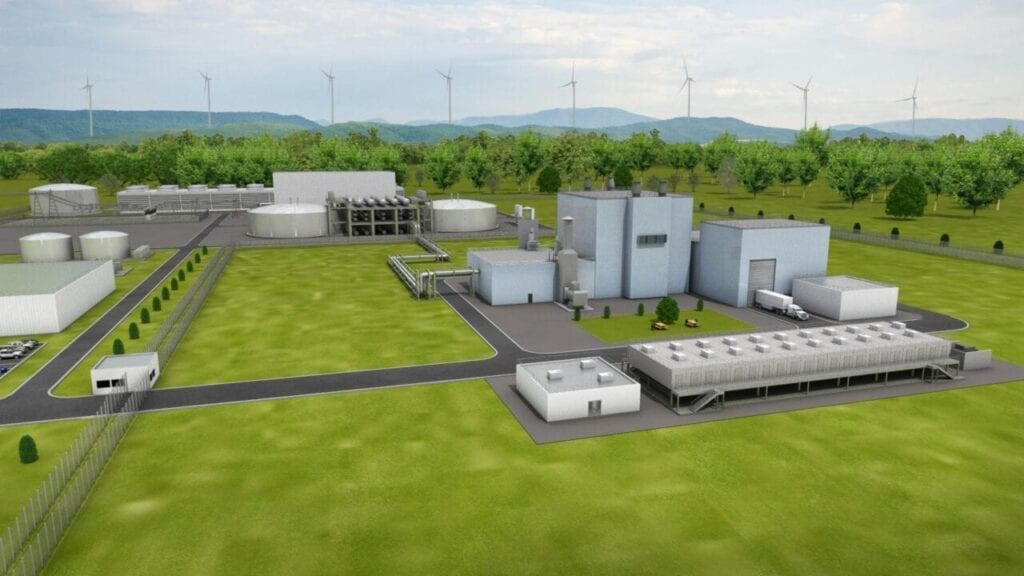
The 345-MWe KU1 reactor plant consists of an 840-MWt pool-type, metal-fueled, sodium-cooled fast reactor featuring a “compact and simple safety envelope.” The plant will also feature a molten-salt energy storage system that will allow it to vary its supply of energy to the grid—up to a net 500 MWe—while maintaining constant reactor power.
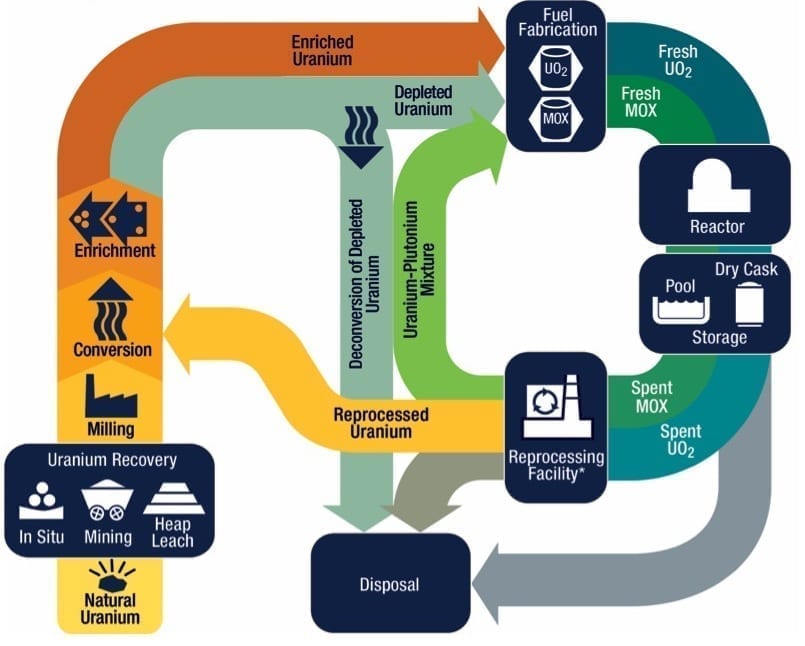
Although sodium fast-reactor designs have been previously demonstrated, the NRC said several features of the KU1 design are expected to enhance safety compared with earlier systems. These include the use of high-assay low-enriched uranium (HALEU) fuel with favorable neutronics characteristics, multiple mechanical primary coolant pumps to reduce the risk of losing forced circulation, a highly reliable scram system to ensure reactor shutdown, and a seismic isolation system designed to mitigate earthquake loads on the reactor core. The agency also noted that the reactor’s low-pressure sodium coolant system means “there is no driving force to energetically disperse or transport radionuclides away from the reactor.”
USO expects to complete construction by Feb. 28, 2031, after which it plans to seek a Class 103 operating license, which will authorize 40 years of operation. Before the plant can begin operation, the company must submit a final safety analysis report reflecting the as-built design, and the NRC must determine that the completed facility provides reasonable assurance of safe operation.
Still, the NRC highlighted several firsts achieved with the historic approval: KU1 now has the first construction permit issued under 10 C.F.R. Part 50 for a non-light-water commercial power reactor in more than 50 years. But the application is also the first for a power reactor to employ a fully risk-informed, performance-based licensing basis using the Licensing Modernization Project (LMP) methodology (NEI 18-04 / RG 1.233), a framework developed by industry and endorsed by the NRC in 2020.
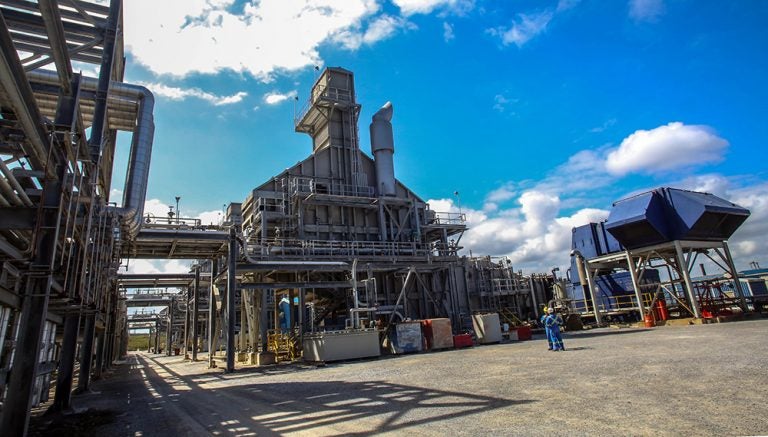
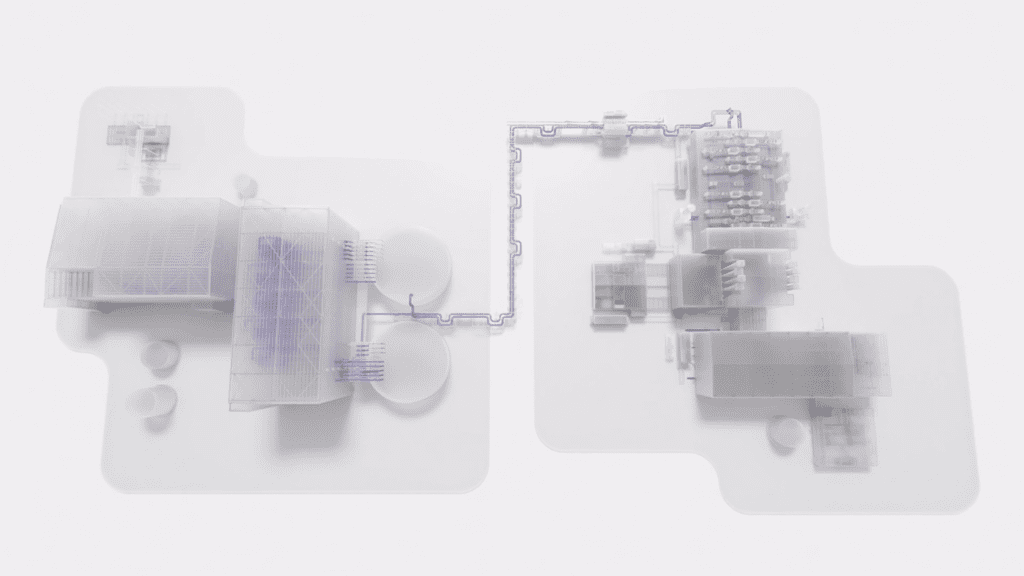
The permit also reflects TerraPower’s architectural separation of the plant’s “nuclear island” and “energy island.” In the Natrium design, heat from the sodium-cooled reactor is transferred through an intermediate loop to a molten-salt storage system that feeds a physically separate steam and turbine-generation complex. Because the electricity-generation systems are isolated from the reactor’s safety systems, the NRC said their performance—or failure—is not expected to affect reactor safety, allowing the agency to focus its licensing review on the nuclear portions of the facility.
TerraPower’s construction permit, granted on Wednesday, follows several key regulatory milestones. The NRC staff issued its safety evaluation for the application in December 2025, documenting the agency’s technical review of the Natrium design and concluding that the project meets statutory and regulatory requirements for a construction permit. The agency also completed a final environmental impact statement (NUREG-2268) for the Kemmerer site in October 2025—prepared with the Department of Energy (DOE) as a cooperating agency—which evaluated environmental effects across a broad range of resource areas and alternatives under the National Environmental Policy Act.
The NRC said its review relied on enhanced licensing practices, including a core-team structure and extensive regulatory audits, which helped accelerate the staff review by roughly nine months. As noted in its March 4 memo, the NRC staff granted four exemptions from existing regulations—three requested by the applicant and one initiated by the staff—covering HALEU fuel handling and criticality requirements, emergency core cooling system analysis, financial qualifications, and the use of NEI-18-04’s safety-classification process.
From R&D to Execution
For TerraPower, the construction permit is a tremendous milestone that culminates a sprint that began when the DOE tapped the company in 2020 as one of two flagship awardees under its Advanced Reactor Demonstration Program (ARDP), offering up to $2 billion in federal cost-shared support for the Natrium project. Since then, TerraPower has picked the Wyoming coal-to-nuclear site, broken ground on the non-nuclear portion of Kemmerer 1, locked in engineering, procurement, and construction (EPC) contracts and manufacturing partners, and raised more than $500 million in private capital last year alone to secure critical supply‑chain slots.
In an interview with POWER this January, TerraPower CEO Chris Levesque described Natrium as one of two first-of-a-kind commercial projects moving in parallel with a broader wave of test reactors and national‑security deployments, arguing that early execution discipline—standardized work packages, long‑lead procurement, and tight regulatory engagement—is the only way to keep a 2030–2031 commercial operation target credible.
The construction permit caps a decade-long cultural transformation, he said. “We’ve moved from talking about Navier-Stokes equations to asking, ‘How many tons of concrete do we need to pour per day?'” Levesque told POWER in January.
TerraPower built its reactor around what physics allows, and then translated that ambition into the language of constructors and regulators. “When we submitted our 14,000-page application in March 2024, that was the culmination of years of pre-application engagement,” Levesque said, citing “multiple training sessions with the NRC and Wyoming regulators” before the filing.
The Natrium design also yielded what Levesque called “a pretty big regulatory breakthrough.” By decoupling the molten-salt energy storage system from the reactor, TerraPower argued that roughly two-thirds of the Kemmerer plant falls under Wyoming’s cognizance rather than the NRC’s. “If you’re focused on safety and rigor,” Levesque said, “you shouldn’t have to worry about expediting the regulator.”
Another Big One for the NRC
From the regulatory perspective, Kemmerer 1 has become the most visible test case of how far NRC culture and process have shifted under the Nuclear Energy Innovation and Modernization Act of 2019 (NEIMA) and the Accelerating Deployment of Versatile, Advanced Nuclear for Clean Energy (ADVANCE) Act of 2024. Those laws directed the agency to establish a technology-inclusive, risk‑informed framework for advanced reactors by the end of 2027 alongside development of a new Part 53 rule for non–light water designs.
The Kemmerer permit, notably, was announced just one day after the NRC proposed a significantly restructured hearing process, which is designed to keep licensing decisions on track even when they are contested. In a March 3 proposed rule, the agency outlined changes to Atomic Safety and Licensing Board adjudicatory hearings that would “resolve evidentiary hearings in a few months,” start hearings “as early as possible” after a challenge is admitted, reduce discovery burdens, and accelerate appeals, while keeping independent legal and technical judges in place to “maintain fairness for all parties and accurate decisions that protect public safety and security.”
The rulemaking, issued to implement Executive Order 14300, is explicitly intended to enable the NRC to meet new 12‑ to 18‑month deadlines for licensing actions, including new reactors and license renewals.
The agency’s momentum has been building in recent years. In 2024, NRC staff completed the Hermes 2 construction permit safety review for Kairos Power’s two 35-MWth test molten salt reactors nearly four months ahead of schedule. That effort reportedly used 60% fewer staff resources than the first Hermes review, NRC said, given that it leveraged lessons from the initial molten-salt test reactor docket.
For Kemmerer 1, the draft safety evaluation came in a month early and the final review ultimately wrapped nine months ahead of the original estimate, even though staff piloted LMP-based guidance under Regulatory Guide 1.233 and continued work on the broader Part 53 advanced-reactor rule.
Industry observers said the decision signals meaningful progress in modernizing the NRC’s review process for advanced reactors. “Today’s vote marks an important step forward for advanced reactor deployment in the United States,” said Adam Stein, director of nuclear energy innovation at think tank the Breakthrough Institute. “Completing a complex advanced reactor licensing review significantly ahead of schedule reflects improvements in the efficiency of the NRC’s review process while maintaining the agency’s rigorous safety and environmental standards.”
Predictable, risk-informed licensing processes are essential if the U.S. is to expand nuclear energy capacity at the pace required to meet national goals,” Stein noted. “The significant improvement in efficiency, without major changes to the regulations, proves that the update to the NRC’s mission, mandated by the ADVANCE Act, was both necessary and effective.”
The NRC has also been making progress on other regulatory actions critical to advanced nuclear deployment. In February, the NRC issued its first-ever Category II license for a commercial advanced nuclear fuel fabrication facility, granting TRISO-X, an X-energy subsidiary, approval to fabricate HALEU-based tristructural isotropic (TRISO) particle fuel at its Oak Ridge, Tennessee, facility—three months ahead of schedule. That license, issued under 10 C.F.R. Part 70, was the first of its kind for a commercial facility producing TRISO particle fuel, the high-temperature, ceramic-coated fuel form designed for gas-cooled reactors that had previously only been manufactured for government programs. According to the NRC, the license application was approved three months ahead of the published schedule “due to multiple efficiencies applied in the staff’s review processes.”
The NRC has also moved to align fees, extend design-certification terms, right-size emergency planning zones, and—most recently—proposed its first dedicated framework for commercial fusion machines, a step that would bring fusion under a consistent, byproduct-material-based licensing regime.
—Sonal Patel is a POWER senior editor (@sonalcpatel, @POWERmagazine).