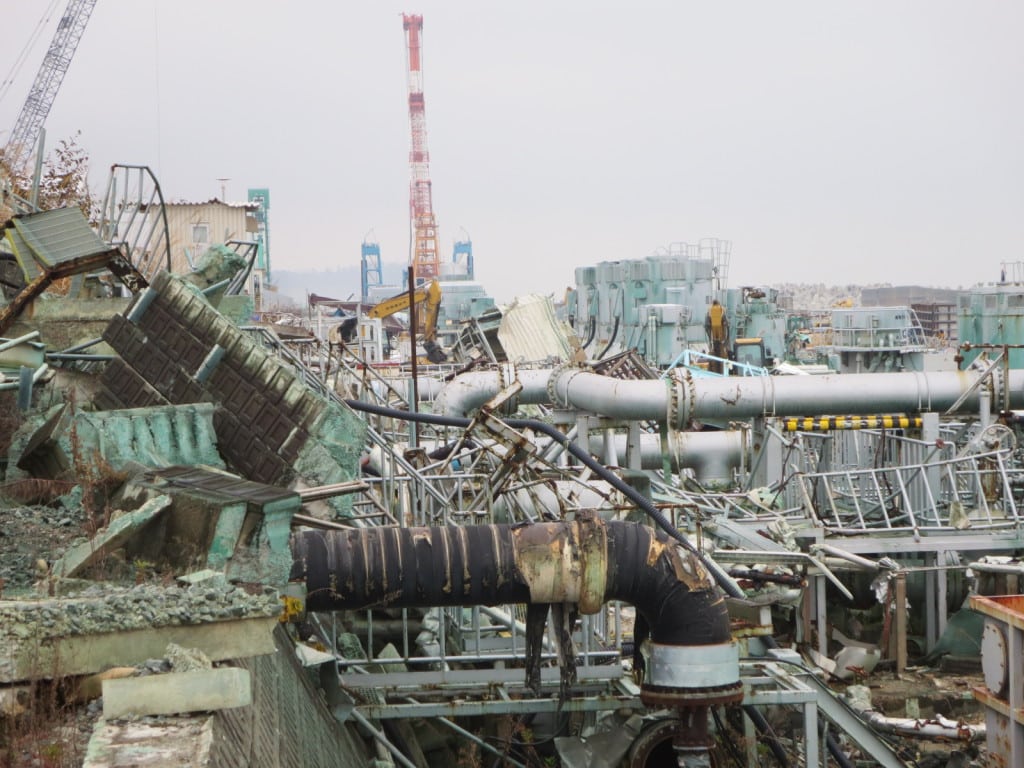
On March 11, 2011, the magnitude 9.0 Tohoku earthquake struck northeast Japan and was followed by a large tsunami. Both events damaged the Fukushima Daiichi nuclear plant. These natural forces appear to have eliminated first the offsite power and then onsite emergency diesel generators. Explosions at the site followed. As a consequence of these and other events, the Fukushima plant experienced significant damage to plant systems, structures, and equipment.
Perhaps more than for any other industry, a nuclear accident in any part of the world affects nuclear operations elsewhere. Such an incident necessarily and inevitably results in industry self-examination, heightened regulatory oversight, and third-party scrutiny.
The full extent of any resulting regulatory changes will not be clear until more is known about the earthquake, the tsunami, and the resulting performance of the Fukushima plant. A few important conclusions, however, already have become clear. First, the existing U.S. nuclear regulatory regime is robust and already addresses the contributors to the Fukushima event. Second, the U.S. nuclear industry will learn from the event. Finally, U.S. nuclear licensing activities should continue unabated, as the underlying regulatory regime fully accommodates the lessons learned from Fukushima and other events.
Current U.S. Nuclear Regulations
The U.S. nuclear regulatory regime is robust and dynamic. Though specific regulatory requirements will be evaluated and reexamined in great detail in the coming months and years in response to the Fukushima event, they already address key issues raised by that event, including:
- Reactor siting criteria, such as seismology and hydrology.
- Designs that protect against natural phenomena and accident scenarios.
- Ability to withstand a “Station Blackout” event (loss of all AC power).
- Multiple redundant heat removal means during an accident.
- Separate mitigative strategies intended to maintain or restore core cooling, containment, and spent fuel pool cooling capabilities in the event of loss of normal cooling systems.
- Emergency planning.
Lessons Will Be Learned and Applied
A key strength of the U.S. nuclear industry is its commitment to learning from operating experience and applying those lessons in a methodical and analytical fashion. This happened following the Three Mile Island and Chernobyl nuclear accidents and is happening now. In this regard, the response by the nuclear industry and its safety regulator, the U.S. Nuclear Regulatory Commission (NRC), to the Fukushima event has been swift, systematic, and thorough.
The NRC almost immediately issued a “Temporary Instruction” to its staff and industry to assess the adequacy of actions that will be taken in response to events similar to those experienced at Fukushima. This NRC action parallels the nuclear industry’s independent efforts to assess plant capabilities to manage natural events and total loss of off-site power, mitigate flooding, and inspect important equipment needed to respond successfully to extreme events such as fires and floods.
In addition, the NRC is independently evaluating the Fukushima event to determine whether any changes need to be made to its regulations to provide further protection of public health and safety. Specifically, the NRC established a senior level agency task force to review the existing regulatory regime to determine whether the NRC should make additional improvements. This task force will brief the NRC at 30, 60, and 90 days on near-term efforts and will continue its long-term review.
Nuclear Licensing Activities Should Continue
Nuclear reactors in the U.S. are safe to operate now and in the future. This is due to strict regulation; oversight by an expert regulatory agency; a transparent, public licensing process; and a commitment to learning from events around the world and adapting accordingly. For this reason, nuclear licensing activities in the U.S. should continue, including the renewal of existing operating licenses and issuance of new reactor licenses.
The lessons of the Fukushima event will apply to nuclear plants in the U.S. whether they hold original, renewed, or new operating licenses. This was true of the NRC’s response to past significant events, such as the Three Mile Island nuclear accident and the September 11 attacks. Those precedents provide an effective model to be followed in the coming months and years. Ongoing licensing processes should not be suspended or delayed, as the underlying regulatory paradigm fully accommodates the incorporation and verification of new lessons learned.
The U.S. nuclear regulatory regime will undergo intense scrutiny in response to the Fukushima event. Although the exact nature of any regulatory changes is unknown, it is certain that any such changes will further improve an already robust and safe U.S. nuclear industry.
— Kathryn M. Sutton (ksutton@morganlewis.com) is the head of the Energy Practice Group and Stephen J. Burdick (sburdick@morganlewis.com) is an attorney in the Energy Practice Group at Morgan, Lewis & Bockius LLP (http://www.morganlewis.com).