
Power Magazine
Search
Home Webinars Substation Hardening: What Heat, Density, and Data Demand at the Grid Edge

Substation Hardening: What Heat, Density, and Data Demand at the Grid Edge

Live on September 24, 2026 | REGISTER NOW
Substation Hardening: What Heat, Density, and Data Demand at the Grid Edge
Sponsored by:
Crystal Group | Peak Nano
About
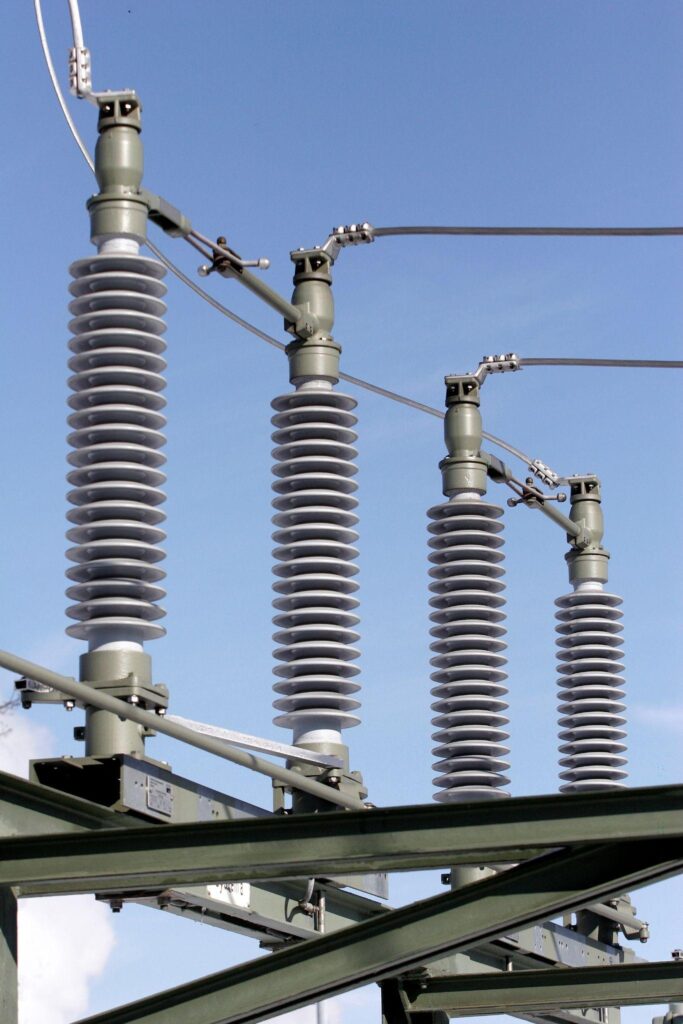
As utilities modernize grid operations, substations are getting smaller, more sealed, and more electronically dense—and that shift is straining the two things every substation depends on: its power electronics and its compute infrastructure. Compact designs cut footprint by roughly 70%, remove natural convection, and raise switching and loss density, pushing internal temperatures past what many film dielectrics can tolerate. At the same time, the demand for virtualization, automation, advanced monitoring, and cybersecurity is pushing conventional IT hardware into environments it was never designed to survive.

This session pairs two engineering perspectives on that single trend. Shaun Walsh (CMO, Peak Nano) opens with the thermal reality facing capacitor banks—power factor correction, harmonic filtering, and DC-link buffering components that begin derating above roughly 85°C—and maps where substation growth is headed by type and geography, and what utilities are actually procuring today versus what remains a demonstration. Cale Stephens (VP, Engineering and Advanced Technology, Crystal Group) then turns to the compute side: what environmental hardening, standards compliance, power compatibility, and long-term maintainability actually mean for rugged, substation-grade servers, and how purpose-built compute reduces risk as utilities modernize.

Together, the two talks give attendees a full-stack view of what “grid-ready” now requires—from the dielectric inside the enclosure to the server managing it.
When
Thursday, September 24, 2026 · 11:00 a.m. Eastern Time (US & Canada) (GMT -4:00)