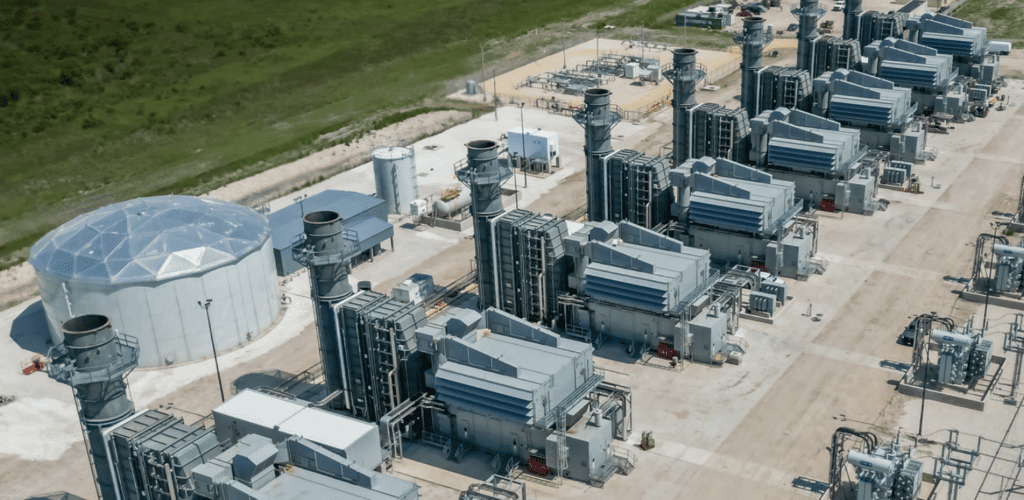
Romania’s state nuclear utility Nuclearelectrica has approved a final investment decision (FID) for a 462‑MWe six-module NuScale module small modular reactor (SMR) project at the former Doicești coal plant.
The decision by Nuclearelectrica’s shareholders on Feb. 12 to approve the FID effectively opens a pathway for the Doicești project—Europe’s most advanced SMR deployment—from an “analysis phase” into implementation. Nuclearelectrica has said “the goal is for the project to become operational at the beginning of the next decade, subject to all corporate approvals and the applicable regulatory framework.”
However, the FID is explicitly contingent on a set of “conditions whose fulfillment is the basis for the feasibility of the project and which, consequently, represent mandatory requirements that condition the feasibility of the project,” according to shareholder meeting documentation. The documents suggest that if any one of them is not met, the project will be deemed unfeasible.
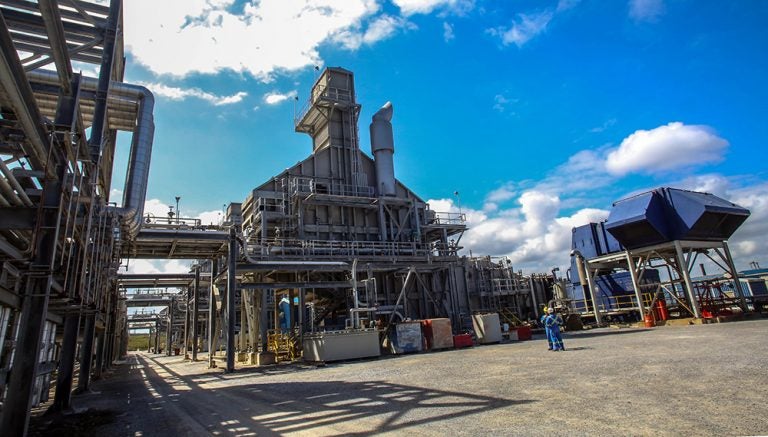
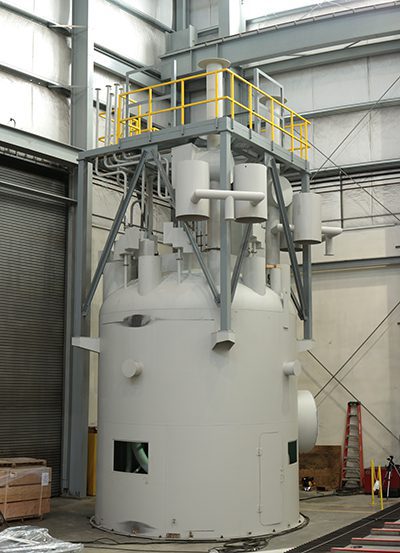
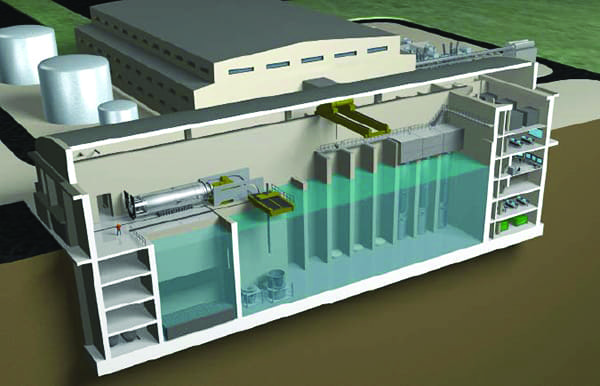
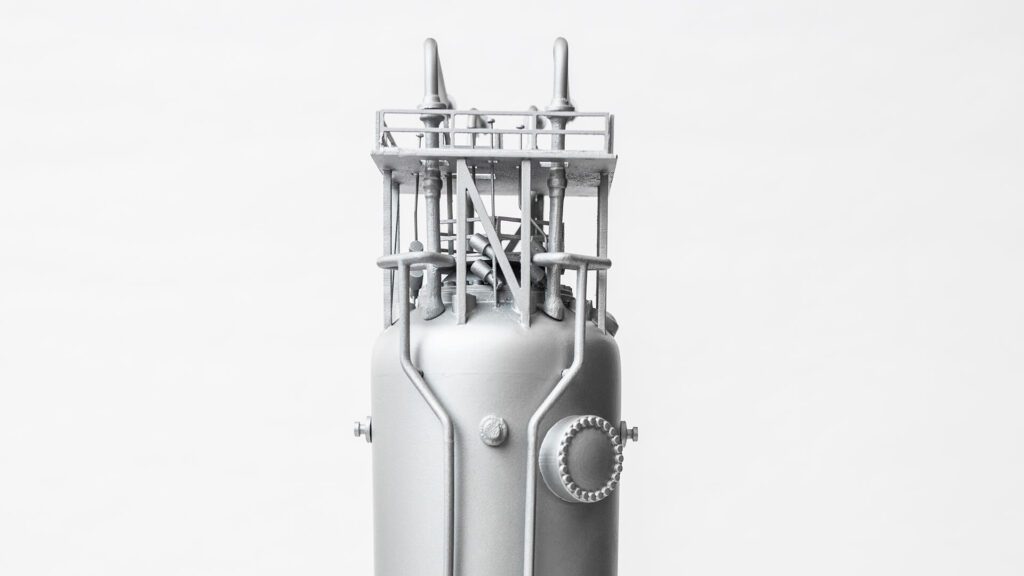
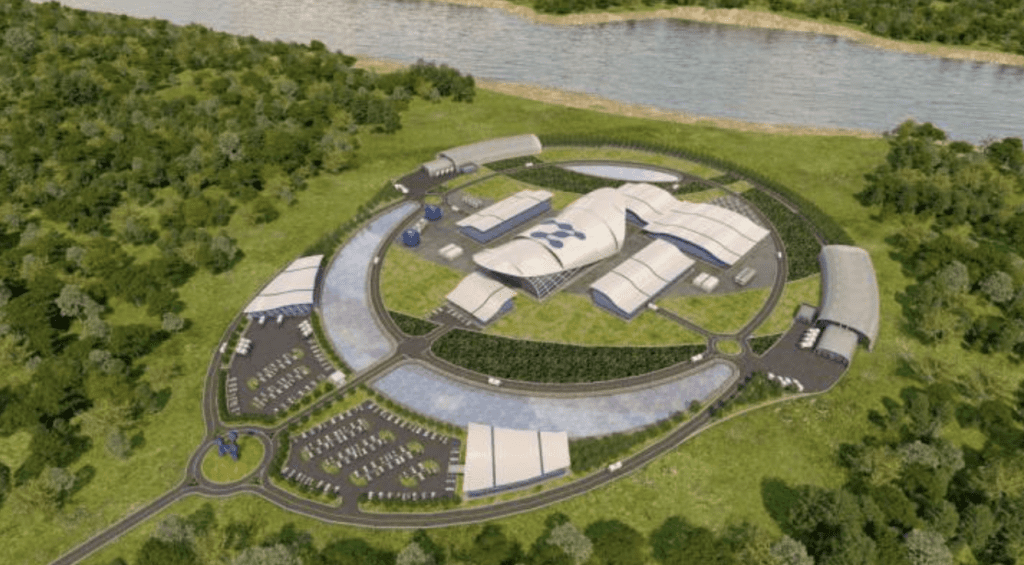
The Doicești SMR project is planned for the site of a decommissioned 600‑MW coal station at Doicești, in Dâmbovița County, roughly 90 kilometers northwest of Bucharest, Romania’s capital. It plans to use NuScale’s six‑module VOYGR‑6 configuration, with six 77‑MWe pressurized water reactor (PWR) modules for a total gross output of 462 MWe.
FID Conditions, Under Wraps, Will Kick Off Crucial Contracting
RoPower Nuclear S.A., a project company created in September 2022 to redevelop the site, is owned in equal shares by state utility S.N. Nuclearelectrica S.A. and Nova Power & Gas S.A. NuScale and RoPower signed a Phase 1 front‑end engineering and design (FEED) contract in late December 2022, covering site‑specific engineering for a VOYGR‑6 plant at Doicești, environmental impact assessment work, subsurface geotechnical investigations, and a project‑specific cost estimate over an eight‑month period.
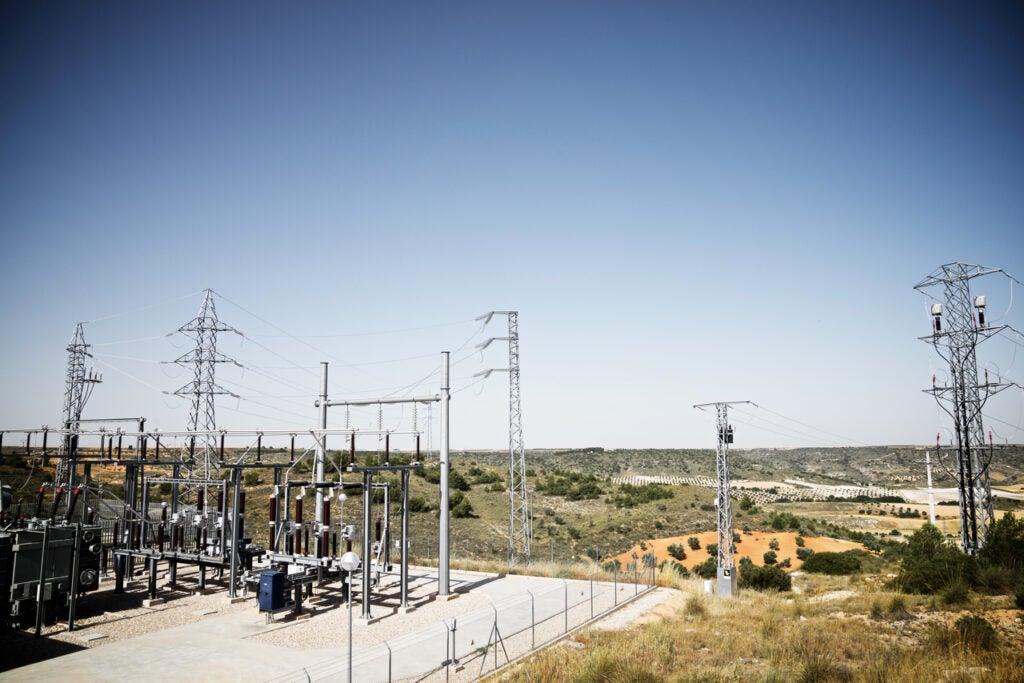
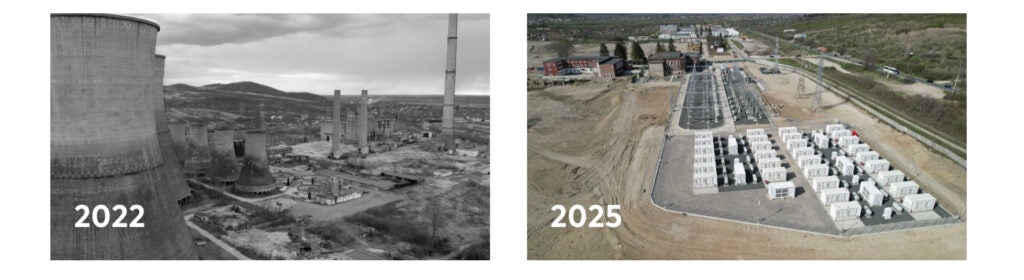
NuScale has said this work defines the major site and design inputs needed to move into more detailed engineering and licensing for the Romanian deployment. Nova Power & Gas, which holds the other 50% of RoPower, stresses that Doicești is already a fully remediated coal site that has undergone demolition and major upgrades. Between 2022 and 2025, the company financed extensive works to clear and decontaminate the former 600‑MW coal station above and below ground, including the demolition of underground structures down to about 15 meters, the removal of roughly 600,000 tonnes of material, and the complete refurbishment of the 110/20‑kV substation and its six 110‑kV grid connections. The company reports a total grid connection capacity of about 650 MW, on‑site water access from an existing dam on the Ialomița River, and modernized buildings, roads, and utilities. It has argued that this early work will improve cost and schedule certainty for the SMR build and has already generated several hundred local jobs during the cleanup and preparation phase.
However, conditions associated with the FID, set out in two separate lists at the RoPower and Nuclearelectrica level (Annexes 3 and 6), were made available to investors only under an eight‑year confidentiality agreement and have not been published. In a Feb. 12 statement, Nuclearelectrica said the conditions are “aimed at establishing a solid framework of support and cooperation, at the level of partnerships and authorities, for the optimal development and implementation of the project.”
In February, as it announced the FID, Nuclearelectrica said that by May 2026, RoPower is expected to complete geotechnical investigations, advance licensing, finalize a pre‑EPC contract, negotiate long‑lead equipment, define supply chains, and prepare its organization for the pre‑EPC and EPC phases. Stage 3 (pre‑EPC) is slated to last about 15 months and produce a Class 2 cost estimate, a contractor shortlist, and a contractual structure covering the pre‑EPC agreement, an extension of the NuScale technology license, and environmental impact assessment arrangements.
According to Bogdan Ivan, Minister of Energy, the next few months will be pivotal. “Over the next six months, the project will enter a phase of financial structuring and partnership consolidation, during which financing mechanisms will be defined and discussions with potential investors for the execution phase will be advanced,” he said. “The Doicești project is about Romania building, producing, and consolidating its position in Europe,” he added.
Concerted Progress for Romania’s Nuclear Power Ambitions
The Doicești SMR project—which is anticipated to have an initial 60-year lifespan—“directly addresses energy security and independence needs, as well as decarbonization objectives, in line with Romania’s strategy,” Nuclearelectrica said. “For Nuclearelectrica and Romania, this project strengthens their international position in the nuclear industry, generates economic and financial impact, and contributes directly to energy security and the flexibility of the national energy system, complementing renewable resources.”
The project appears to be advancing in parallel with Romania’s plans to refurbish and extend the life of Cernavoda Unit 1 and to complete Units 3 and 4 at the Cernavoda nuclear power plant, whose construction began in the 1980s but was halted before the end of the decade. Unit 1, a 700‑MW CANDU reactor that entered commercial operation in 1996, is undergoing a three‑phase refurbishment program intended to support a further 30 years of operation beyond 2029. Phase 1, launched in 2017, culminated in a feasibility study approved by shareholders in February 2022, and Phase 3 will begin with a planned long‑term outage around 2029 to execute the work and return the unit to service for a new 30‑year cycle.
In November 2023, Nuclearelectrica and a consortium led by Candu Energy, an AtkinsRealis company, signed a contract valued at about C$781 million to supply reactor tooling, components, and engineering services for the refurbishment, part of an overall Unit 1 investment estimated by the company at €1.85 billion excluding financing and inflation adjustments.
In parallel, Nuclearelectrica and the government are trying to restart construction of Cernavoda Units 3 and 4 as a “National Strategic Project” in a Euro‑Atlantic consortium built around a 2020 U.S.–Romania intergovernmental agreement. The two additional 700‑MW CANDU‑6 units—together adding about 1,400 MW—are now in Stage 1, a 24‑month preparatory phase led by project company EnergoNuclear that covers updated engineering, procurement specifications, and contracting strategy. Stage 2 will comprise 18–24 months of preliminary works and licensing, including a fresh feasibility review and state‑aid and Euratom notifications, followed by a 69–78‑month construction Stage 3. Current Nuclearelectrica planning documents envision commissioning Unit 3 in 2030 and Unit 4 in 2031 at an estimated total project cost of about €7 billion, supported in part by U.S. EXIM Bank letters of interest that contemplate up to $50 million for pre‑project technical services and up to $3 billion for engineering and project management services.
Romania’s SMR effort is also closely tied to U.S. government support. In 2021, the U.S. Trade and Development Agency (USTDA) funded technical assistance that led to the selection of NuScale as technology provider and the decommissioned Doicești coal station as the preferred SMR site. USTDA later financed a feasibility study and first‑stage FEED work and, in July 2024, highlighted the signing of a second FEED contract between Fluor and RoPower as a “significant milestone” toward implementation of what it calls a USTDA‑backed SMR project in Romania.
NuScale’s Next Major Project
For NuScale, the Doicești decision marks crucial progress for its second “committed” customer.
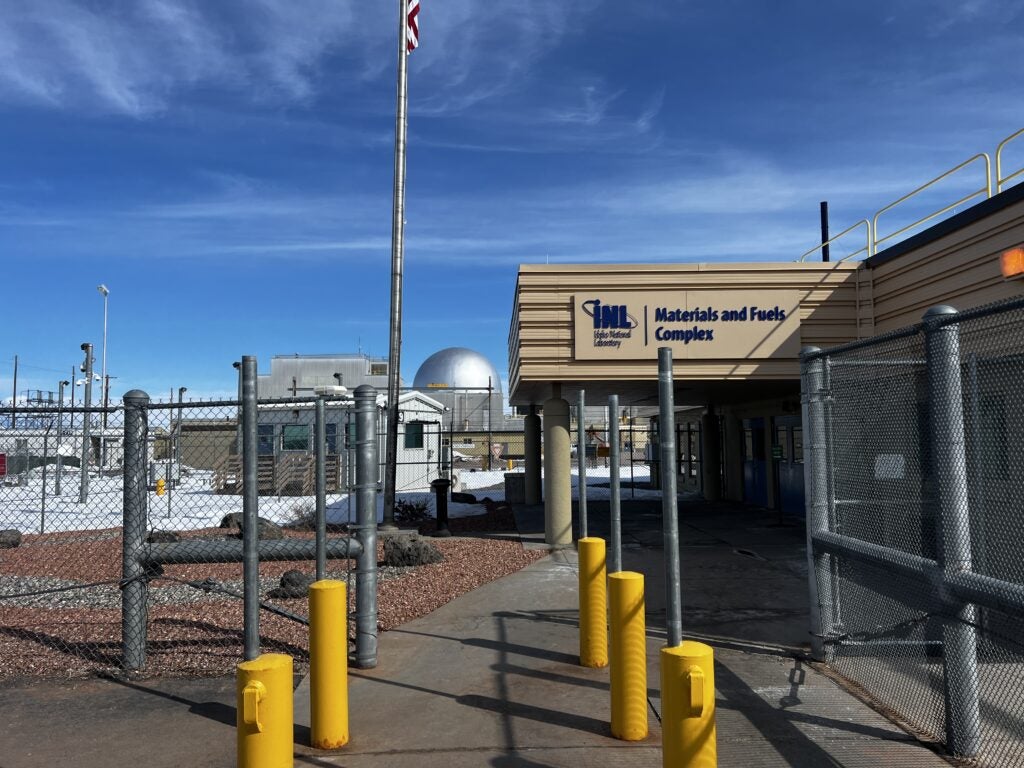
In November 2023, Utah Associated Municipal Power Systems (UAMPS) and NuScale announced they had mutually agreed to terminate the 462-MWe Carbon Free Power Project (CFPP)—an SMR project planned at an Idaho National Laboratory site—after concluding the project was unlikely to achieve sufficient subscription from participating utilities. In their joint statement, UAMPS and NuScale said ending the project was “the most prudent decision for both parties,” while noting that development work on the canceled project had still advanced NuScale’s reactor technology and regulatory position for future deployments.
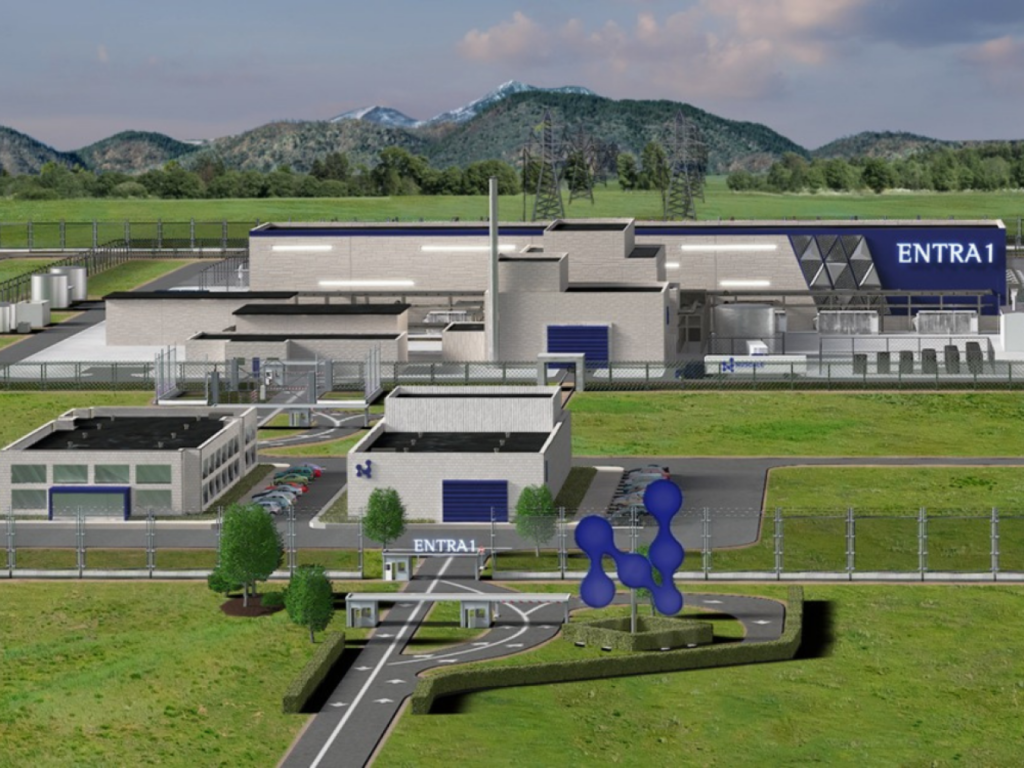
During NuScale’s third‑quarter 2025 earnings call in November, CEO John Hopkins suggested the Romanian project, alongside a planned 6‑GW deployment program in the Tennessee Valley Authority (TVA) service territory led by developer ENTRA1 Energy, are the company’s principal near‑term platforms. The TVA–ENTRA1 program envisions up to 72 NuScale Power Modules across as many as six plants, and NuScale may commit to milestone payments under a Partnership Milestone Agreement to help ENTRA1 advance projects from term sheets through power purchase agreements and into equipment orders. Hopkins told analysts NuScale already has 12 modules in production for the first ENTRA1 plant and is positioning its NRC‑approved 77‑MWe design and licensing experience to lead combined license applications for multiple ENTRA1 sites.
The Doicești project, which, by contrast, is a brownfield conversion, is led prominently by Fluor, NuScale’s longtime engineering partner. Fluor, which is also a major shareholder, however, is unwinding its stake in the nuclear technology firm. In November 2025, Fluor and NuScale agreed on a structured program to convert Fluor’s remaining Class B units in NuScale Power, LLC, into Class A common stock and to “begin a structured monetization” of those shares by the end of the second quarter of 2026. The agreement specifies mutually agreed volume limits intended to preserve NuScale’s equity value. Fluor is also committed to supporting an increase in NuScale’s authorized share count, reducing its economic rights under a tax receivable agreement, and waiving certain commercial claims.
While Fluor is exiting its long‑held equity stake, both companies emphasize that Fluor remains NuScale’s engineering, procurement, and construction partner and continues to lead the FEED 2 work at Doicești.
Fluor last week reported that it has sold 71 million NuScale shares for $1.35 billion in gross proceeds and begun monetizing its remaining 40 million shares to capture nearly $2 billion in total proceeds from NuScale share sales to date. It plans to channel a large portion of that into its own share‑repurchase program.
Meanwhile, from a technology‑development standpoint, NuScale is also trying to broaden use cases beyond grid power. In January, the company and Oak Ridge National Laboratory (ORNL) published a techno‑economic assessment of using a 77‑MWe NuScale Power Module to supply process steam and electricity to a U.S. chemical plant. The study found that a hybrid integrated energy system could meet 1.3 million kilograms per hour of 400C, 4.1‑MPa steam demand while providing 73 MW of electric output, with multiple plant configurations deemed both technically viable and profitable. In February, NuScale and ORNL announced a separate collaboration to use an artificial‑intelligence‑enabled nuclear design framework to optimize fuel management across a 12‑module NuScale plant to explore whether coordinated fuel sharing from a common pool could reduce fuel costs below what is achievable at a single‑unit station.
Those initiatives sit alongside NuScale’s deepening commercial relationship with ENTRA1, an entity which NuScale describes as its exclusive global strategic partner for commercialization and deployment of its SMR technology. In October 2025, NuScale “proudly” backed a White House–announced U.S.–Japan framework that could steer up to $25 billion in investment capital to ENTRA1 for a fleet of baseload power plants serving AI data centers, manufacturing, and national defense. “The U.S.–Japan framework validates the model we’ve built with ENTRA1—pairing proven, NRC-approved SMR technology with world-class development and asset management expertise,” Hopkins noted in October.
If the Romanian Doicești SMR project proceeds to construction, it could become an early-operating reference plant alongside any ENTRA1‑TVA projects that reach the execution phase. But as Nuclearelectrica has noted, the pioneering project may also establish a crucial foothold in the development of expertise and supply chains.
“The Small Modular Reactors (SMR) project in Doicești is the project through which Romania is positioning itself on the international map of the nuclear industry, through know-how and the development of the supply chain, at a stage in the energy transition where, globally and in Europe, modular reactors are a solution for ensuring energy security and independence,” said Cosmin Ghiță, CEO of SN Nuclearelectrica SA. “International reports confirm that the global SMR portfolio has grown by 65% since 2021 to a planned capacity of 22 GW,” he added.
RoPower said it remains committed to the project. “The Doicești project means 60 years of clean energy. The RoPower team is a team of professionals who have worked and will continue to work on a safe and technologically advanced project, that of Small Modular Reactors,” said Valentin Ovidiu Nae, CEO of RoPower Nuclear. “We remain committed to this project, which is an opportunity for Romania to demonstrate once again that it is at the forefront of energy production using nuclear technology.”
—Sonal Patel is a POWER senior editor (@sonalcpatel, @POWERmagazine).