
For the energy industry, a “digital oilfield” is no longer a futuristic concept, it is competitive necessity. As operations expand into increasingly remote and harsh environments, the traditional reliance on Geostationary (GEO) satellite systems or telecommunication solutions often creates a bottleneck for data transmission and information flow. These legacy systems are reliable for basic needs but often struggle with the speed and responsiveness required for modern, data-driven operations. Low Earth Orbit (LEO) satellite networks have fundamentally changed this equation. By positioning satellites significantly closer to Earth, these networks deliver high-bandwidth, low-latency connectivity that makes connection speed at an offshore platform or remote location, just as fast and secure as you will find at corporate headquarters.
The economic impact and connectivity of LEO satellites is already being felt worldwide as more satellites are launched every day. Today, the market is worth around $15 billion, and Goldman Sachs estimates that the space could be worth as much as $457 billion in just 10 years. Innovation is leading to exponential growth in all sectors, but the connectivity boom is just as equally playing a key role in global oil and energy.
The outreach of this industry is a catalyst for this new space race. Energy players, like oil and gas companies, whether offshore or land based, are often first to deploy operations in regions where terrestrial infrastructure is non-existent. Their needs represent some of the highest value for satellite providers. Rigorous demands for high-bandwidth telemetry and the integration of thousands of Internet of Things (IoT) sensors have pushed satellite operators to prioritize the development of more resilient, large-scale constellations oriented to these specific business enterprises.
Energy and service companies are navigating this digital transformation and transitioning to fully connected remote operations centers. Investment from these companies is driving the shift from simple consumer-grade internet to complex, utility-grade private network architectures. This industrial demand provides the necessary scale and revenue to fund ongoing innovation in satellite miniaturization and more efficient launch technologies entering the market at a rapid pace.
This shift toward industrial-grade connectivity is not merely a technical upgrade, it directly affects a change in how the energy industry manages its most valuable assets. By moving away from the bottlenecks of legacy connectivity, companies are creating high-performance digital foundations enabling decision-makers to execute in near real-time. This allows seamless data to flow from the most remote oilfields, pipelines and refineries all the way to the executive boardroom.
Real-World Applications Today
Driving Operational Efficiency and Asset Management: The primary value of LEO connectivity lies in its ability to unlock the potential of the Industrial Internet of Things (IoT).
- SCADA and maintenance: Real-time data from thousands of sensors—monitoring pressure, temperature, and vibration—can be analyzed instantly. This allows companies to reduce costs by shifting from reactive repairs to predictive maintenance which can significantly reduce operating costs.
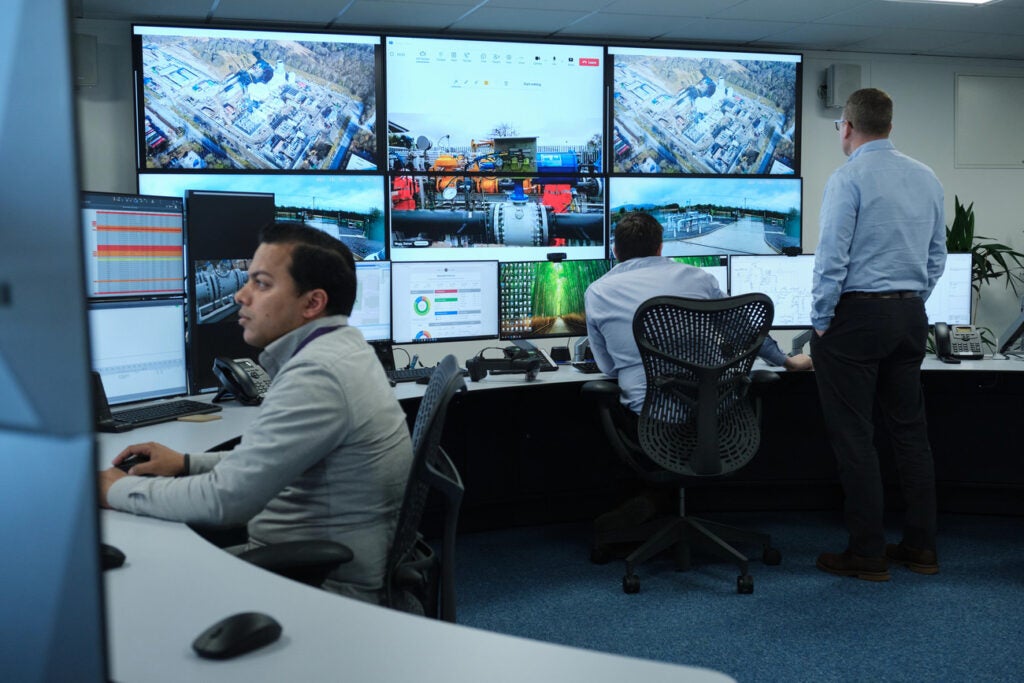
- Real-time decision-making: High-speed links allow field data and high-definition video to reach operations centers and control rooms instantaneously. Operators can make faster, more informed decisions, whether that be adjusting drilling parameters, responding to equipment failures, or monitoring the initial production on new wells.
Redefining Security for Critical Infrastructure: As energy assets become more connected, they also become more vulnerable. Traditional satellite internet often routes data through the public web, but modern LEO solutions offer a more secure path.
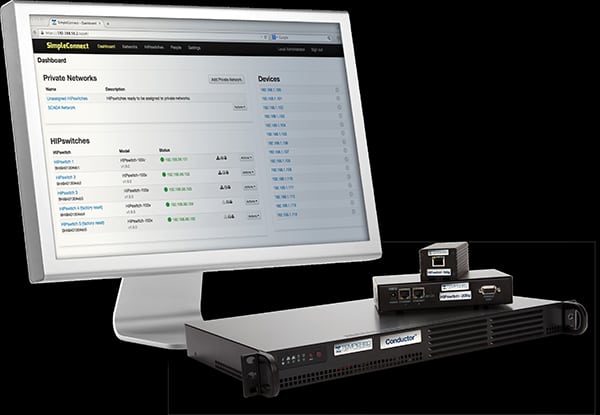
- Private network architecture: Leading providers now offer Layer 2 private network architecture. This enables remote sites to communicate with the corporate WAN as if they were on the same local network, keeping mission- critical data entirely off the public internet.
- Centralized governance: By routing traffic through private access points, companies can centralize data usage, internally ensuring a more simplified management structure so that all devices are secured and monitored in accordance with corporate cybersecurity policies.
Enhancing Safety and Workforce Welfare: Connectivity is a vital component of worker safety and talent retention in the energy sector.
- Remote support and training: Low-latency video allows off-site experts to provide “white-glove” support for complex repairs via augmented reality or real- time feeds. This reduces the need to fly specialists to dangerous or remote locations.
- Worker well-being: Providing high-speed internet is essential for crew welfare. Workers can maintain consistent contact with loved ones and access streaming services. Staying connected at home significantly improves morale during multiweek rotations.
Ensuring Mission-Critical Continuity: In energy operations, minutes of downtime can result in significant economic loss or safety risks.
- Quality of service (QoS) prioritization: Advanced LEO solutions allow for network segmentation, ensuring that critical data—such as emergency shut-off controls or security feeds—is prioritized over general internet traffic during periods of high demand.
- Seamless redundancy: A resilient strategy integrates LEO with existing VSAT, LTE/5G, or other LEO constellations. This provides automatic failovers, ensuring that operations remain online even if one network path is obstructed.
Case Study: Modernizing Connectivity Across Latin America
The operational advantages of LEO technology are best illustrated by its recent application within one of the world’s largest energy enterprises in Latin America. Operating hundreds of facilities across the region, they faced significant hurdles. With legacy GEO satellite systems, that could no longer meet the demands of their modern offshore operations. The high latency and limited stability of the existing infrastructure was detrimental to offshore crew morale and hindered the support of critical business functions.
To address these challenges, they initiated a large-scale modernization project to integrate
LEO satellite connectivity into existing offshore platforms in mobile and static remote locations This transition was necessary and yielded several key outcomes:
- Infrastructure upgrade: More than two hundred sites transitioned from legacy VSAT and GEO systems to a high-speed LEO-integrated network.
- Bandwidth increase: The upgrade delivered gigabit-per-second (Gbps) bandwidth, providing the high-speed data transfer necessary for both complex operational tasks, real time remote monitoring, and crew hospitality services.
- Operational integration: The new satellite solution was fully integrated into the company’s established operations, creating a scalable foundation that supports mission-critical data alongside general personnel connectivity.
By moving away from outdated satellite architectures, this Latin American energy leader successfully installed LEO networks providing the speed, stability, and flexibility required for the most demanding and remote environments.
—Joshua Ashley is a Global Account Executive at MTN.