More than 70% of clean energy projects never reach Notice to Proceed (NTP), mostly due to risks that surface too late. A 2025 whitepaper from Paces shows that early-stage development failures are often preventable, especially when developers take a data-driven approach to land, permitting, and interconnection risks.
Yet many developers still treat land as a box to check. In reality, land strategy often determines whether a project moves forward or falls apart. While interconnection delays and equipment shortages get more attention, land presents a distinct and consistently underestimated source of friction in the development lifecycle.
COMMENTARY
Developers frequently assume they can resolve land issues later. That mindset creates delays, drains capital, and reduces optionality, especially as storage becomes a standard component in utility-scale solar projects.
What follows are some of the most common misconceptions and strategies developers can use to build smarter, move faster and stay on track.
Misconception 1: Developers Can Delay Land Finance Decisions
Many developers assume internal equity or construction lenders will cover land costs when needed. But the growing integration of storage increases the value of securing site control early. Developers must now account for battery space, dual-use layouts and updated permitting timelines.
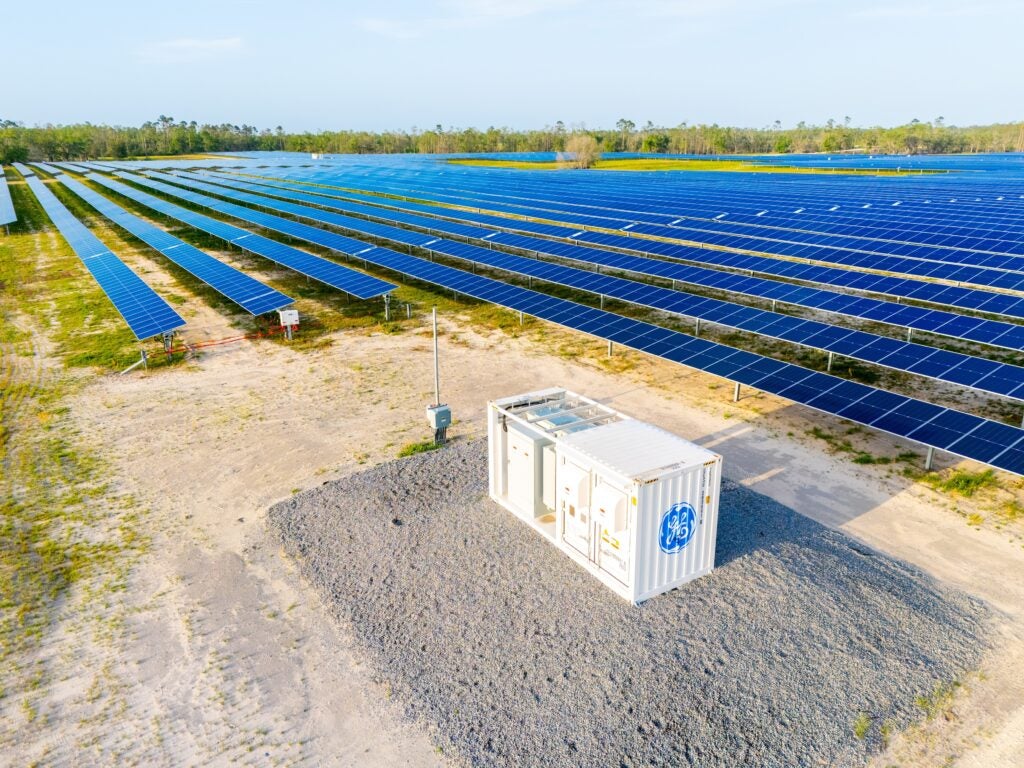
Landowners have noticed. Many now require up-front commitments, such as deposits or executed leases, with no option period. This is especially common in urban battery energy storage projects where land has strong non-energy value. Developers who wait risk losing strategic parcels to faster-moving buyers. In West Texas, for example, land may list at $3,000 to $5,000 per acre until developers show interest. In ERCOT territory, that demand can quickly push prices to $20,000 per acre or more.
By planning land capital early, developers retain greater flexibility to adjust project scope, respond to market shifts, and stay ahead of interconnection delays, especially when energy storage is part of the equation.
Misconception 2: Land Finance Works Like Project Finance
Many developers assume land finance involves the same complexity as full project finance. That comparison creates unnecessary hesitation.
Land finance is a real estate transaction. The process does not require project-level diligence. Most developers manage it in-house. Many land-focused capital providers can close in 30-60 days using straightforward documentation.
This speed becomes even more important when projects include storage. Developers often respond quickly to new market incentives or buyer demands, which means they cannot afford delays in land acquisition.
Misconception 3: Traditional Debt Will Cover Land Purchases
Banks rarely offer effective solutions for early land acquisitions. They typically lend based on appraised value rather than market price, so when landowners charge premiums, the financing gap widens. With conservative loan‑to‑value ratios, developers often receive only a portion of the required funding, which is frequently below what’s needed to secure land in competitive markets.
Most developers turn to sponsor equity to bridge that gap, but that approach creates capital inefficiencies. Land can’t be depreciated, doesn’t generate revenue and isn’t eligible for the Investment Tax Credit (ITC). When land is held inside the project entity, it may lower the project’s tax credit basis by making a portion of costs ineligible, which ties up equity in a non-productive asset and can reduce the total investment tax credit available.
The result? Developers face higher carrying costs and reduced flexibility at a stage when uncertainty remains highest. In contrast, dedicated land‑finance solutions can preserve sponsor equity, maintain tax‑credit value and keep projects on schedule.
Misconception 4: Land Finance Only Serves Small Developers
Land finance once served mostly early-stage or undercapitalized developers. That perception no longer matches market reality. Today, some of the largest independent power producers use land finance to move faster and manage capital more efficiently. In one example, a major developer shifted to a third-party land aggregator to improve transaction speed and flexibility. That partnership now supports a growing national pipeline of utility-scale projects after several successful closings.
As storage becomes standard in many utility-scale solar projects, developers face new design and siting complexities. These larger footprints, combined with permitting and zoning challenges, underscore the need for precise, reliable land strategies.
Case Study—460-MW Solar Project in Texas: Recently, Accelerate successfully executed a $21-million sale-leaseback for land designated to host a 460-MW utility-scale solar project in Texas. The transaction occurred during the pre-NTP phase, enabling the developer to secure its land position well ahead of construction. The deal was structured and closed in under 30 days, highlighting the approach’s speed. The project benefits from an existing long-term power purchase agreement with an investment-grade technology company, providing strong offtake security and long-term revenue stability.
Misconception 5: Developers Can Always Monetize Land Later
Some teams purchase land early with equity and assume they can restructure later. Once developers place the parcel inside the project entity, flexibility decreases. That land becomes locked into the capital stack often without generating revenue or tax benefits and is subject to the same constraints as the rest of the project.
Storage adds further complexity. Developers may need to re-permit, subdivide or sell portions of the site to match buyer preferences or grid conditions. But if the land is embedded in the project company, those changes can trigger new diligence, tax consequences or even lender approvals, delaying timelines and increasing costs.
A separate land-holding entity may allow for that flexibility with fewer legal or financial barriers. By separating land from the project company, developers may retain more control and simplify future financing or transactions. That control becomes critical as project scopes shift, interconnection timelines slip or buyer preferences evolve.
What Comes Next
As energy markets evolve, more solar projects include storage from the outset. That shift increases land requirements, expands site design considerations and compresses timelines. Developers who rely on outdated land strategies may risk falling behind.
When teams treat land as a capital decision (not only a transaction), they move faster, protect margins and stay competitive in a market that now demands more from every acre.
—Maria Klutey is senior vice president of Renewables at Accelerate. She brings more than 20 years of experience in renewable energy finance and has supported hundreds of land transactions across solar, wind and storage projects nationwide. For more on Accelerate, visit here.