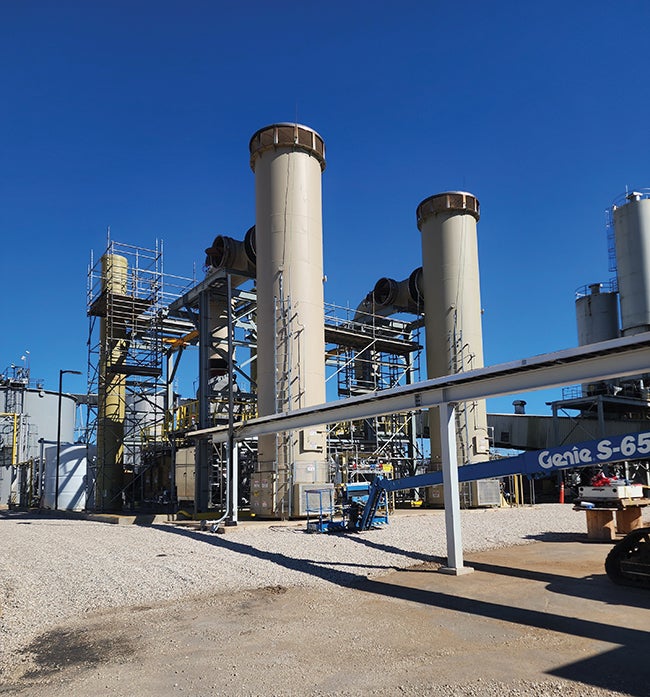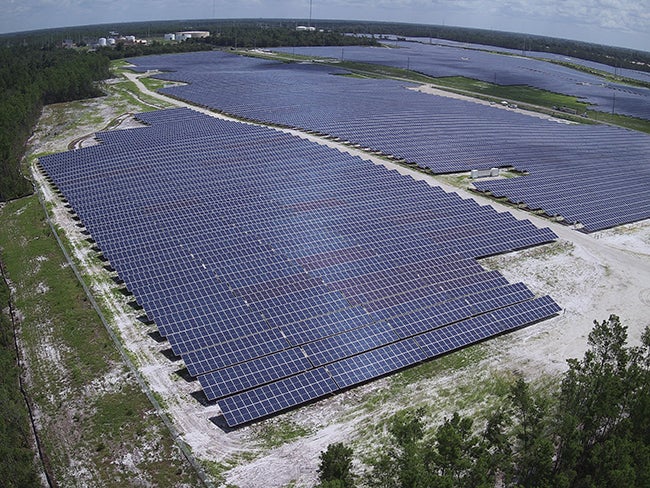
A rapidly changing market landscape is driving new solutions to keep gas-fired power generation units operating profitably.
The introduction of significant renewable energy sources to the power grid across the globe, along with increased worldwide demand from data centers, industry, and the general population, is driving substantial changes to the operating environment for thermal power generators. Consequently, gas-fired power plantsmust become increasingly agile and efficient to capture their share of the remaining power generation market.
This article explains the changing operating landscape, and it shows how technological solutions are now available to help extend the life of gas-fired generation investments in existing plants. A prior article in this series, Autonomous Power Generation – The Future is Now, shows how power plants can run unmanned, and future articles will explore other power generation topics.
Power generation market trends and drivers
The demands and economics of the power generation industry are shifting rapidly, driving dramatic changes in power plant operation. Gone are the days when a few large coal-fired plants provided the bulk of the baseload, with a handful of smaller gas fired turbines handling relatively minor grid demand variability as it occurred.
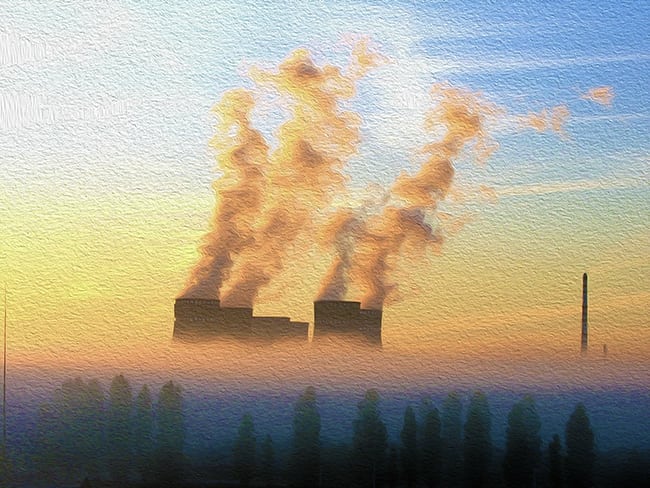
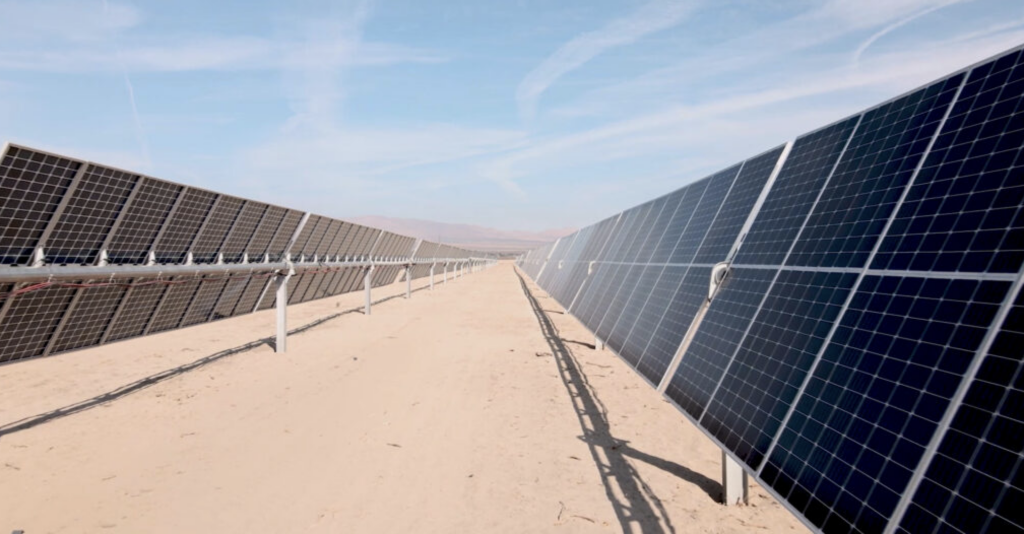
In recent years, intermittent renewable energy sources have transitioned from a negligible percentage to a more significant portion of power generation, forcing many operators to rely on low emission gas turbines to handle faster load swings as they occur (Figure 1). The trend toward renewables will continue to grow, reducing the overall need for thermal energy power, and forcing those remaining operating plants to handle even wider swings in output.
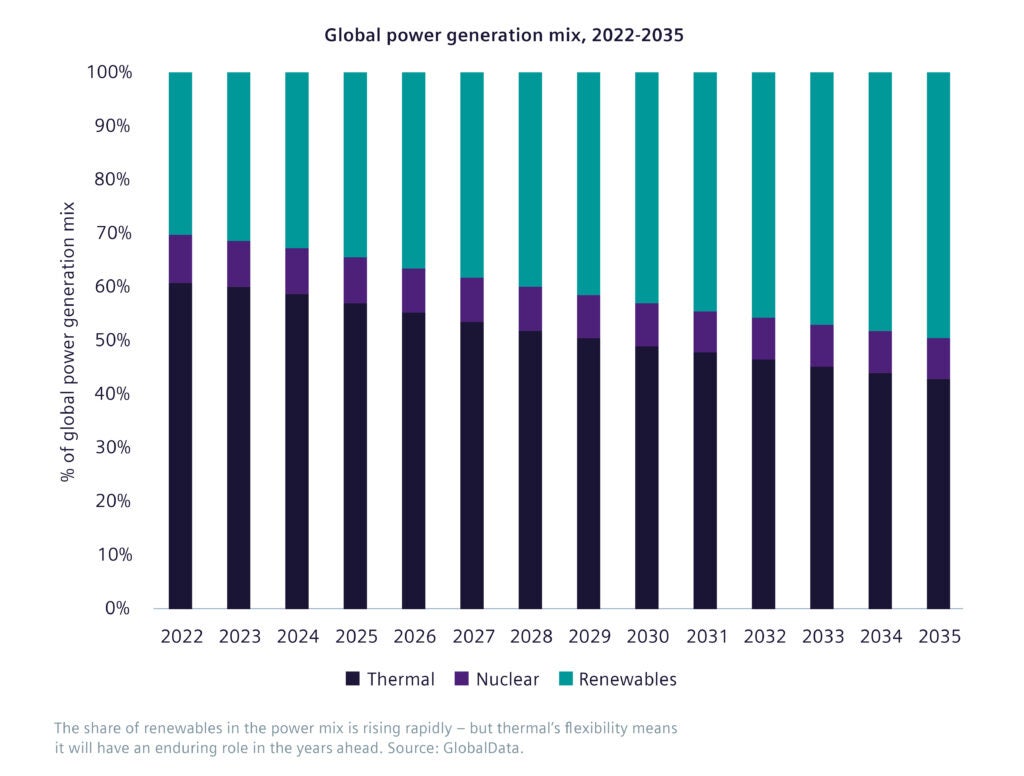
Figure 1: Renewable energy sources will provide an increasingly large percentage of the overall power, forcing gas powered plants to stabilize the grid as the output from solar and wind sources fluctuates.
These changes have collectively conspired to create a very different operating landscape for gas-fired power plants.
- Power plants now face a more variable load environment, forcing units to ramp up and down quickly and even come offline, as renewable power becomes more prevalent. Only the most efficient units will be allowed to operate.
- Globally, environmental regulations are forcing some large, coal-fired units off the grid and leaving operators with large, stranded costs from the original investment. Also lost are the grid stability and fault absorbing inertia that these large spinning turbines provided.
This situation has forced many gas-fired plants to rethink how their units are operated and the role their facility will play in the future. In some cases, older sites must consider if they should even operate at all. Fortunately, there are range of available solutions to address these challenges.
Selective technical and environmental upgrades
A logical first step for most power generators is to ensure their gas-fired power facility is amongst the most efficient operating units in the network, while meeting increasingly stringent environmental emission limits. The current markets also value those sites which can ramp up and down quickly to stabilize the grid in order to offset renewable load generation variations.
To remain competitive and profitable, sites can utilize Siemens Energy Flex-Power Services, which offer a range of modifications to improve the flexibility, reliability, and performance of existing equipment. These upgrades modify existing equipment and optimize the control systems to allow the unit to ramp up and down much faster, and to cycle on and off with much greater frequency and speed. Environmental upgrades can result in dramatic emission reductions, even at low firing rates.
Offering new valued services
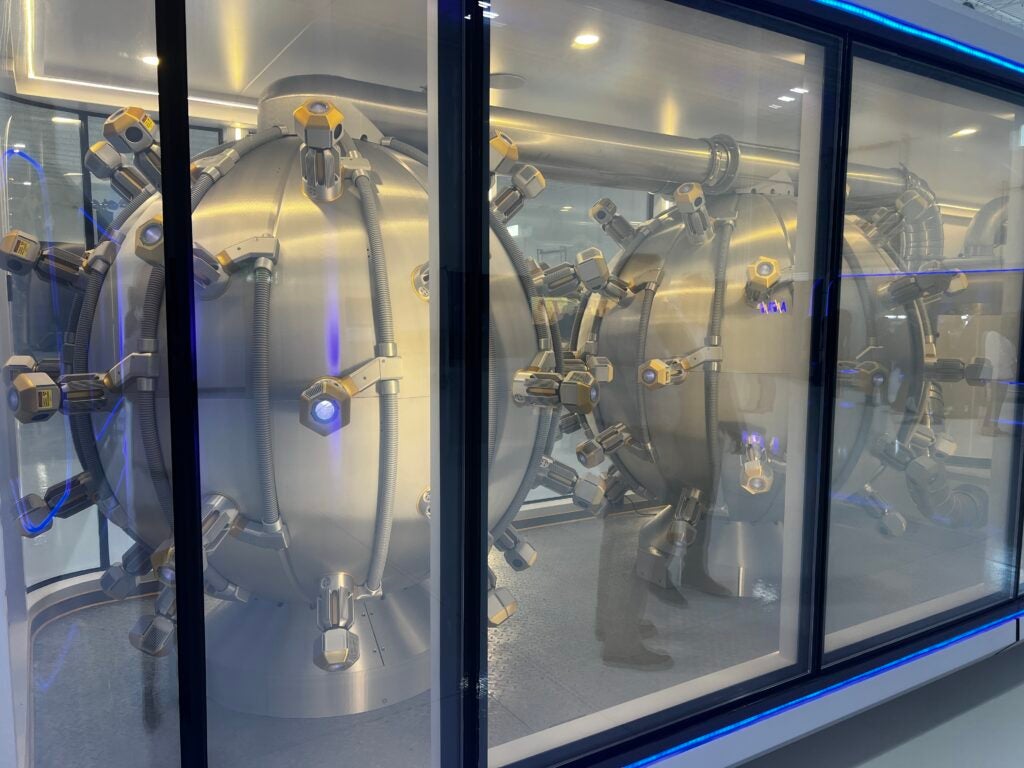
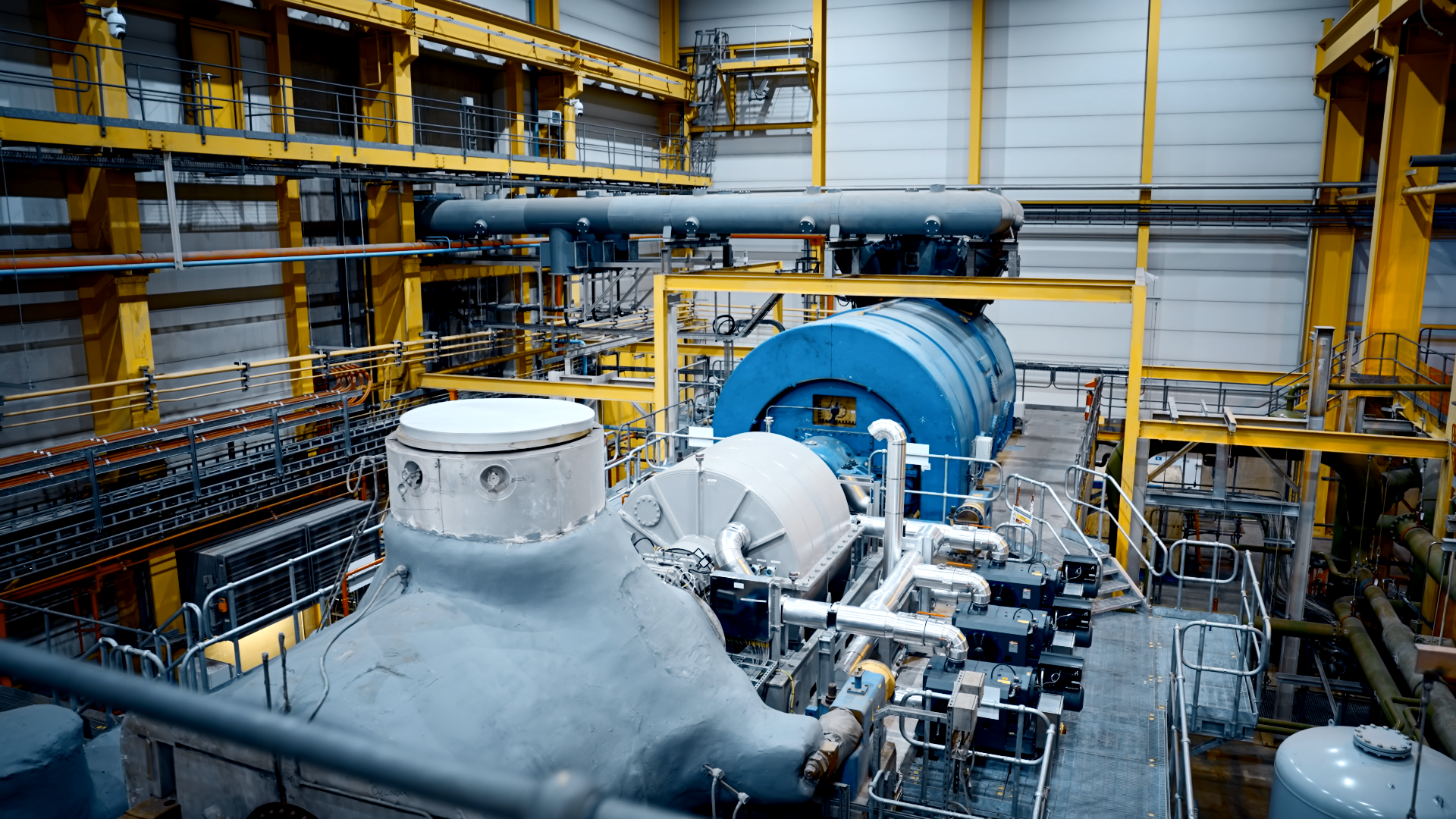
The new grid lacks the short circuit and fault absorbing capabilities provided by large coal-fired generators. This deficiency can be addressed by converting large turbo generator sets into rotating grid stabilizers (RGS). Turbines at large gas-fired plants can be removed and replaced with a large flywheel tied to the original generator (Figure 2). The new unit requires no fuel to operate as it draws any required startup power from the grid, and it provides grid stabilization services that enable a decommissioned unit to continue generating profits.
Figure 2: This turbine has been uncoupled from the generator and replaced with a large flywheel, allowing a retired power generation unit to remain profitable by offering rotating grid stabilization to help absorb short circuit faults and power surges.
In some applications, the grid requires both peaking operations as well as grid stabilization. In this case, the solution can be a hybrid RGS installation where a gas-fired turbine generator set is connected via clutch to a large flywheel. This arrangement allows a facility to transition from power generation to pure RGS mode instantaneously, and it can transition back to power generation in about 20 minutes.
Profitable upgrade case studies
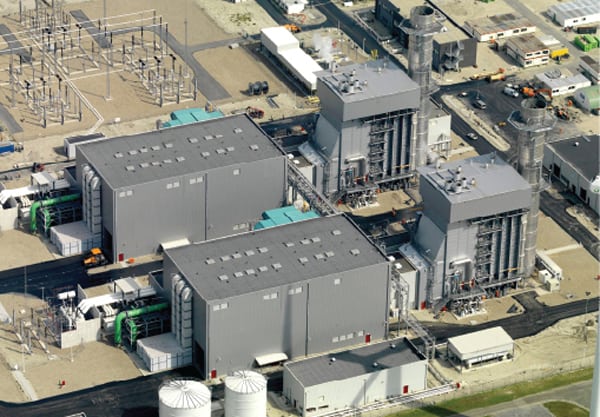
There are many examples where these solutions have been implemented and are generating significantly higher profits for operators. An operating combined cycle gas-fired power plant in Germany implemented a series of control and equipment upgrades, reducing hot start times by 36%, warmup times by 60%, and shutdown times by 67%.
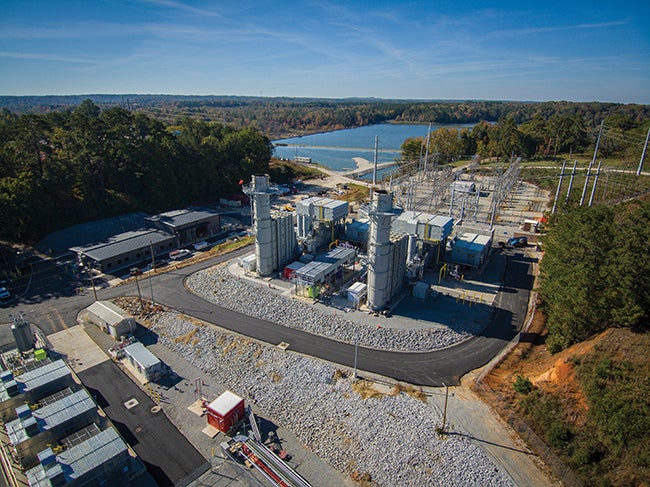
Siemens Energy Advanced Turbine Efficiency Package improvements allowed several sites to increase power generation capacity using the same amount of fuel. A combined cycle plant in Singapore increased output by 30 MW (4%) and heat rate by 3.5% while reducing emissions per MWh. This same package allowed a power plant in the California desert to reduce nitrogen oxide emissions by 64% and carbon dioxide emissions by 50%, even as it produced 60MW more power on hot days.
RGS conversions of retired operating units have allowed those sites to offer profitable grid stabilization services that are in increasing demand. A site in Australia implemented a hybrid RGS installation, allowing the site to quickly swap between grid stabilization and peaking power generation.
Details of these case studies and more can be found here.
Conclusion
The rapidly changing demands of today’s energy market require new operating modes and solutions to maintain profitability. These solutions can include efficiency and capacity upgrades to turbines, control system modifications to improve speed of response, and new concepts such as RGS conversions or hybrid RGS installations to offer grid stabilization.
The best solution for each site will depend on their specific application and operating environment, so it can be wise to engage a knowledgeable partner like Siemens Energy to evaluate existing installations and create a customized solution. Remaining profitable in today’s energy landscape can be difficult, but Siemens Energy has proven solutions to meet that challenge.
All Figures courtesy of Siemens Energy