
Legal & Regulatory
-
 Gas
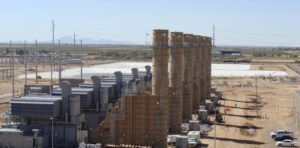
GasArizona Regulator Rejects SRP’s 820-MW Aeroderivative Gas-Fired Expansion
The Arizona Corporate Commission (ACC) has delivered a major blow to the Salt River Project Agricultural Improvement and Power District’s (SRP’s) urgent plans to expand the 575-MW gas-fired Coolidge Generating Station with 820 MW of fast-start capacity. The ACC in a 4–1 vote on April 12 denied approval of the public power utility’s Certificate of […]
-
 Legal & Regulatory
SCOTUS Reinstates Trump-Era Environmental Certification Rule
The U.S. Supreme Court on April 6 reinstated a Trump-era environmental rule that limited state and tribal roles in enforcing a section of the Clean Water Act (CWA) related to project certification. The order is a temporary triumph for eight states and three energy trade associations, including the National Hydropower Association (NHA). The high court’s […]
-
 Legal & Regulatory
California and Oregon Sail Forward on Offshore Wind
The Biden administration in 2021 announced its goal of developing 30 GW of offshore wind energy by 2030. Deep water off the West Coast means that any wind energy generation on this side of the U.S. must float
-
 Legal & Regulatory
SEC’s Landmark Climate Disclosure Rule Weighing on Power Sector
Investor-owned electric companies are thoroughly reviewing the Securities and Exchange Commission’s (SEC’s) broad new proposed rule that requires registrants to disclose climate-related risks and governance, and plan to remain engaged with the regulatory agency as the rulemaking continues. The proposed rule, which the SEC approved 3–1 on March 21, has drawn intense interest from the […]
-
 Legal & Regulatory
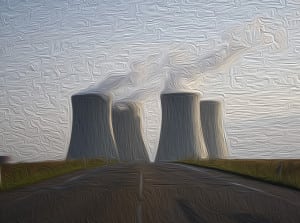
NRC Dramatically Reconsiders SLR Approvals, Sets New Conditions for Nuclear Life Extensions
The Nuclear Regulatory Commission (NRC) in a dramatic reversal on Feb. 24 threw out a key environmental review that staff applied to subsequent license renewal (SLR) approvals for units at Turkey Point and Peach Bottom nuclear plants in 2019 and 2020, deeming their applications “incomplete.” In a series of orders, the federal regulatory agency’s three […]
-
 Solar
SolarRenewable Energy Ready to Deliver Despite Continued Uncertainty
Notwithstanding the ongoing impacts of COVID-19, in 2021 the deployment of solar, solar + storage, stand-alone storage, wind, and other renewable energy technologies continued to rapidly expand across the U.S
-
 Legal & Regulatory
Wind Power Developers Encouraged by Findings on Bald Eagle Population
In the race to generate and distribute renewable energy, developers must clear numerous regulatory hurdles. For many projects, this may include obtaining a voluntary “incidental take” permit under the Bald and Golden Eagle Protection Act (BGEPA). The BGEPA incidental take permitting program has frustrated both developers and operators due to, among other things, uncertainty of […]
-
 Nuclear
Nuclear, Natural Gas Included in EU Taxonomy—With Potentially Problematic Conditions
Handing a muted victory to proponents of nuclear and gas, the European Commission (EC) on Feb. 2 adopted a measure that labels some nuclear and gas energy activity as climate-friendly investments. However, it set out strict, potentially limiting technical screening criteria for those activities to qualify, prompting pushback from the nuclear and gas industries. The […]
-
 Legal & Regulatory
Former FERC Commissioner Says ‘Market Design Problem’ Was a Leading Cause of February 2021 Texas Power Crisis
In February 2021, a severe cold weather event, known as Winter Storm Uri, caused numerous power outages, derates, or failures to start at electric generating plants scattered across Texas and the south-central U.S. The Electric Reliability Council of Texas (ERCOT), which manages the power supply for about 90% of the load in Texas, ordered a […]
-
 Legal & Regulatory
Litigation Is Not the Right Path for Climate Solutions
In late January, the U.S. Court of Appeals for the 4th Circuit in Richmond, Virginia, took up a case that could play an important role in deciding the future of climate change lawsuits in the U.S. The immediate issue is a dry question of procedure—the grounds for removal of a case from state court to federal court. But […]
-
 Commentary
Issues Abound in 2022 for Widespread EV Deployment
Even the most casual observers of the energy and automotive industries are aware that electric vehicle (EV) sales in U.S. markets are on the rise. Over the past 10 years, sales of plug-in EVs have steadily
-
 Legal & Regulatory
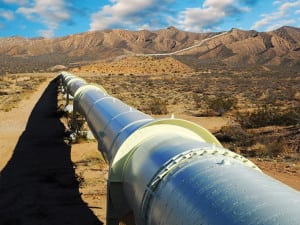
Pipeline Company Shifts Ultimatum in Vistra Natural Gas Supply Dispute
Energy Transfer, a major pipeline firm that threatened to terminate natural gas service to five Vistra Corp. gas-fired power plants in Texas next week as part of a $21.3 million penalty payment standoff, has relaxed its ultimatum, though the underlying dispute continues. In a letter filed with the Texas Railroad Commission late on Jan. 20, […]
-
News
ERCOT Confident Generators Deficient During Uri Freeze Debacle Ready for Winter
The vast majority of 324 electric generation units and transmission facilities in Texas have fully met or “go beyond” new state winter weatherization requirements, the Electric Reliability Council of Texas (ERCOT) said in a final readiness report filed with the Public Utility Commission of Texas (PUCT) on Jan. 18. Onsite inspections at 302 generation units […]
-
 Wind
WindRuling Issued in GE’s Legal Dispute with Siemens Gamesa—and the Winner Is?
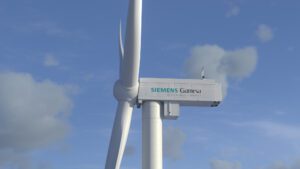
The U.S. International Trade Commission concluded its investigation into a complaint filed by GE against Siemens Gamesa Renewable Energy (SGRE) concerning the importation “of certain variable speed wind turbine generators and components thereof.” In its ruling, the commission found that SGRE violated section 337 of the Tariff Act of 1930, as amended, and it issued […]
-
 Commentary
How FERC Can Have a Positive Impact on Grid Reliability
As the regulator for much of our nation’s wholesale electric and natural gas markets, actions by the Federal Energy Regulatory Commission (FERC) directly impact the U.S. economy. The agency’s response to
-
 Legal & Regulatory
The Billion-Dollar Bet on Electric Vehicles
President Joe Biden signed the Infrastructure Investment and Jobs Act on Nov. 15, which allocates $550 billion in new spending over the next five years to improve U.S. infrastructure, including critical investments in the energy sector. These investments will cover power grid infrastructure, electric vehicles (EVs) and charging stations, renewable energy, nuclear power, hydropower, and […]
-
 Commentary
Energy Transition—Opportunities for Power and Utility Companies
“Energy transition,” “energy evolution,” “energy reimagined,” and a host of similar terms have dominated the energy market headlines this year. While these terms can have varied meanings, they
-
 Full Coverage
NERC Issues Grim Outlook for Bulk Power System Winter Reliability
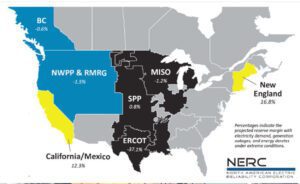
The North American Electric Reliability Corp. (NERC) is warning that much of the central U.S.—a region that stretches from the Great Lakes into southern Texas—may face critical power deficiencies during extreme winter weather conditions over the next three months. Natural gas supply disruptions and low hydropower conditions could also imperil power reliability in New England […]
-
 Commentary
COP, New Energy Laws, and the Power of Competition
There’s a lot going on in the energy world right now. The United Nations Climate Change Conference (COP26) is happening in Glasgow, Scotland. Congress recently passed major new energy legislation in the Infrastructure Investment and Jobs Act. And as consumers soon will find out if they don’t already know: much higher energy costs and heating bills are […]
-
 Gas
GasISO-NE Move Puts New Gas-Fired Plant in Doubt
The future of a natural gas-fired power plant planned in northeastern Connecticut is in jeopardy after regional grid operator ISO-New England (ISO-NE) asked the Federal Energy Regulatory Commission (FERC) for permission to end a capacity contract with the project. Florida-based NTE Energy’s plan to build the 650-MW Killingly Energy Center has been delayed due to […]
-
 Renewables
Five Challenges to Meeting Biden’s Ambitious Solar Energy Goals
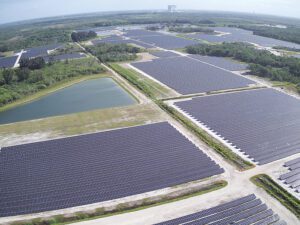
The U.S. Department of Energy (DOE) in September released a study detailing the significant role solar power could play in decarbonizing the nation’s power grid, and reducing the country’s reliance on
-
 Legal & Regulatory
CEQ Proposes to Restore Impactful NEPA Provisions
The federal government’s Council on Environmental Quality (CEQ) on Oct. 7 issued a proposed rulemaking to rescind several Trump-era regulatory amendments that limit the scope of environmental reviews completed by federal agencies under the National Environmental Policy Act (NEPA). If finalized, the proposed rule would restore agencies’ discretion to broaden the scope of NEPA reviews. […]
-
 Legal & Regulatory
Avoiding an ‘American Nightmare’—Cybersecurity Initiatives in the Power Sector
Cyberattacks on the U.S. energy system threaten our national security and way of life. While the sources of such risks may be debatable, the threats are real and the potential consequences are grave. Former
-
 Legal & Regulatory
Is America Ready to Take a ‘Baby Step’ Toward Carbon Pricing?
Most people recognize that carbon dioxide (CO2) is a greenhouse gas (GHG), and while not everyone agrees, a majority of climate scientists believe increasing concentrations of GHGs in the atmosphere are causing climate change on Earth. Carbon pricing is a market-based strategy for reducing CO2 emissions. The goal of carbon pricing schemes is to place […]
-
 Legal & Regulatory
10 Tips From a Legal Perspective on Rebuilding Efforts Following a Hurricane
Damages caused by Hurricane Ida will once again force the construction, manufacturing, energy, agribusiness, retail, and travel industries to focus on best practices for responding to major events. According to Eric Ruzicka, a partner at the international law firm Dorsey & Whitney and an expert who has advised companies during the rebuilding following Hurricanes Harvey and Irma, now is the time […]