Gas
-
 Gas
GasThis month in POWER (OCTOBER)
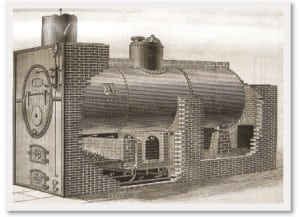
October 1886 In the late 19th century, efficient combustion of solid fuels was achieved more by trial and error than by a fundamental understanding of stoichiometry and staged combustion. Boiler manufacturers took many different approaches to the challenge. Some made sense; others didn’t. In which category does the design described below fall? In 1886 the […]
-
 Coal
CoalGlobal Monitor (September 2007)
Constellation files partial COL / IAEA scrutinizes shaken Japanese nuke / Wave energy of the future? / New GE plant reigns in Spain / Solar house competition heats up / Oxygen-blown IGCC, at micro-scale / Turning corncobs into ethanol / Court blocks gas attack on coal project / New advanced energy initiatives / POWER digest
-
 Gas
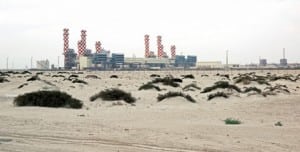
GasAl Ezzel Power Plant, Isle of Muharraq, Bahrain
Bahrain began privatizing its electricity and water-supply sectors three years ago, and the Al Ezzel Power Plant represents the first fruit of that strategic shift. The 950-MW plant, powered by two identical 2 x 1 combined-cycle units that burn natural gas, went commercial in May of this year. The plant now supplies about half of the national grid’s demand. The success of this fast-track project demonstrates the advantages of free markets and the wisdom of bringing in experts to build new capacity.
-
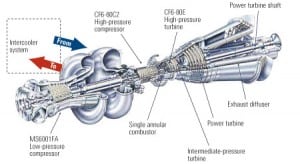 Gas
GasGroton Generating Station, Groton, South Dakota
This plant’s main claim to fame: It marks the commercial debut of GE’s 100-MW LMS100 gas turbine-generator. According to Basin Electric, over the unit’s first year of service it has demonstrated top-notch operating flexibility in peaking, mid-range, and baseload service, thanks to capabilities such as 10-minute cold start-ups and minimal impact on heat rate at partial loads. In addition to hosting the first LMS100, Groton Generating Station earns recognition as one of POWER’s Top Plants for the attention its design pays to reliability and resource planning.
-
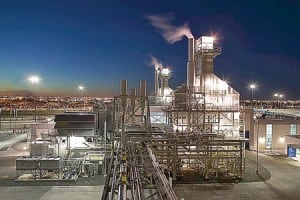 Gas
GasGTAA Cogeneration Complex, Mississauga, Ontario, Canada
When a blackout shuts down a factory, the impact isn’t apparent to the public. But lose power at an international airport, and thousands of angry travelers and the people waiting for them won’t be interested in excuses. The Greater Toronto Airports Authority learned that lesson in August 2003. Ten months later, it began building a 117-MW cogeneration plant that is now capable of supplying all of its energy needs—not just electricity, but space heating and chilled water as well.
-
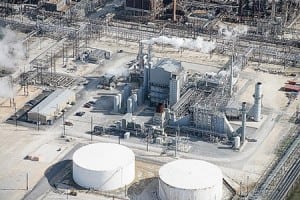 Gas
GasPort Arthur II Integrated Hydrogen/Cogeneration Facility, Port Arthur, Texas
The rationale for a typical cogeneration plant is clear: Supply some power, and maybe some steam, to an industrial host and save energy dollars on both sides of the fence. But integrating a cogen plant that also produces hydrogen with a major refinery that operates 24/7 is a job best left to a company with diverse and proven technology skills. The Air Products Port Arthur II project proves that such a job can be done right. Accordingly, it is one of POWER’s natural gas–fired Top Plants of 2007.
-
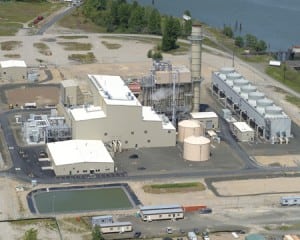 Gas
GasPort Westward Generating Plant, Clatskanie, Oregon
Since going commercial this June, Port Westward Generating Plant has taken its rightful place as one of America’s most efficient power stations. It is now helping to satisfy Portland General Electric’s summer demand reliably and cost-effectively. What differentiates Port Westward is its pioneering use in the U.S. of Mitsubishi Heavy Industries’ G1 class combined-cycle combustion turbine.
-
 Gas
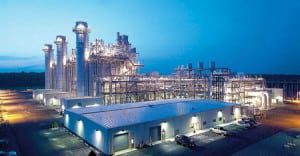
GasTenaska Virginia Generating Station, Scottsville, Virginia
Not every facility that POWER singles out as a Top Plant has a unique design. Some, like this one, may be recognized for an excellent operations record and being a good corporate citizen. At Tenaska Virginia Generating Station, a formal program to make O&M personnel aware of best industry practices—and apply them on the job—has shortened the plant’s start-up time and elevated its availability, making it much more dispatchable and profitable.
-
 O&M
O&MDetecting and solving lube oil varnish problems
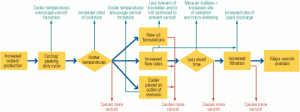
Have you bought electrostatic or agglomeration equipment to rid your turbine oil of varnish deposits, but its varnish potential rating failed to improve? Or, after an initial drop, has the varnish potential returned to its previous level? Even worse, have you had recurring valve sticking problems after making a sizeable investment to "solve" this problem? Welcome to the world of soluble varnish caused by autodegradation. Read the unvarnished truth about varnish and how to get rid of it for good.
-
 Gas
GasGlobal Monitor (August 2007)
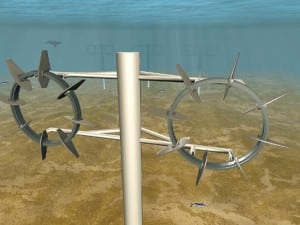
PG&E mounts tidal power project / GE F-class turbine breaks record / Iowa welcomes ethanol-fed hog / NYPA upgrades pumped-storage plant / Bush blesses Browns Ferry 1 restart / Shearon Harris looks to live on / Nevada bets on solar thermal / Climate models questioned / POWER digest
-
 Coal
CoalGlobal Monitor (June 2007)
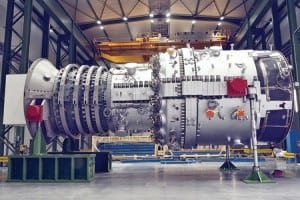
Siemens, E.ON to test world’s largest GTG / Midwest to add 76-MW peaker in Kansas / Tapping the sun near Phoenix / Georgia Tech developing 3-D PV nanocells / Wind farms with hydrogen backup? / BNSF , union come to terms / IPL to buy 200-MW wind project / India to improve environmental monitoring / POWER digest
-
 Gas
GasSiemens G-Class technology builds for the future
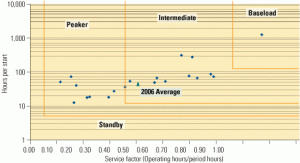
Gas turbine manufacturers aren’t selling as many machines today as they did in the hyperactive 1990s. But they are still continuing to refine G-Class technology. It has been about eight years since the first steam-cooled SGT6-6000G from Siemens Power Generation entered service. Take a quick tour of what must now be considered a mature gas turbine technology.
-
 Coal
CoalGlobal Monitor (May 2007)
World’s largest PV plant now in Portugal; latan 2 construction may resume; Allegheny to scrub Fort Martin plant; TVA will clean up big Dutch CC plant; Connecticut blesses six fuel cell projects; DOE approves IGCC plant in Florida; FERC relicenses Osage hydro plant; A nanotech perpetual motion machine?; POWER digest
-
 O&M
O&MFocus on O&M (April 2007)
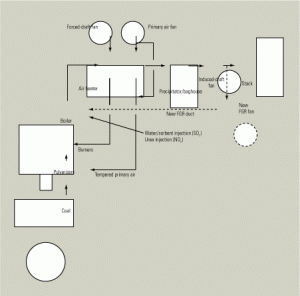
Control pollution and slagging on a shoestring / Keeping HRSGs young, cool, and clean / Natural air conditioning
-
 Gas
GasGlobal Monitor (March 2007)
Winter storms ravage Nebraska grid / Waste-fired plant coming to Arizona / Wartsila lands jobs in Azerbaijan, Sweden / Yet another controversial LNG project / Siemens lands two-gasifier order in China / IndyCars drink nothing but ethanol / New Otto/diesel engine to debut in Russia / POWER digest / Readers talk back
-
 Gas
GasWill turbines require expensive retrofits to handle imported LNG?
With domestic reserves of natural gas declining and demand for gas rising, imported liquefied natural gas will increasingly fill the shortfall in U.S. pipeline supply. More than 40 LNG receiving/regasification terminals on three coasts are in various stages of development. Yet many questions about the operational and emissions impacts of the "hotter" LNG imports on today’s cleaner-burning gas turbines remain unanswered.
-
 Gas
GasBalancing power and steam demand in combined-cycle cogeneration plants
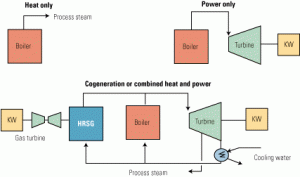
The 2005 amendment to the 1978 Public Utility Regulatory Policies Act created some unique challenges for the design of cogeneration plants in general and combined-cycle cogeneration plants in particular. Because utilities are no longer obligated to buy electricity at "avoided cost" from qualifying facilities, plant owners must simultaneously balance power and thermal demand efficiently and economically. Here’s a prescription for your next plant design.
-
 Gas
GasGlobal Monitor (February 2007)
China to buy four AP1000 reactors / Midwest Gen, Blagojevich reach pollution deal / Behold, the carpet gasifier / AREVA casks green-lighted by NRC / Brookfield Power upgrades Oswego Falls / Korea fires up 50-MW landfill gas project / Alstom lands big Russian deal / POWER digest / Correction
-
 Coal
CoalGlobal Monitor (January 2007)
DOE walks the clean coal talk / For Swedish nuke, a case of mistaken identity / Siemens completes big CHP plant / E.ON bets big on coal / BP Solar expands Maryland plant / GE scores big turbine deals / PSNH switches from coal to wood / EPRI tests solid-state current limiter / POWER digest
-
 Legal & Regulatory
Barriers continue to crimp natural gas supplies
U.S. demand for natural gas is projected to increase by more than 50% by 2020. Companies are building—and the public is opposing—receiving terminals on three coasts that would increase imports of liquefied natural gas. The pros and cons of "opening up" Alaska, coastal waters, and federal lands to drilling are still being debated. These politically […]
-
 Coal
CoalInvestment in generation is heavy, but important needs remain
Forecasting the direction of the U.S. electric power industry for 2007, much less the distant future, is like defining a velocity vector; doing so requires a direction and speed to delineate progress. In this special report, POWER’s first stab at prognostication, the editors look at current industry indicators and draw conclusions based on their more than 100 years of experience. To borrow verbatim the title of basketball legend Charles Barkley’s book: I May Be Wrong but I Doubt It.
-
Coal
Near-term capital spending in the North American power industry
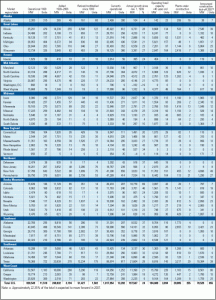
Following the money invested in projects is a viable way to compare growth trends for power projects using the four major generation types: coal, natural gas, nuclear, and renewable.
-
 Gas
GasBurning landfill gas has environmental and economic benefits
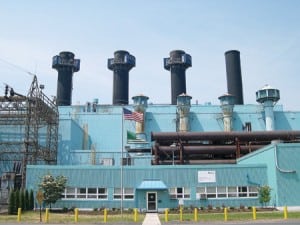
The conflicting challenges of operating a plant beyond its prime and Exelon’s commitment to manage carbon emissions from its power system are pushing the company’s plant engineers to innovate. An example: Fairless Hills Generating Station was given a complete overhaul and now burns landfill gas that otherwise would be treated as waste.
-
 Gas
GasGlobal Monitor (Nov/Dec 2006)
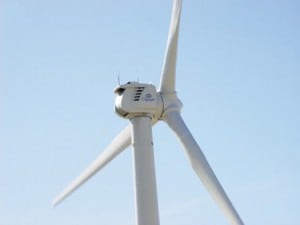
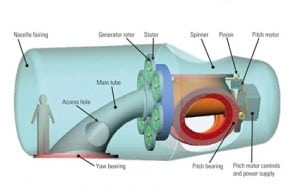
Renewables require rethinking just about everything/Torque-splitting drive train improves wind turbine reliability/Waste gas–burning engines reach milestone/Hybrid power plant targets pipeline losses/Power from paint/Gulf Coast Power Association conference report/Pat Wood talks about the challenges facing ERCOT
-
 Gas
GasWind farmers: Heed the lessons of the merchant gas-power business
The wind energy business is beginning to look as frenetic as the merchant gas-fired power business in the late 1990s—with some critical differences. If the 10 issues listed here are addressed soon, wind power may avoid a crash and burn similar to the one that beset the gas turbine business.
-
 Coal
CoalTri-State Generation and Transmission Association’s Springerville Unit 3 earns POWER’s highest honor
It’s said that pioneers take the arrows. In the case of Springerville Unit 3—a 418-MW (net) expansion of a Tucson Electric Power facility in Arizona and the first pulverized coal–fired unit built in the U.S. in more than a decade—the arrows were many. Although Tri-State (the developer), Tucson Electric (the host), and Bechtel Power (the EPC contractor) were wounded by delayed deliveries of major equipment, bankruptcy of a major supplier, and a labor shortage, the companies showed their pioneering spirit and completed the project ahead of schedule. For ushering in a new generation of clean and desperately needed baseload capacity, Springerville Unit 3 is POWER magazine’s 2006 Plant of the Year.
-
 Coal
CoalNova Scotia Power’s Point Aconi plant overcomes CFB design problems to become rock of reliability
Point Aconi’s circulating fluidized-bed boiler experienced erosion, corrosion, and fouling problems from the day it went on-line in 1993. After several frustrating years of unreliable operation, in late 1999, Nova Scotia Power discovered the right combination of engineering and fuel modifications. Today, after a switch to 80% petroleum coke and major boiler modifications, Point Aconi’s output exceeds its original nameplate rating. For having the vision and fortitude to plan and execute a multiyear, $20 million project to revitalize North America’s first in-service utility CFB boiler, Nova Scotia Power’s Point Aconi plant is the well-deserved winner of POWER magazine’s 2006 Marmaduke Award for excellence in O&M.
-
 Coal
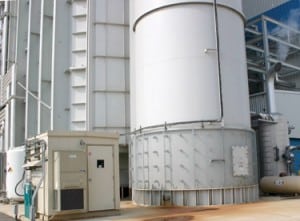
CoalHow accurate are your reported emissions measurements?
Complying with permitted emissions limits may be the most significant operations risk for a power plant. As limits are slowly ratcheted downward, understanding the accuracy and variation of measured pollutant levels becomes even more important. To avoid misunderstandings, regulators and plant owners should factor measurement uncertainty into air quality permit numbers both as the permit is formulated and preceding any subsequent modifications.
-
 Gas
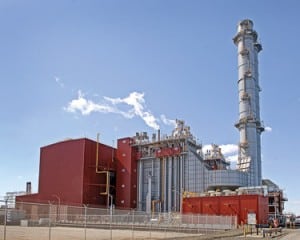
GasNYPA Astoria Project, Astoria, New York
New York City has an insatiable appetite for power, but supplying that power from plants inside the city’s five boroughs (where 80% of its peak demand must come from) is tough. So it’s nothing short of miraculous that a 500-MW combined-cycle plant in Astoria, Queens, began commercial operation at the end of 2005. What did it take to bring this plant on-line? The largest state-owned power organization in the U.S.—The New York Power Authority.