
Gas
-
 Coal
CoalTHE BIG PICTURE: A Big Switch
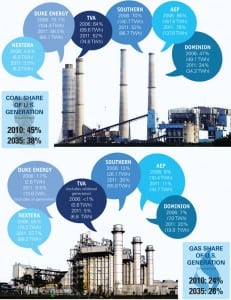
The widespread transition from coal to natural gas for new generation is exemplified by the morphing fleets of some of the biggest U.S. generators. Figures show the amount of power generated by each company using coal (top) and natural gas (bottom). Sources: POWER, NextEra, Duke Energy, Tennessee Valley Authority (TVA), Southern Co., American Electric Power […]
-
 Coal
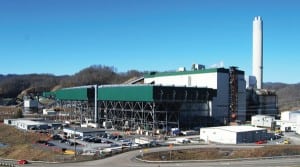
CoalMajor Projects Commissioned in the U.S., Kuwait, and India
Several major power plants around the world began operations over the past months.
-
 Gas
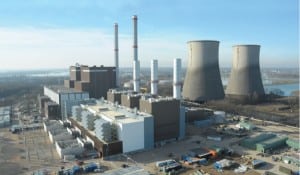
GasTOP PLANTS: Claus C Combined Cycle Power Plant, Massbracht, Limburg Province, Netherlands
The 1,309-MW Claus C power plant showcases the successful repowering of an existing steam power plant by upgrading it and adding a highly efficient combined cycle plant that doubles the original plant’s power output for just a 35% increase in fuel consumption. In addition, the newly retrofitted plant is cutting CO2 emissions by 40% compared with a simple-cycle gas-fired plant of equal capacity.
-
 Gas
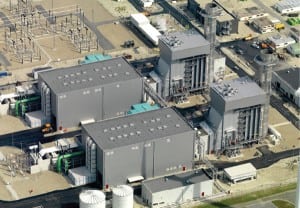
GasTOP PLANTS: Enecogen Power Station, Rotterdam, Netherlands
The Dutch utility Eneco and the Danish energy group DONG Energy recently collaborated in building the 870-MW Enecogen Power Station that has a thermal efficiency above 59% and is designed for maximum operational flexibility. As part of Eneco’s strategy to lower emissions across its fleet, the combined cycle plant is designed to quickly compensate for intermittent power produced by the utility’s wind turbines.
-
 Gas
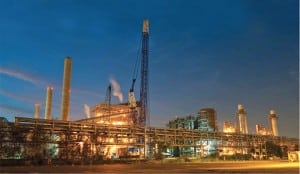
GasTOP PLANTS: Glow Phase 5 Combined Cycle/Cogeneration Project, Rayong, Thailand
Glow Energy’s 382-MW Glow Phase 5 power plant in Thailand exceeded early expectations by packing into a tightly constrained space more capacity than anyone thought possible. The plant’s engineering feat earns it recognition as a POWER Top Plant for 2012.
-
 Gas
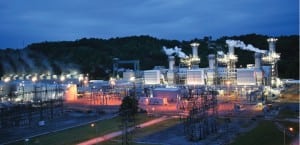
GasTOP PLANTS: John Sevier Combined Cycle Project, Rogersville, Tennessee
The Tennessee Valley Authority (TVA) is known for its large fleet of coal-fired plants. With TVA’s renewed emphasis on nuclear power and gas-fired generation, the organization will soon fulfill its new goal: “to be one of the nation’s leading providers of low-cost cleaner energy by 2020.” Construction of the 880-MW John Sevier Combined Cycle Plant puts TVA one step closer to achieving that goal.
-
 Gas
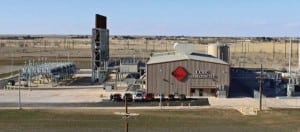
GasTOP PLANTS: LCEC Generation Plant, Lovington, New Mexico
Faced with the need to begin generating its own power after decades of relying on larger regional suppliers, and impending renewable portfolio standard requirements, the Lea County Electrical Cooperative had to get creative. Its choice of a highly flexible gas-fired engine plant that will work together with a nearby wind farm makes this a POWER Top Plant.
-
 Gas
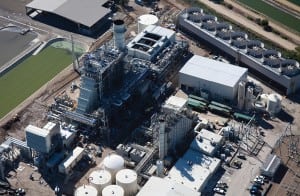
GasTOP PLANTS: Lodi Energy Center, Lodi, California
Set to begin commercial operation on Sept. 17, 2012, the 280-MW Lodi Energy Center is the first “fast-start” combined cycle power plant in the U.S. The advantages of the gas turbine’s shorter startup capabilities are reduced fuel costs, lower emissions, and the versatility to effectively partner with intermittent renewable energy sources. The new power plant is located next to the city of Lodi’s municipal wastewater treatment plant and uses its treated wastewater for cooling purposes.
-
 Gas
GasNew Gas-Fired Technology Gains Backers
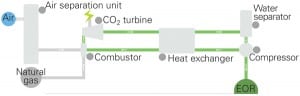
A new gas-fired power generation technology that uses an oxyfuel, high-pressure, supercritical carbon dioxide cycle and produces pipeline-ready carbon dioxide for sequestration or use in enhanced oil recovery (EOR), without reducing plant efficiency, garnered the interest of three new partners in June.
-
Commentary
Wind Energy Blown Away by Natural Gas
The environmental push for renewables and mandates to force them into existence are rightly facing some serious headwinds. The American Renewable Energy Production Tax Credit Extension Act of 2011 foundered in Congress, and more states are experiencing significant power rate increases to cover renewable energy production costs. While renewables are generally not ready for prime time in large quantity on today’s power grid, that doesn’t mean environment concerns ought to be trashed, especially when a more effective off-the-shelf solution is available.
-
 Gas
GasGeorgia Power Adds Second 840-MW Gas Unit
The second of Georgia Power’s three natural gas combined cycle units at Plant McDonough-Atkinson in Smyrna, Ga., came online on April 26 (Figure 7). The first unit at the plant became operational in December 2011, and the third unit, currently under construction, is expected to come online in November 2012, increasing the plant’s capacity from […]
-
 Coal
CoalPower in India: Opportunities and Challenges in a Fast-Growing Market
India’s long-term annual economic growth rate is projected at over 7%, and the country is investing in its hydroelectric, nuclear, and renewable resources. However, the primary fuel used to produce electricity remains coal, and the government has ambitious plans to significantly increase coal-fired capacity. Those plans have been challenged by a number of unexpected factors that threaten to stifle India’s economic growth. India’s long-term annual economic growth rate is projected at over 7%, and the country is investing in its hydroelectric, nuclear, and renewable resources. However, the primary fuel used to produce electricity remains coal, and the government has ambitious plans to significantly increase coal-fired capacity. Those plans have been challenged by a number of unexpected factors that threaten to stifle India’s economic growth.
-
 Gas
GasPerformance-Based Cooling Water Treatment
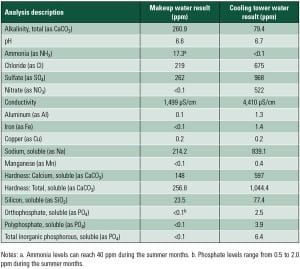
A West Coast combined cycle plant that uses reclaimed water found that cycling 300 times a year caused disruptions to the plant’s cooling water chemical treatment program. The solution was a performance-based monitoring and control system that uses available plant operating data plus algorithms to measure corrosion rates and fouling factors, which in turn allows the plant to trim chemical feed rates so they correlate with a specified corrosion rate, rather than a suggested chemical residual.
-
 Coal
CoalInnovation Required as Gas Displaces Coal
Panelists at the ELECTRIC POWER Keynote and Roundtable Discussion in Baltimore in May wrestled with a range of issues. But despite calls for a “balanced portfolio,” an “all-of-the-above” energy strategy, and predictions of “more changes in the next 10 years than in the last 100,” the focus of attention appears to be the decidedly mundane displacement of coal by natural gas.
-
 Gas
GasGas Glut Drives Action in Combined Cycle Power
A diverse range of speakers reviewed the state of gas-fired generation at ELECTRIC POWER, but there was one constant: flexibility
-
 O&M
O&MStartup Purge Credit Benefits Combined Cycle Operations
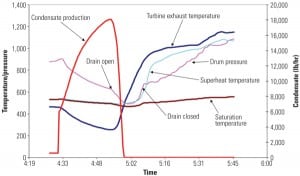
Combined cycle power plants use fuels and other materials that can cause fires or explosions in the combustion turbine, ducting, or heat recovery steam generator. Purging that equipment with ambient air to displace residual combustible gases before starting is a normal safety practice. But when plants are cycled, the disadvantages of purging often outweigh the advantages.
-
 Gas
GasTHE BIG PICTURE: A Shale Gas Revolution
Large circles represent technical reserves and small (blue) circles represent potential reserves of shale gas, both in trillion cubic feet. Bars on the right represent each region’s existing natural gas–fired generation in 2008 (yellow) and the amount projected for 2035 (blue) in TWh. OECD = Organisation for Economic Co-operation and Development. Data source: Energy Information […]
-
 Gas
GasEurope Dallies with Shale Gas Exploration
Massive offshore shale gas reserves exceeding 1,000 trillion cubic feet (tcf) discovered in the UK in April could catapult that country to the top ranks of global producers.
-
 Gas
GasSwitzerland Contemplates Filling Future Nuclear Energy Gap
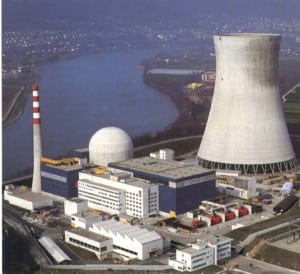
A model of Switzerland’s energy future to 2050 that abides with the country’s post-Fukushima decision not to build any new nuclear power plants suggests the phase-out could cost nearly $33 billion.
-
 Gas
GasTVA Begins Operation of John Sevier CCGT Plant
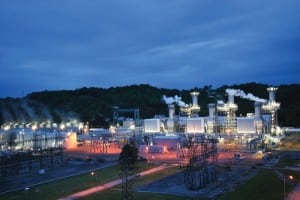
The Tennessee Valley Authority (TVA) has begun commercial operation of the natural gas–fired 880-MW John Sevier Combined Cycle Plant, located near Rogersville, Tenn.
-
 Gas
GasThe Quest at CERAWeek 2012
In March, Cambridge Energy Research Associates hosted its 30th annual CERAWeek, a conference that is renowned for high-profile attendees from around the world.
-
 Gas
GasUnconventional Gas: The Great Game-Changer
Dr. Daniel Yergin, chairman of IHS Cambridge Energy Research Associates, is a Pulitzer Prize–winning author; leading authority on energy, international politics, and economics; and a recipient of the United States Energy Award for “lifelong achievements in energy and the promotion of international understanding.” He recently spoke with POWER about his latest book—and more.
-
 History
Japan Scrambles to Revamp Its Electricity Sector
The March 2011 Japanese earthquake and tsunami that destroyed a number of Japanese power plants—most notably, four nuclear units—hit quickly. Almost as speedy were calls to take all other nuclear units out of service for safety reviews. What will take much longer is developing a new, sustainable energy plan to fill the generation gap left by a potential total lack of nuclear power.
-
 Gas
GasUkraine Looks Beyond Russian Gas
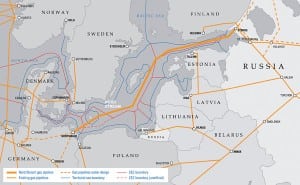
For years, tensions have been brewing between Russia, which provides about a quarter of the natural gas consumed in the European Union (EU), and neighboring Ukraine, a country through which 80% of those exports travel via pipeline.
-
 Gas
GasAs Small Gas Turbine Segment Grows, Alstom Launches E-Class Upgrade
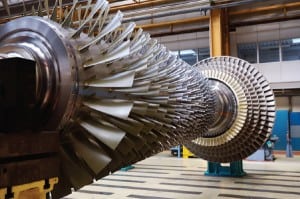
Close on the heels of its recent upgrades of the GT26 and GT24 gas turbines for 50-Hertz and 60-Hertz power markets, Alstom in March launched its next-generation GT13E2 gas turbine, a medium-sized gas turbine of the 200-MW class.
-
 Gas
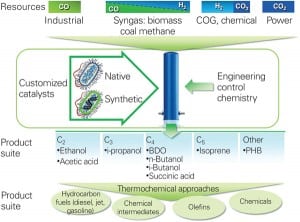
GasTechnology Converts Flue Gases to Jet Fuel
A new technology promises major advantages for coal-fired power plants, steel mills, and other industries that produce flue gases—and it could quell concerns about the increased use of arable land and food prices related to the production of ethanol.
-
 Coal
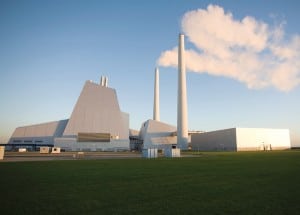
CoalEurope: More Coal, Then Less
Europe’s continuing drive toward sustainable energy does not rule out a new generation of coal power plants to replace those scheduled to close by 2015.
-
 O&M
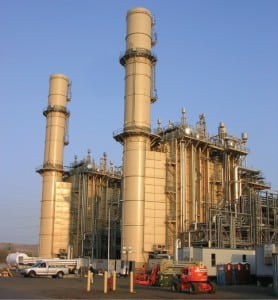
O&MManaging the Catalysts of a Combustion Turbine Fleet
Natural gas–fired fleets comprising diverse turbine unit types are operating their units more these days because of the historic low price of natural gas. With increased operating hours, fleet owners are challenged to find the best ways to manage their SCR catalyst systems.
-
Gas
LCRA Moves to Replace Aging Thermal Plant as Texas Struggles with Energy Future
The Lower Colorado River Authority (LRCA) is slated to replace an aging gas-fired thermal plant outside Austin with a modern combined cycle facility. It’s an upgrade sure to be welcomed as the Texas electric market faces an increasingly murky future.
-
Gas
Wärtsilä’s Latest Combustion Engine Offers New Options for Intermediate Capacity
Once primarily deployed for peaking and industrial use, gas-fired combustion engines are becoming an increasing part of the baseload fleet because of their flexibility and ease of operation. Wärtsilä’s latest engine offers a new level of power and efficiency that can compete with gas-fired combustion turbines in baseload operations.