I have spent my career building companies, and along the way I’ve learned that the technical mastery of a trade and the strategic discipline required to scale a business around it are two fundamentally different competencies. You can be the most capable operator in your field and still not have a business. A business is a system, a defined architecture of processes that your organization can execute consistently, profitably, and at scale. That principle has guided every venture I’ve built, and it’s the lens through which I now view what I consider one of the most underappreciated sectors in American infrastructure: backup power.
COMMENTARY
Over the course of my career, I’ve built and sold eight companies, primarily across the home services and HVAC industries. Today, I’m applying those same principles to Generator Partners, with the conviction that energy resilience is about to become one of the defining infrastructure conversations of this decade.
Why Power, and Why Now
The case for energy resilience isn’t complicated, but it’s remarkably easy to underestimate until you’ve witnessed the consequences firsthand. I often think about the Texas freeze of early 2021, households without water, heat, or light for two, sometimes three weeks, during one of the most severe storms on record. Pipes failed. Infrastructure buckled. What struck me wasn’t the storm itself; extreme weather events are a given. What struck me was how many people endured 14, even 21 days without power and still failed to act afterward. That’s the misconception I encounter constantly: people treat outages as a remote possibility rather than an operational certainty. It isn’t a matter of if. It’s a matter of when.
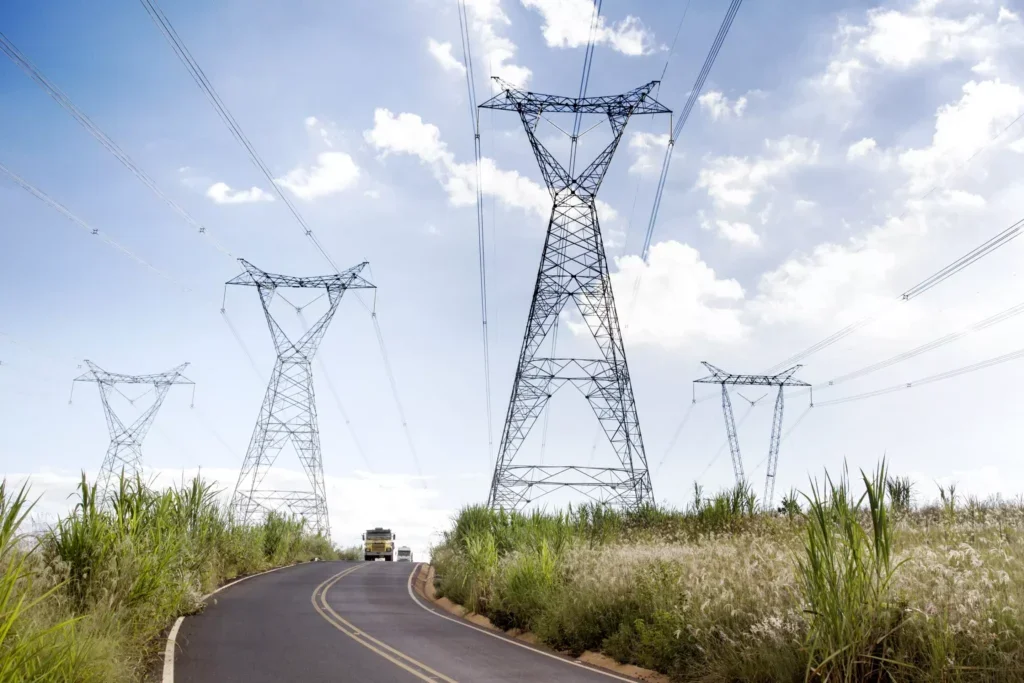
The infrastructure underpinning our grid makes that certainty more pronounced every year. Our organization operates across what I’d call Hurricane Alley; Houston, Dallas, Tampa, Fort Myers, Greenville, markets defined by legacy, above-ground transmission infrastructure, unlike newer developments engineered with buried lines from the outset.
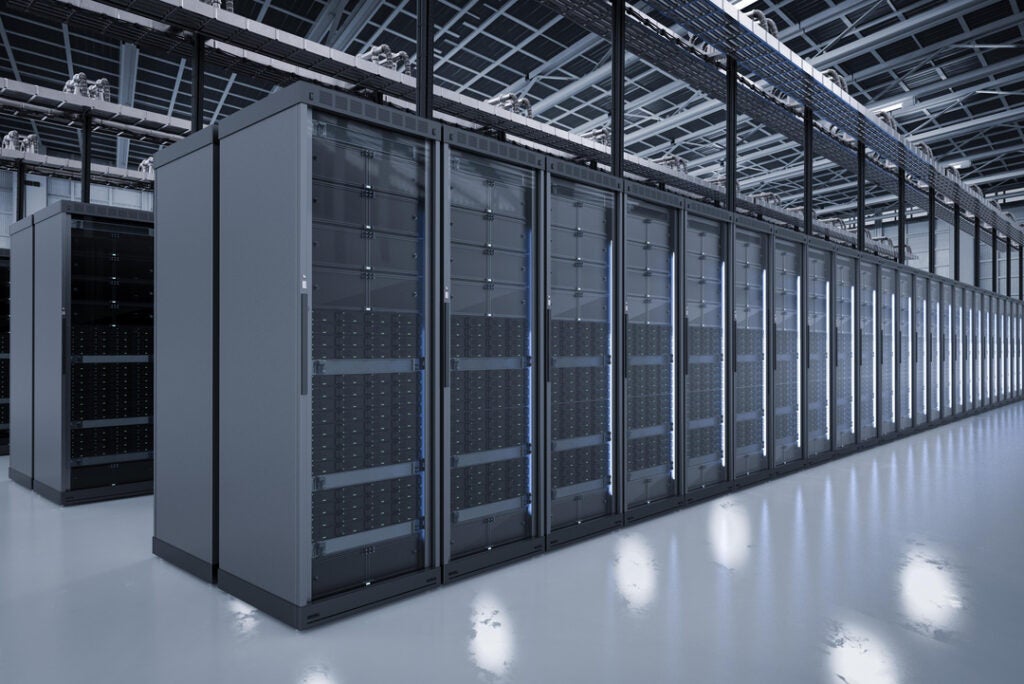
Layer in an aging national grid, accelerating population growth, and the extraordinary new demand generated by data center expansion, and you have a system under sustained structural strain. Then there’s cyber risk. I reviewed the Department of Homeland Security’s own published data recently, and one figure stood out: every utility, water, power, and gas, is targeted by a cyberattack an average of 13 times per second, globally. A portion of that activity correlates directly with geopolitical instability. When you’re examining infrastructure this critical, and this exposed to ransom-driven threats, the strategic imperative becomes self-evident.
None of this is meant to alarm. It’s meant to illustrate why I believe energy resilience deserves a permanent place in serious business and household planning, on par with any other core continuity strategy. Power is the foundation that makes every other layer of preparedness function.
Where Batteries and Solar Fit: and Where They Don’t, Yet
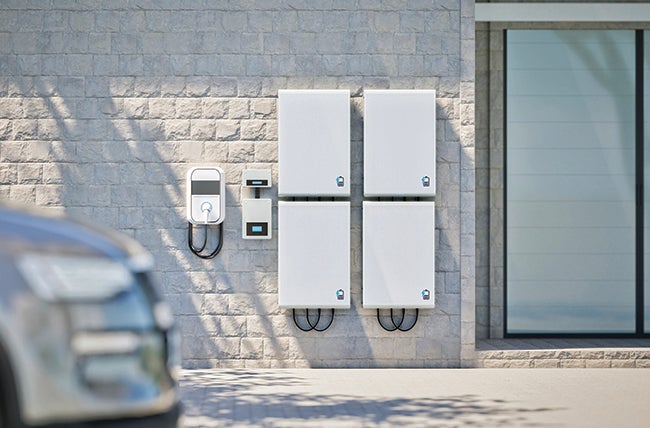
I’m frequently asked where battery technology is headed. I tend to compare it to the earliest generation of flat-screen televisions: genuinely transformative, but priced well ahead of its practical capacity. Batteries occupy a legitimate niche today, sustaining critical circuits like refrigeration, essential lighting, or medical equipment during shorter outages, or optimizing cost by discharging stored power during peak demand pricing windows. But for full-home resilience across an extended outage, the economics still favor a generator. That equation will shift as battery pricing matures, and when it does, our platform will be positioned to integrate the technology.
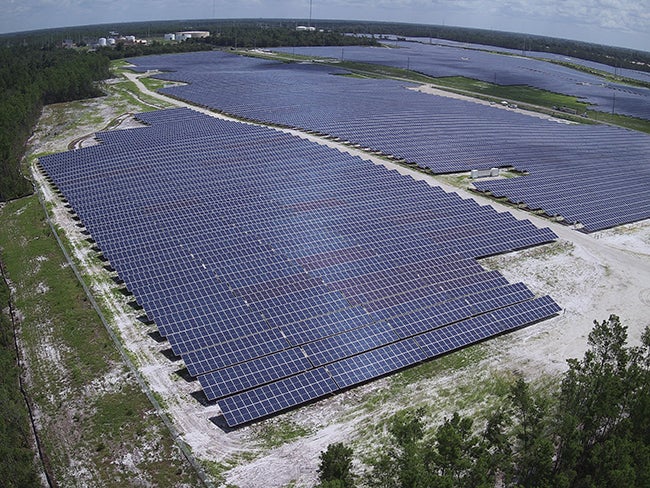
Solar occupies different territory entirely. I deliberately stayed on the periphery of that industry for years, largely because of how its sales infrastructure evolved, commission-driven, door-to-door models that, at their most extreme, consumed roughly half of a customer’s total project cost before a single panel was installed. That dynamic undermined a technology I otherwise consider sound.
My view is that the future of this industry is an integrated architecture: solar generation, battery storage, and generator backup functioning as a unified system of redundancy. The distinction I’d draw is that we are not in the business of selling energy savings. We are in the business of selling energy security, full independence from the pricing decisions of any utility, at any hour.
The Business Story Behind the Power Story
What I find equally compelling is the capital story unfolding within this industry. Private equity and family offices have taken notice of backup power for the same reasons they’ve pursued home services broadly: durable recurring revenue, long-term customer relationships, and margin profiles strengthened by equipment sales rather than labor alone. The sector remains fragmented and operationally underdeveloped, which creates a rare opportunity to professionalize it at speed.
I’ve seen that opportunity materialize directly. In 2024, Generator Partners acquired a portfolio of companies generating approximately $14 million in combined revenue. Two years later, that same portfolio is on pace to generate $50 million. The mechanisms behind that growth weren’t exotic, we answered every call, we honored every appointment, and we delivered a consistently professional customer experience. The simplicity of that formula is often the exact gap this industry has been missing.
That conviction is also why I’ve invested time in helping establish a trade association and best-practice consortium purpose-built for this sector, infrastructure the generator industry, unlike HVAC, has historically lacked. My counsel to any owner evaluating a sale, or simply pursuing growth, remains consistent: align yourself with a community of operators solving the same strategic challenges. No one scales a business in isolation.
What’s Next
Our objective is to continue building Generator Partners into a national platform, grounded in the same principles that have defined every enterprise I’ve built: disciplined people, rigorous systems, and a genuine commitment to protecting the people and businesses we serve when it matters most. Power is the backdrop. But building enterprises engineered to last is the story I’m most invested in telling.
—Ken Goodrich is the founder, chairman and CEO of Generator Partners and a veteran entrepreneur, investor and operator with more than four decades of experience building and scaling businesses across the skilled trades. Over the course of his career, he has participated in more than 200 acquisitions, built and sold eight major business platforms, and helped create more than $3 billion in shareholder value. Goodrich is a longtime advocate for the skilled trades and workforce development, having served as a board member of Air Conditioning Contractors of America (ACCA), president of SNARSCA, and an appointee to the Nevada Governor’s Workforce Development Board. Learn more at https://generatorpartners.com/.