As artificial intelligence (AI) adoption accelerates, the gap between electricity demand and grid capacity is widening rapidly. While this trend is often framed as a power generation and transmission challenge, it is equally a procurement challenge. The materials, equipment, and skilled labor required to build both data centers and grid infrastructure are in increasingly tight supply. For utilities, procurement is emerging as a critical lever to maintain reliability, manage costs, and keep pace with demand.
Data center growth is being driven by the rapid adoption of artificial intelligence technologies. Industry estimates suggest AI adoption is occurring faster than previous waves of digital transformation, including the internet and personal computing.
In response, hyperscale technology companies are scaling investment in data center infrastructure at an unprecedented rate. These investments translate directly into rising electricity demand and a surge in interconnection requests. Data centers currently account for roughly 4% of U.S. electricity consumption and could reach as much as 17% within the next few years. More broadly, projections indicate that data centers could drive nearly half of U.S. electricity demand growth through 2030 as global demand for data center power more than doubles.
The scale of investment behind this growth is equally significant. According to ID8 research, the global data center market is projected to grow from approximately $435 billion in 2025 to nearly $680 billion by 2030, driven largely by AI infrastructure investment and hyperscale expansion.
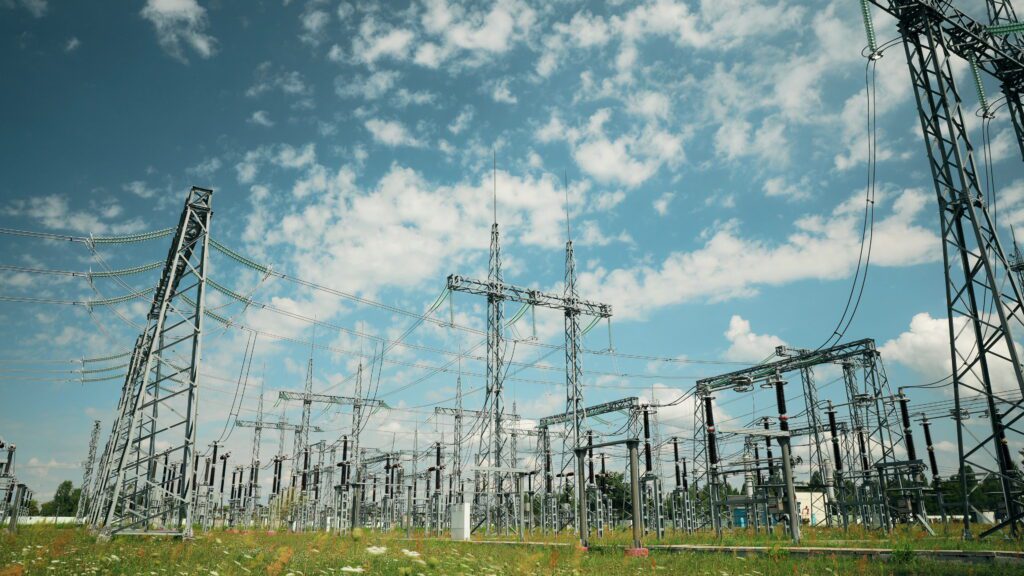
At the same time, the U.S. grid is aging. Much of the existing infrastructure is more than 40 years old, with many transmission and substation assets operating beyond their original design life. Utilities are now facing the dual challenge of modernizing legacy systems while expanding capacity to meet new, highly concentrated loads.
How Data Centers Are Changing Market Dynamics
The scale and speed of data center development are reshaping utility supply chains in fundamental ways.
First, demand for critical electrical equipment, including transformers, switchgear, breakers, and power distribution systems, is increasing sharply. Supply constraints and manufacturing bottlenecks are already extending lead times and contributing to price volatility. In some segments, lead times for high-voltage transformers have stretched to multiple years, and pricing has risen significantly due to material costs and limited production capacity.
Second, competition for supply is intensifying. Large technology companies often have the financial flexibility to secure capacity early, commit to long-term agreements, and absorb higher costs. As a result, they are increasingly becoming customers of choice for manufacturers, making it more difficult for utilities, cooperatives, and independent developers to access constrained equipment.
Third, labor and regulatory bottlenecks are compounding the challenge. Skilled labor shortages in engineering, construction, and installation are already limiting project timelines. Concurrently, permitting and interconnection processes are becoming more congested, as data center projects compete with other grid modernization and electrification initiatives. In some major data center markets, new facilities are reportedly facing grid connection wait times of three to five years, prompting operators to pursue alternative power strategies. Together, these factors are creating a supply-demand imbalance that extends beyond energy generation into the broader ecosystem of materials, manufacturing capacity, and project execution.
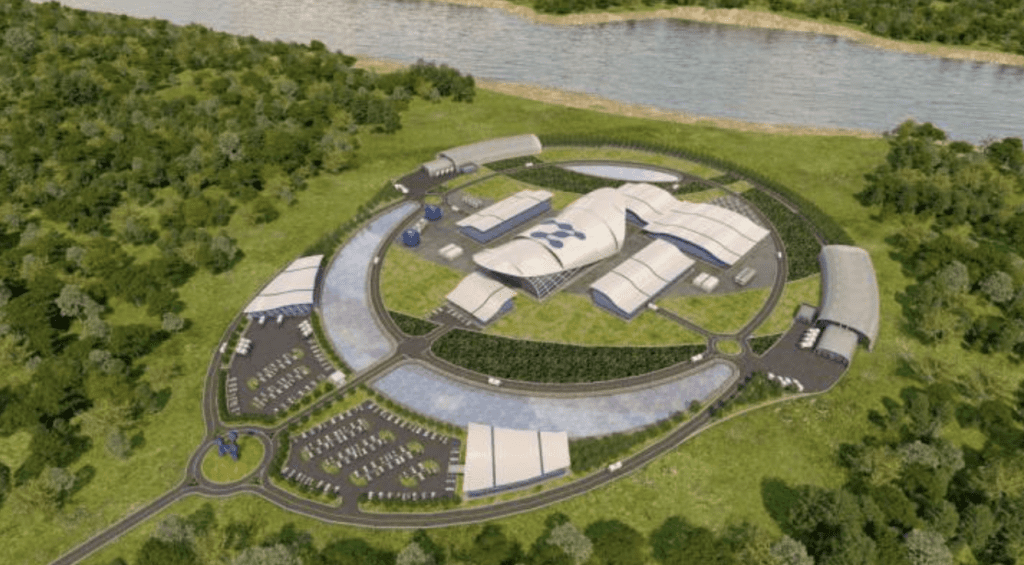
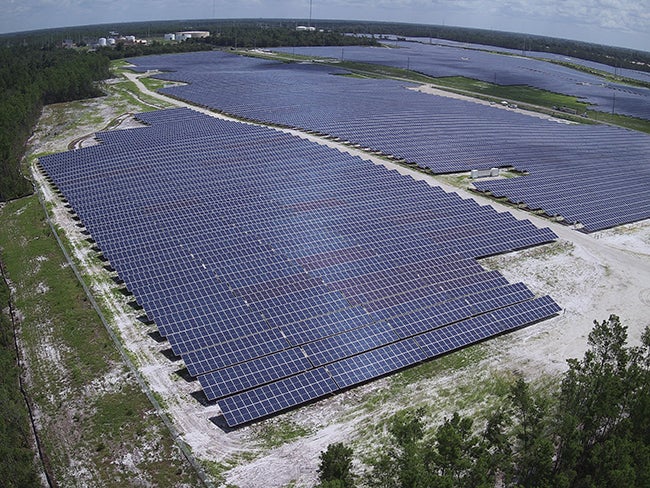
The growing importance of power availability is also changing how data centers approach infrastructure development. Rather than relying solely on utility connections, many operators are investing in behind-the-meter solutions such as battery energy storage systems, microgrids, direct renewable energy partnerships, and emerging small modular reactor technologies. This trend has the potential to reshape utility procurement priorities and grid planning assumptions over the coming decade.
Procurement Strategies to Help Utilities Stay Ahead
These dynamics are elevating procurement from a transactional function to a strategic capability. Leading utilities are taking a more proactive, integrated approach by aligning sourcing strategies with long-term infrastructure planning to manage risk and maintain reliability.
Here are seven key procurement strategies that can help utility supply chains overcome and stay ahead of the latest demand challenges:
1. Strategic sourcing and category planning: Develop long-term, multi-year category strategies for critical equipment such as transformers, gas-insulated switchgear, breakers, batteries, and gas turbines. Standardizing specifications across projects can reduce complexity, improve supplier alignment, and accelerate procurement cycles.
2. Portfolio-based contracting and risk management: Adopt portfolio approaches to contracting that secure manufacturing capacity while managing price volatility for key commodities like copper, steel, and semiconductors. Option-based agreements and flexible contract structures can help utilities adapt as demand forecasts evolve.
3. Supplier market intelligence: Invest in forward-looking market intelligence to track hyperscaler expansion plans, semiconductor manufacturing investments, and regional construction activity. For example, leading hyperscalers continue to signal annual capital expenditures measured in tens of billions of dollars for AI infrastructure expansion, creating significant competitive pressure for equipment, power systems, and skilled labor. Understanding where demand is concentrated enables utilities to anticipate constraints and secure supply earlier in the procurement cycle.
4. Strategic supplier partnerships: Move beyond transactional vendor relationships to establish long-term supplier partnerships. Pre-qualifying suppliers, expanding approved vendor lists, and securing secondary manufacturing capacity can reduce lead-time risk for critical equipment.
5. Funding and incentive alignment: Align procurement strategies with available federal and state incentives, including those supporting generation, storage, and domestic manufacturing. Structuring contracts to preserve financial benefits, such as transferable tax credits, can improve overall project economics.
6. Regulatory and cross-functional coordination: Establish stronger alignment between procurement, regulatory, and capital planning teams. Sharing cost data, supplier insights, and timelines can strengthen regulatory filings and improve engagement in transmission planning processes.
7. Workforce and contractor strategy: Incorporate labor availability and compliance requirements into procurement planning. Contracts that include performance incentives, schedule accountability, and workforce considerations can help mitigate delays tied to skilled labor shortages.
Procurement as a Strategic Driver
The AI economy is redefining infrastructure timelines, supply chain dynamics, and capital deployment strategies. Increasingly, access to power, cooling capacity, and critical equipment is becoming as important as access to capital. As AI-ready facilities move from traditional rack densities of 5-10 kW to 50-100+ kW per rack, procurement decisions are becoming inseparable from infrastructure planning.
Utilities are no longer operating in a steady state environment. They are navigating a period of rapid, demand-driven transformation.
In this context, procurement is no longer a back-office function. It is a central driver of infrastructure readiness. Utilities that elevate procurement by integrating it with system planning, market intelligence, and regulatory strategy will be better positioned to deliver reliable, cost-effective power at scale.
As demand continues to accelerate, those that operate ahead of the market by securing supply, strengthening partnerships, and aligning procurement with long-term strategy will define the next generation of grid leadership.
—Conrad Snover is CEO at ProcureAbility. Snover leads the firm’s vision and growth with a focus on client success, talent and culture, and the continuous innovation of procurement and supply chain services. He is deeply committed to and experienced in helping global organizations evolve procurement from a transactional function into a strategic, enterprise value driver.