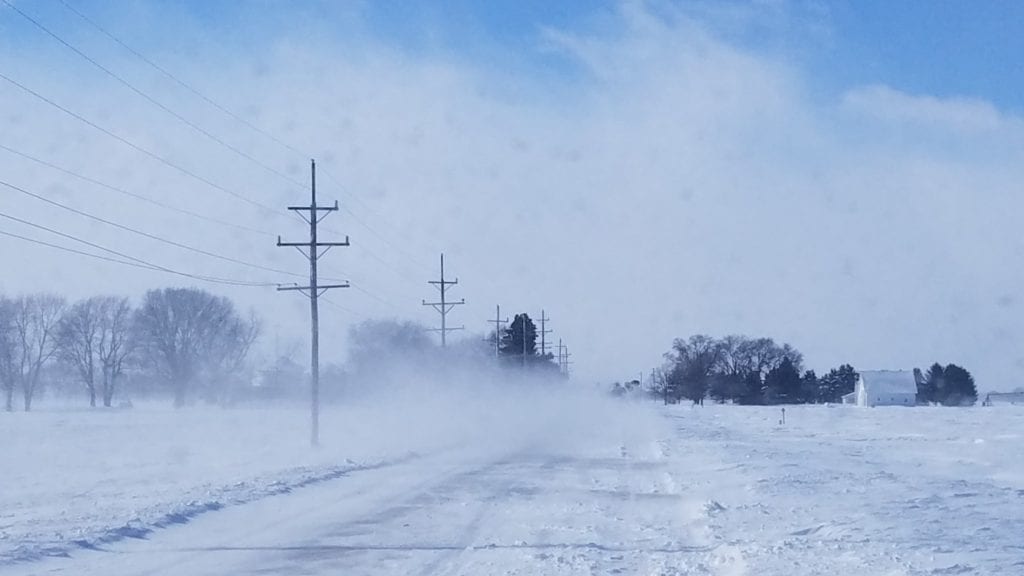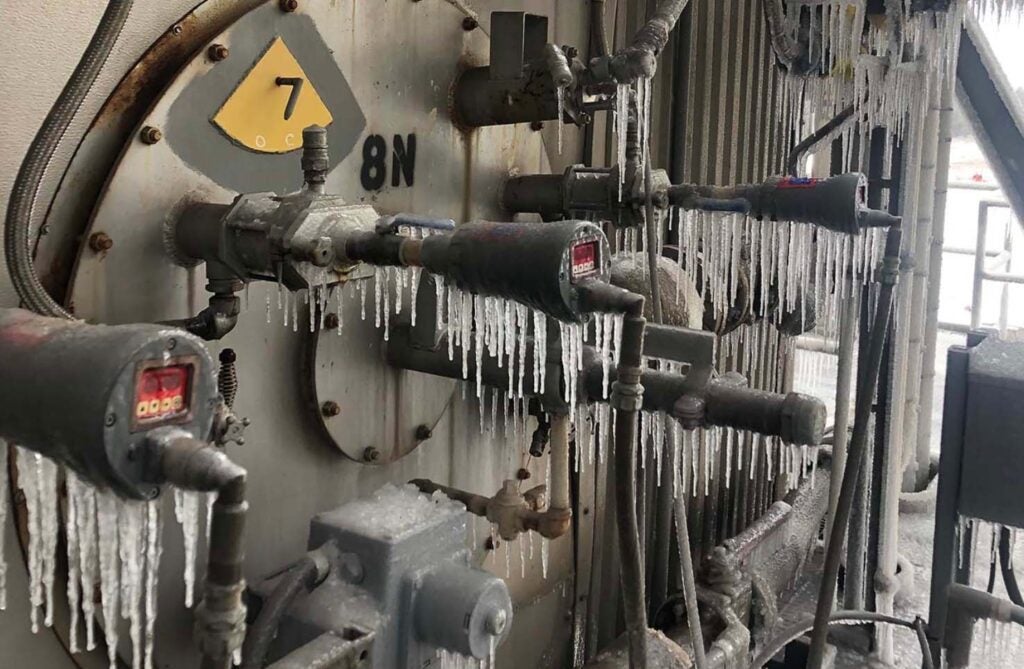
Even though Texas is again basking in warm weather, federal regulators are still investigating the rolling blackouts that hit the Lone Star state during a record-breaking cold snap in early February. The bulk power system in Texas experienced a significant number of outages at generating facilities during that period of high demand for electricity. The cold weather knocked offline more than 50 gas-fired and coal-fired generating units, which represented more than 7,000 MW of capacity. To compensate for the loss of generation, the state had to import approximately 250 MW of capacity from Mexico.
An Independent Grid for a State with an Independent Attitude
To put this reliability fiasco in context, it helps to understand the regulatory framework in Texas. Not surprisingly, for a state that was once a sovereign nation and is still known for its maverick attitude, Texas has its own unique grid system that sets it apart from the rest of the U.S. Under the regulation of the Public Utility Commission of Texas, the Electric Reliability Council of Texas (ERCOT) rides herd over the flow of electricity to 23 million Texas customers, representing 85% of the state’s electric load and 75% of its land area. ERCOT manages a grid that connects 40,500 miles of transmission lines and more than 550 generation units.
When the rolling blackouts happened in February, ERCOT landed in the hot seat. Texas state lawmakers conducted a hearing on February 15 demanding to know what went wrong. Several lawmakers pointed out that northern states routinely deal with worse weather without experiencing rolling blackouts.
ERCOT CEO Trip Doggett testified about the actions his organization planned to take to ensure that such outages don’t occur again. For example, he explained that ERCOT had launched a new alert system that, in the event of potential outages, would alert state officials and the state operations center, which in turn would notify police, firefighters, and first responders.
Due to increased scrutiny of the Texas grid caused by the blackouts, a number of long-time critics of electric deregulation in the state are now trying to reopen the debate on that issue. When full deregulation began in Texas in 2002 after the passage of Texas Senate Bill 7, state officials insisted Texas could implement a more successful system than California, where intermittent blackouts had contributed to the failure of deregulation a year earlier. Basically, deregulation in Texas divided up utility monopolies, fostered competition between companies that sell electricity to consumers, and encouraged power generation facilities to compete against one another. Although the recent blackouts have increased concerns about the deregulated system, no Texas elected officials are actively promoting new legislation to re-regulate the Lone Star power industry. Therefore, it does not appear likely that Texas will abandon electric deregulation any time soon.
FERC and NERC Launch Separate Inquiries
In an interesting regulatory twist, the Federal Energy Regulatory Commission (FERC) currently is examining the Texas outages even though it does not regulate ERCOT directly. The agency does monitor electricity reliability in Texas, however, through its oversight of the North American Electricity Reliability Corp. (NERC), the nation’s reliability watchdog. NERC’s Texas regional entity, the Texas Reliability Entity Inc. (Texas RE), is the agency that regulates the state’s electricity reliability performance.
FERC already had the Texas RE up on its radar screen before the February outages. In November 2010, FERC issued an audit report in which it identified concerns related to Texas RE’s close relationship with ERCOT in light of the fact that Texas RE’s role is to monitor ERCOT’s reliability performance. Additionally, the report criticized Texas RE for not effectively overseeing ERCOT’s compliance with reliability standards. “Texas RE acted promptly to address these areas of concern,” according to the report.
FERC’s current inquiry is intended to identify the causes of the February disruptions and any appropriate actions for preventing their recurrence. In late April, as this column was being written, a FERC spokesperson told POWER that the inquiry was still ongoing.
Likewise, in February, NERC President and CEO Gerry Cauley announced that, in response to the February outages, his agency was working to examine the adequacy of preparations and identify potential improvements and lessons learned. He stated that “two efforts will be launched to meet these objectives.” At press time, NERC was continuing its “lessons learned events analysis.” A NERC spokesperson told POWER that the agency “expects to have its report completed in an August time frame.”
Neither agency is expected to bring enforcement proceedings in relation to the February outages.
Keeping the Lights on Deep in the Heart of Texas
Here’s hoping that the FERC and NERC inquiries produce useful information that can be passed along to the regulated community. Going forward, utilities operating in Texas need to focus on providing better oversight of their generation facilities in order to enhance reliability and prevent future widespread outages.
“If you don’t like the weather in Texas, just wait five minutes, and it will change” goes a popular saying. Given the unpredictability of Lone Star weather, Texas generating facilities would be well advised to focus on the lessons learned from the recent outages so they can be better prepared when the next “blue norther” on steroids hits the state.
— Angela Neville, JD, is POWER’s senior editor and a fourth-generation Texan.