The wind power industry has exploded over the past decade. In the U.S. alone, almost 40,000 MW of wind power have come online since 2000. As more wind generation has been added, grid operators have been challenged to integrate a large amount of intermittent generation. As the state with by far the most installed wind power capacity, Texas has had to face this problem head on.
Critical advances in technology have led to new ways of balancing wind power. For example, new advances in turbine technology have allowed wind developers to build projects in more diverse areas, which in turn has diversified generation patterns. In addition, the rapid advancement of storage technologies has led to pilot projects being installed in conjunction with wind farms to demonstrate the benefits storage can bring to the electrical grid.
Diverse Resources
In Texas, most of the installed wind power is in West Texas and the Panhandle. Wind speeds in those areas are consistently higher at night, which is when demand for electricity is lowest. In the past few years, several new onshore wind farms have been built along the Texas Gulf Coast. The wind resource in this area is quite different: The wind blows the most in the afternoon, resulting in the highest amounts of generation when peak load occurs.
We have seen a significant increase in coastal wind projects for several reasons. First, transmission congestion issues in West Texas led developers to look for areas with more transmission capacity. More importantly, turbine manufacturers began building turbines suitable for areas with lower wind resources, such as the Texas coast. These new turbines provide higher capacity factors than were originally available, and they have made coastal projects more economic.
The wind industry has long argued that geographic diversity of wind energy helps to even out variability. This is true within one wind project, where the turbines are spread out over many miles, but even more so when projects are spread over several counties. Spreading out turbines also helps in another way. As a weather event rolls in, it may affect some turbines long before it moves across all of the turbines; this arrangement allows grid operators time to ramp up or ramp down other generation, as necessary. The best case scenario, now being seen in Texas, occurs when projects are spread out into areas where the wind tends to blow at different times of the day.
Utilities can also help balance their portfolios by mixing renewable technologies. Like coastal wind, solar projects generate during the day. Thus, combining solar and wind resources can help balance generation.
Storage Facilities
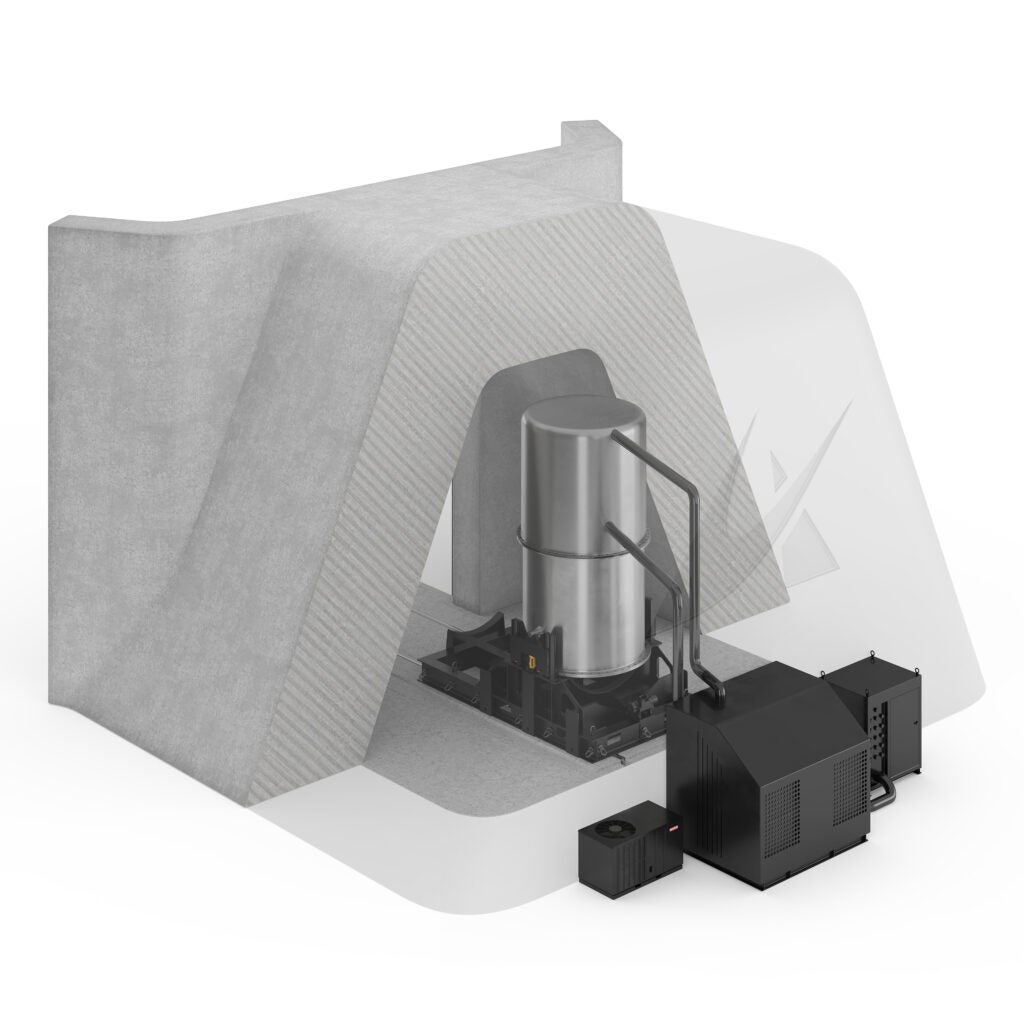
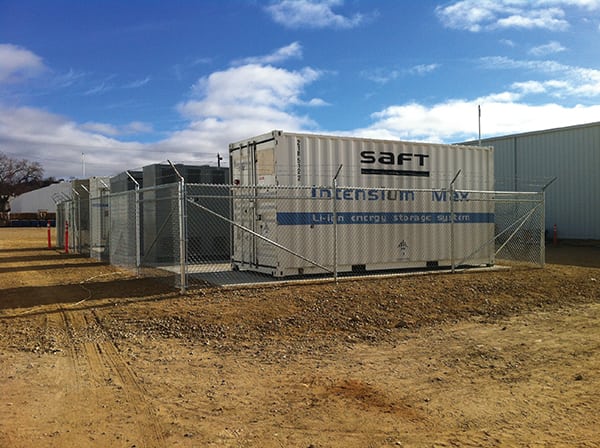
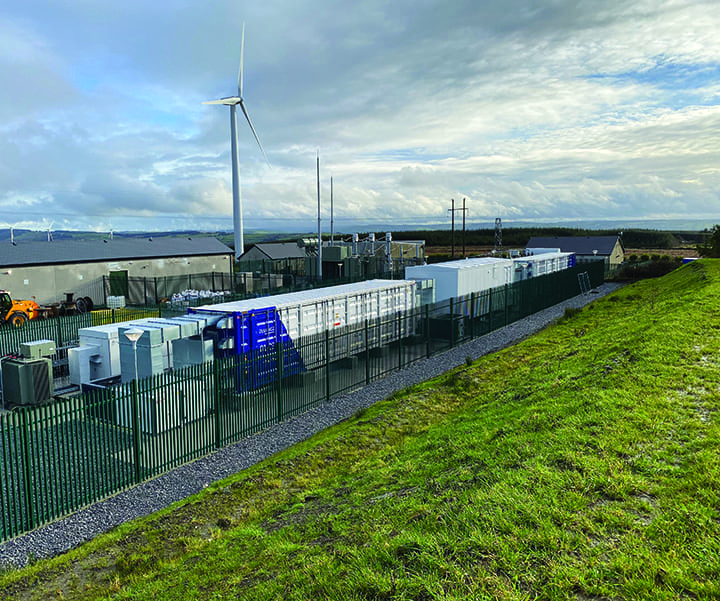
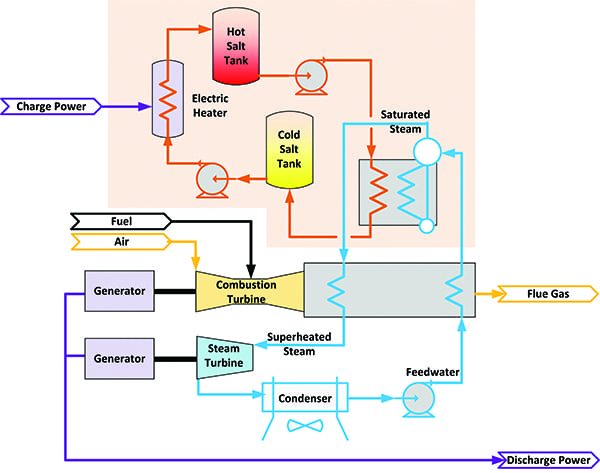
Advances in storage technologies also provide new tools for grid operators. For example, Duke Energy recently announced a pilot project with Xtreme Power to install a 36-MW battery at one of Duke’s existing Texas wind farms. Chamisa Energy has announced plans for a 135-MW compressed air energy storage project to be located in the Texas Panhandle. Chamisa plans to buy electricity generated by wind to “charge” the project and have the ability to interconnect with either the Electric Reliabilty Council of Texas or the Southwest Power Pool. Other technologies, such as flywheels and a variety of battery-type technologies, are also being developed.
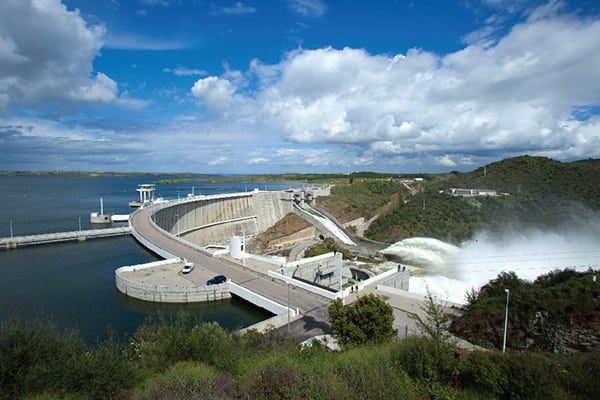
Pumped storage hydro, which has been used since the 1970s and 80s to work in conjunction with nuclear plants, is another possibility. Traditional hydro can also be useful, as demonstrated by the New York Independent System Operator, which has partnered with Hydro Quebec to use the latter’s hydro storage capacity to help balance wind farms being built in New York.
To be clear, I am not advocating that every wind farm should have a storage system. The U.S. has successfully added tens of thousands of megawatts of wind power without using storage. Similarly, many European countries generate 20% to 30% of their power from wind. What large-scale storage projects do is add flexibility. They also help to even out variability from all generators, not just renewables. A storage project can be called on when a gas plant goes down unexpectedly just as easily as when the wind stops blowing.
What I find most interesting about energy storage projects being developed in conjunction with wind projects is their multiple uses. I assumed the main purpose of a storage facility would be to store electricity when the wind farm is generating and then have that electricity available to be dispatched whenever needed, but storage projects being developed and constructed now will be used for much more. They can provide ancillary services that are critical for grid operators to maintain grid reliability and can earn valuable revenue for the storage owner.
As energy demand in the U.S. continues to increase, the need for new generation is great. The shortage cannot be solved by any one technology; instead, the U.S. needs both traditional and renewable power generation. Strategies such as geographic diversity and storage can help make wind power an even more valuable resource, as they lessen potential intermittency and other grid reliability issues while bringing valuable new capabilities to the grid that benefit all types of generation.
— Becky H. Diffen (bdiffen@velaw.com) is an attorney at Vinson & Elkins LLP in Austin, Texas.