As reciprocating engines/gensets assume a larger role in distributed generation, data center infrastructure, and other critical duty applications, crankcase ventilation and the resulting emissions warrant increased attention and mitigation.
When power generation professionals discuss engine emissions, the conversation typically focuses on the exhaust stack. While this emphasis is justified, it underestimates another emissions pathway: the crankcase vent.
Every reciprocating engine generates blow-by gases that must be safely ventilated to control crankcase pressure and prevent seal leakage. Depending on the engine and fuel, the emissions contain oil aerosols, combustion byproducts, and unburned hydrocarbons, including methane. The question from original equipment manufacturers (OEMs), packagers, and operators is how to manage these emissions without creating new reliability, maintenance, and environmental issues.
For modern power generation applications, crankcase ventilation is no longer a simple breather or housekeeping component. The technology has evolved into a system that protects the engine and surrounding environment and enables reliable power generation performance.
Open and Closed Crankcase Ventilation Systems
Open systems have historically provided a straightforward way to relieve crankcase pressure. Blow-by gases exit the engine and are released into the surrounding environment, often through a vent pipe or basic separation device.
Without proper filtration, oil mist will settle on engine surfaces and nearby equipment including radiators. The results are increased maintenance, cleanup, and environmental damage. A well-designed open crankcase ventilation system includes a high-efficiency filter, suction blower, and integrated crankcase vacuum controls.
Closed crankcase ventilation, or CCV, routes the emissions back to the engine intake system. Left untreated, the emissions will contaminate the turbocharger and intercoolers leading to reduced performance and costly maintenance. The need for a high-efficiency filter is critical to prevent these challenges. World-class CCV systems combine a high-efficiency filter with an integrated vacuum regulation valve.
Whether using an open- or closed-style system, there are some other key features:
- Effective oil draining and recovery.
- Long service intervals.
- Reliable performance across the engine’s load range.
- Durability under the expected operating conditions.
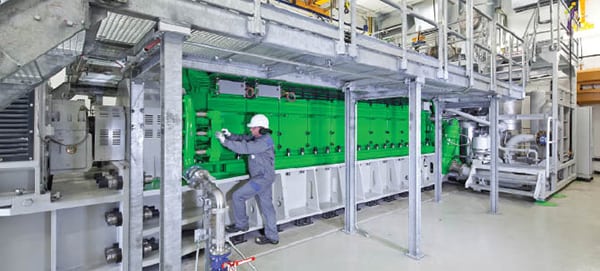
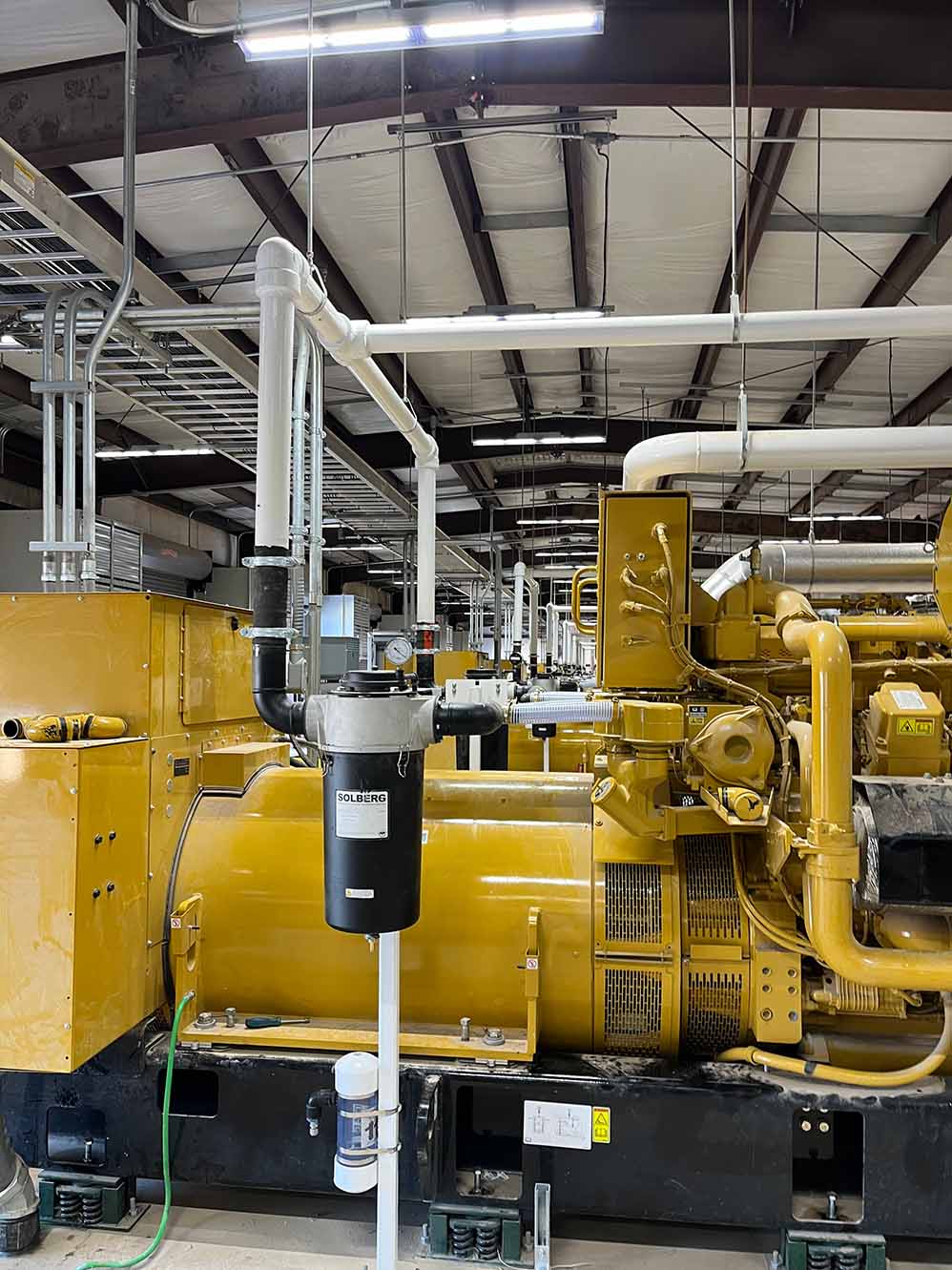
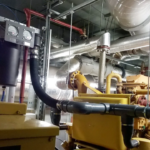
Drawing on Solberg Manufacturing’s experience developing filtration and separation systems for reciprocating engine applications (Figure 1), one important consideration is that filtration efficiency cannot be evaluated in isolation. As oil and contaminants accumulate within the filter element, restriction can increase and influence crankcase pressure. Filter capacity, oil drainage, vacuum control, and service intervals therefore need to be considered as part of the complete ventilation system. This becomes particularly important for engines operating for extended periods or across varying load conditions. In these cases, the system must continue to manage emissions while maintaining crankcase pressure within the engine OEM’s specified range.
Crankcase Emissions Matter More Than Ever
Crankcase emissions are not a new phenomenon; however, the focus has sharpened as the marketplace prioritizes reduced emissions and high performance.
A total engine emissions approach is a factor when developing projects from gas compression to data centers. While exhaust combustion emissions remain the largest contributor, the crankcase emissions can contribute more than 20% of total engine emissions.
Stationary engines are already subject to emissions requirements that vary by engine and application. Crankcase ventilation systems are not a substitute for regulatory controls, nor is one configuration appropriate for every engine or application. However, the broader focus on stationary engine emissions reinforces the need to consider every source.
Operational and maintenance expectations have also changed. Visible oil mist, residue, or recurring contamination is unacceptable at many facilities. Operators expect clean engine rooms, equipment available on demand, and systems that can run for extended periods without intervention.
These concerns become more significant as the number of engines on site increases. As more engines are installed at plants to meet the growing power demand, oil aerosol emissions multiply across many engines. This underscores the need for high-efficiency crankcase ventilation systems.
Diesel and Natural Gas Engines Present Different Priorities
For both diesel and natural gas engines there is a fundamental need to control crankcase pressure and capture oil aerosols. However, there are differences in the vented blow-by from each.
For diesel engines, oil mist is typically the primary crankcase emissions concern. Blow-by from natural gas engines may contain unburned methane and other hydrocarbons in addition to oil aerosols.
In either case, when oil aerosols are released into an engine room or generator enclosure, they collect on surrounding surfaces and contribute to equipment contamination and increased maintenance.
A high-efficiency crankcase ventilation system will capture the oil mist emissions and protect the engine intake from contamination or external equipment like the radiator. Closed crankcase ventilation systems are common with diesel gensets, but they are becoming more popular for natural gas engines, as operators attempt to recycle the methane slip. In either case, a high-efficiency oil mist coalescing filter is especially important because any downstream contamination will contaminate the turbocharger and intercooler.
The application and site conditions must determine whether an open or closed configuration is appropriate. The engine’s blow-by flow, fuel, duty cycle (standby, continuous, etc.), crankcase pressure limits, and maintenance objectives will all influence the appropriate system.
For example, a closed crankcase ventilation system installed on a standby diesel engine is not suitable for a continuous-duty natural gas engine.
A 15-Year Closed Crankcase Ventilation Success Story
Over 15 years ago, Solberg began a partnership with a global natural gas engine manufacturer serving the oil and gas industry (gas compression and power generation). This OEM was struggling with oil mist bypassing through the existing closed crankcase ventilation systems.
Because the blow-by gases were routed back into the downstream side of the engine intake filter, the bypassed oil accumulated within the turbochargers and intercoolers. The contamination contributed to reduced engine performance, costly repairs, and warranty claims. The problem was not the closed crankcase configuration; it was the ineffectiveness of the legacy system.
The engine manufacturer established three principal performance objectives for a new CCV system:
- Oil carryover of less than 1 gram per hour as mandated by the turbocharger manufacturer.
- Filter element life exceeding 8,000 operating hours.
- Precise and consistent crankcase vacuum control.
These targets reflected the engine platform’s operating environment and continuous duty service.
Solberg worked with the manufacturer to develop a fit-for-purpose closed crankcase ventilation solution. After years of evaluation in test cell and real-world environments, more than 5,000 Solberg systems are now operating on these engines in the field.
The success of this partnership is not due to the number of systems installed. Success is a direct result of understanding the specific challenges and developing a purpose-built solution.
The partnership also demonstrates an important benefit for natural gas applications. Once oil aerosols are effectively separated, the methane slip in the blow-by can be recycled as fuel.
The lessons first learned in demanding oil and gas applications are now being applied across a variety of power generation applications: continuous duty, peak shaving, etc.
Data Center Power Demands Are Raising the Stakes
The rapid growth of artificial intelligence and hyperscale data centers is reshaping electricity demand and the role of reciprocating engines.
Diesel engines have primarily been installed for emergency standby power in the case of a grid outage. However, as data center operators are creating their own self-sufficient power plants, natural gas engines are being installed for prime power service using the relatively low-cost fuel.
More engines and increased operating hours inevitably lead to higher emissions levels. Left untreated, the crankcase emissions will contaminate everything inside the enclosure or power plant.
The scale of data center installations also amplifies small performance differences. When dozens of engines operate at one campus, modest oil carryover from each unit can become a substantial facility-wide oil load. That contamination can spread through generator enclosures, engine intake filters, or HVAC (heating, ventilation, and air conditioning) systems, increasing operations and maintenance issues across the site.
For natural gas installations, crankcase ventilation also contributes to the project’s broader hydrocarbon management strategy. Preventing methane-containing blow-by from being openly vented may become increasingly important as developers evaluate the emissions impact of the data center.
The data center market is a visible example, but the same considerations extend to other continuous duty and distributed generation applications.
Crankcase Ventilation Systems Part of a Broader Emissions Strategy
An effective strategy establishes a boundary around the entire stationary engine package and considers the emissions from both the exhaust and the crankcase.
A component that is considered secondary during engine package design is more likely to exhibit performance issues. Conversely, an integrated crankcase ventilation system addresses not only high efficiency but also installation, oil draining, and service interval.
An Important Part of Reliable Power
Crankcase ventilation may never receive the same attention as genset power, fuel efficiency, or exhaust aftertreatment; however, if this is not considered, the results are oil mist emissions, engine contamination, and excess crankcase pressure.
For engine OEMs, packagers, and power producers, the appropriate question is not whether an engine should include a crankcase ventilation system. The better question is whether it can effectively capture the oil aerosol carryover and closely control the crankcase pressure throughout the intended duty cycle and service interval. Solberg’s success story above demonstrates what is possible when crankcase ventilation is an integral part of the engine package.
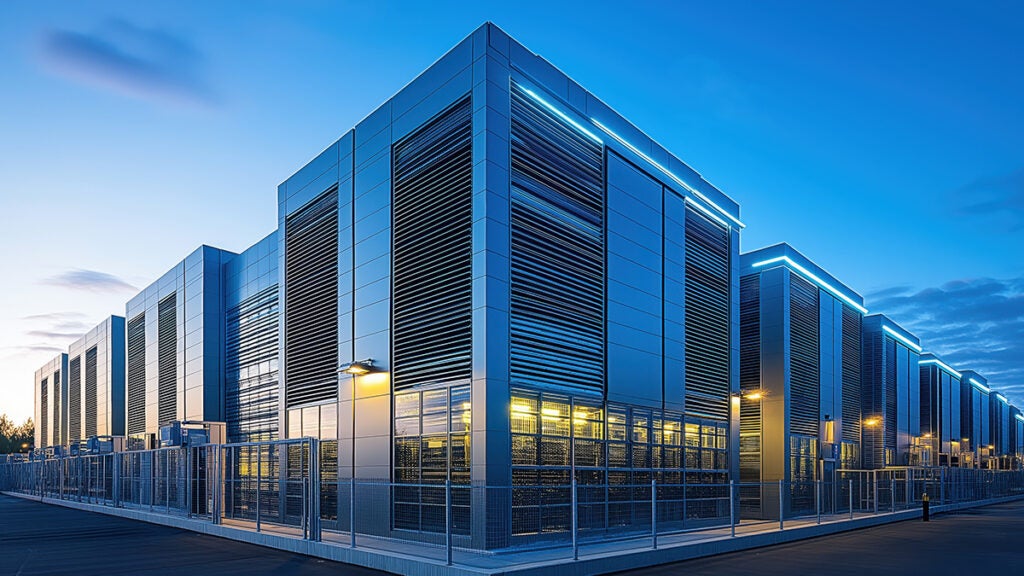
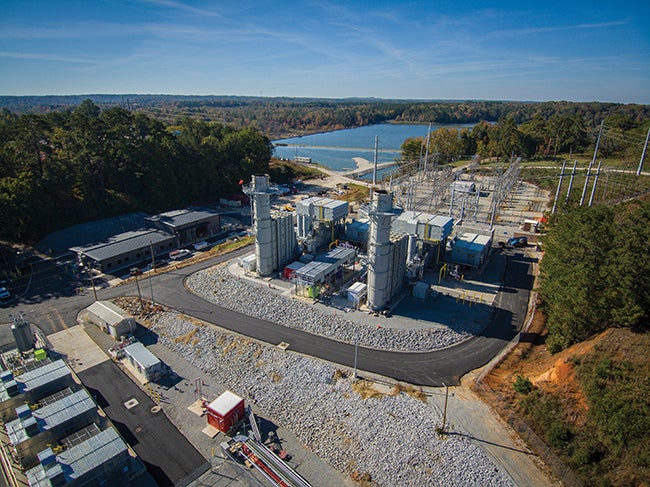
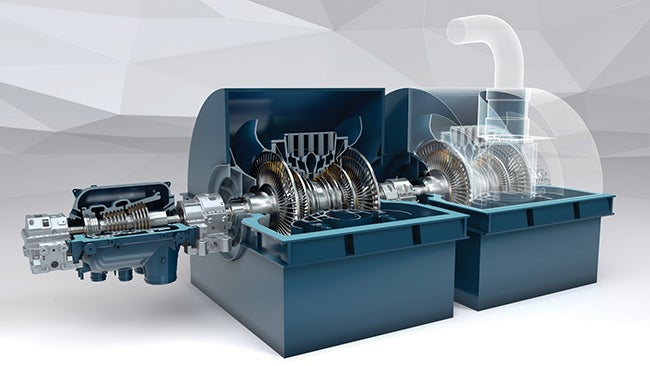
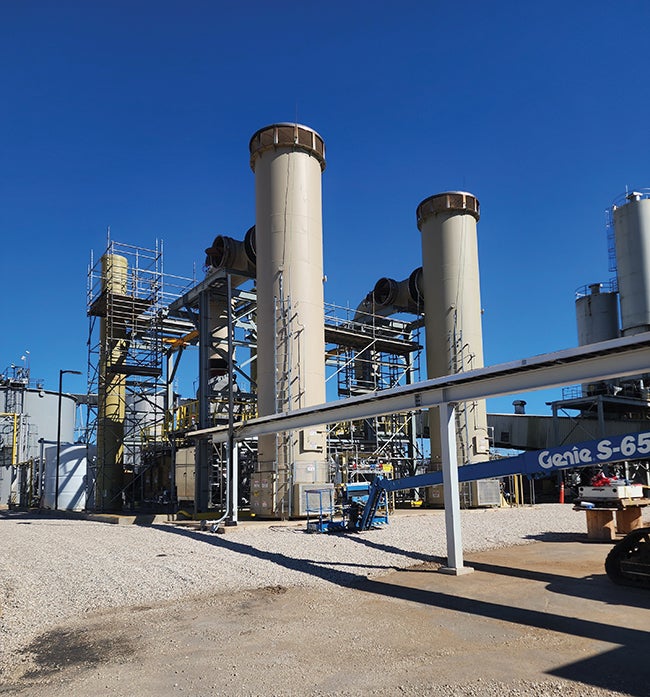
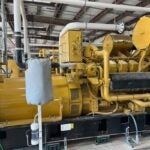
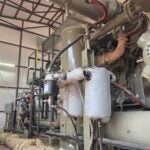
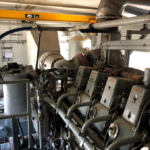
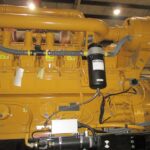
As diesel and natural gas gensets become more important to grid reliability, distributed generation, and critical infrastructure, every engine subsystem will be expected to contribute to performance, maintainability, and emissions reduction. Crankcase ventilation systems are not only an accessory but also an integral part of delivering clean and reliable power (see photo gallery).
—Ray Kulpa is Solberg’s market manager for Power Generation, and Bella Alfaro is Solberg’s marketing coordinator.